
Starting Minecraft for the First Time
Minecraft is one of the most popular games ever created, but when you start playing for the first time, it can feel confusing. The game drops you into a massive open world without instructions, tutorials, or obvious objectives. There are no quest markers telling you what to do next, and the day–night cycle continues whether you are prepared or not.
For many new players, the first few minutes determine whether the experience feels exciting or frustrating. Without basic knowledge, beginners often wander too far from their starting point, fail to collect resources quickly, or get caught outside when night falls and hostile mobs appear.
This guide explains how to play Minecraft from the very beginning. You will learn how the game works, what your priorities should be on the first day, and how to survive your early Night while building the foundation for future exploration and creativity.
Minecraft is not a game you “beat” quickly. Instead, it is a sandbox experience where exploration, survival, building, and experimentation all combine to create endless possibilities. Understanding the fundamentals early will make every part of the game more enjoyable.
What Minecraft Is and How the Game Works
At its core, Minecraft is a sandbox survival game built around three main systems: exploration, resource gathering, and crafting.
The world of Minecraft is procedurally generated, which means every new world is different. Mountains, forests, oceans, caves, and villages appear naturally across the landscape, creating unique environments for players to explore.
The game operates on a day–night cycle that lasts about 20 minutes in real time. During the day, players can safely explore, gather resources, and build structures. When night falls, hostile mobs such as zombies, skeletons, and spiders begin to spawn in dark areas.
Because of this cycle, the early gameplay revolves around preparing for the night by collecting materials, crafting tools, and building some form of shelter.
Unlike many games, Minecraft does not force players into a specific path. You can spend your time building massive cities, exploring caves, farming resources, or simply wandering across the world discovering new Biomes.
Learning the basic mechanics of survival and crafting is the first step toward enjoying everything the game offers.
Choosing the Right Game Mode
When creating a new world in Minecraft, the game asks you to choose a game mode. This setting determines how the game behaves and what challenges you will face.
Survival Mode
Survival Mode is the traditional Minecraft experience and the mode most players choose when learning how to play.
In this mode, you must gather resources from the world around you, craft tools and equipment, manage your hunger and health, and defend yourself from hostile creatures. Nighttime becomes dangerous if you are unprepared, which adds a strong survival element to the gameplay.
Because Survival Mode requires planning and resource management, it teaches new players how the game systems work.
Creative Mode
Creative Mode removes the survival aspect completely. Players have unlimited resources, the ability to fly, and access to every block in the game.
This mode is perfect for players who want to focus entirely on building or experimenting with designs without worrying about gathering materials.
While Creative Mode is excellent for building projects, it does not teach the survival mechanics that many beginners want to experience.
Adventure Mode
Adventure Mode is mainly used for custom maps created by other players. It restricts how blocks can be broken and interacted with, allowing map creators to design structured gameplay experiences.
Most beginners will not use this mode immediately, but it becomes interesting when exploring community maps and adventure worlds.
Spectator Mode
Spectator Mode allows players to move freely through the world without interacting with it. You can fly through blocks, explore terrain, and observe gameplay without affecting the environment.
This mode is often used for recording videos or studying world generation.
For beginners learning how to play Minecraft, Survival Mode is the best place to start.
Understanding Basic Minecraft Controls
The exact controls depend on the platform you are using, but the core mechanics remain the same.
On PC, movement is controlled using the W, A, S, and D keys, while the mouse controls camera movement and interaction with blocks. The left mouse button is used to break blocks or attack enemies, and the right mouse button places blocks or uses items.
Players can open their inventory to manage resources and crafting. From here, tools, weapons, and building blocks can be arranged in the hotbar for quick access during gameplay.
Console and mobile versions use similar mechanics adapted to controllers or touchscreens. Regardless of platform, the controls are simple and become comfortable after only a short time playing.
The important thing for beginners is learning how to quickly access inventory, place blocks, and switch tools when needed.
Your First Moments in a New Minecraft World
When your world loads for the first time, you will spawn somewhere in the environment. This could be a Forest Biome, Plains Biome, mountains, or even near water.
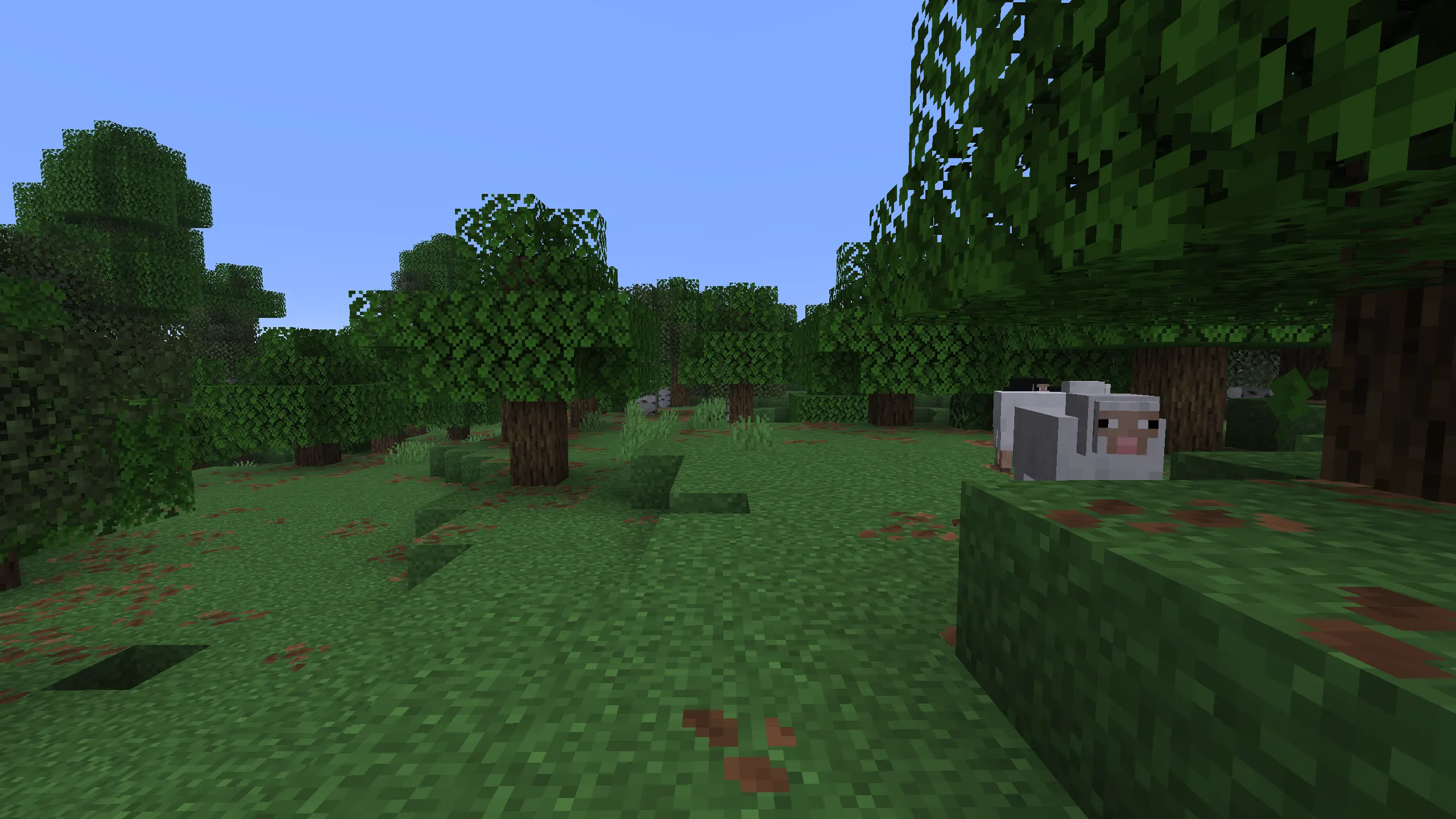
The first thing every player should do is look around and identify nearby resources.
Trees are the most important resource during the first minutes of gameplay. Wood is used to craft tools, build shelter, and create crafting tables.
Punching a tree with your hand will break the log blocks. Once collected, logs can be turned into wooden planks inside the crafting interface.
Wooden planks allow you to craft your first essential item: the crafting table.
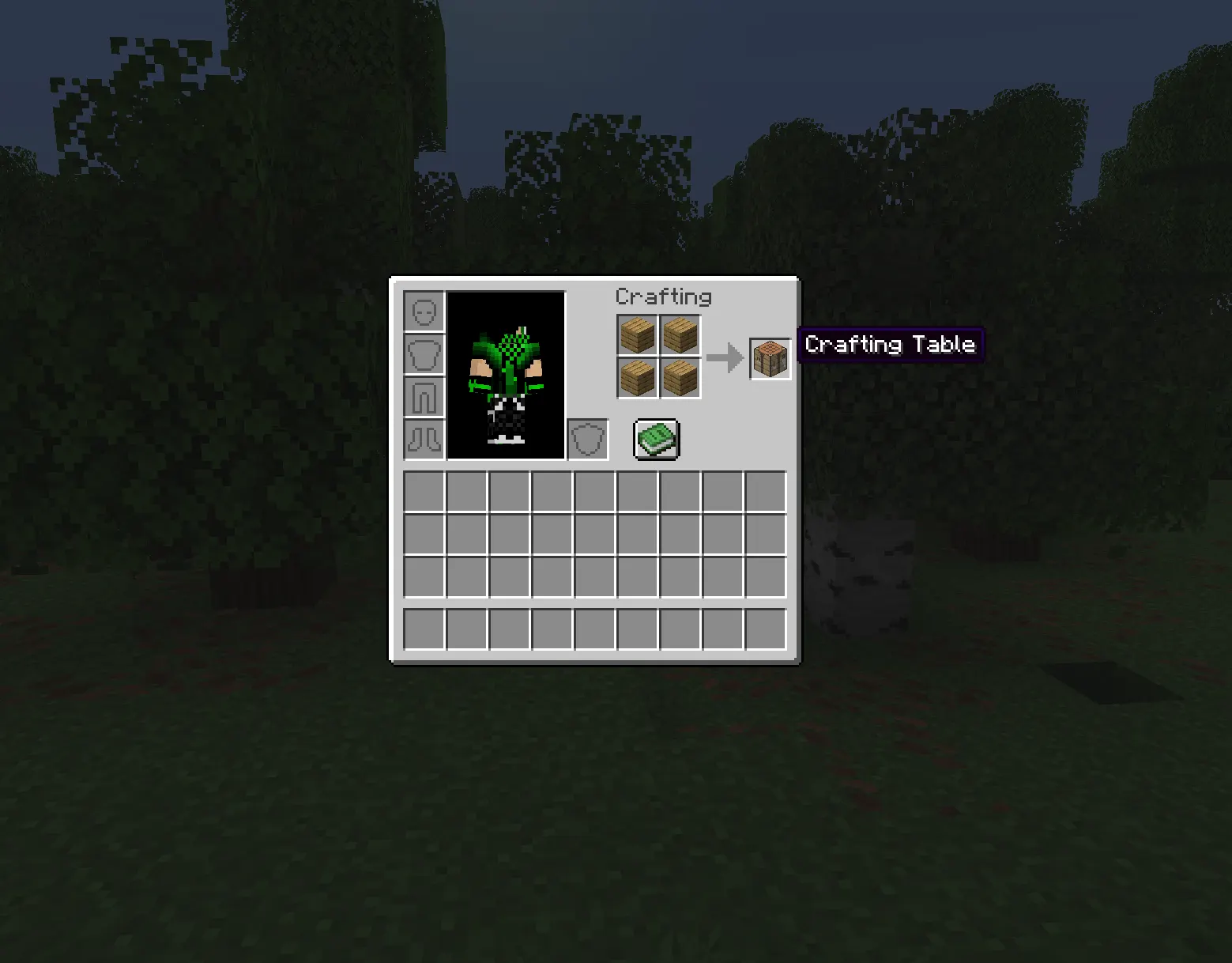
The crafting table expands your crafting grid and unlocks dozens of recipes, including tools, weapons, and building materials.
Without a crafting table, progression in Minecraft is extremely limited.
Crafting Your First Tools
Once you have created a crafting table, you can begin Crafting Early Tools.
The first tools most players create are wooden tools, which include a pickaxe, axe, and shovel.
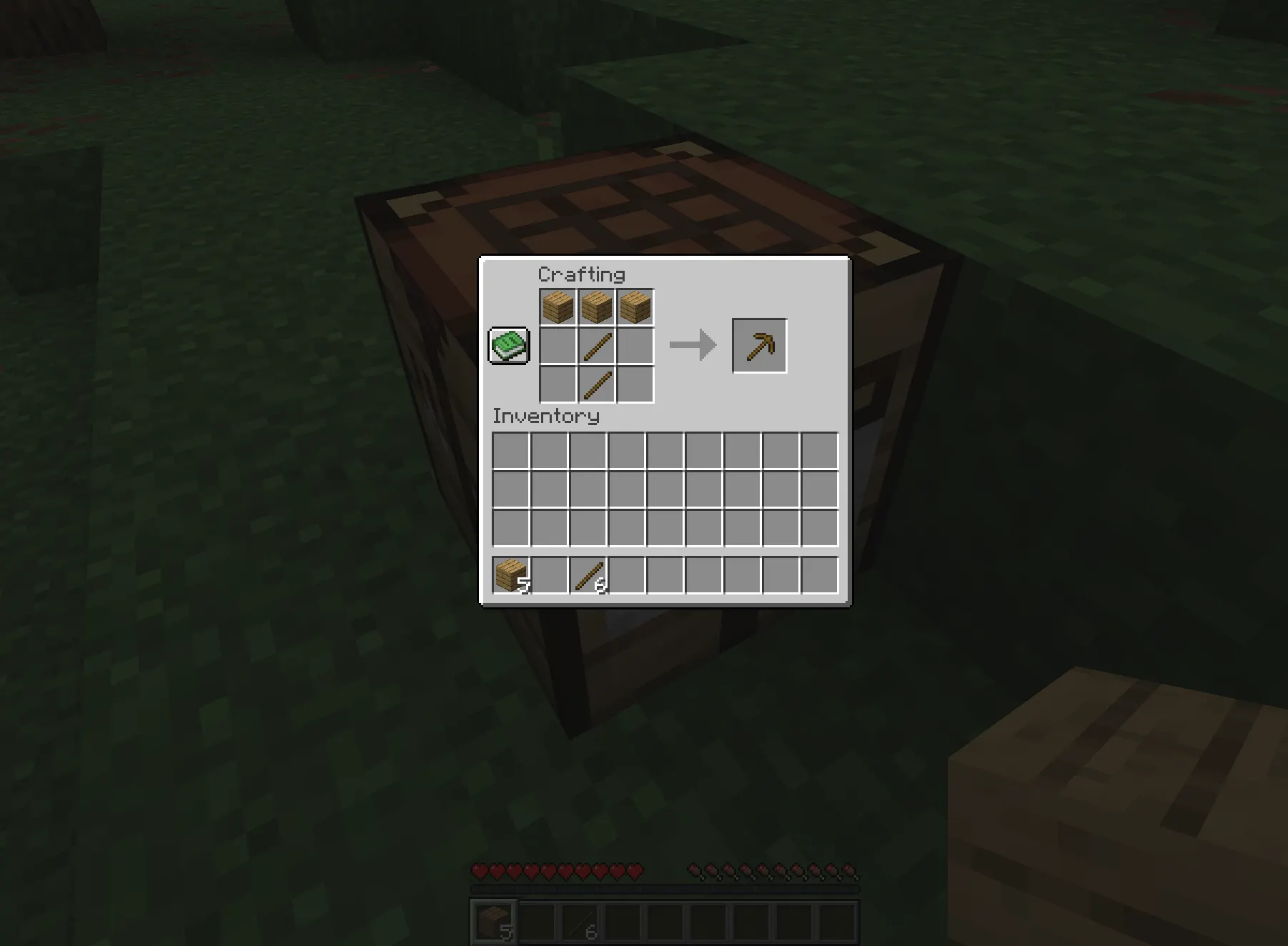
The wooden pickaxe is especially important because it allows you to mine stone blocks. Stone tools are significantly stronger and more durable than wooden ones.
After mining a few stone blocks, you can craft stone tools, which will last longer and mine resources faster.
Upgrading tools early saves time and helps you gather materials more efficiently as the game progresses.
Preparing for the First Night
The first night in Minecraft often catches beginners off guard. As the sun begins to set, Hostile mobs start appearing in dark areas across the world.
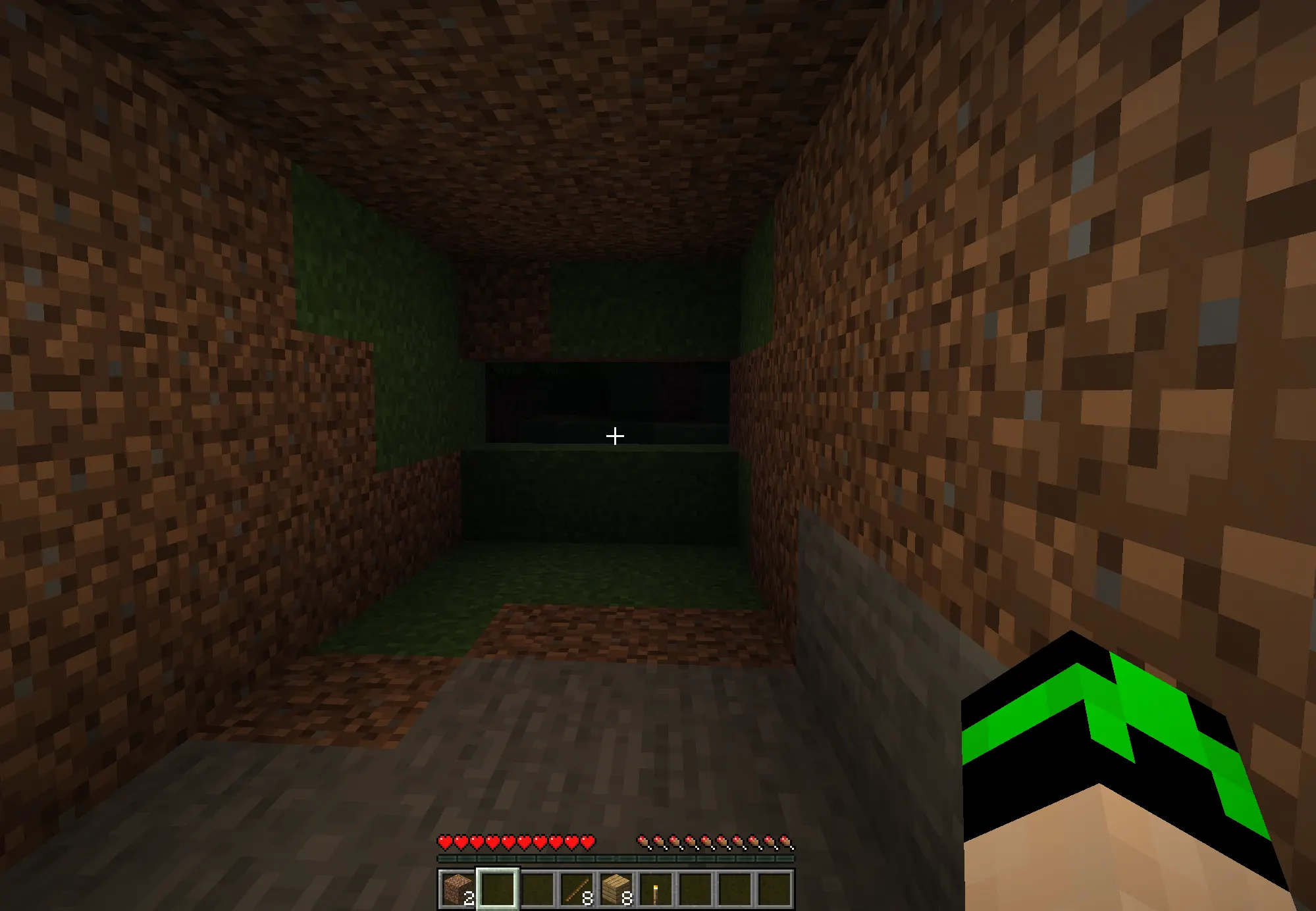
If you are outside without protection, these enemies can quickly overwhelm you.
Before night arrives, players should focus on three important tasks:
-
Gathering enough wood and stone for tools
-
Creating torches for light
-
Building a basic shelter
A simple wooden hut or even a small dirt structure is enough to stay safe during the first night. The goal is not to build something impressive but to create a protected space where mobs cannot reach you.
Lighting the interior with torches prevents enemies from spawning nearby.
Once you have shelter and light, you can safely wait for morning.
Exploring the Minecraft World
After surviving the first night, the world opens up for exploration.
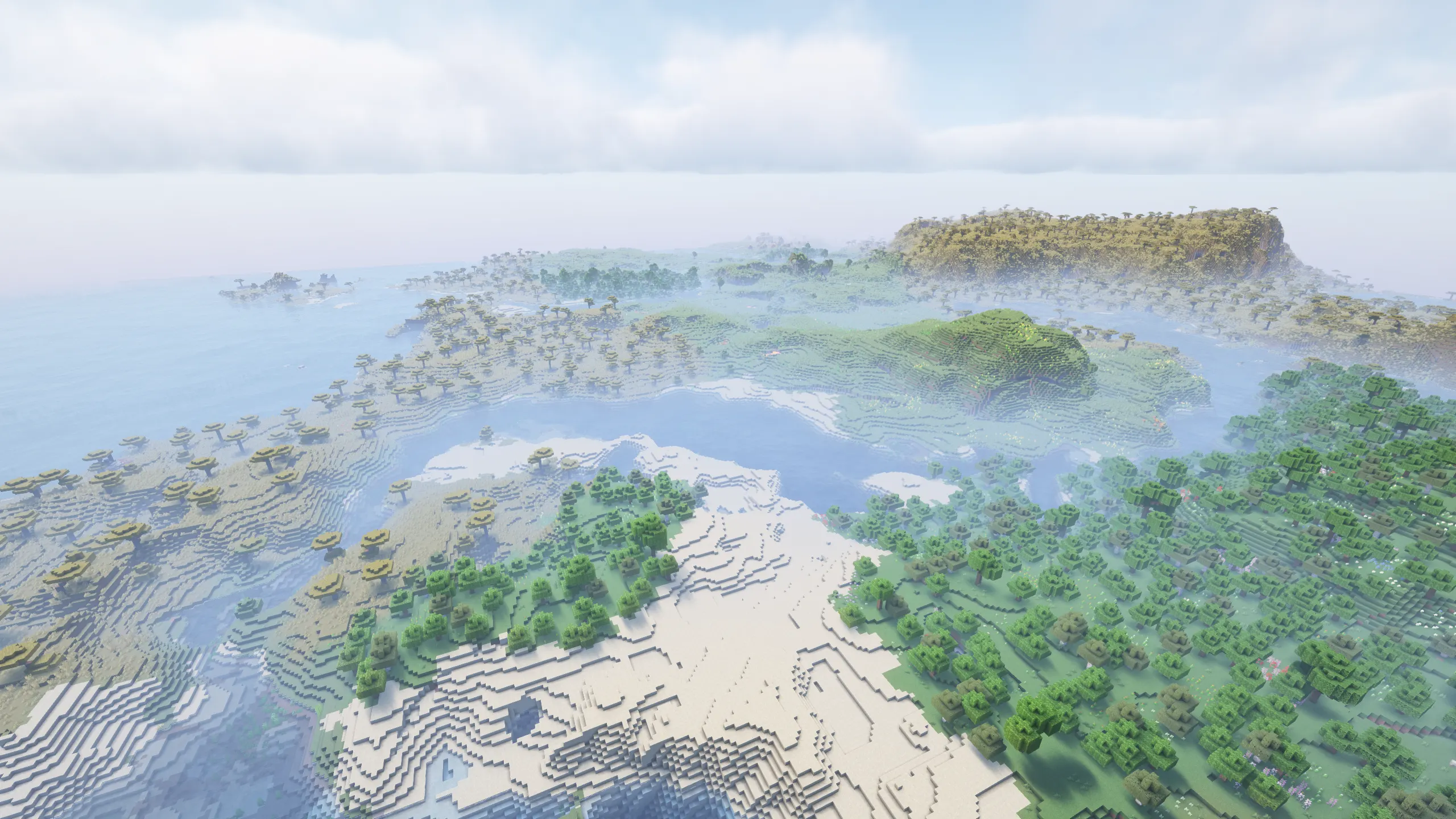
Minecraft contains many different biomes, each with unique terrain, resources, and animals. Forests provide large amounts of wood, plains offer open building areas, deserts contain temples and villages, and mountains hide deep cave systems.
As you explore, you may encounter structures generated naturally in the world.
These include:
-
Villages
-
Shipwrecks
-
Ruined portals
-
Jungle temples
Each structure often contains valuable loot that can accelerate early progression.
Exploration is one of the most exciting parts of Minecraft because every world generates differently. No two adventures feel exactly the same. There are many best Biomes to start Survival.
Crafting, Smelting, and Progression
Crafting remains the central mechanic of Minecraft as you progress.
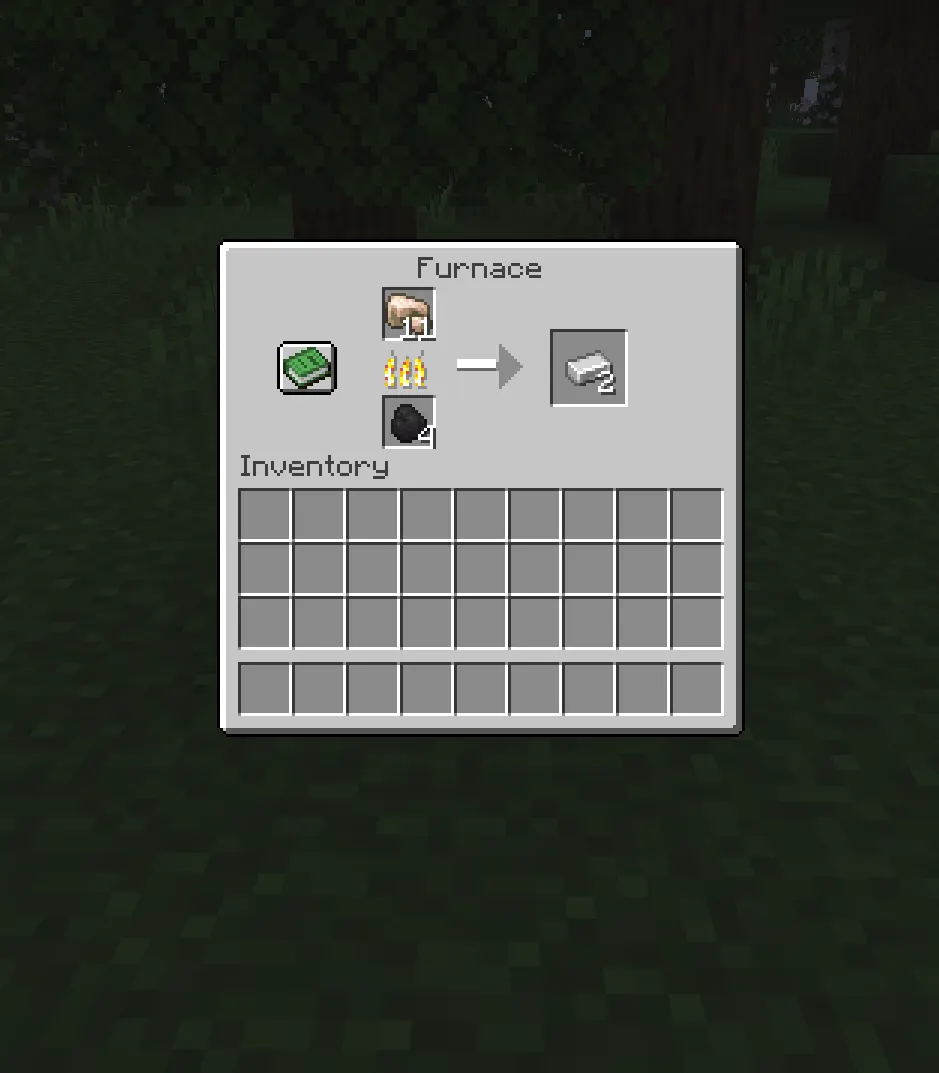
Using resources gathered from the environment, players can create tools, weapons, armor, and building blocks. As new materials are discovered, more advanced recipes become available.
The furnace is another essential block that allows players to smelt raw materials.
For example, iron ore can be smelted into iron ingots, which are then used to craft stronger tools and armor. Cooking food in a furnace also restores more hunger than eating it raw.
Upgrading equipment gradually improves your ability to explore deeper caves and survive stronger enemies.
Building Your First Base
Eventually, most players build a permanent base where they store resources, organize equipment, and expand their structures.
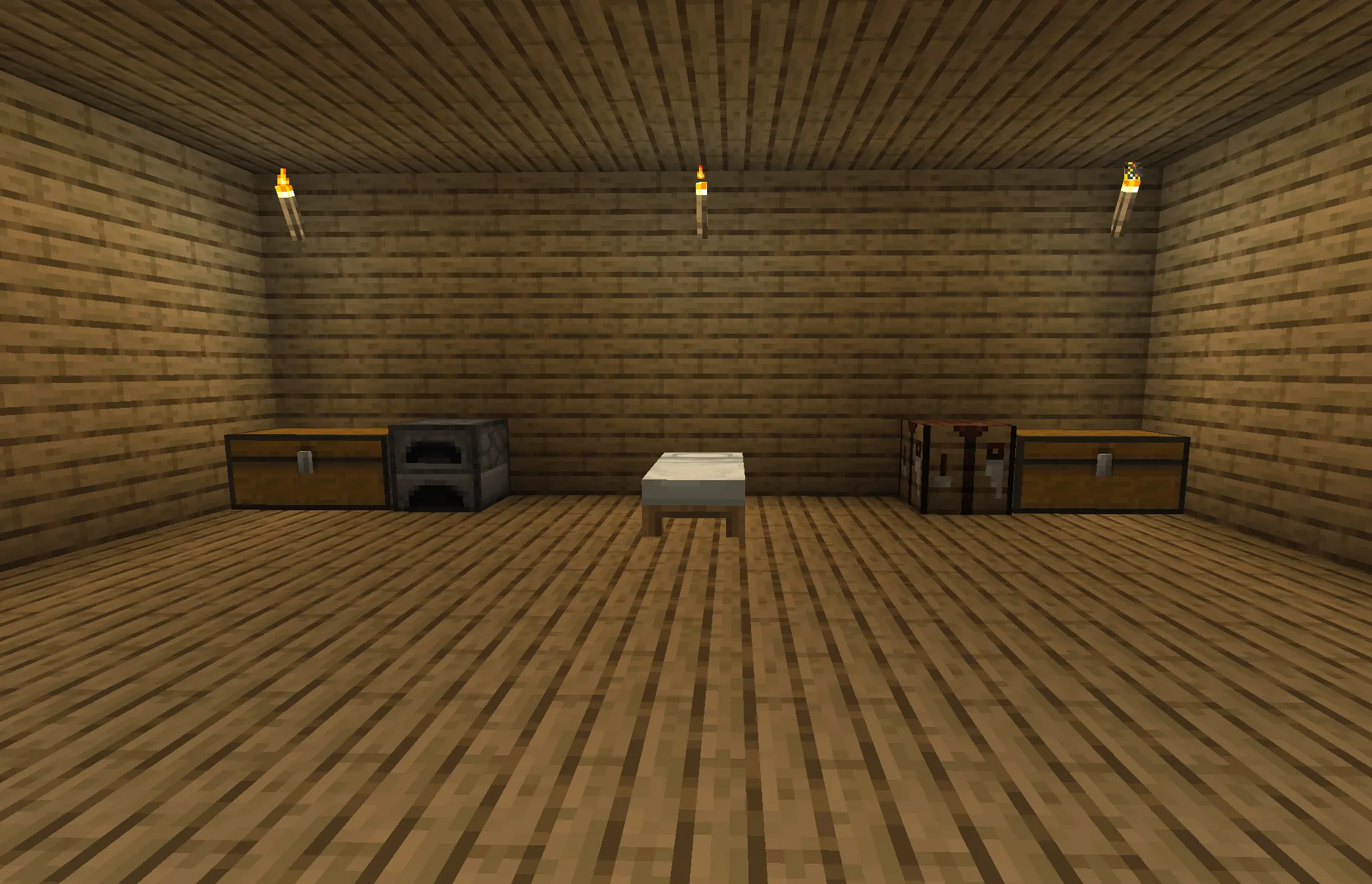
A base can begin as a simple house but often grows over time into a large complex that includes farms, storage rooms, enchanting areas, and automated systems.
Choosing a safe location for your base is important. Areas with flat terrain and nearby resources make building easier and reduce the risk of hostile mobs spawning nearby.
Building in Minecraft is limited only by imagination. Players create everything from small cottages to massive castles and entire cities.
Playing Minecraft with Friends
Minecraft becomes even more enjoyable when played with others.
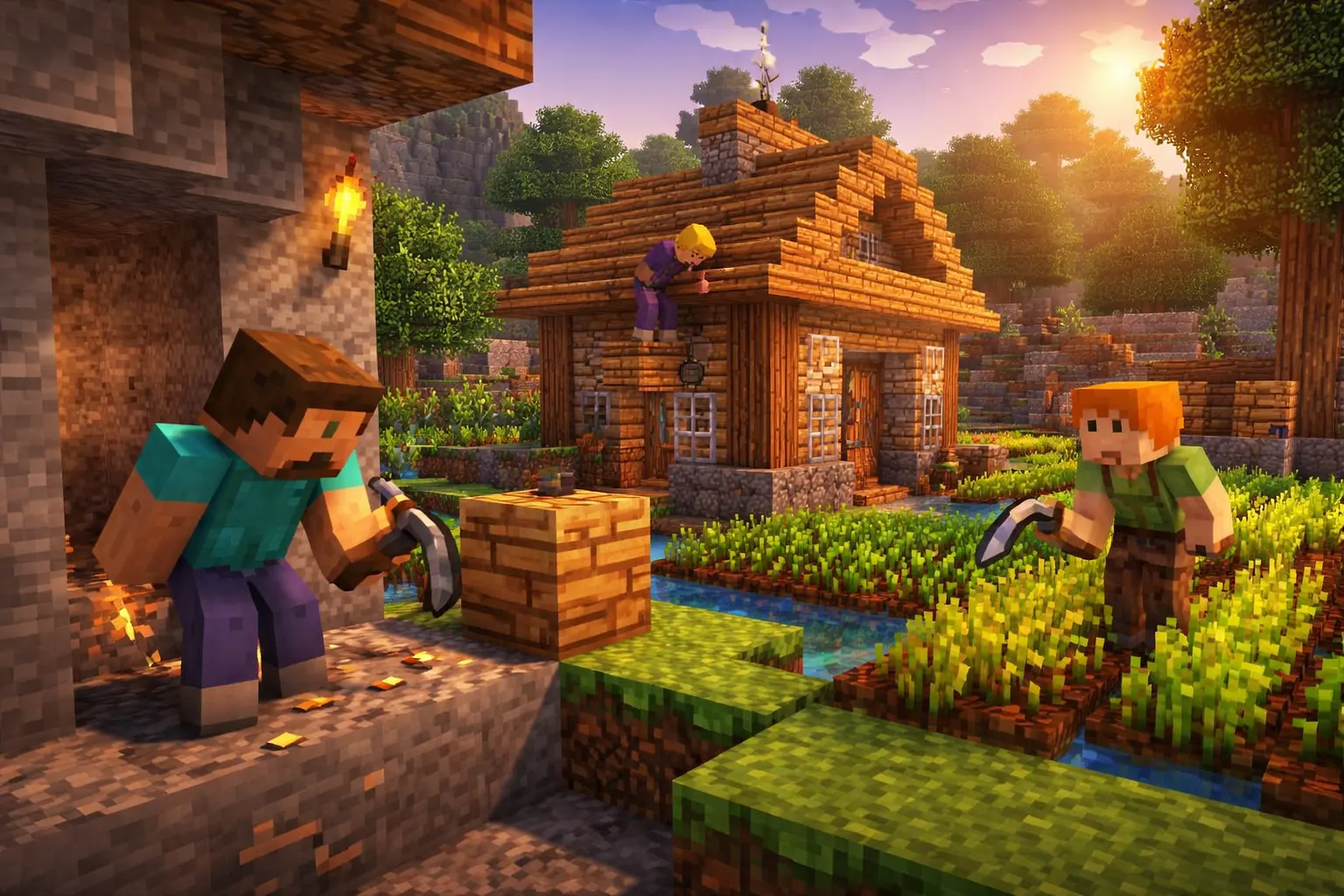
The game supports multiplayer through several systems, including LAN worlds, online servers, and Minecraft Realms. These options allow friends to explore the same world together, build collaborative projects, or compete in custom minigames.
Public servers often contain entire communities with unique gameplay modes such as survival economies, parkour challenges, or large-scale adventures.
For many players, multiplayer adds a social element that keeps the game interesting for years.
Tips That Help New Players Survive
Learning how to play Minecraft becomes much easier when beginners follow a few simple strategies.
First, always gather resources before exploring too far. Running out of tools or food while far from your base can create unnecessary risks.
Second, carry torches whenever exploring caves. Darkness allows hostile mobs to spawn, and lighting areas makes exploration much safer.
Third, avoid digging straight down while mining. Falling into lava or deep caves is one of the most common Beginner Mistakes.
Finally, keep extra tools and food in your inventory when traveling long distances to Avoid dying early in Minecraft.
Small preparation steps make a huge difference in survival.
GAMQO Tip
Always collect at least 16 logs before sunset on your first day. This guarantees enough materials for tools, a crafting table, and a small shelter. Many beginner mistakes happen because players underestimate how much wood they need early in the game.
Why Minecraft Remains Popular
Minecraft’s popularity comes from the freedom it offers. There are no strict objectives forcing players down a specific path.
Some players focus on building incredible structures, while others explore vast cave systems, automate farms with Redstone machines, or search for rare biomes across the world.
Because the game supports creativity, survival, and exploration at the same time, it continues to attract both new and experienced players.
Every world tells its own story depending on how the player chooses to interact with it.
Conclusion
Learning how to play Minecraft is less about memorizing rules and more about understanding the basic survival mechanics that guide early gameplay.
Once you know how to gather resources, craft tools, build shelter, and explore safely, the rest of the game naturally unfolds. From your first wooden tools to large-scale building projects and deep cave exploration, every stage of Minecraft introduces new opportunities to experiment and create.
For beginners, the most important step is simply starting the adventure. The more you play, the more the systems begin to make sense, and the world becomes easier to navigate.
With the knowledge from this guide, you now have a strong foundation to begin exploring your Minecraft world and shaping it however you imagine.