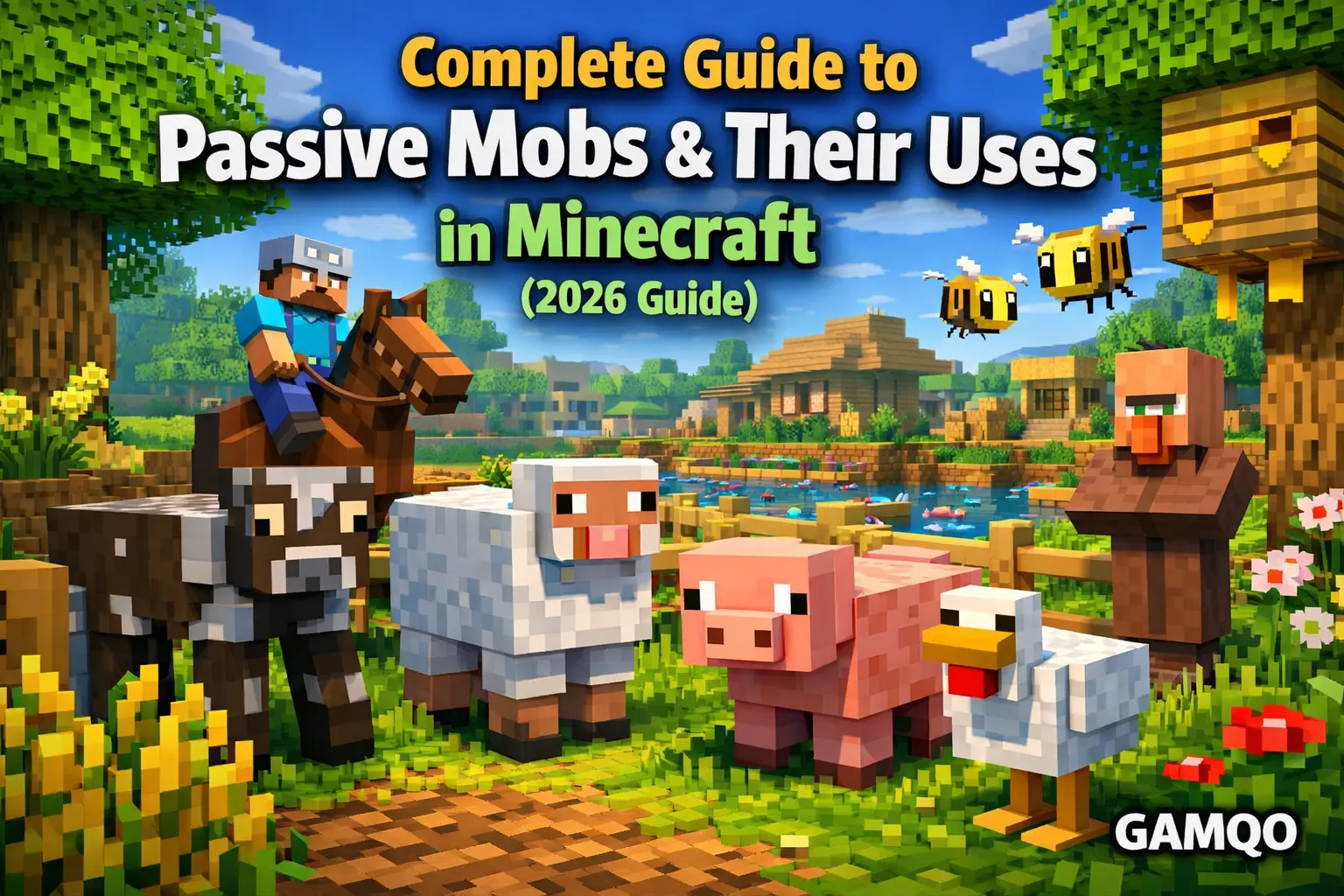
Passive mobs are one of the most important parts of survival gameplay in Minecraft. These peaceful creatures never attack players, making them safe to interact with and ideal for farming, resource gathering, and building sustainable systems.
Unlike hostile mobs that create danger, passive mobs support progression. They provide essential materials such as Food, wool, leather, honey, and even transportation. For beginners and experienced players alike, understanding passive mobs can significantly improve survival efficiency.
In this guide, you’ll learn what passive mobs are, why they matter, and how to use them effectively to build farms, gather resources, and progress faster in Minecraft.
What Are Passive Mobs in Minecraft?
Passive mobs are creatures that never attack the player, even when provoked. Their primary purpose is to provide resources and gameplay utility rather than combat challenges.
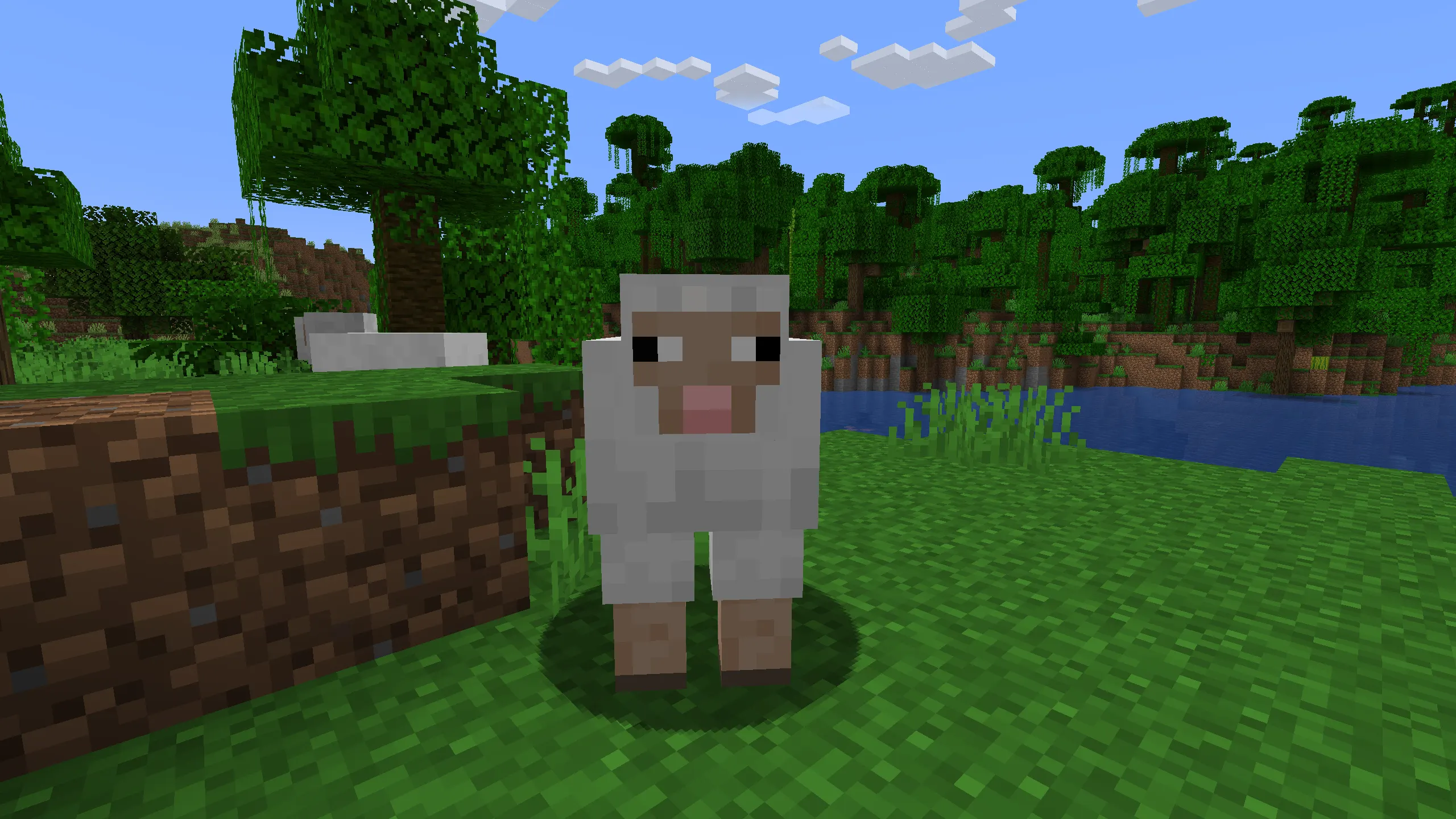
These mobs naturally spawn across Different biomes, including Plains, Forests, oceans, and beaches. Each type of passive mob offers unique benefits depending on its behavior and drops.
Key Characteristics of Passive Mobs
-
Completely non-aggressive behavior
-
Provide useful resources
-
Can be bred for farming
-
Easy to manage in enclosed areas
-
Spawn in specific environments or biomes
Because of these traits, passive mobs are the foundation of most Survival strategies.
Why Passive Mobs Are Essential for Survival
Passive mobs are not just optional—they are critical for long-term survival. Without them, players would struggle to maintain food supplies, craft important items, or progress efficiently.
1. Reliable Food Sources
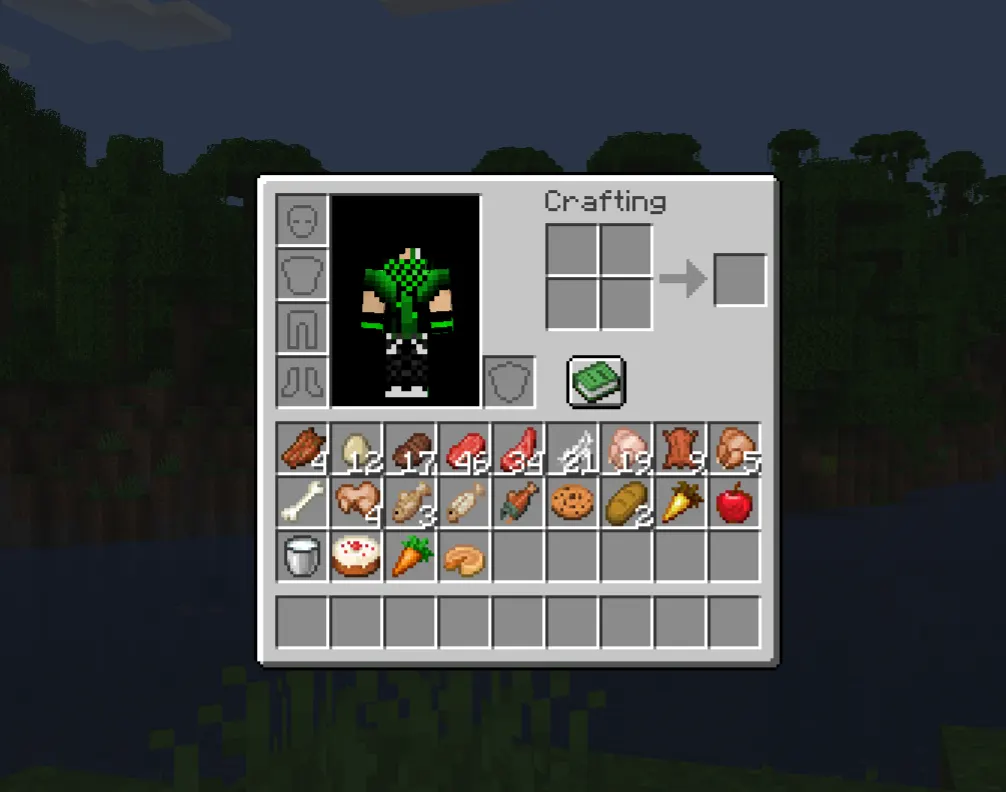
Food is one of the most important survival needs. Passive mobs provide some of the best food items in the game.
-
Cows → Beef
-
Chickens → Chicken
-
Pigs → Pork chops
-
Fish → Easy early-game food
Cooked versions of these foods restore more hunger, making them ideal for long mining or exploration trips.
2. Crafting Materials
Many passive mobs drop items required for crafting essential tools and blocks.
-
Leather (books, armor, item frames)
-
Wool (beds, banners, decoration)
-
Feathers (arrows)
-
Honey (food and crafting)
-
Scutes (rare armor item)
Without these materials, progression—especially enchanting—becomes much slower.
3. Renewable Farming Systems
Most passive mobs can be bred, which allows players to create renewable farms.
Instead of constantly exploring for resources, players can produce them at their base. This reduces risk and saves time.
4. Transportation and Utility
Some passive mobs offer movement and utility advantages:
-
Horses → Fast travel
-
Donkeys → Carry items with chests
-
Villagers → Trading system
These features become more valuable as your world expands.
List of Important Passive Mobs in Minecraft
Here are the most useful passive mobs every player should know:
-
Sheep
-
Cow
-
Chicken
-
Pig
-
Horse
-
Donkey
-
Bee
-
Villager
-
Fish
-
Turtle
Each mob plays a different role in survival, from food production to advanced trading systems.
Sheep – Wool for Crafting and Automation
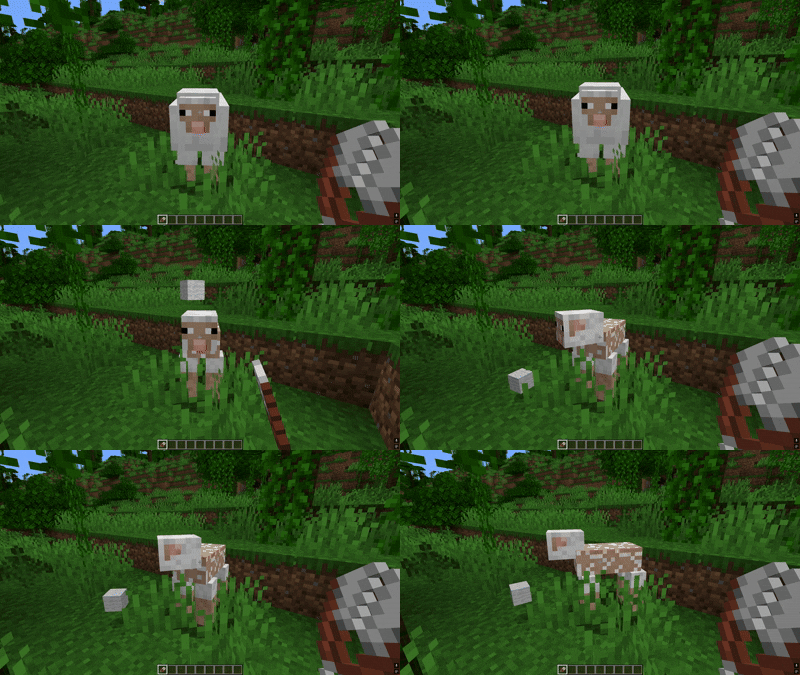
Sheep are often the first useful mob players encounter. Their main resource is wool, which has many practical uses.
Uses of Wool
-
Crafting beds (essential for setting spawn points)
-
Creating banners
-
Redstone contraptions
Players can shear sheep instead of killing them, allowing wool to regrow when the sheep eats grass. This makes sheep highly efficient for long-term farming.
Breeding Sheep
-
Food: Wheat
-
Easy to farm in enclosed areas
-
Can be used in automatic wool farms
Cows – The Most Valuable Early-Game Mob
Cows are one of the best passive mobs for beginners due to their multiple resource drops.
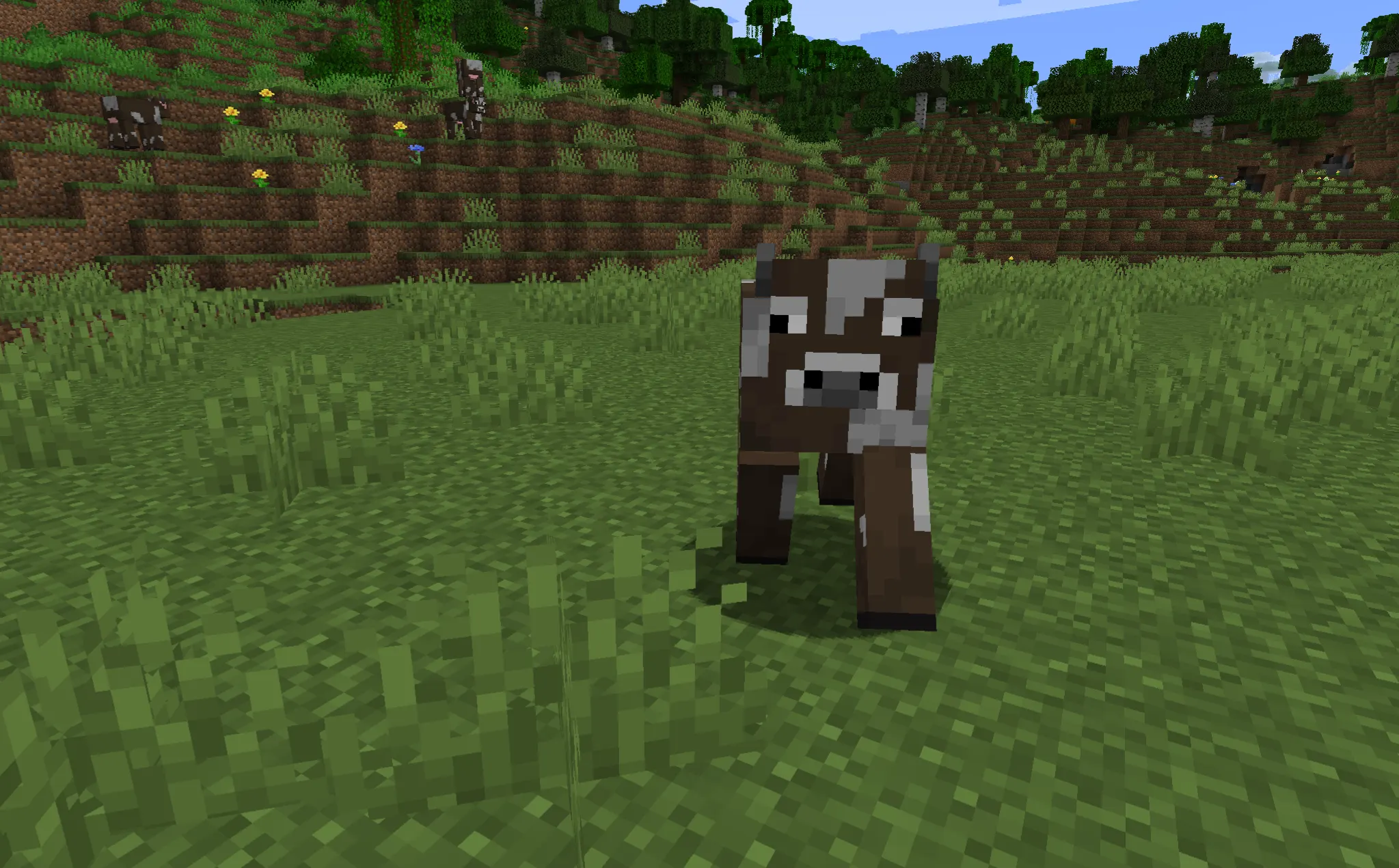
Cow Resources
-
Raw beef → Cooked beef (high hunger restoration)
-
Leather → Books, armor, item frames
-
Milk → Removes potion effects
Leather is especially important for crafting bookshelves used in enchanting setups.
Breeding Cows
-
Food: Wheat
-
Ideal for early survival farms
-
Best combination of food + crafting materials
Chickens – Easy Farming and Automation
Chickens are small but extremely efficient.
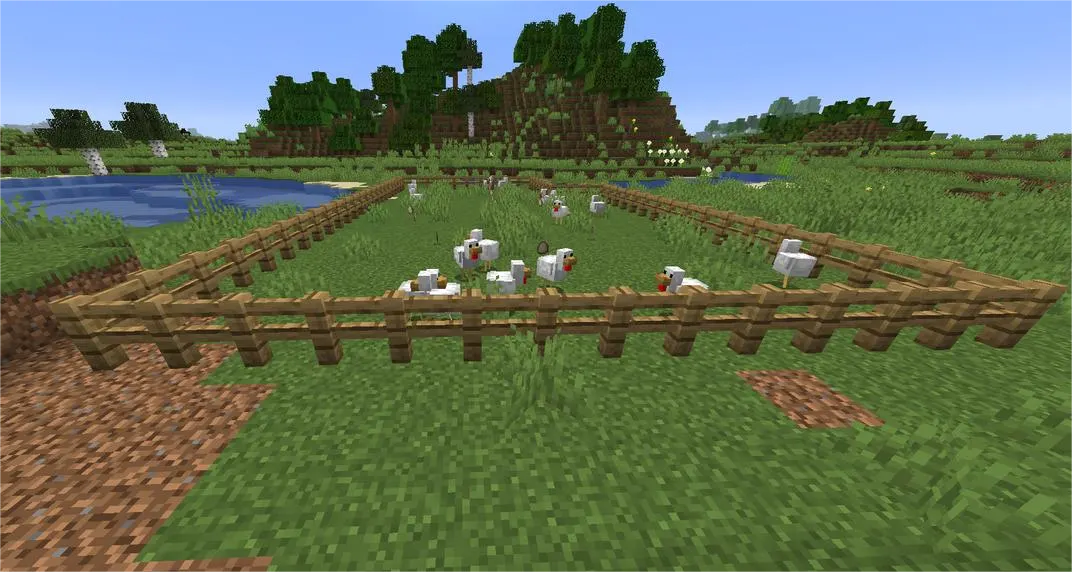
Chicken Drops
-
Raw chicken
-
Feathers (used for arrows)
-
Eggs (used for breeding and farming systems)
Chickens lay eggs automatically, making them perfect for automated farms.
Breeding Chickens
-
Food: Seeds
-
Very beginner-friendly
-
Require minimal space
Pigs – Simple and Effective Food Source
Pigs are a straightforward food source and easy to manage.
Pig Benefits
-
High-quality food (pork chops)
-
Simple breeding system
-
No complex mechanics
Breeding Pigs
-
Food: Carrots, potatoes, or beetroots
While pigs are useful, many players prefer cows due to the added leather drops.
Horses and Donkeys – Exploration Made Easy
Traveling long distances on foot can be slow. Horses and donkeys solve this problem.
Horse Benefits
-
High movement speed
-
Jumping ability
-
Great for exploration
Donkey Benefits
-
Can carry chests
-
Useful for transporting items
Taming horses requires patience, but the reward is faster exploration and better mobility.
Villagers – The Core of Minecraft Economy
Villagers are among the most powerful passive mobs in the game.

They allow players to trade items for valuable rewards such as:
-
Emeralds
-
Enchanted books
-
Diamond gear
-
Food and crops
Advanced players build trading halls to maximize villager efficiency. This system can replace mining and grinding entirely.
Bees – Honey Production and Crop Growth
Bees provide unique farming benefits.
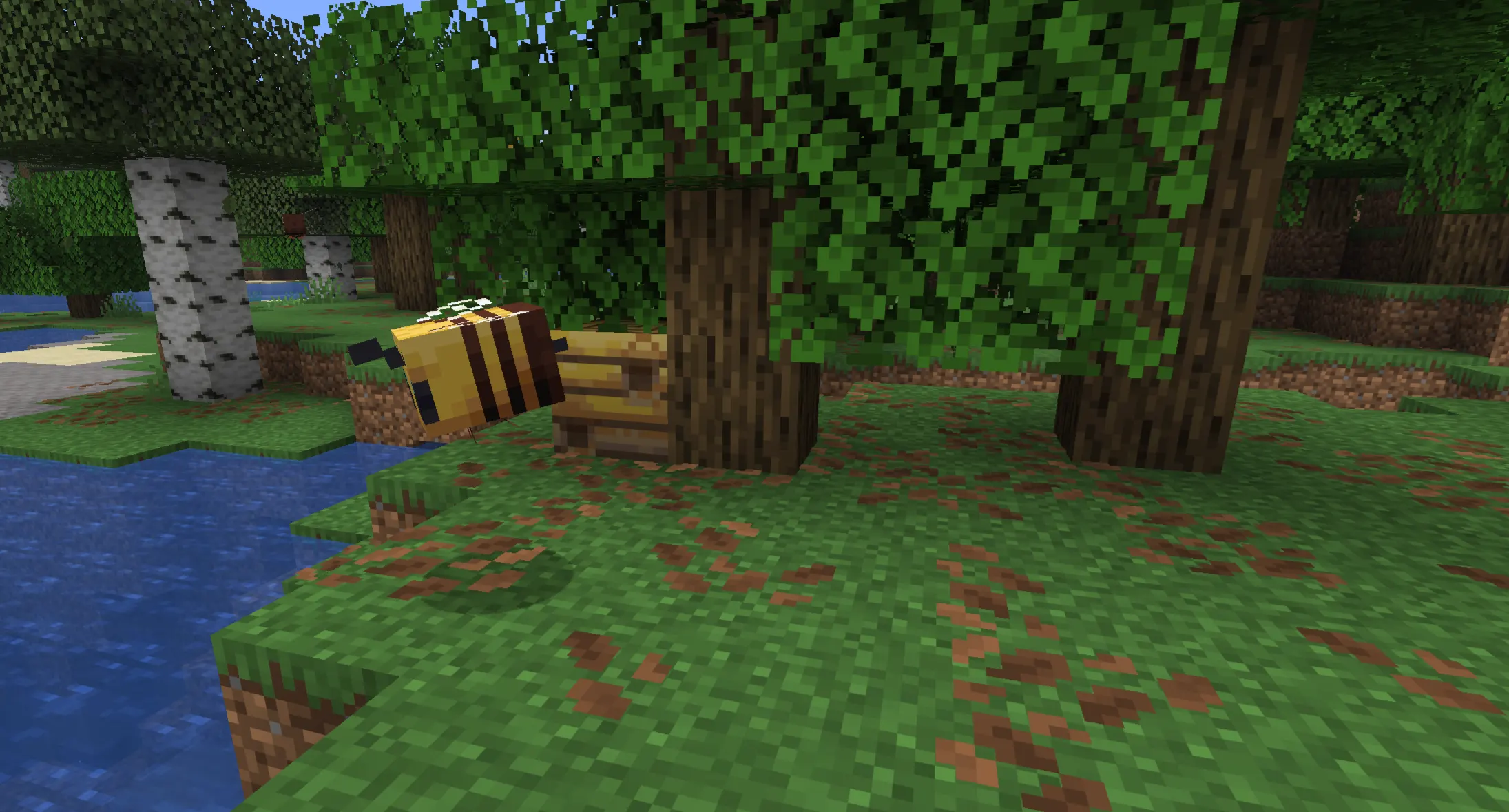
Bee Resources
-
Honey bottles
-
Honeycomb
Honey is used as food, while honeycomb is used for crafting beehives and decorative blocks.
Bees also pollinate crops, increasing farm efficiency and growth speed.
Fish – Early-Game Food Solution
Fish are one of the easiest food sources for beginners.
Common Types
-
Cod
-
Salmon
-
Tropical fish
-
Pufferfish
Fishing is a safe way to gather food before building farms.
Turtles – Rare but Useful Resource
Turtles are found on beaches and provide a unique item called scutes.
Turtle Benefits
-
Craft Turtle Shell Helmet
-
Grants underwater breathing
Turtle farming takes time but is valuable for ocean exploration.
How to Breed Passive Mobs
Breeding is essential for building sustainable farms.
Steps to Breed Animals
-
Find two animals of the same type
-
Hold their preferred food
-
Feed both animals
-
Hearts appear
-
A baby animal spawns
Baby animals grow into adults over time and can be bred again later.
GAMQO Tip:
Instead of keeping only two animals, maintain 3–5 animals per farm. This allows faster breeding cycles and helps you scale your farm much more efficiently in Survival mode.
How to Build a Simple Animal Farm
Creating an animal farm is one of the first major goals in survival.
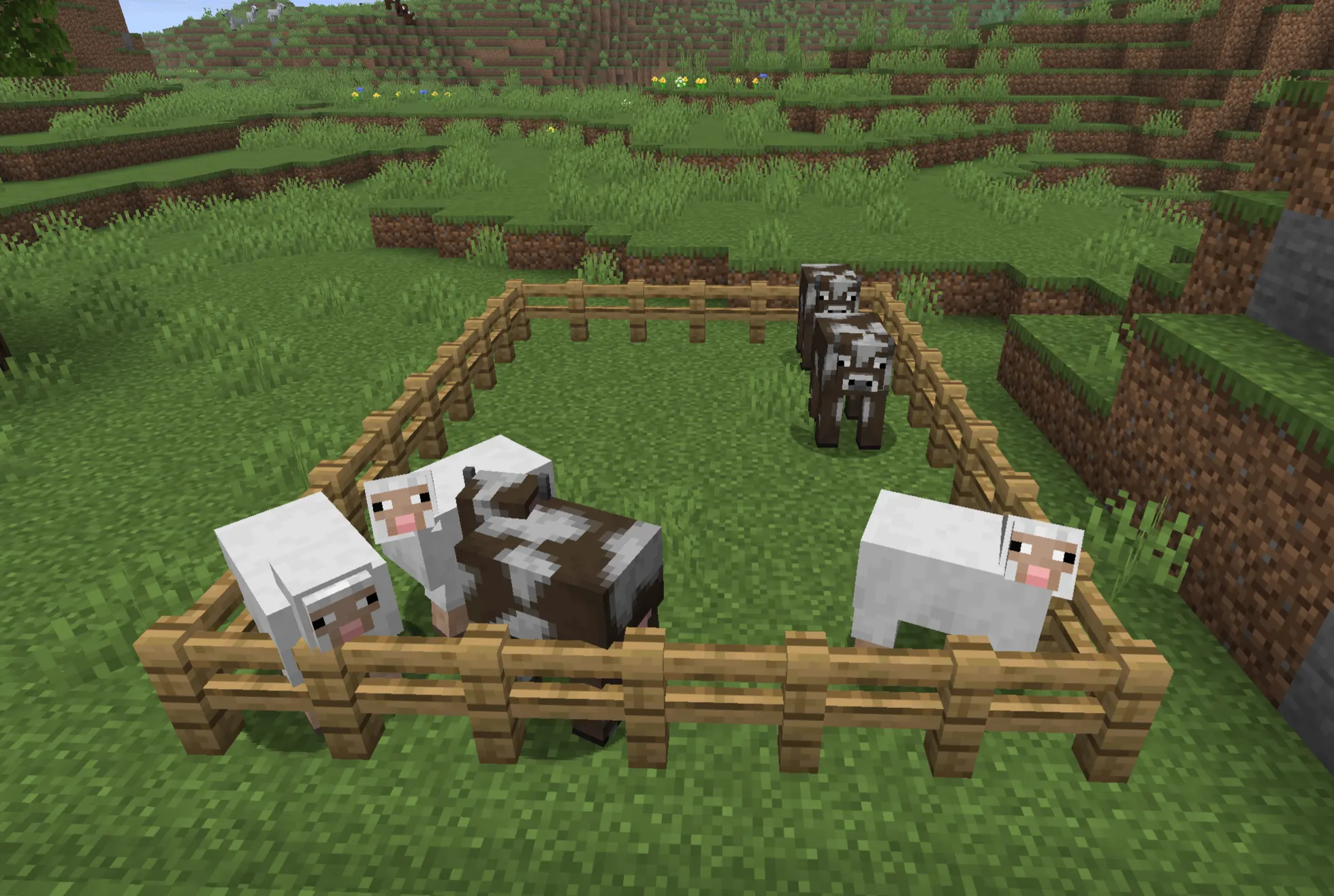
Step 1 – Build a Fence
Use fences or walls to keep animals contained.
Step 2 – Bring Animals
Hold food to attract animals into the enclosure.
Step 3 – Start Breeding
Feed animals to increase the population.
Step 4 – Collect Resources
-
Shear sheep
-
Collect eggs
-
Harvest food
Over time, your farm becomes a renewable resource system.
Tips for Managing Passive Mob Farms
Efficient farms save time and improve gameplay.
Keep Farms Near Your Base
Reduces travel time and improves efficiency.
Use Proper Lighting
use proper Lighting in your base. It prevents hostile mobs from spawning nearby.
Separate Animal Types
Makes management easier and avoids confusion.
Avoid Overcrowding
Too many mobs can cause lag and reduce performance.
Upgrade to Automatic Farms
Use redstone systems for advanced automation later in the game.
Advanced Strategy: Passive Mob Optimization
Once you progress further, you can optimize passive mob usage:
-
Create auto chicken farms using dispensers
-
Build villager trading halls for infinite resources
-
Design wool farms using observers and shears
-
Use bees to boost crop production
These systems turn basic farms into powerful resource generators.
Conclusion
Passive mobs are the backbone of survival in Minecraft. While hostile mobs bring challenge, passive mobs provide stability, resources, and long-term growth.
From cows and chickens to villagers and bees, each mob plays a specific role in helping players build efficient systems and progress faster.
By learning how to breed, farm, and manage passive mobs effectively, you can create a self-sustaining world that supports exploration, crafting, and advanced gameplay.