Introduction
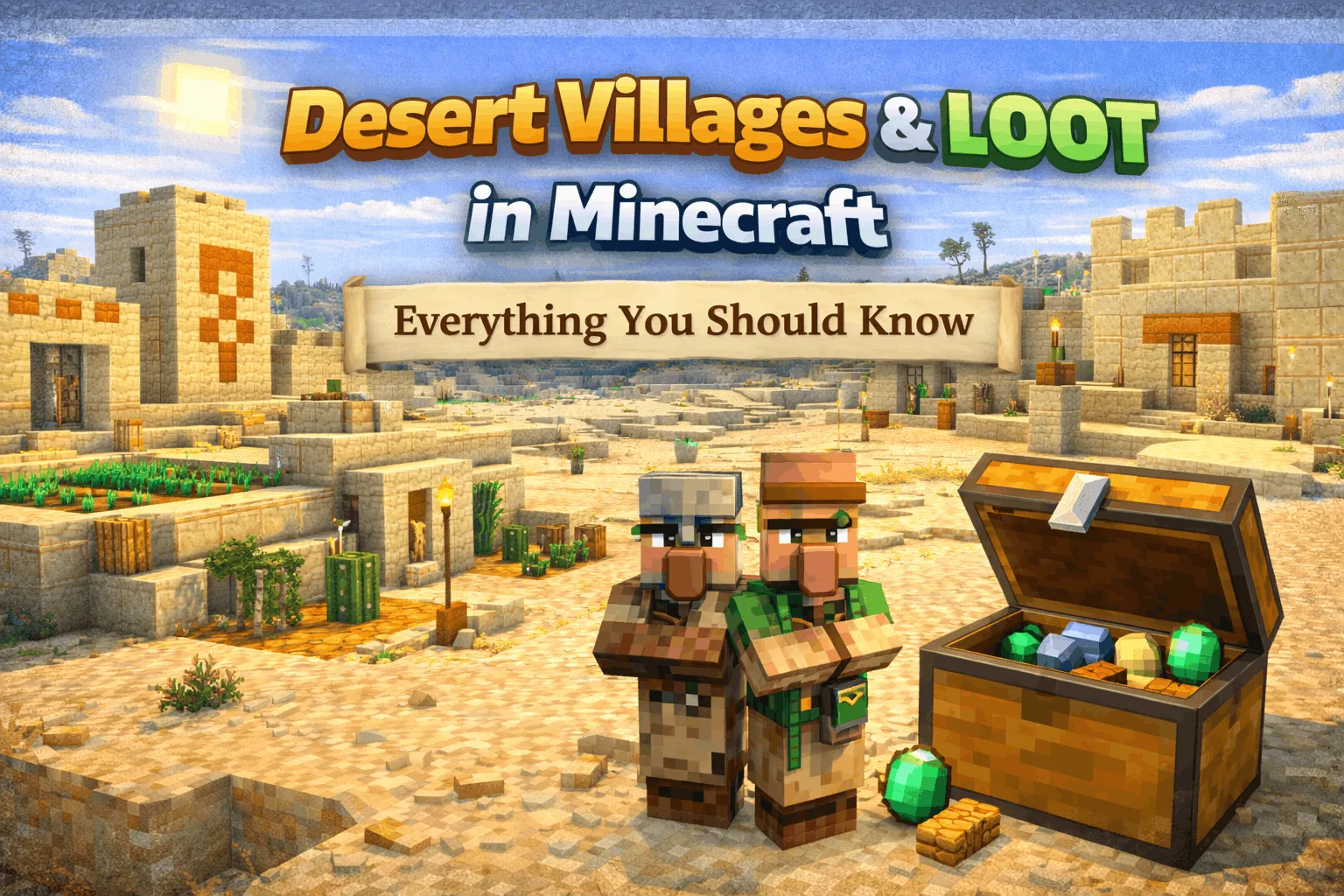
Desert villages are often the first sign of safety when exploring a harsh Minecraft World. While the Desert Biome looks empty and unforgiving, villages completely change how survivable it becomes. They provide shelter, food, water, and valuable loot that can carry you through the early game and beyond.
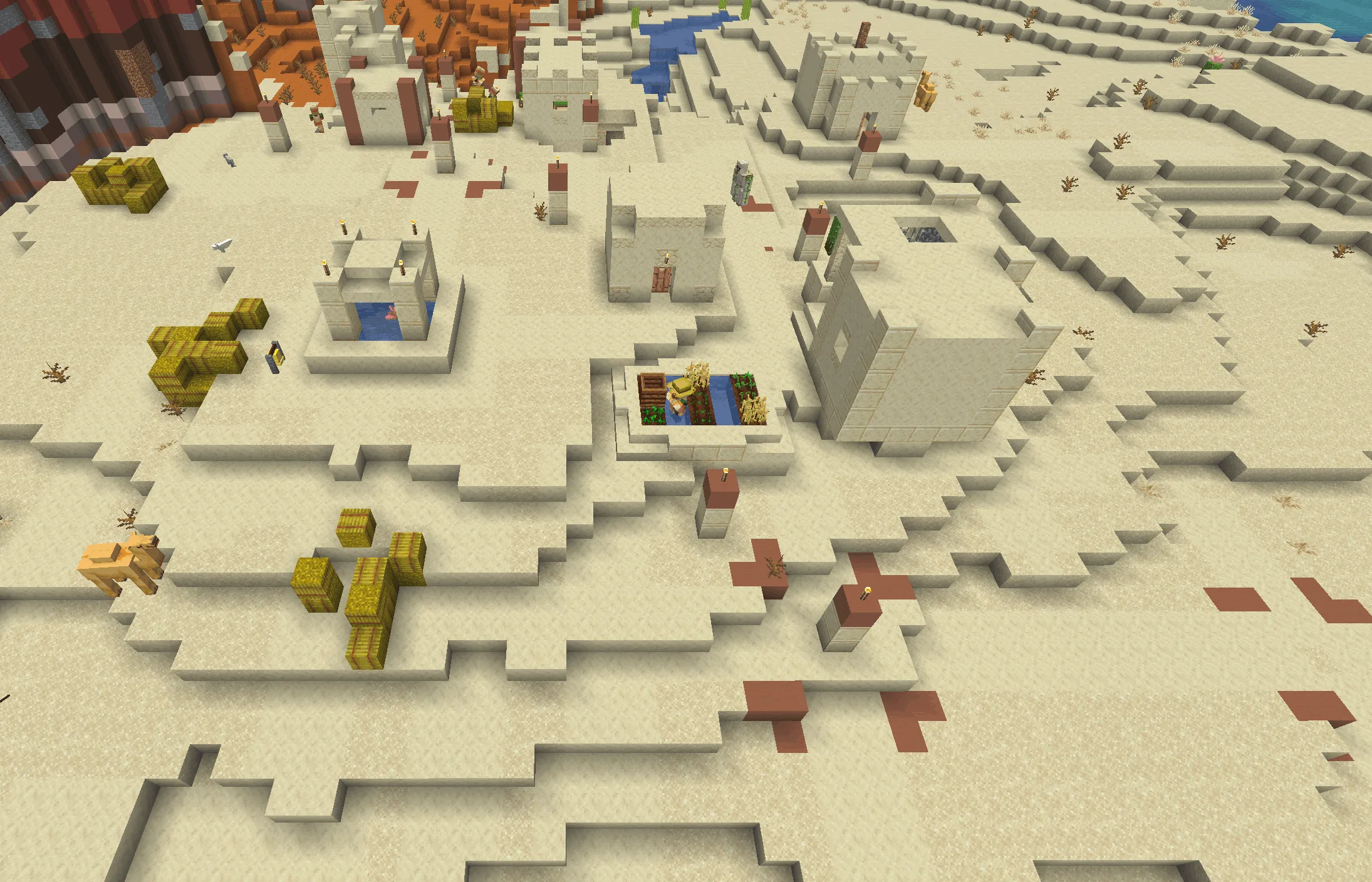
Unlike some structures that are risky to explore, desert villages are safe, useful, and easy to turn into long-term bases. In this guide, we’ll break down what desert villages offer, what loot you can find, and how to use them properly for survival.
Why Desert Villages Are So Important
The Desert biome lacks trees, animals, and natural food sources. That makes early survival difficult. Desert villages solve most of these problems instantly.
When you find a desert village, you gain access to buildings made from sandstone, natural lighting, villagers for trading, and most importantly, water wells. This makes desert villages one of the most valuable finds in the game.
For many players, a desert village becomes their first real base.
Types of Buildings in Desert Villages
Desert villages generate with a variety of buildings, each serving a purpose. Not every village will have every Building, but most include several useful structures.
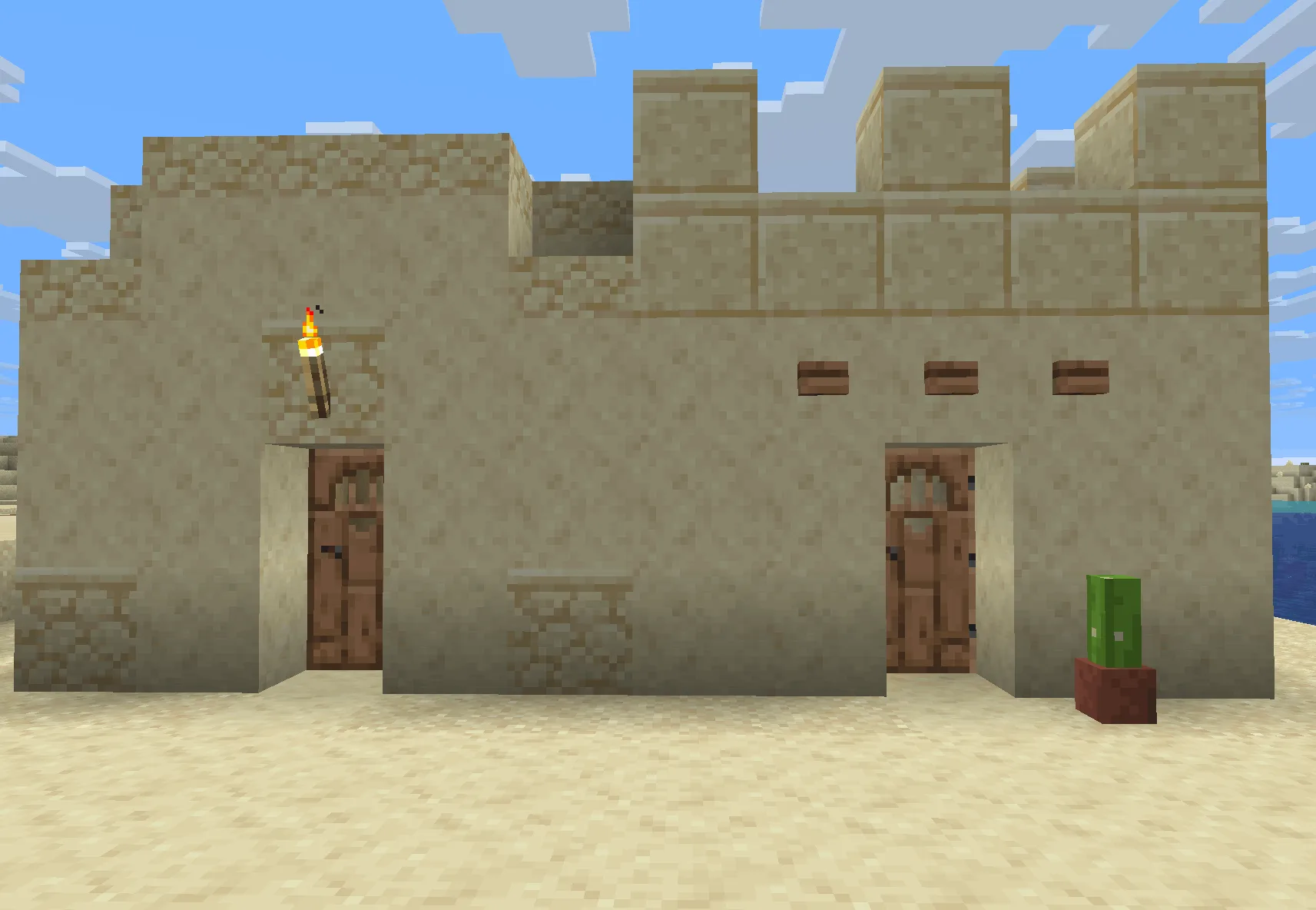
You can find houses for villagers, small farms, wells, and job-specific buildings like blacksmiths or libraries. Towers are also common and make great lookout points or early shelters.
Because everything is built with sandstone, desert villages are easy to expand and repair without needing wood early on.
Food You Can Find in Desert Villages
Food is one of the biggest struggles in Desert Survival, and villages help solve that problem.
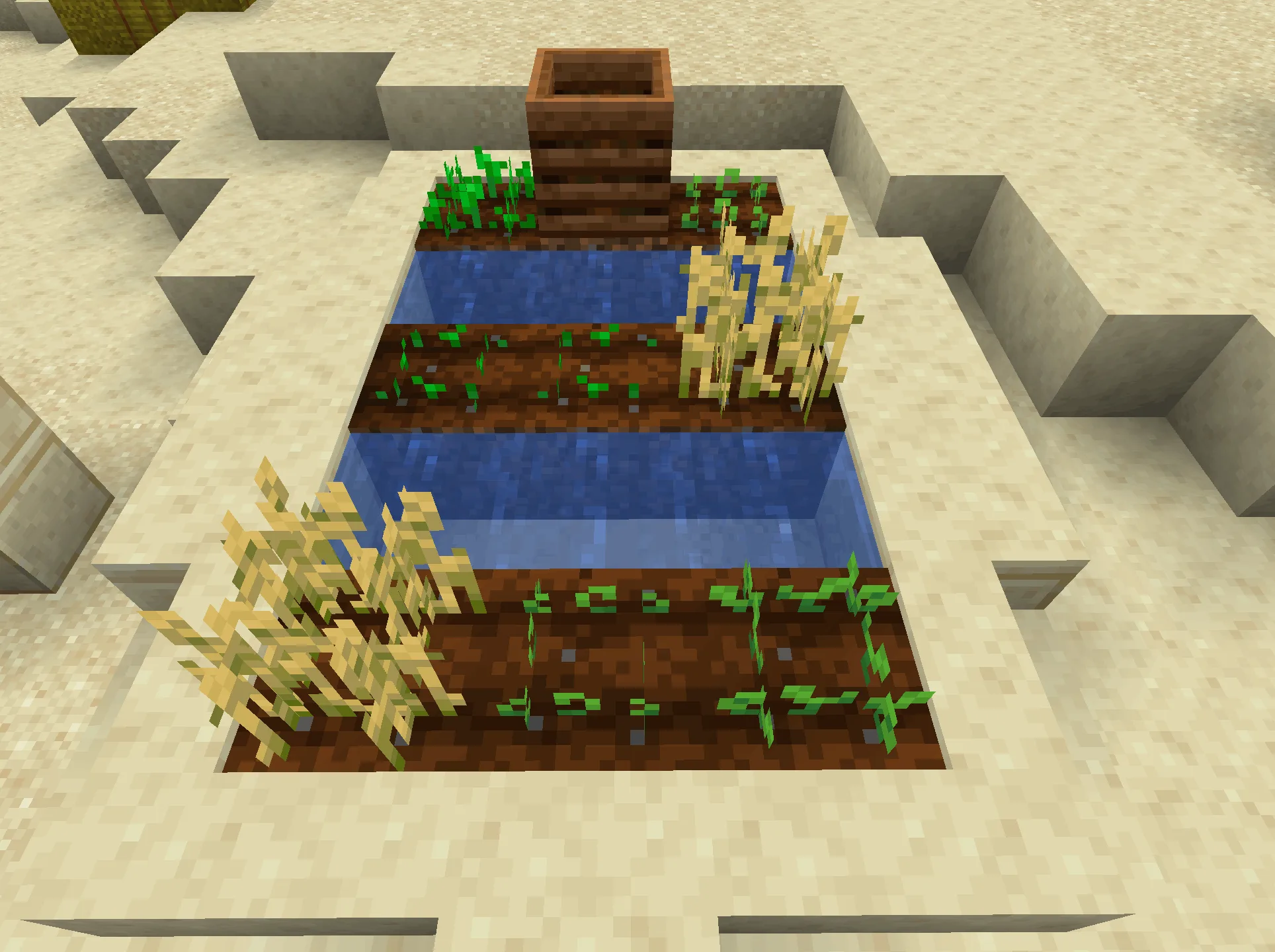
Most desert villages contain farms growing wheat, carrots, or potatoes. These crops can be harvested immediately and replanted for long-term food production. Some villages also have hay bales, which can be crafted into bread.
Villagers may also trade food items, making it easier to stay fed without hunting animals.
Desert Village Water Wells
One of the most important features of a desert village is the water well.
Desert biomes rarely generate rivers or lakes, but every desert village has a well with infinite water. This single structure makes farming, brewing, and long-term survival possible.
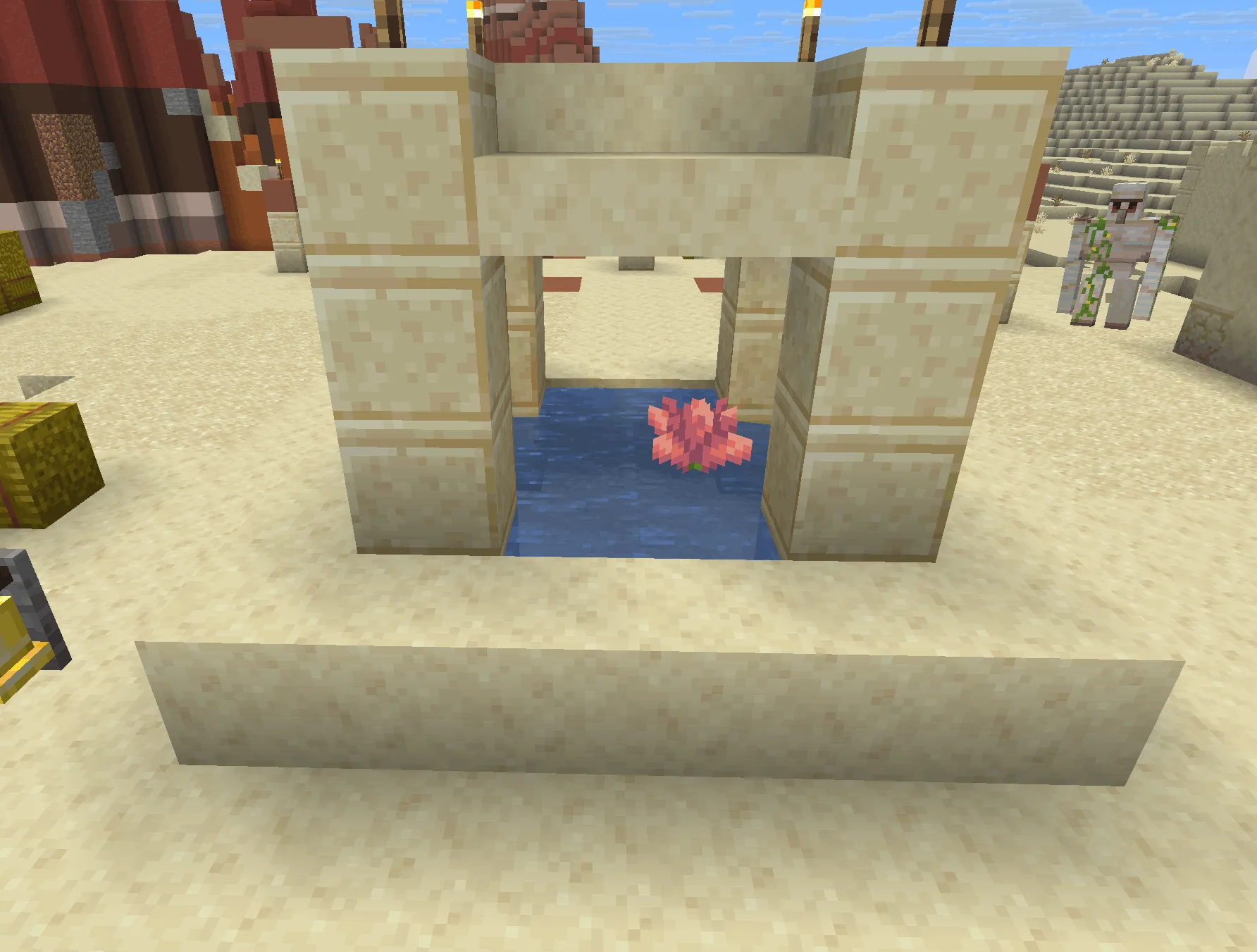
Many experienced players build their base directly around the well, using it as the center for farms and villager areas.
Loot Found in Desert Village Chests
Not every desert village has loot chests, but when they do, the rewards can be very useful early in the game.
Blacksmith buildings may contain chests with items like iron ingots, iron tools, armor, obsidian, or even diamonds. Other buildings can contain bread, apples, or basic supplies.
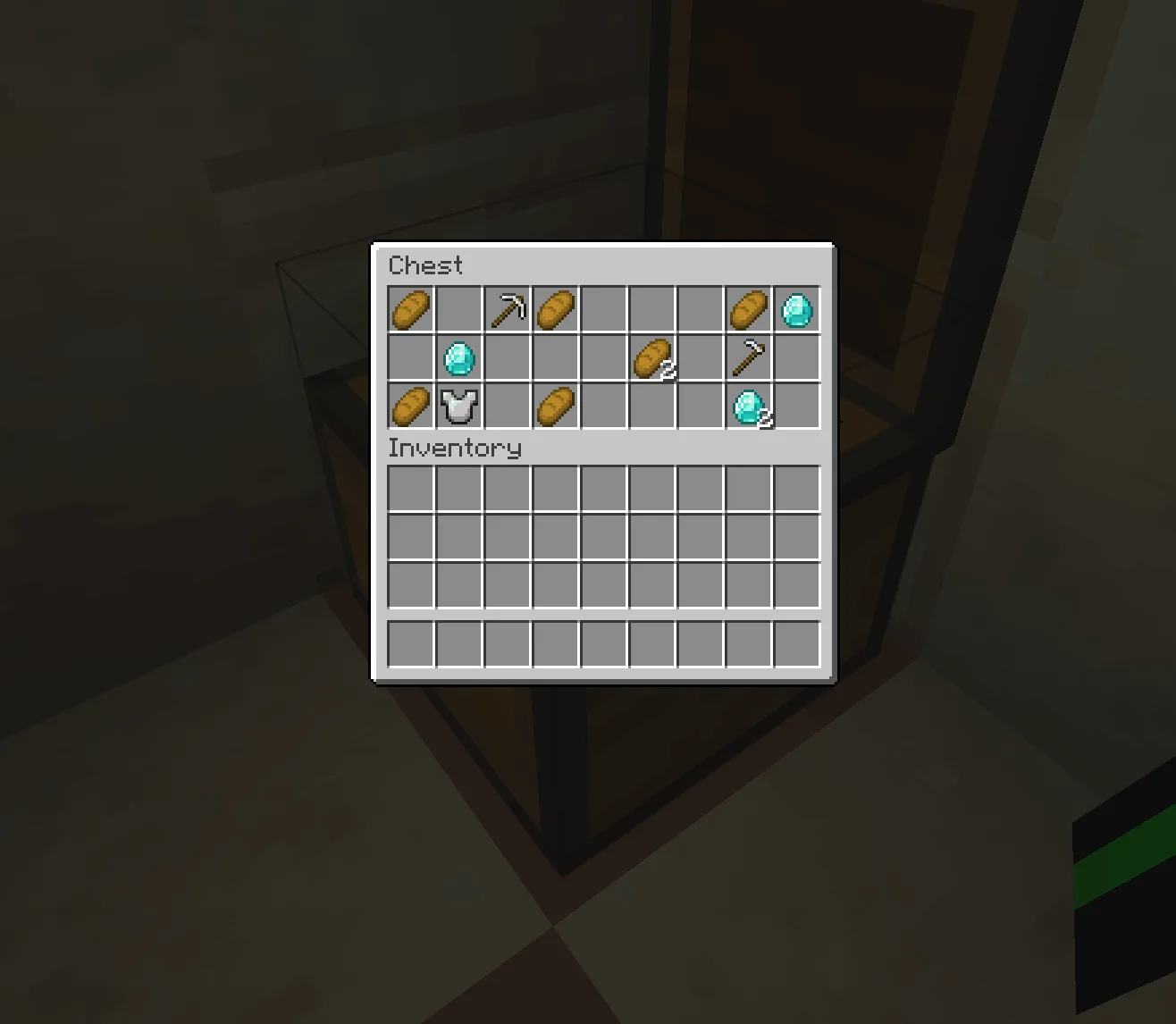
Even when the loot is simple, it saves time and resources during the early survival phase.
Villagers and Trading Opportunities
Villagers are one of the biggest advantages of desert villages.
You can find farmers, librarians, armorers, toolsmiths, and clerics depending on the workstations present. Trading allows you to turn crops into emeralds and emeralds into gear, enchantments, and tools.
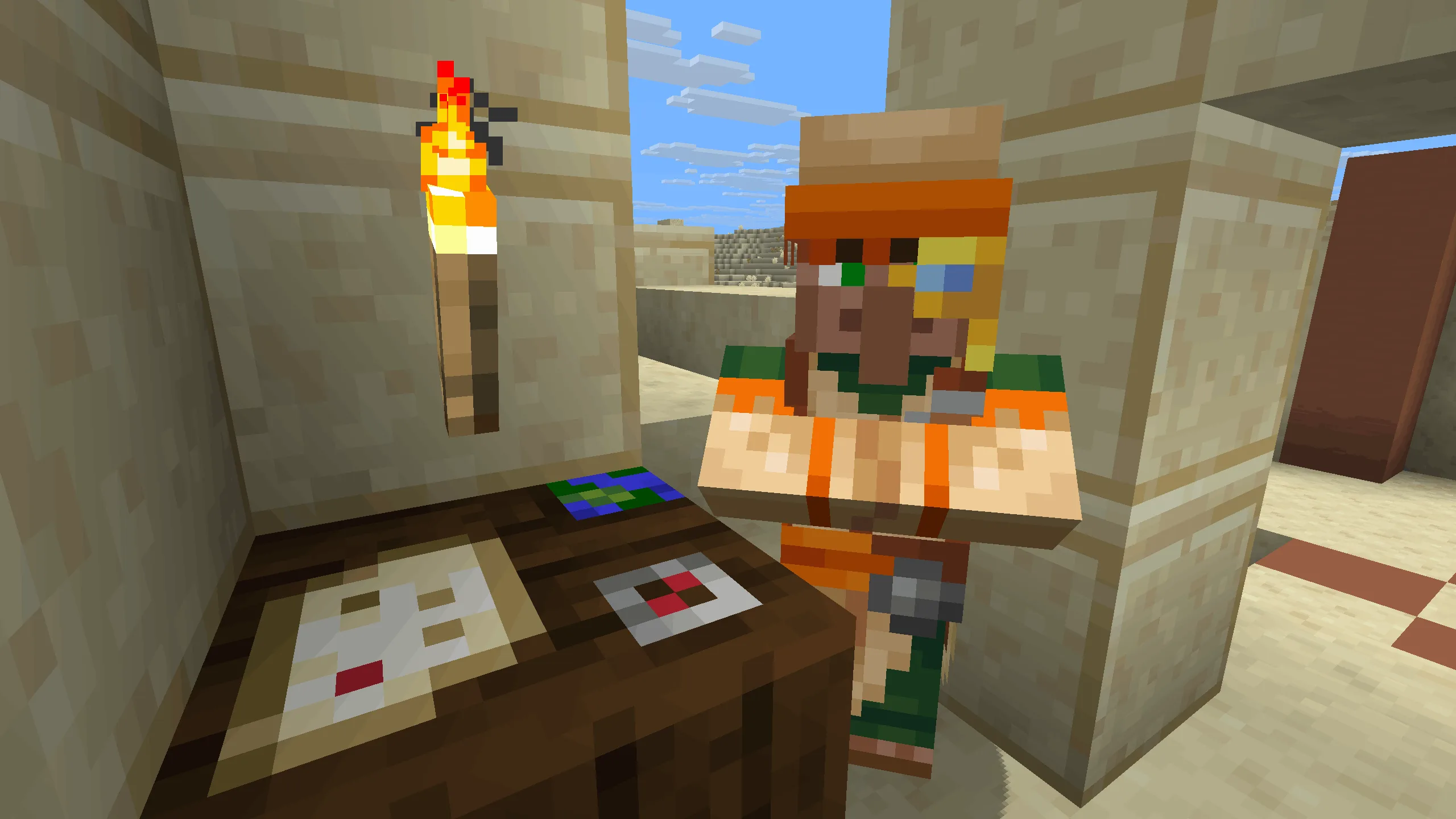
With proper protection and breeding, desert villages can become powerful trading hubs that support the entire game.
How to Make Desert Villages Safe
While desert villages are helpful, they are not completely safe by default.
Husks spawn at night and do not burn in sunlight, making them especially dangerous. Zombies can also break doors on higher difficulties.
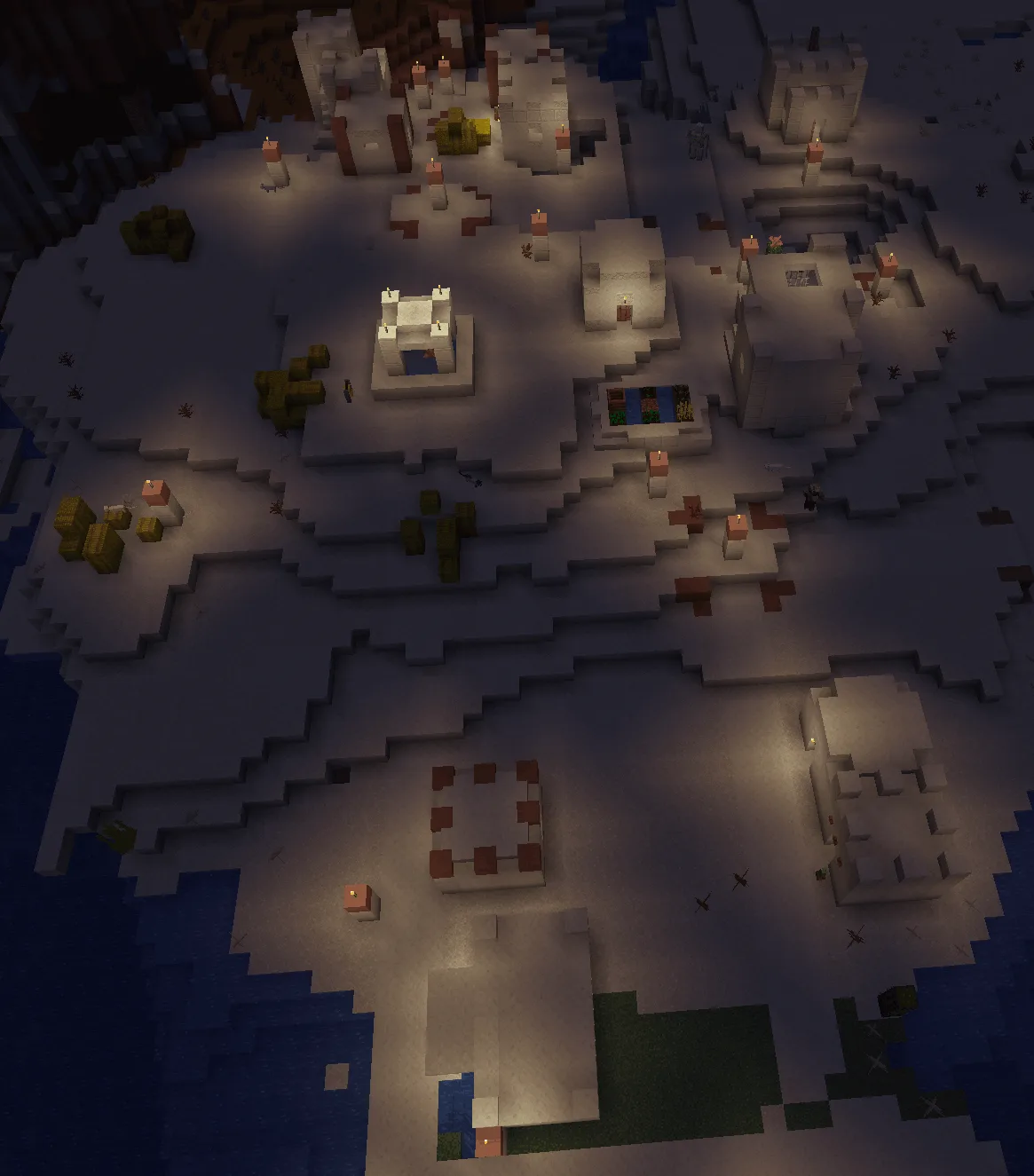
Lighting up the village with torches, blocking unused doors, and building simple walls greatly increases safety. Protecting villagers early prevents raids and keeps trading available.
Turning a Desert Village Into a Base
Desert villages are excellent base locations because of flat terrain, easy building materials, and centralized resources.
Players often expand farms, build storage rooms, and create villager trading halls nearby. Sandstone makes everything look consistent, and the open landscape allows easy expansion.
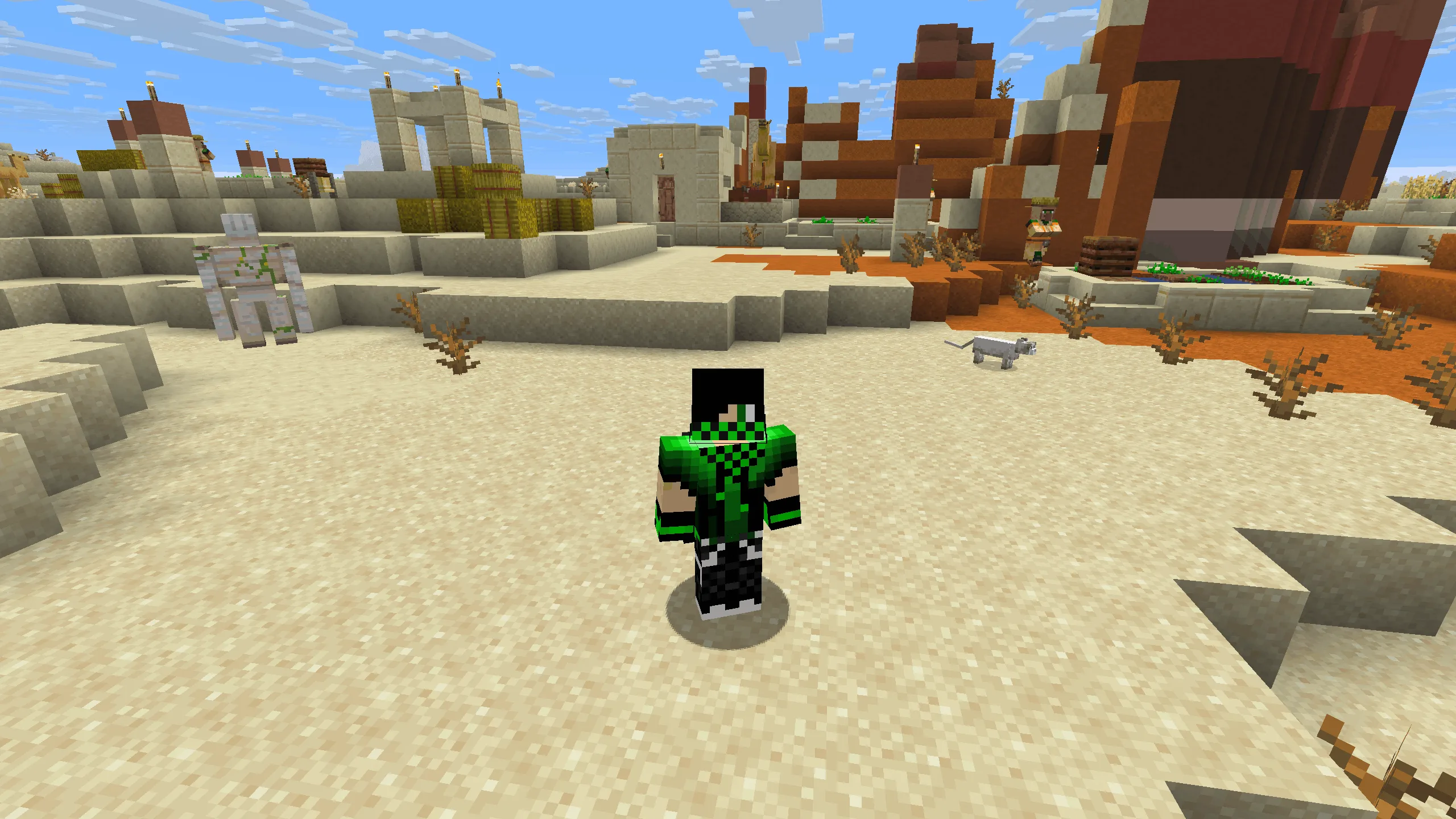
With proper planning, a desert village can support early, mid, and late-game survival.
Desert Villages vs Other Villages
Compared to villages in Forests or Plains, desert villages offer cleaner layouts and easier building space. However, they lack nearby wood and animals.
This makes desert villages slightly harder for beginners but very rewarding for players who enjoy organized bases and structured gameplay.
Once basic resources are secured, desert villages become extremely efficient.
Are Desert Villages Worth Searching For?
Yes, desert villages are absolutely worth searching for.
They reduce early-game difficulty, provide Food and Water, and open up trading opportunities. Combined with nearby desert temples, they make deserts one of the most rewarding biomes to explore.
For players willing to plan ahead, desert villages turn harsh terrain into strong survival zones.
Conclusion
Desert villages are one of the most underrated structures in Minecraft. They offer safety, resources, and long-term value in one of the toughest biomes in the game.
Whether you’re just starting or looking for a clean base location, desert villages provide everything you need to survive and grow. With proper lighting, farming, and villager management, they can become some of the strongest bases in Minecraft.