What are mobs in Minecraft?
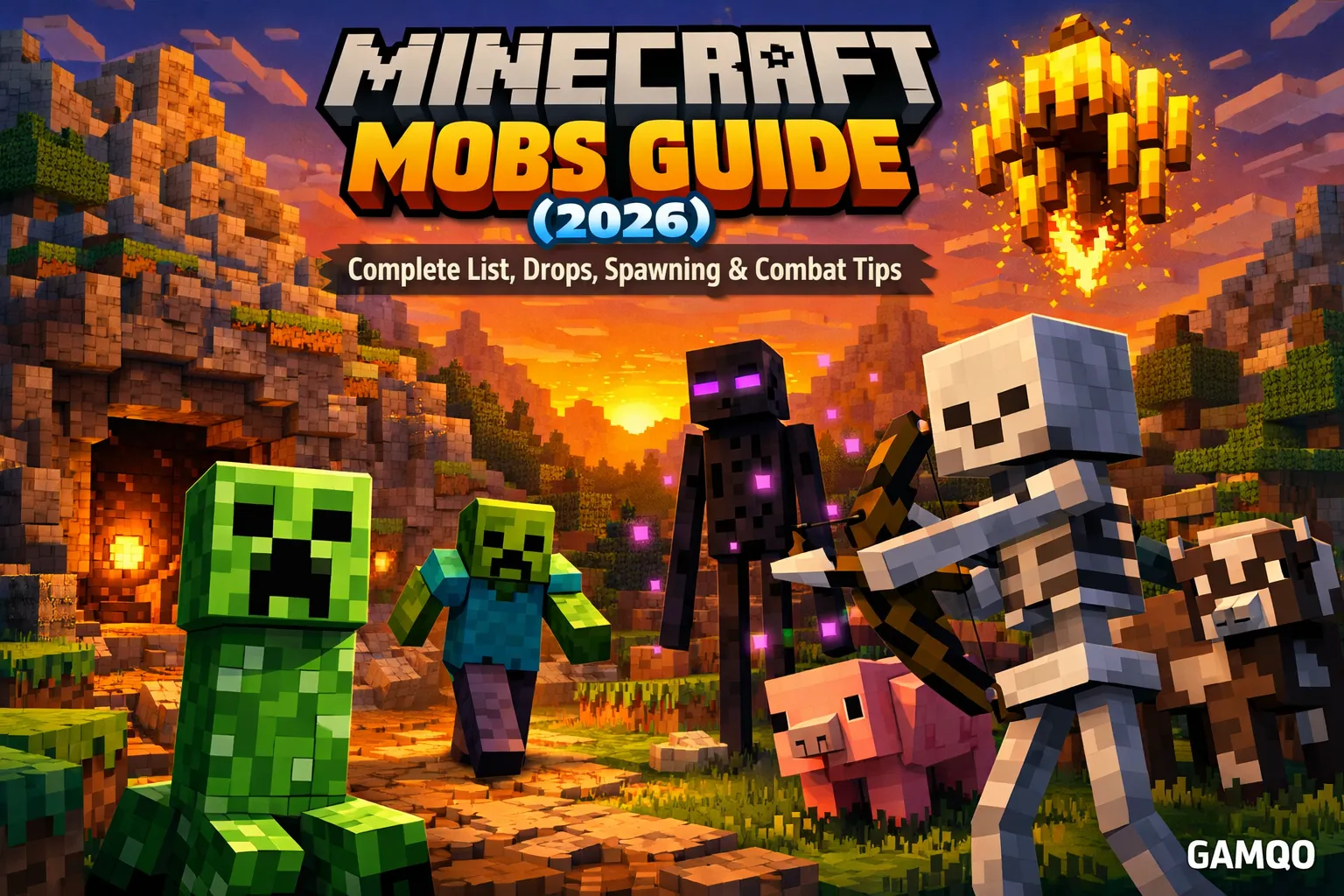
Mobs in Minecraft are living creatures that spawn in the game world and interact with players. They are divided into three types: passive, neutral, and hostile mobs, each with unique behaviors and drops.
Minecraft world feels alive because of its mobs—the creatures that roam forests, swim in oceans, guard villages, and attack players in the darkness.
Some mobs provide Food, resources, and trading opportunities, while others exist purely to challenge your survival skills.
Understanding how mobs behave, where they spawn, and what they drop is essential for progressing in survival mode.
This guide explains:
-
All mob categories
-
The most important mobs in each dimension
-
Spawning mechanics
-
Valuable mob drops
-
Practical combat strategies used by experienced players
Whether you're starting your first survival world or building advanced farms, mastering mobs will make your gameplay far easier.
What Are Mobs in Minecraft?
In Minecraft, mobs (short for mobile entities) are living creatures that move around the game world and interact with players or the environment.
These creatures exist across all dimensions:
-
Overworld
-
Nether
-
End
Mobs can behave in several ways:
-
Peaceful animals that never attack
-
Creatures that defend themselves if provoked
-
Monsters that attack players on sight
Each mob has unique mechanics, drops, and uses in survival gameplay.
As of recent versions of Minecraft, there are 40+ different mobs, including animals, monsters, villagers, and bosses.
Types of Mobs in Minecraft
Minecraft mobs fall into three main categories.
Passive Mobs
Neutral Mobs
In Minecraft, neutral mobs are creatures that do not attack the player by default but can quickly become hostile if certain conditions are met. This behavior makes them more complex than passive mobs because the player’s actions directly influence whether a situation remains peaceful or turns dangerous. Understanding how each neutral mob reacts is essential for survival, especially in early and mid-game progression.
Neutral mobs are designed to add depth to gameplay by introducing conditional aggression. Instead of attacking blindly, they respond to specific triggers such as being attacked, looked at, or threatened. This creates a more strategic experience where players must think carefully before interacting.
Wolf
Wolves are generally calm creatures that wander Forests and Taiga biomes. They only become aggressive if the player attacks them, at which point nearby wolves may also join the fight, making the situation more dangerous than expected. Despite this, wolves offer one of the most valuable advantages in the game when handled correctly.
Players can tame wolves using bones, transforming them into loyal companions. Once tamed, they will follow the player and attack hostile mobs automatically, acting as a mobile defense system. This makes them especially useful during exploration and combat scenarios where additional support is needed.
Enderman
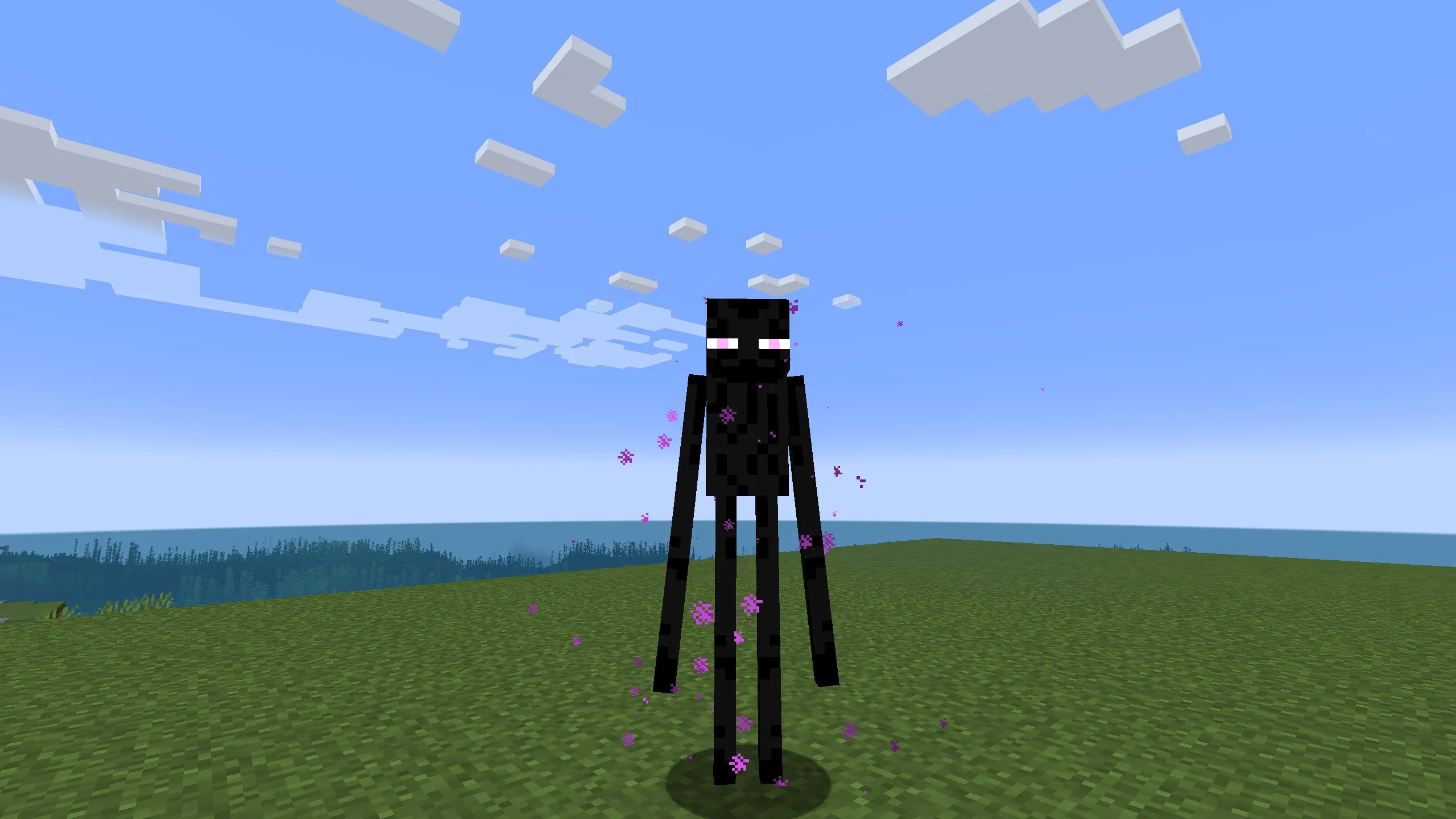
Endermen are one of the most unique neutral mobs due to their unusual behavior and abilities. They remain passive unless the player looks directly into their eyes or attacks them. This mechanic forces players to be aware of their camera movement, something that is not required with most other mobs.
When provoked, Endermen become highly aggressive and begin teleporting rapidly, making them difficult to hit. Their mobility gives them a strong advantage in open environments. However, players can control the fight by creating low ceilings or confined spaces, which limit the Enderman’s movement and make combat more manageable.
Bee
Bees are peaceful mobs that focus on pollination and contribute to farming systems within the game. They only become aggressive when attacked or when their hive is disturbed. This makes them safe to be around as long as the player avoids interfering with their environment.
When a bee attacks, it delivers a sting that applies poison damage. However, this action comes at a cost, as the bee dies shortly after stinging. This behavior reflects a defensive mechanism rather than sustained aggression. Because of their role in crop growth and honey production, bees are more valuable alive than dead.
Lama
Llamas are typically passive but will defend themselves if attacked. Their method of defense is unique, as they spit at enemies instead of engaging in direct physical combat. This attack deals minor damage and includes a knockback effect, which can be disruptive in certain situations.
Trader llamas, which accompany wandering traders, are more protective and will respond aggressively if their owner is threatened. Llamas can also be tamed and used for carrying items, making them useful for transportation and storage during long journeys.
Iron Golem
Iron Golems serve as protectors of villages and are among the strongest neutral mobs in the game. They do not attack players without reason, but their behavior changes if a player harms villagers or builds a negative reputation within the village.
Once hostile, an Iron Golem becomes extremely dangerous due to its high attack power. A single hit can deal significant damage, especially to unprepared players. Despite this, Iron Golems can also be created by players to act as defensive units, providing strong protection against hostile mobs in bases or villages.
Goat
Goats appear harmless at first, but they introduce an element of unpredictability. Unlike most neutral mobs, goats may randomly charge at players without being provoked. This behavior does not always result in damage, but the knockback effect can be dangerous in mountainous terrain.
Because goats are commonly found in high-altitude areas, their charging ability can push players off cliffs, leading to fall damage or even death. This makes them a subtle but real threat, especially when exploring unfamiliar terrain.
Piglin
Piglins are intelligent neutral mobs found in the Nether and have one of the most complex behavior systems. Their reaction to the player depends largely on whether the player is wearing gold armor. If at least one piece of gold armor is equipped, Piglins remain neutral and will not attack.
Without gold armor, Piglins immediately become hostile. They are also highly attracted to gold items and will interact with players through a bartering system, offering useful resources in exchange. This dual behavior makes them both a threat and an opportunity, depending on how the player approaches them.
Spider (Daytime Behavior)
Spiders have a time-based behavior system that makes them unique among neutral mobs. During the day, they remain passive and will not attack unless provoked. This allows players to move around them safely in daylight conditions.
At night, however, spiders become fully hostile and attack players on sight. This shift in behavior requires players to stay aware of the time cycle, as a previously harmless mob can quickly become dangerous.
Understanding Neutral Behavior in Gameplay
Neutral mobs introduce a layer of strategy that is not present with purely passive or hostile creatures. Players must learn what triggers aggression and how to avoid or control it. For example, avoiding eye contact with Endermen or wearing gold in the Nether can prevent unnecessary combat.
These mechanics encourage smarter decision-making rather than constant fighting. In many cases, neutral mobs provide benefits such as companionship, protection, or resources, making them valuable allies when handled correctly. At the same time, a lack of awareness can quickly turn them into serious threats.
Hostile Mobs
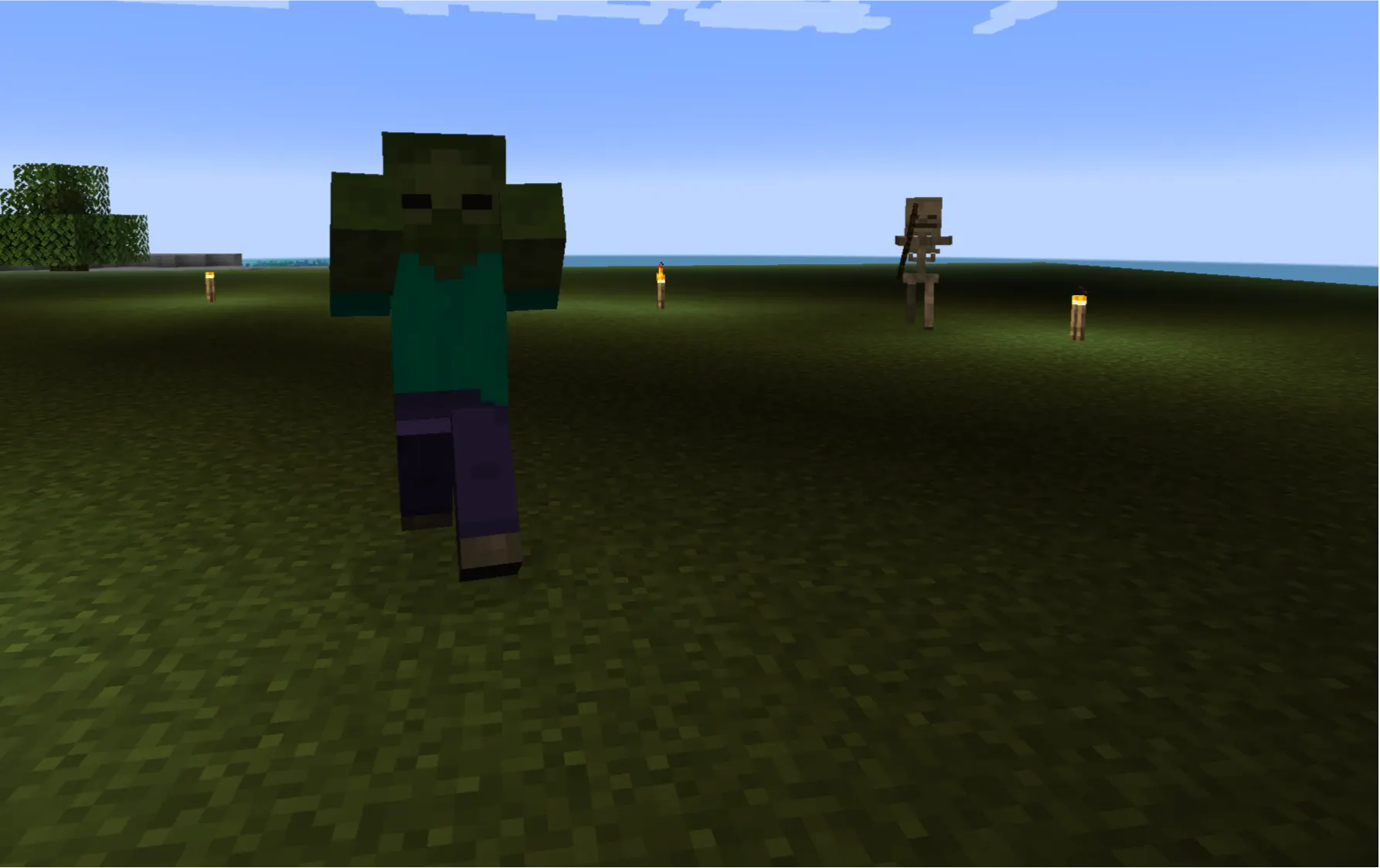
In Minecraft, hostile mobs are enemies that attack the player immediately once they come within range. Unlike passive or neutral mobs, these creatures are always aggressive and represent the core combat challenge in Survival Mode. Their behavior is designed to keep players under constant pressure, especially during nighttime or in dark environments where they spawn more frequently.
Hostile mobs typically appear in areas with low light levels, such as caves, dense forests, or during the night. This spawning system forces players to manage light sources, build secure shelters, and prepare for combat before exploring dangerous areas. Learning how each hostile mob behaves is essential for survival, as every enemy has different attack patterns, strengths, and weaknesses.
Zombie
Zombies are among the most common hostile mobs found in the Overworld. They move slowly but consistently pursue the player and can become overwhelming when encountered in groups. While a single zombie is easy to defeat, multiple zombies can quickly surround and trap an unprepared player.
Zombies drop rotten flesh upon defeat, which can be consumed in emergencies despite its negative effects. They also play a role in certain farming mechanics and village interactions, making them more useful than they initially appear.
Skeleton
Skeletons introduce ranged combat into the game, making them more dangerous than basic melee enemies. Armed with bows, they attack from a distance and can hit players even before they get close enough to respond.
They drop bones and arrows, both of which are extremely valuable resources. Bones are useful for taming wolves and speeding up crop growth, while arrows are essential for ranged combat. Because of their accuracy, fighting skeletons often requires careful movement and use of cover.
Creeper
Creepers are one of the most iconic and feared hostile mobs in the game. Instead of attacking directly, they approach silently and explode when close to the player. This explosion deals heavy damage and can destroy the surrounding environment.
Creepers drop gunpowder, a critical ingredient for crafting explosives and advanced items. Their silent approach and serious damage output make them one of the most dangerous threats, especially for new players who may not notice them in time.
Spider
Spiders are fast and agile hostile mobs that can climb walls, allowing them to bypass many basic defenses. Their mobility makes them unpredictable during combat, as they can approach from unusual angles.
They drop a string, which is used for crafting bows, fishing rods, and other useful tools. While they are hostile at night, their behavior changes during the day when they become neutral unless provoked, adding a dynamic element to encounters.
Witch
Witches are ranged attackers that use potions instead of traditional weapons. They can throw harmful potions at the player, causing effects such as poison, slowness, and weakness. At the same time, they can heal themselves, making battles longer and more difficult.
They drop a variety of items, including potion-related materials and glowstone dust. These drops are particularly useful for brewing and advanced crafting systems, making witches an important target despite their difficulty.
Phantom
Phantoms appear in the night sky when a player has not slept for several in-game days. They swoop down from above and attack repeatedly, creating pressure from an aerial angle that most mobs do not use.
They drop phantom membranes, which are essential for repairing special equipment and brewing certain potions. Their spawning condition encourages players to maintain a regular sleep cycle to avoid constant attacks.
Slime
Slimes are unique hostile mobs that appear in specific environments such as swamps and underground areas. When defeated, larger slimes split into smaller ones, extending the fight and increasing the challenge.
They drop slimeballs, which are valuable crafting materials used in Redstone builds, sticky pistons, and other advanced mechanisms. Their unusual behavior makes them both a combat challenge and a key resource.
Silverfish
Silverfish are small but dangerous mobs often found in strongholds and certain underground blocks. They can hide inside blocks and emerge suddenly, surprising the player.
When attacked, they can summon additional silverfish, quickly turning a minor encounter into a chaotic situation. While they do not provide major drops, their role in specific structures makes them important to understand.
Drowned
Drowned are underwater variants of zombies that spawn in oceans and rivers. They are more dangerous than regular zombies because they can swim and sometimes attack with ranged weapons like tridents.
They drop items related to underwater survival, making them relevant for players exploring oceans or building aquatic structures. Fighting them requires awareness of movement limitations in water.
Husk
Husks are desert variants of zombies that do not burn in sunlight, making them a constant threat even during the day. Their attacks can inflict a hunger effect, adding an extra layer of difficulty during combat.
They behave similarly to standard zombies but are more dangerous due to their environmental adaptation and status effects.
Stray
Strays are cold-biome variants of skeletons that fire arrows with special effects. Their attacks can slow the player, making it harder to escape or dodge incoming shots.
They drop similar items to skeletons, along with additional resources related to their unique abilities. Fighting strays requires quick movement and careful positioning to avoid being slowed.
Importance of Hostile Mob Drops
Hostile mobs are not just threats; they are also essential sources of valuable resources. Items such as bones, arrows, gunpowder, string, slimeballs, and phantom membranes are critical for crafting tools, brewing potions, and building advanced systems.
Because of this, combat becomes a necessary part of progression rather than something to avoid entirely. Efficient players learn how to farm hostile mobs safely, turning dangerous encounters into reliable resource generation.
Final Understanding
Hostile mobs define the survival experience in Minecraft by constantly challenging the player’s awareness, preparation, and combat skills. Each mob introduces a different type of threat, whether it is explosive damage, ranged attacks, status effects, or environmental pressure.
Mastering these enemies is not just about fighting—it is about understanding their behavior, controlling their spawning conditions, and using their drops to progress further in the game.
Nether Mobs
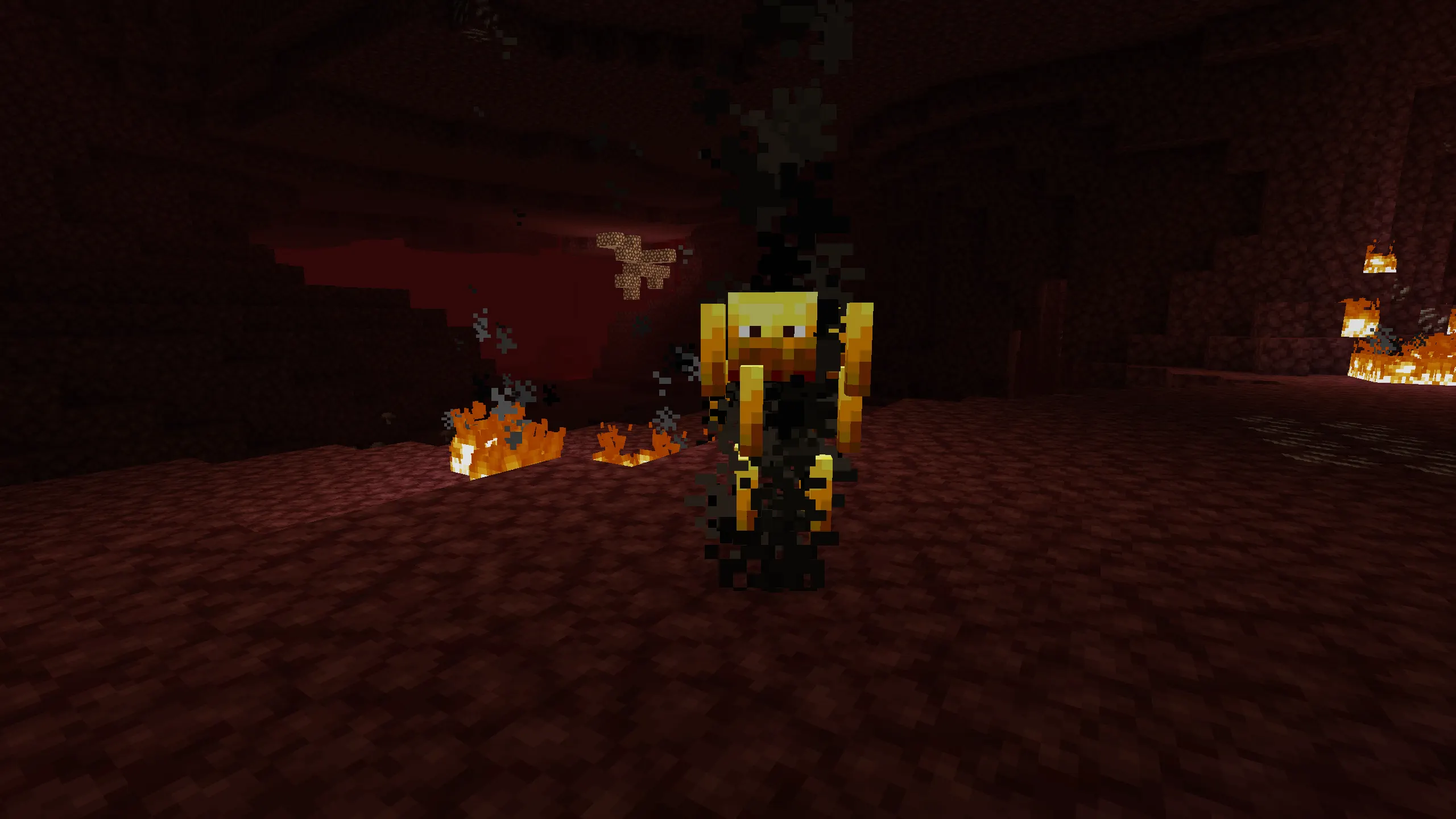
The Nether is one of the most dangerous dimensions in Minecraft, filled with hostile mobs and hazardous terrain. Unlike the Overworld, the Nether is a realm of fire, lava, and unpredictable enemies that challenge even experienced players. Surviving and thriving in this dimension requires knowledge of each mob’s behavior, attack patterns, and the resources they provide.
Many Nether mobs are not only dangerous but also highly valuable because they drop items essential for brewing potions, crafting powerful equipment, or summoning bosses. Understanding how to approach these mobs safely can turn the Nether into a resource-rich environment rather than just a deadly zone.
Blaze
Blazes are fire-based mobs commonly found in Nether fortresses. They float above the ground and attack players by shooting fireballs from a distance. Their mobility and ranged attacks make them a serious threat, especially in confined fortress corridors where dodging is limited.
Blazes drop blaze rods when defeated. Blaze rods are a critical resource used for brewing potions and crafting Eyes of Ender, which are required to locate and activate the End portal. Many players set up automated Blaze farms within fortresses to efficiently collect Blaze rods while minimizing risk.
Wither Skeleton
Wither Skeletons are tall, black skeletons that wield swords and are exclusive to Nether fortresses. They inflict the Wither effect, which slowly drains health over time, adding a dangerous status condition to their attacks. Unlike regular skeletons, they are immune to burning in sunlight (irrelevant in the Nether but significant for survival strategies in custom maps).
Wither Skeletons drop wither skeleton skulls, which are rare but essential for summoning the Wither boss. Collecting these skulls is a key objective for players aiming to obtain Nether stars and craft beacons, making Wither Skeleton farming a common challenge for advanced players.
Ghast
Ghasts are large, floating mobs that roam the open air of the Nether. They shoot explosive fireballs at players, which can destroy terrain and deal significant damage. Their size and flying ability make combat difficult, as players must either deflect fireballs with a sword or dodge carefully while engaging from a distance.
Ghasts drop ghast tears, which are used to brew regeneration potions. This makes them valuable targets despite their high-risk attacks. Combat with Ghasts often requires patience and precision, especially when collecting their drops in remote areas.
Piglin and Piglin Brute
Piglins are humanoid mobs that inhabit Nether bastions and other Nether biomes. They are neutral if the player wears at least one piece of gold armor but will become hostile if approached without protection. Piglins attack using swords or crossbows and are capable of bartering valuable items when given gold ingots.
Piglin Brutes are a stronger variant that are always hostile and do not engage in bartering. They deal more serious damage and are more resistant to attacks, making them a significant threat when exploring bastions. Both types provide access to unique drops and trading opportunities, but players must approach with strategy and preparation.
Magma Cube
Magma Cubes are hostile mobs that spawn in Nether lava pools or nether wastes. They move by hopping toward the player and split into smaller cubes when defeated, prolonging the fight. Their fire-based nature allows them to survive in lava, making them challenging to fight in hazardous areas.
Magma Cubes drop magma cream, which is essential for crafting fire resistance potions. These potions are particularly important for survival in the Nether, as they protect players from lava and fire damage, enabling deeper exploration and farming.
Hoglin
Hoglins are large, aggressive mobs that spawn in Nether crimson forests. They attack players on sight with powerful melee strikes and can knock players back significantly. Hoglins are a primary source of raw porkchops, making them useful for food supply in the Nether.
Hoglins are also used in specialized farms to gather experience points and meat efficiently. However, their aggressive behavior requires careful handling, especially in areas with lava or cliffs where knockback can be fatal.
Zoglin
Zoglins are zombified variants of Hoglins that spawn when Hoglins are brought into the Overworld or through natural conversion. They are hostile to both players and other mobs, making them unpredictable in open combat scenarios.
While they do not provide unique drops beyond standard Hoglin loot, their presence can complicate Nether-to-Overworld farms and make transporting Hoglins risky.
Understanding Nether Mob Drops
Nether mobs provide items that are critical for progression and crafting advanced tools. Blaze rods from Blazes are used for brewing and Eyes of Ender, wither skeleton skulls summon the Wither boss, ghast tears brew regeneration potions, and magma cream is essential for fire resistance. Many players design farms specifically for Blazes and other mobs to gather these resources safely and efficiently.
Understanding mob behavior and drops allows players to transform the Nether from a dangerous zone into a highly productive environment. Proper preparation, strategic combat, and controlled farming are key to surviving and thriving in this challenging dimension.
End Dimension Mobs
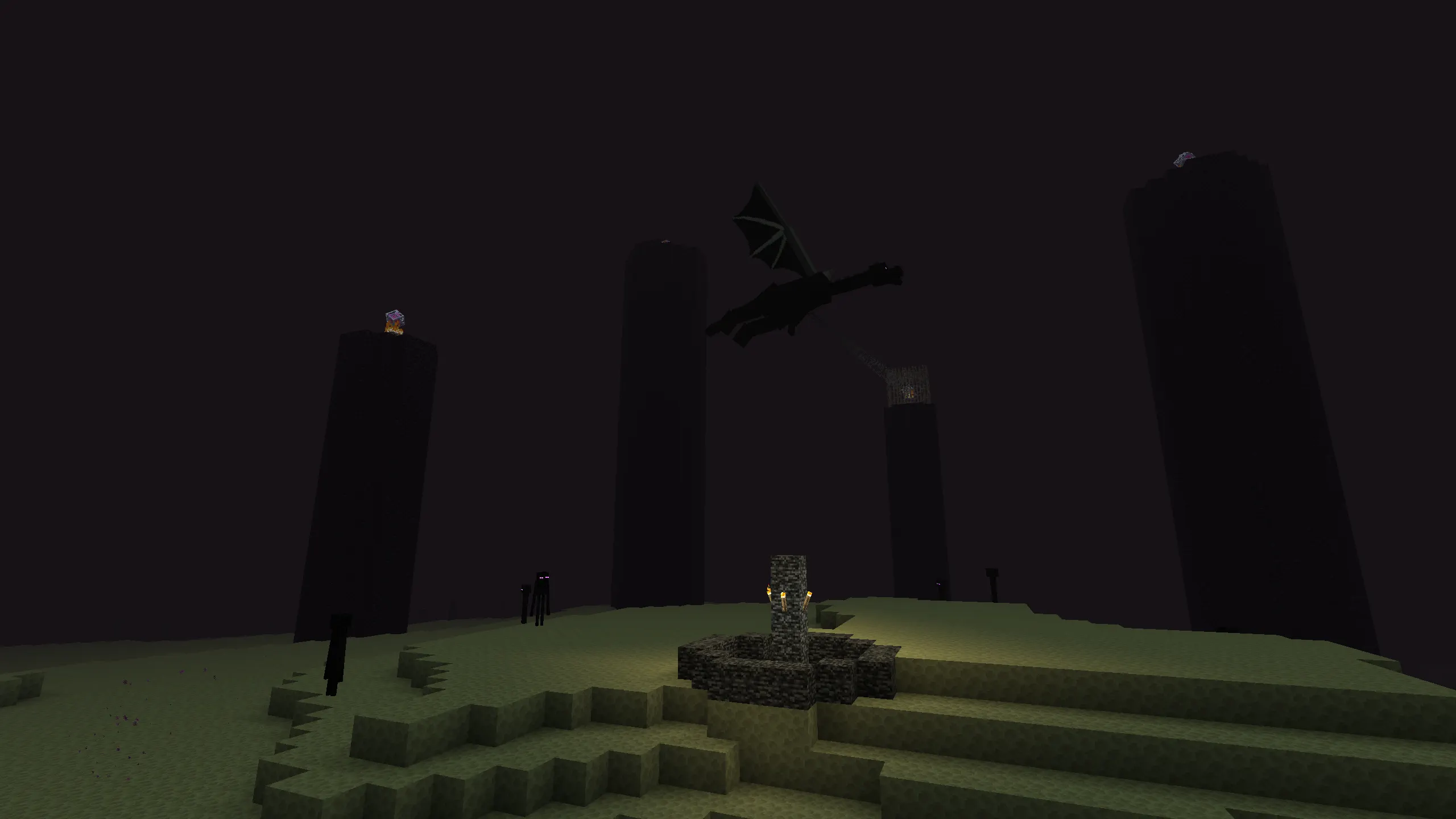
The End dimension in Minecraft is a mysterious and dangerous realm with a unique ecosystem of mobs. While the number of hostile creatures is lower than in the Overworld or Nether, each mob presents distinctive challenges and valuable resources that are essential for late-game progression. Players visiting the End must understand the behavior, attack patterns, and drops of these mobs to survive and make the most of this dimension.
The End’s mobs are designed to encourage strategic combat and exploration. Many of them have teleportation abilities, advanced defense mechanisms, or rare drops that are critical for crafting, storage, and progression toward the game’s ultimate challenges.
Enderman
Endermen are the signature mobs of the End. They are neutral by default but become hostile when looked at directly or attacked. Their teleportation ability makes them unpredictable in combat, requiring players to plan carefully when navigating the End islands.
Defeating Endermen yields Ender Pearls, which are essential for crafting Eyes of Ender and for teleportation. These items are critical for locating and activating the End portal and for navigating between islands safely, making Endermen both a threat and a valuable resource.
Shulker
Shulkers are stationary, shell-covered mobs that hide within End cities. They attack players by shooting homing projectiles that inflict the levitation effect, causing players to float uncontrollably into the air. This attack can lead to fall damage if the player is not careful.
Shulkers drop Shulker Shells, which are used to craft Shulker Boxes—portable storage containers that can carry items and retain their contents when broken. Shulker Boxes are one of the most valuable late-game items, enabling players to transport large amounts of resources efficiently.
Endermite
Endermites are small, hostile mobs that appear when Ender Pearls are used. They are fast and aggressive, attacking players on sight. While they do not drop unique resources, Endermites can create temporary distractions or hazards in the End, especially during combat with Endermen or when exploring End cities.
Understanding Endermite behavior is important for players who frequently use Ender Pearls for teleportation, as multiple Endermites can spawn in a short time and disrupt movement or combat.
Ender Dragon
The Ender Dragon is the ultimate boss in Minecraft and the main challenge of the End dimension. It flies around the central island, attacking with powerful sweeps, fireballs, and knockback effects. Players must destroy Ender Crystals on top of obsidian pillars to prevent the dragon from healing.
Defeating the Ender Dragon provides massive experience points and unlocks the gateway to the outer End islands. This battle is essential for late-game progression and access to rare structures, resources, and advanced exploration. The dragon’s defeat also signals that players have completed the main survival challenge of Minecraft.
Understanding End Mob Drops
The End dimension provides items that are critical for progression and convenience. Ender Pearls from Endermen are vital for teleportation and crafting Eyes of Ender. Shulker Shells allow for the creation of Shulker Boxes, which solve the problem of limited inventory space and are crucial for transporting resources efficiently. Defeating the Ender Dragon provides a significant experience boost and access to advanced game areas.
Mastering combat and strategy against these mobs is key to successfully navigating the End and preparing for late-game challenges. Unlike the Overworld or Nether, the End emphasizes precision, mobility, and planning, rewarding players who approach its dangers with skill and preparation.
Boss Mobs in Minecraft
Boss mobs are powerful enemies designed for late-game players.
Ender Dragon
The Ender Dragon is the final boss of the End dimension.
Defeating it rewards players with:
-
Large amounts of XP
-
Access to End cities
-
Elytra wings
Wither
The Wither is a powerful boss summoned using:
-
3 Wither Skeleton Skulls
-
4 Soul Sand blocks
It drops a Nether Star, which is required to craft a beacon.
Warden
The Warden is widely considered the most dangerous mob in Minecraft.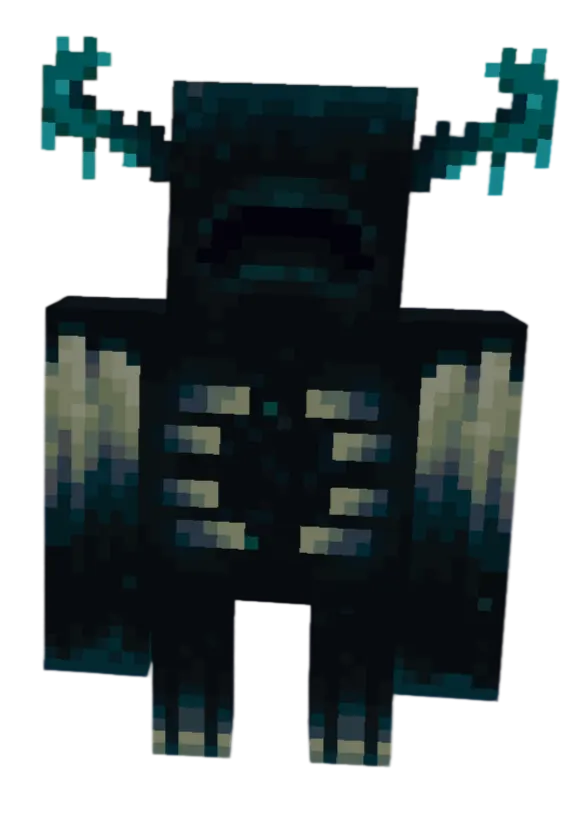
Key characteristics:
-
Spawns in Ancient Cities
-
Extremely high damage
-
Detects players through sound and vibration
Unlike other bosses, it is often safer to avoid fighting the Warden entirely.
How Mob Spawning Works
Understanding Mob spawning helps players prevent attacks and build efficient farms.
Basic Mob Spawning Rules
Most hostile mobs spawn when:
-
Light level is low
-
The block surface is solid
-
The player is nearby
Because of this, lighting is one of the most effective ways to control mob spawns.
GAMQO Tip
Always light up your surroundings before Building a Base.
Hostile mobs in Minecraft usually spawn in dark areas, so placing torches, lanterns, or other light sources around your base can greatly reduce surprise attacks. A well-lit area not only keeps zombies, skeletons, and creepers away but also makes nighttime exploration much safer.
Day vs Night Mob Behavior
The Minecraft day-night cycle strongly affects mob activity.
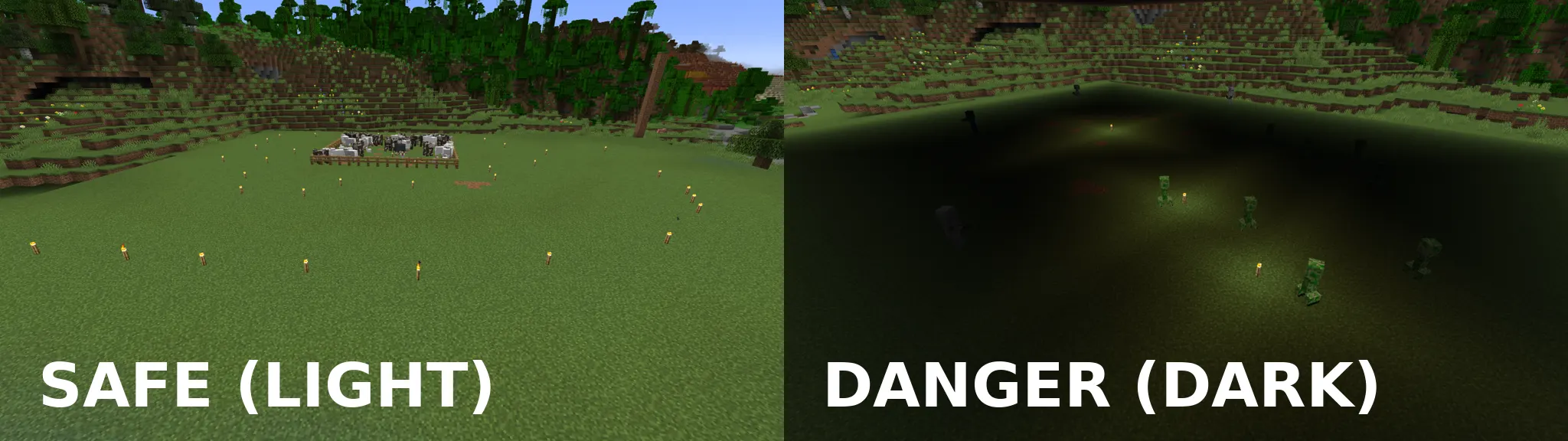
Daytime
-
Zombies and skeletons burn in sunlight
-
Passive mobs roam freely
-
Exploration is safer
Night time
-
Zombies spawn frequently
-
Skeletons attack from range
-
Creepers wander silently
New players should avoid exploring far from their base at night until they have armor and weapons.
Best Combat Tips for Fighting Mobs
Different stages of survival require different Strategies.
Early Game Combat
When starting a new world:
-
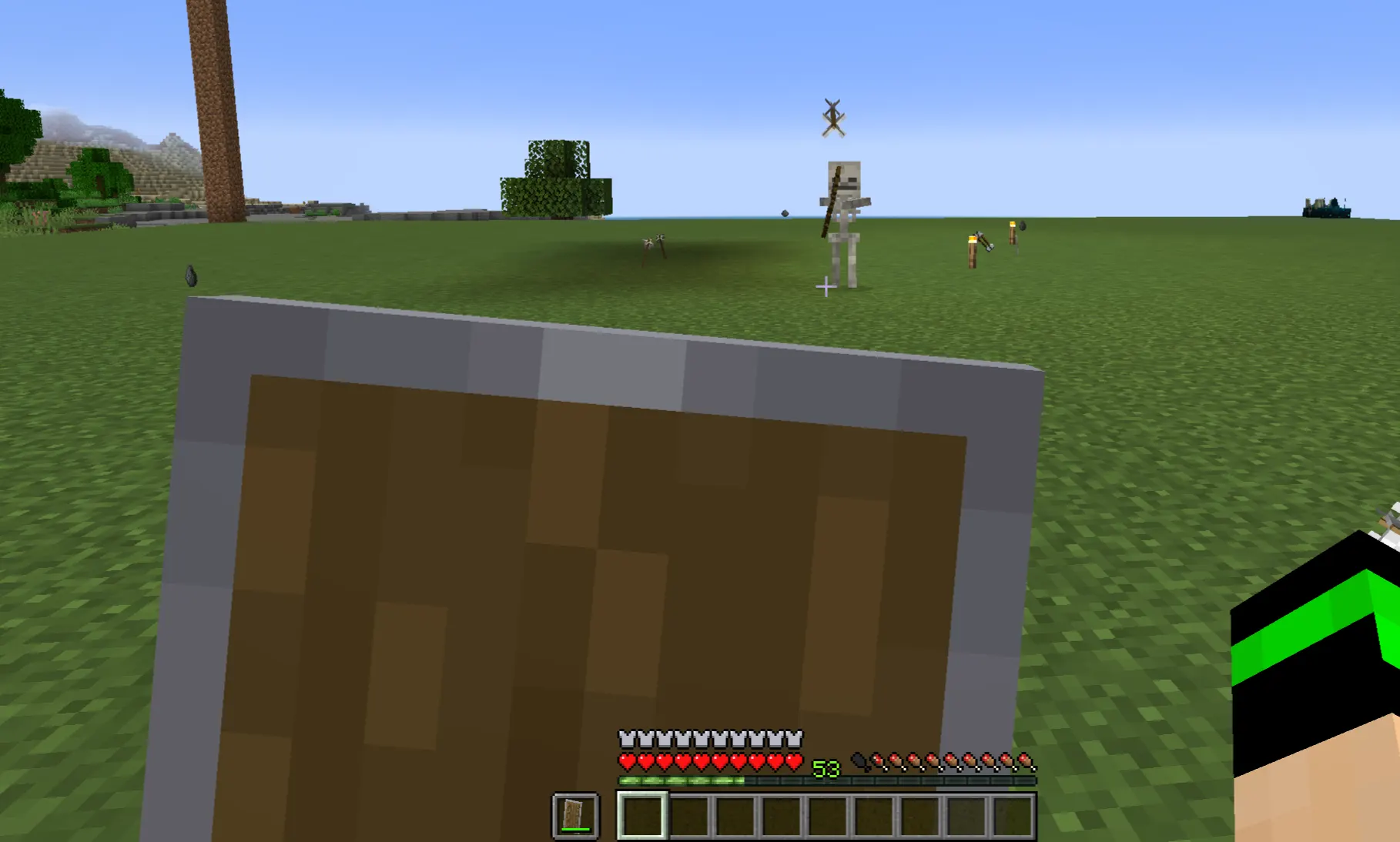
Craft a shield as soon as possible
-
Avoid caves at night
-
Fight mobs in daylight
A shield can completely block skeleton arrows and greatly reduce damage from creepers.
Mid Game Combat
As you progress, stronger equipment becomes available:
-
Iron armor
-
Enchanted swords
-
Bow and arrows
-
Potions
Enchantments like Sharpness and Protection significantly improve survivability.
Late Game Combat
Late-game enemies require preparation.
Recommended equipment:
-
Fully enchanted Netherite armor
-
Strength potions
-
Golden apples
-
Totems of Undying
By this stage, combat becomes more about preparation and positioning than raw fighting skill.
How Players Use Mob Farms
Mob farms allow players to collect items and experience automatically.
Popular mob farms include:
-
Enderman XP farms
-
Creeper gunpowder farms
-
Skeleton XP farms
-
Slime farms
Most farms work by forcing mobs to spawn in dark areas and then moving them into a trap system.
These farms are commonly used by advanced survival players to gather resources efficiently.
Conclusion
Mobs are one of the core systems that make Minecraft survival exciting. From peaceful animals that supply food to powerful bosses that test a player's skill, every creature serves a purpose in the game.
By learning how mobs spawn, what they drop, and how they behave, players can turn dangerous encounters into valuable opportunities for resources and progression.
Mastering mob mechanics allows players to build better farms, defend their bases, and explore the world with confidence.