Surviving your First Night in Minecraft is a milestone. You built shelter, avoided mobs, maybe crafted basic tools, and made it to sunrise. But here’s the reality: the first night is only survival mode’s introduction. What you do on Day 2 decides whether your world becomes efficient and stable — or frustrating and chaotic.
Many beginners waste their second day building large houses or exploring too far without preparation. That usually leads to early deaths, lost items, and slow progression. The correct approach after the first night is structured advancement. Minecraft rewards smart progression, not random movement.
This guide explains exactly what to focus on after your first night so your Survival world develops correctly from the start.
Upgrade Your Tools Immediately
After the first night if you are using the same wooden Starter Tools, you must upgrade them to stone tools or iron tools beacause wooden tools are slow, weak, and break quickly. They are meant only for the first few minutes of gameplay.
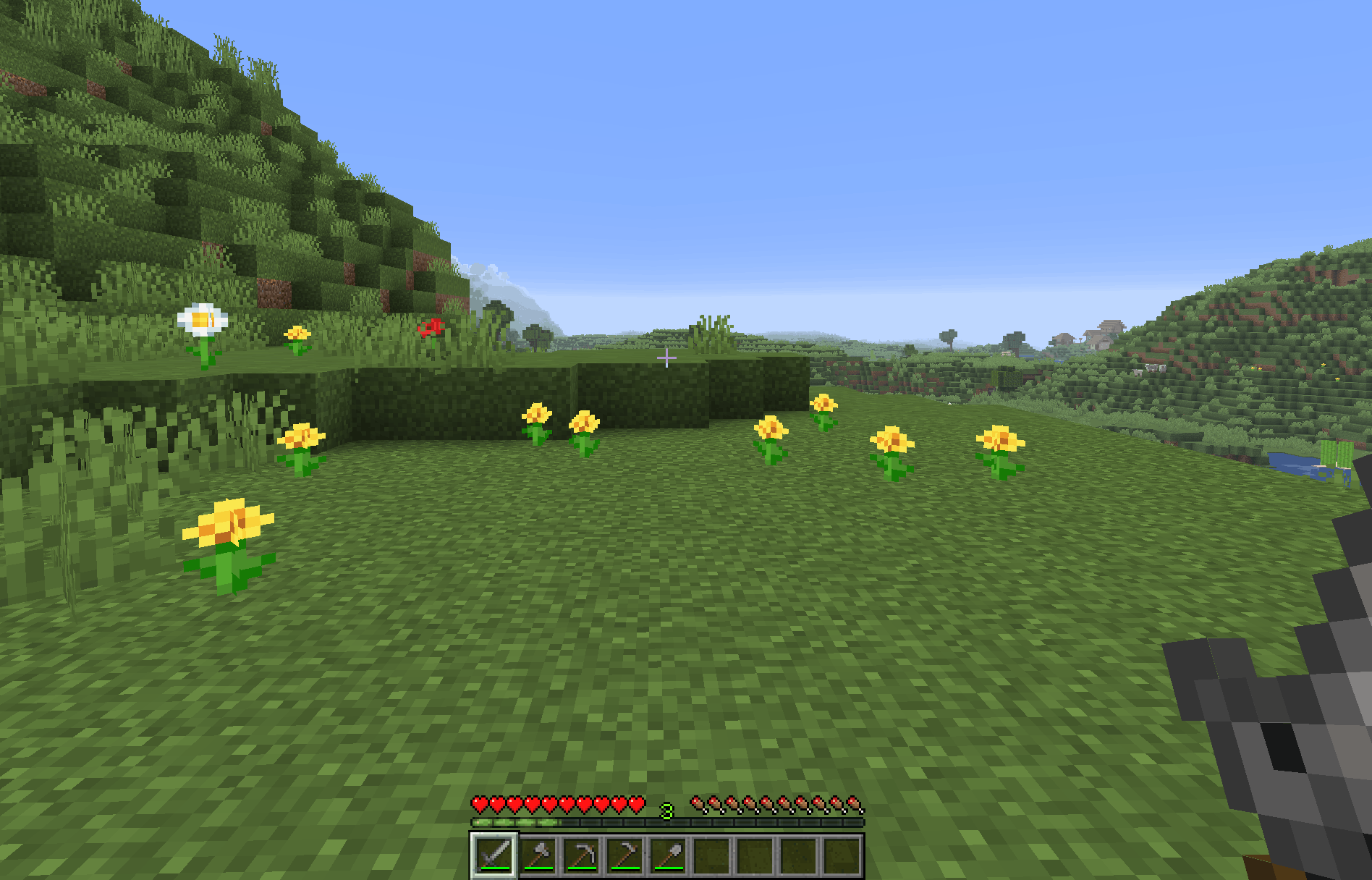
Mine enough stone to craft a full set of stone tools and a furnace. Stone tools can increase mining speed and durability, which means you collect all the resources faster and waste less time. The stone sword also makes fight with mobs safer, especially against skeletons and spiders during early Cave exploration.
Upgrades matters in early Minecraft. Every upgrade increases your progress. Faster mining leads to faster iron discovery, which leads to armor and shields, which leads to safer exploration. That chain reaction begins with stone tools.
Secure a Stable Food Source Before Exploring
Hunger management is one of the most overlooked early-game mechanics. Sprinting, mining, and fighting mobs drain hunger quickly. If your hunger drops too low, you lose health regeneration — and that’s when simple mistakes become fatal.
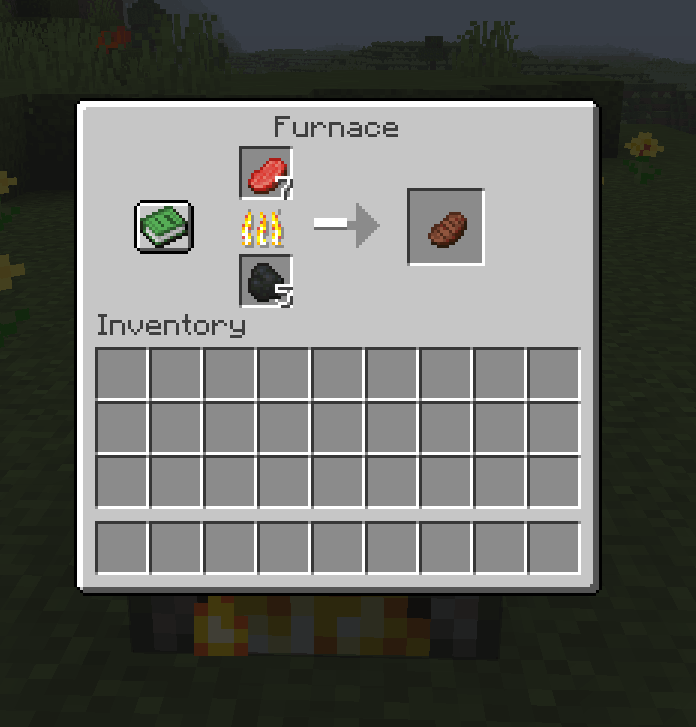
After upgrading tools, focus on finding and storing food. If you collected Food on Day One, cook it immediately. Cooked food restores more hunger and saturation, keeping you active longer.
If you spawn near a village, take advantage of it. In Minecraft, villages can generate in biomes like Plains, Savanna, Taiga, and Desert. Villages provide crops, beds, and sometimes early iron gear. Using a nearby village as a temporary resource hub can accelerate your early survival stage significantly.
If no village is nearby, start a small wheat farm or begin breeding animals. The goal after the first night is stability. You do not want to depend on random animal spawns for survival.
Find Iron as Soon as Possible
Iron is the true beginning of structured survival. After your first night, iron should become your main objective.
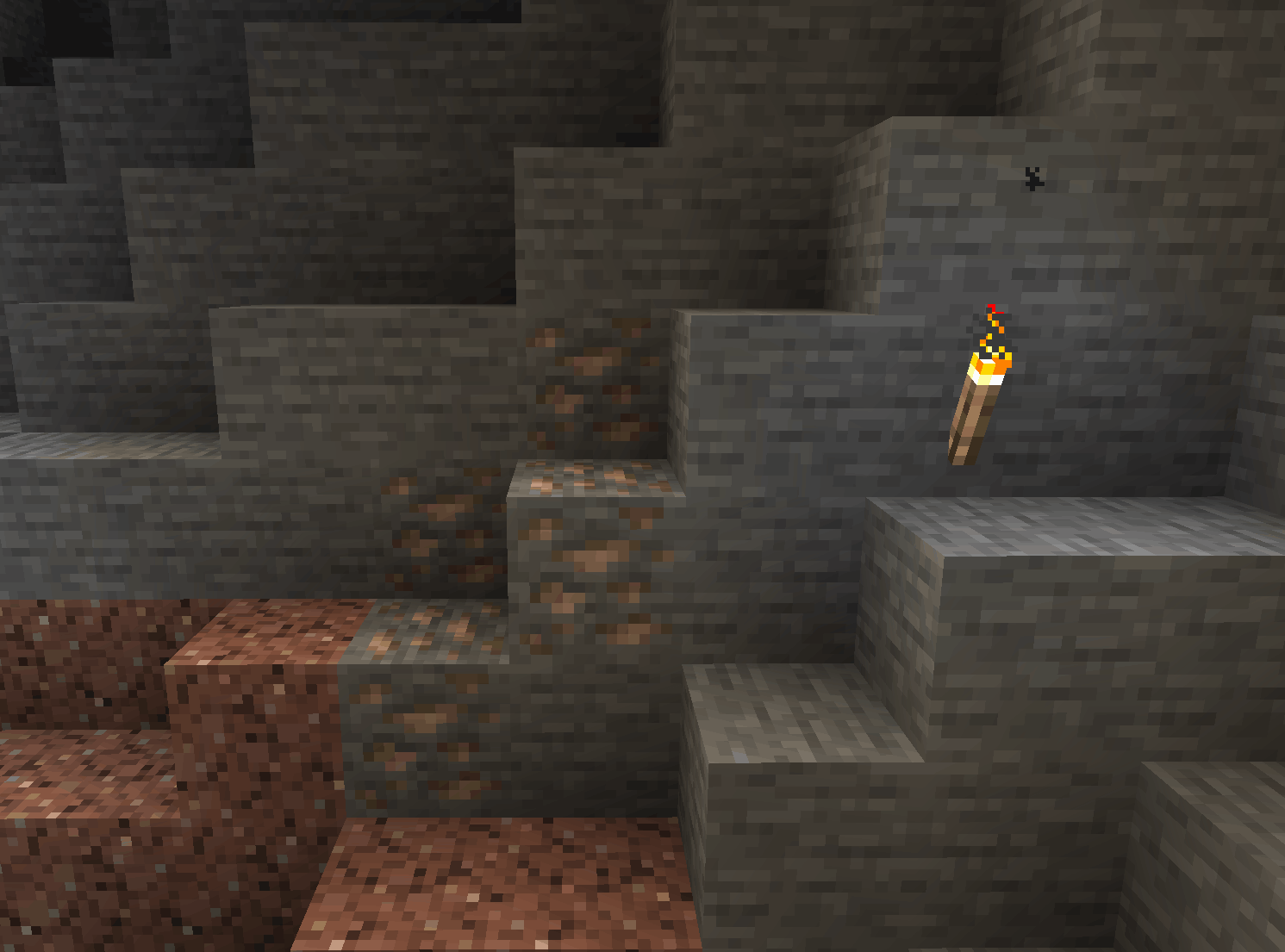
Iron unlocks tools that mine faster and last longer. It allows you to craft armor that significantly reduces damage. Most importantly, it allows you to craft a shield — one of the most powerful early-game defensive tools in Minecraft.
A shield can block skeleton arrows, reduce creeper damage, and protect you in caves. Many early deaths happen simply because players skip crafting a shield. Before exploring deep caves or traveling far from spawn, obtain enough iron for at least a shield, iron pickaxe, and partial armor.
Iron transforms survival from fragile to controlled.
Build a Functional Temporary Base
After Night 1, you do not need a large house. You need a secure base of operations.
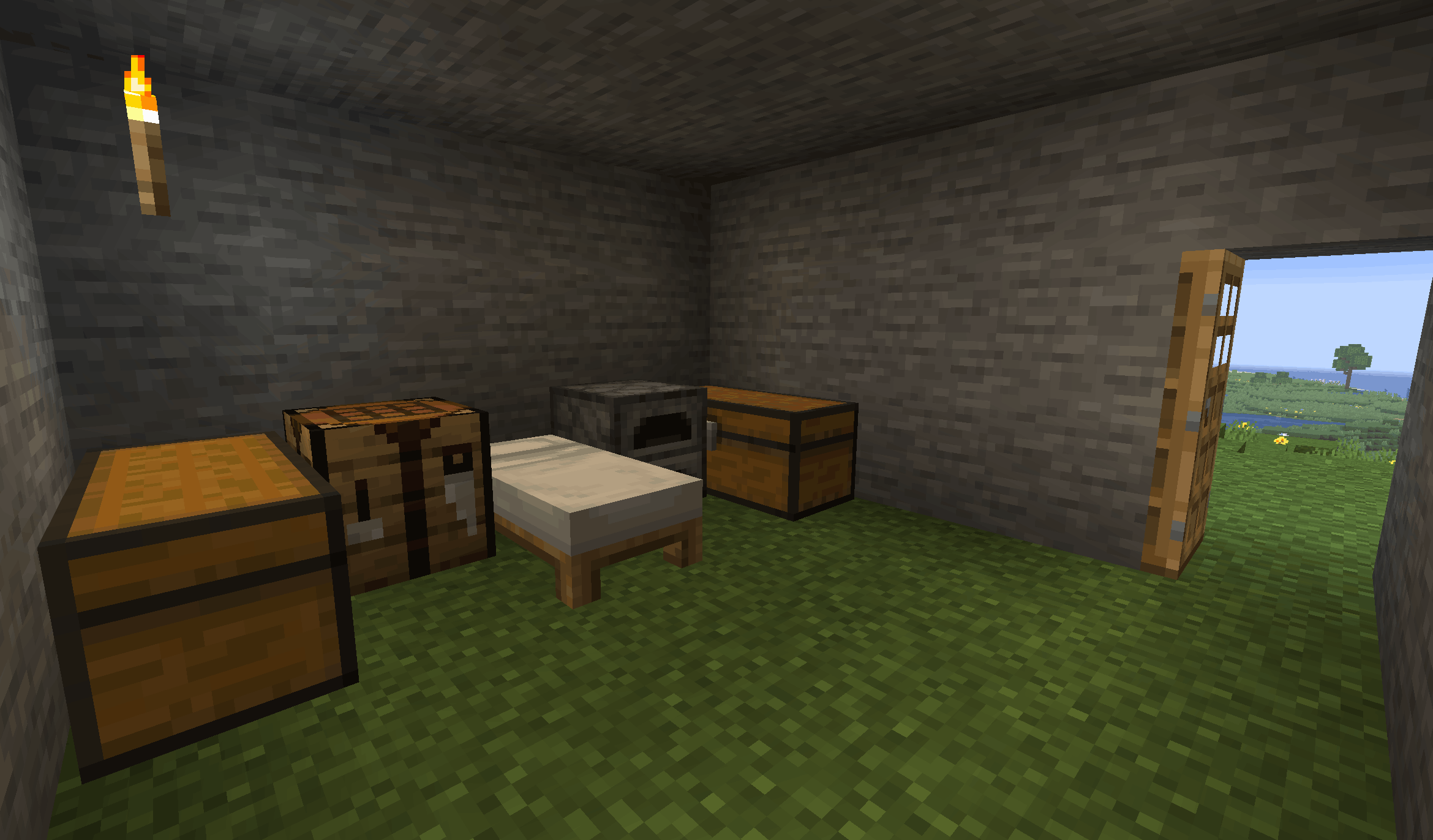
A small structure with a bed, furnace, crafting table, and chest is enough. The purpose of your early base is storage and safety, not aesthetics. Large builds require resources and time that are better invested in progression.
Keep your base compact and organized. Store excess resources before mining trips. Set your spawn point using a bed. This prevents major setbacks if you die during exploration.
Minecraft rewards preparation. A simple, efficient base keeps your world stable during early advancement.
Start Smart Mining Instead of Random Digging
Many players begin strip mining randomly after their first night without understanding depth levels. Strategic mining saves time and increases diamond chances.
After securing iron gear, begin mining at deeper Y-levels where diamonds generate most frequently. However, rushing straight to diamond hunting without full iron armor is risky. Early caves can overwhelm unprepared players with mobs and lava hazards.
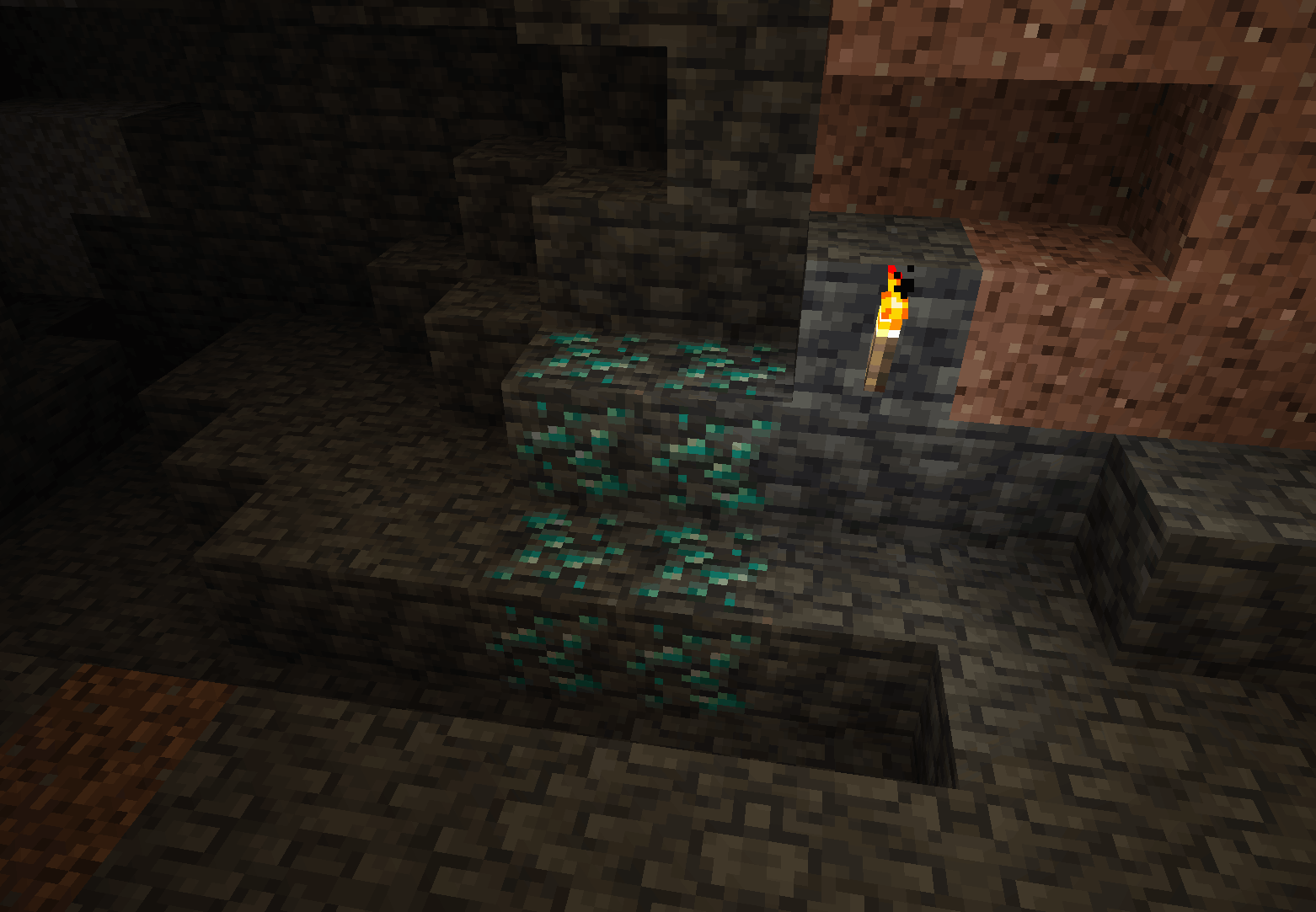
Instead of reckless mining, create a controlled branch mine or carefully explore caves with torches, shield ready, and plenty of food. Always block off dangerous openings and secure pathways to prevent surprise attacks.
The goal during this stage is resource accumulation, not speedrunning. Diamonds will come naturally if your mining is consistent and safe.
Avoid Early-Game Mistakes That Slow Progression
The second and third days in Minecraft are critical. Poor decisions here can waste hours so avoid Early Survival Mistakes.
One common mistake is exploring too far from spawn without a bed. If you die far away, retrieving items becomes difficult. Another mistake is carrying all valuable resources into caves. Early Deaths Mistakes are common, and losing everything slows momentum.
Building decorative structures too early is another trap. Large houses feel satisfying but do not increase survival strength. Prioritize progression systems — food farms, mining setups, iron gear — before cosmetic builds.
Minecraft rewards long-term planning. Stabilize first. Expand later.
Prepare for Mid-Game Systems Early
After your first night and iron progression, begin thinking about sustainability. Start small farms. Breed animals. Plant sugarcane for future enchanting tables. Collect leather when possible.
These systems might seem secondary during Day 2 or 3, but they form the foundation of mid-game strength. Enchanting, trading, and Nether exploration all depend on early preparation.
Structured players think ahead. Even if you are not ready for enchantments yet, planting sugarcane early saves time later.
GAMQO Tip
After your first night, divide your resources. Keep essential items with you, but store all of your valuable items inside your base before mining or exploring. Early-game deaths are very common, especially in caves and forests.
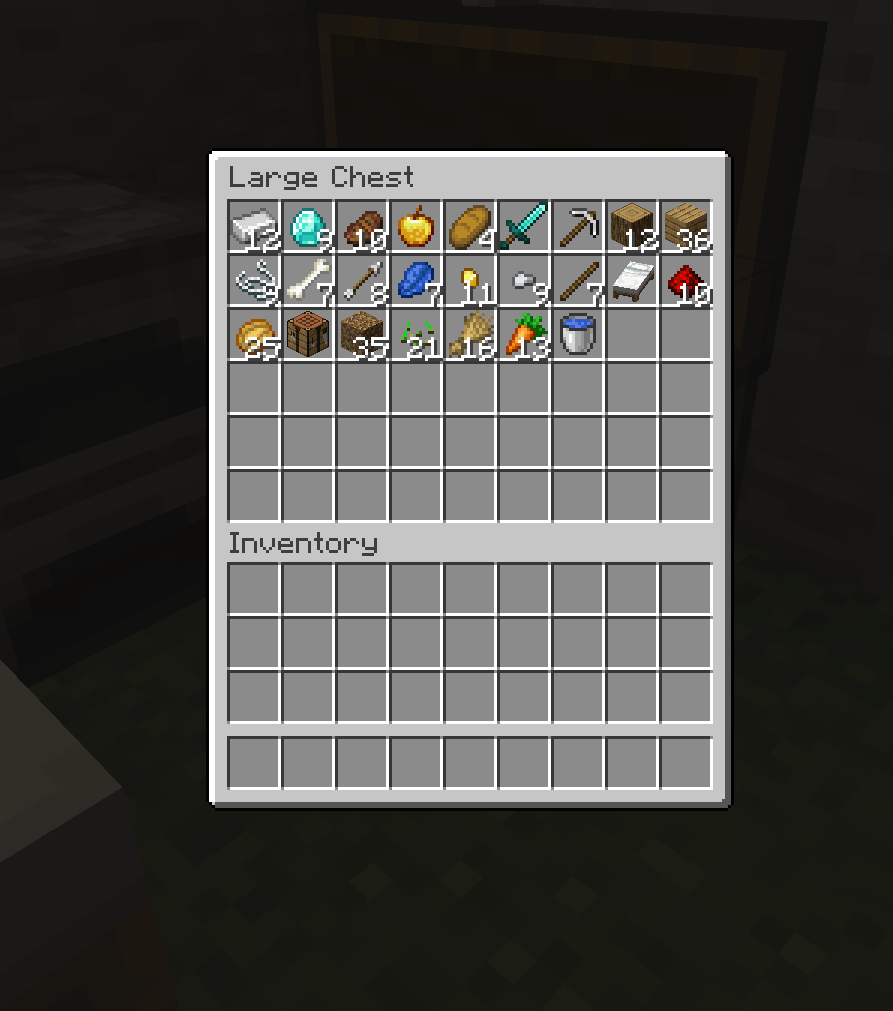
Protecting half your valuable items ensures one mistake does not reset your world’s progress. Smart survival is not about avoiding death. It is about reducing loss when mistakes happen.
Final Thoughts
Master Day 2 and Day 3 properly, and the rest of your Minecraft survival journey becomes strategic instead of stressful.