When players think about the “perfect” survival base in Minecraft, they often imagine something complex or rare. In reality, the best survival bases are usually built in the simplest places. That’s why the Plains biome continues to be the most popular and reliable base location in the game.
The Plains Biome may not look exciting at first, but it quietly supports almost every survival activity. From your first night to late-game projects, it offers balance, safety, and flexibility that few other Biomes can match.
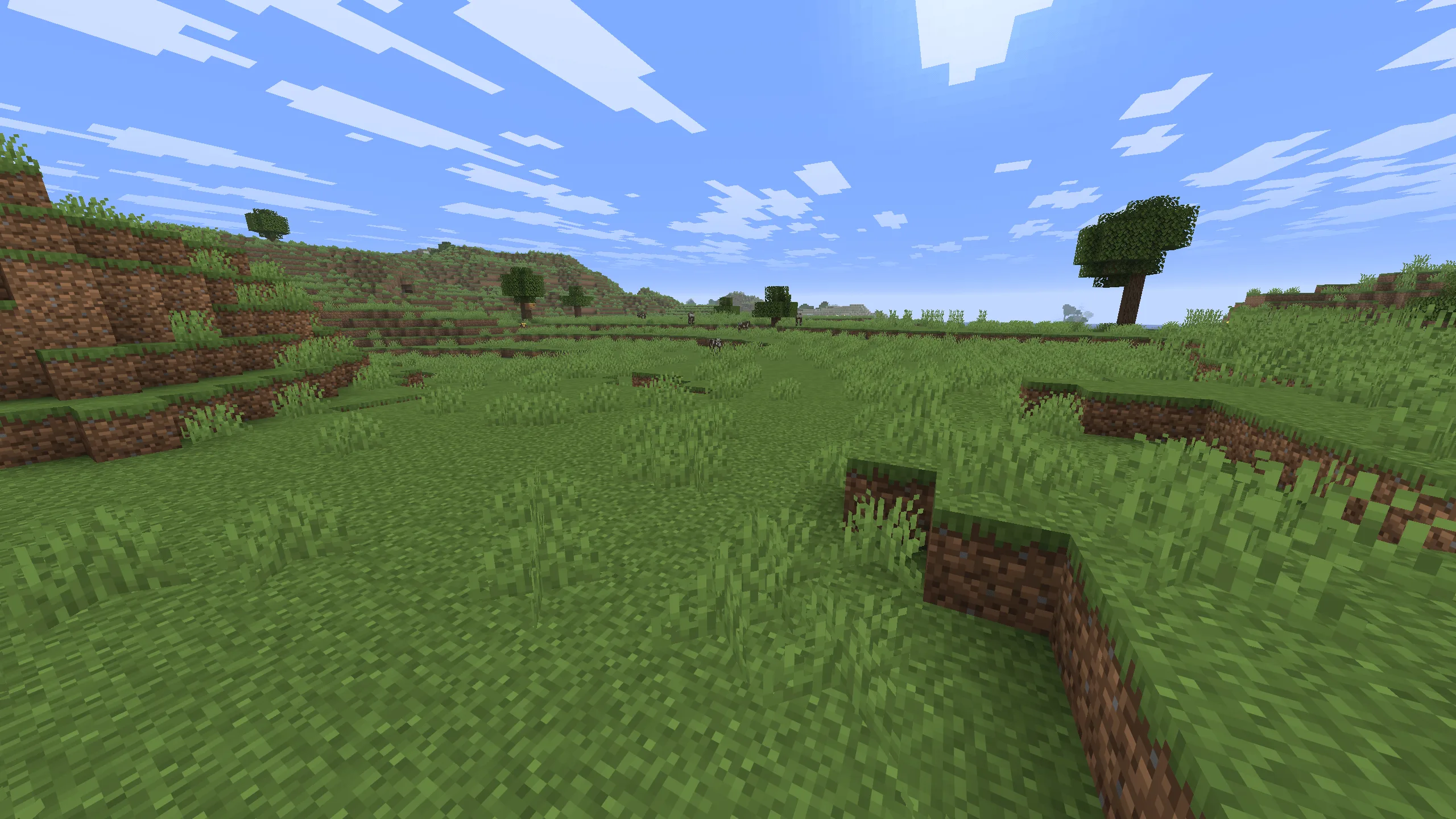
This guide explains why the Plains biome is the best place to build a survival base, especially for beginners and long-term worlds.
What Makes a Survival Base Location Good?
Before choosing any biome, it’s important to understand what a survival base actually needs. A good base location should make survival easier, not harder.
A strong survival base biome usually offers:
-
Flat or manageable terrain
-
Easy access to food
-
Good visibility
-
Space for expansion
-
Low natural danger
The Plains biome checks all of these boxes naturally, without forcing players to adapt or struggle.
Flat Terrain Makes Building Simple
One of the biggest advantages of the Plains biome is its flat land. Unlike mountains, jungles, or Forests, Plains biomes rarely require heavy terraforming.
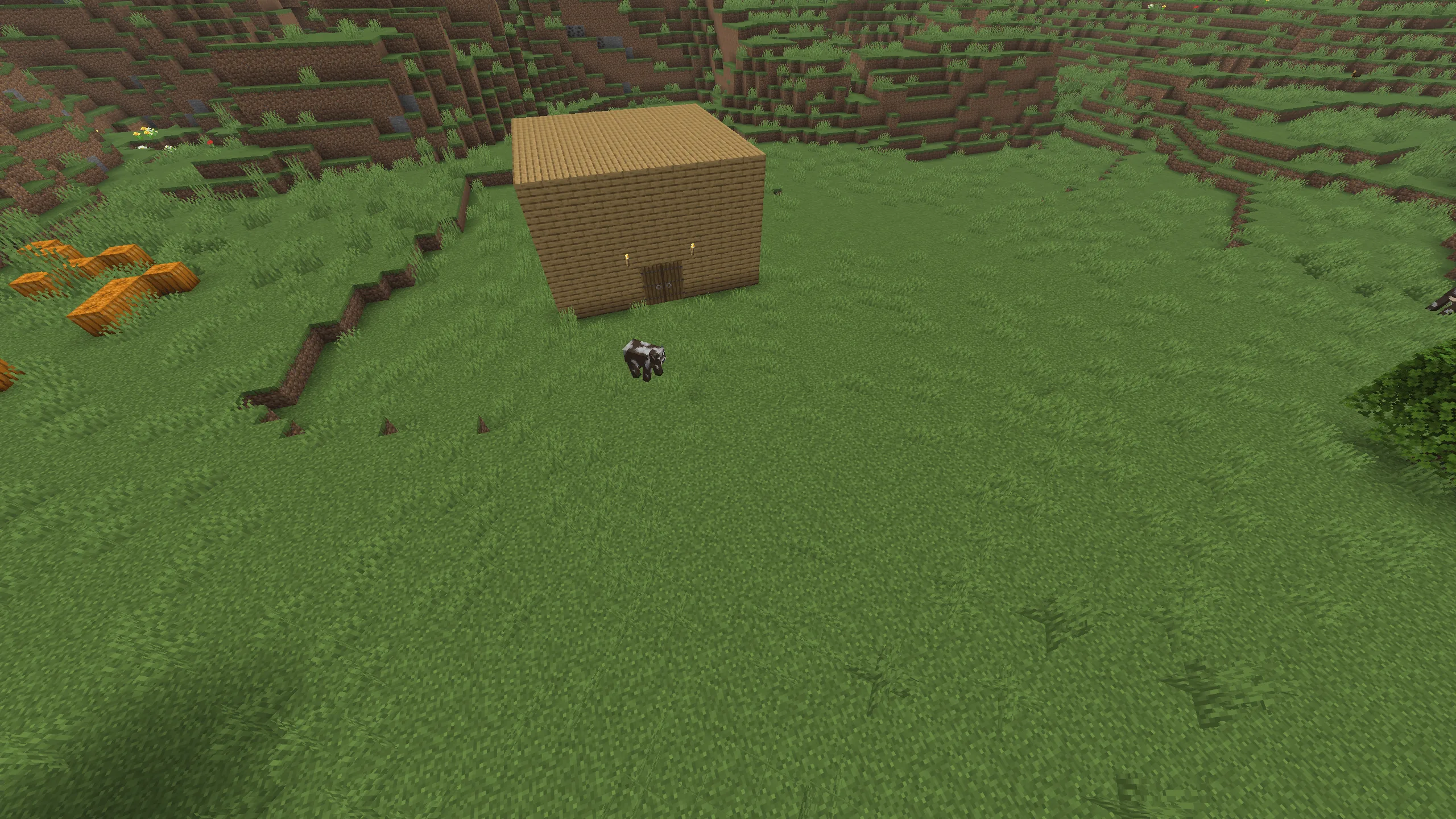
Flat terrain helps because:
-
You can build immediately
-
Large builds are easier to plan
-
Farms and redstone work better
-
Movement is faster and safer
For survival bases, simplicity matters. The Plains biome lets you focus on building instead of clearing land or managing height differences.
Easy Access to Food and Animals
Food is one of the most important parts of survival, especially early in the game. The Plains biome is one of the best places to secure a steady food supply.
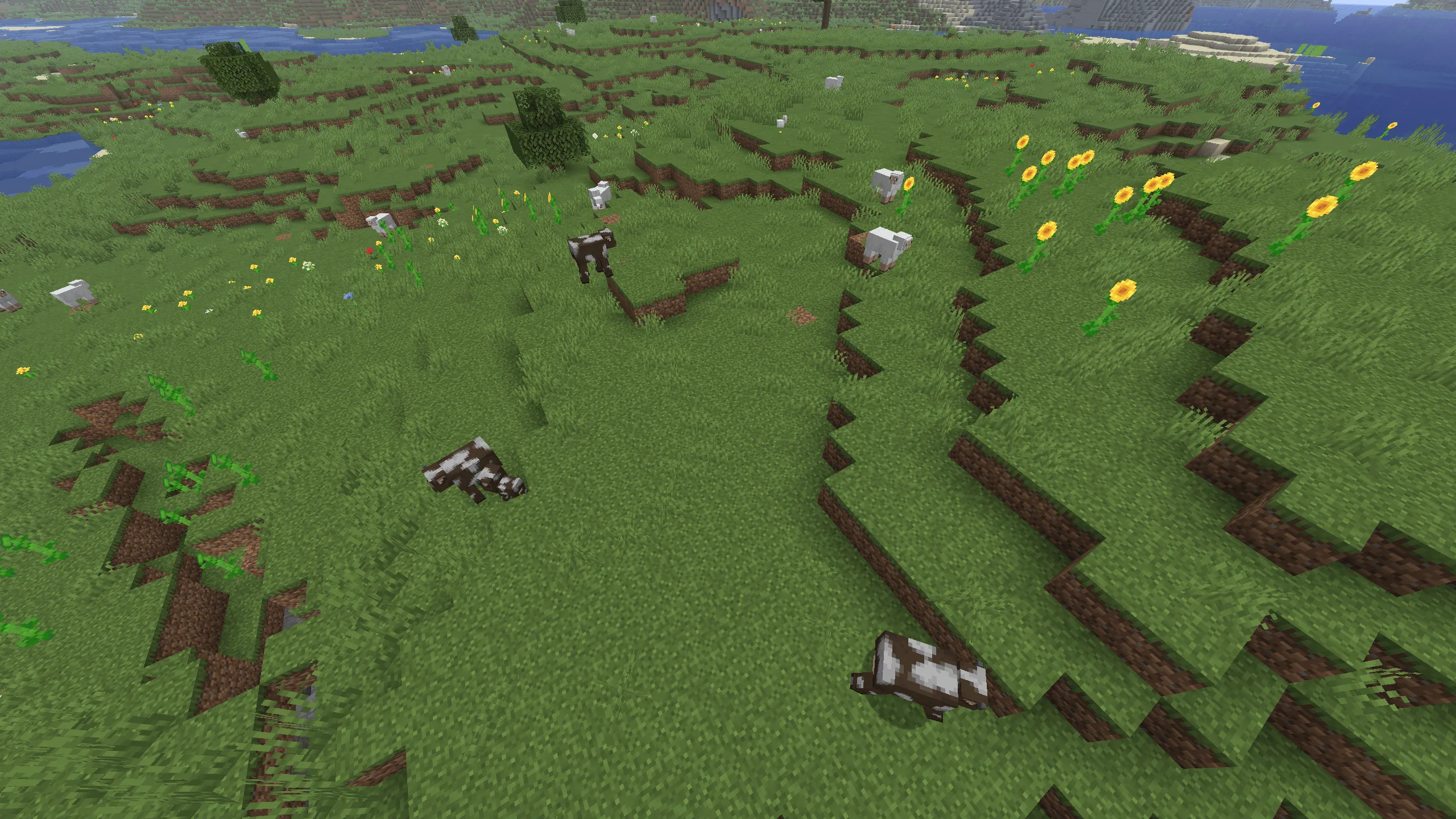
In Plains biomes, you’ll commonly find:
-
Cows for beef and leather
-
Sheep for wool and food
-
Pigs and chickens
-
Seeds from grass for farming
This makes it easy to set up farms early without traveling long distances. Having reliable food near your base reduces risk and saves time.
Villages Make Plains Even Better
Plains biomes have one of the highest chances of village generation. Finding a village early can completely change how survival feels.
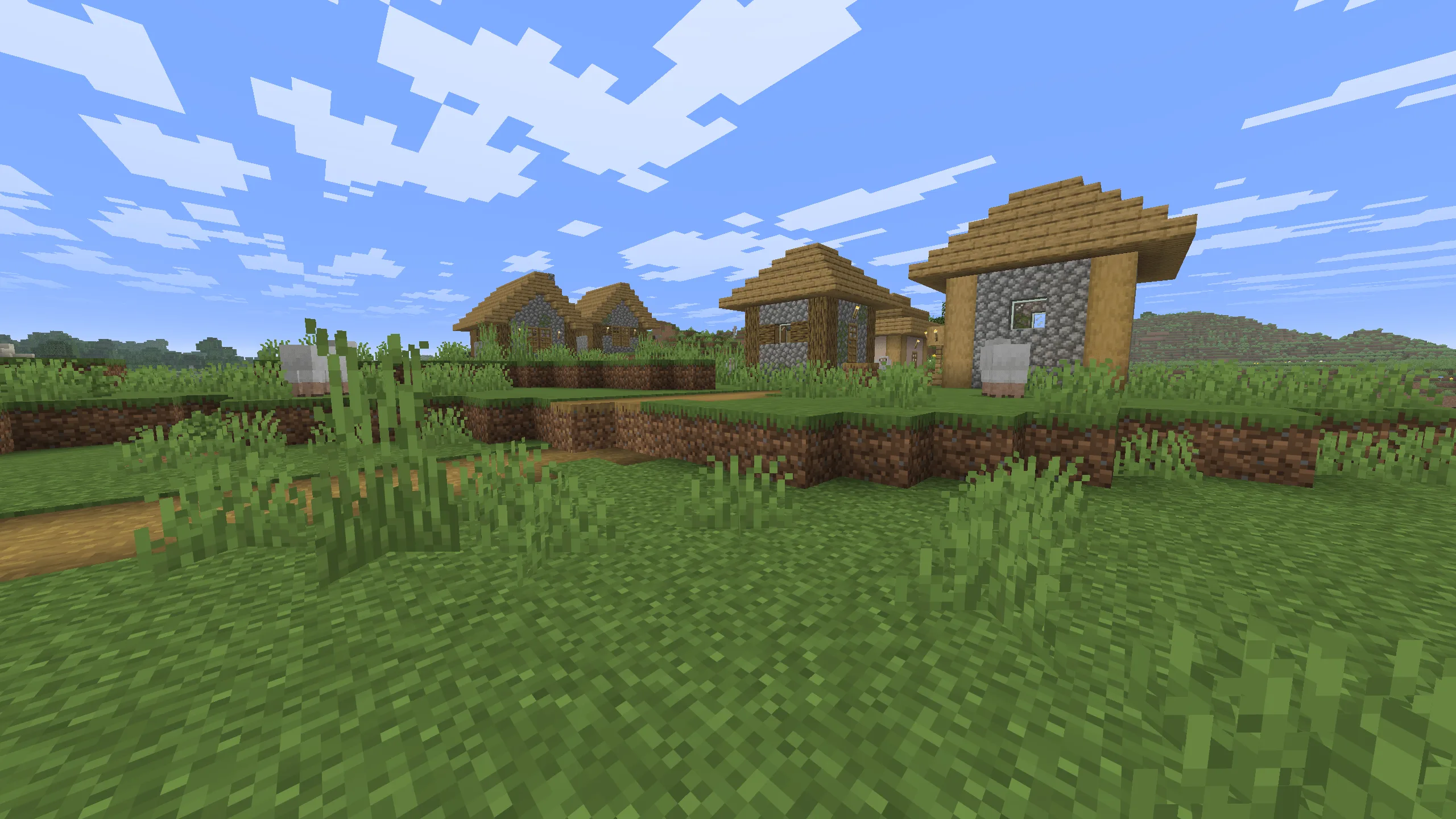
Villages provide:
-
Beds to skip nights
-
Crops for farming
-
Villagers for trading
-
Early access to iron tools
Building a survival base near a Plains Village gives you a strong advantage, especially as a beginner. Even experienced players often settle near villages for long-term trading setups.
Clear Visibility Improves Safety
Visibility plays a huge role in survival safety. In dense biomes like jungles or dark forests, Mobs can appear without warning.
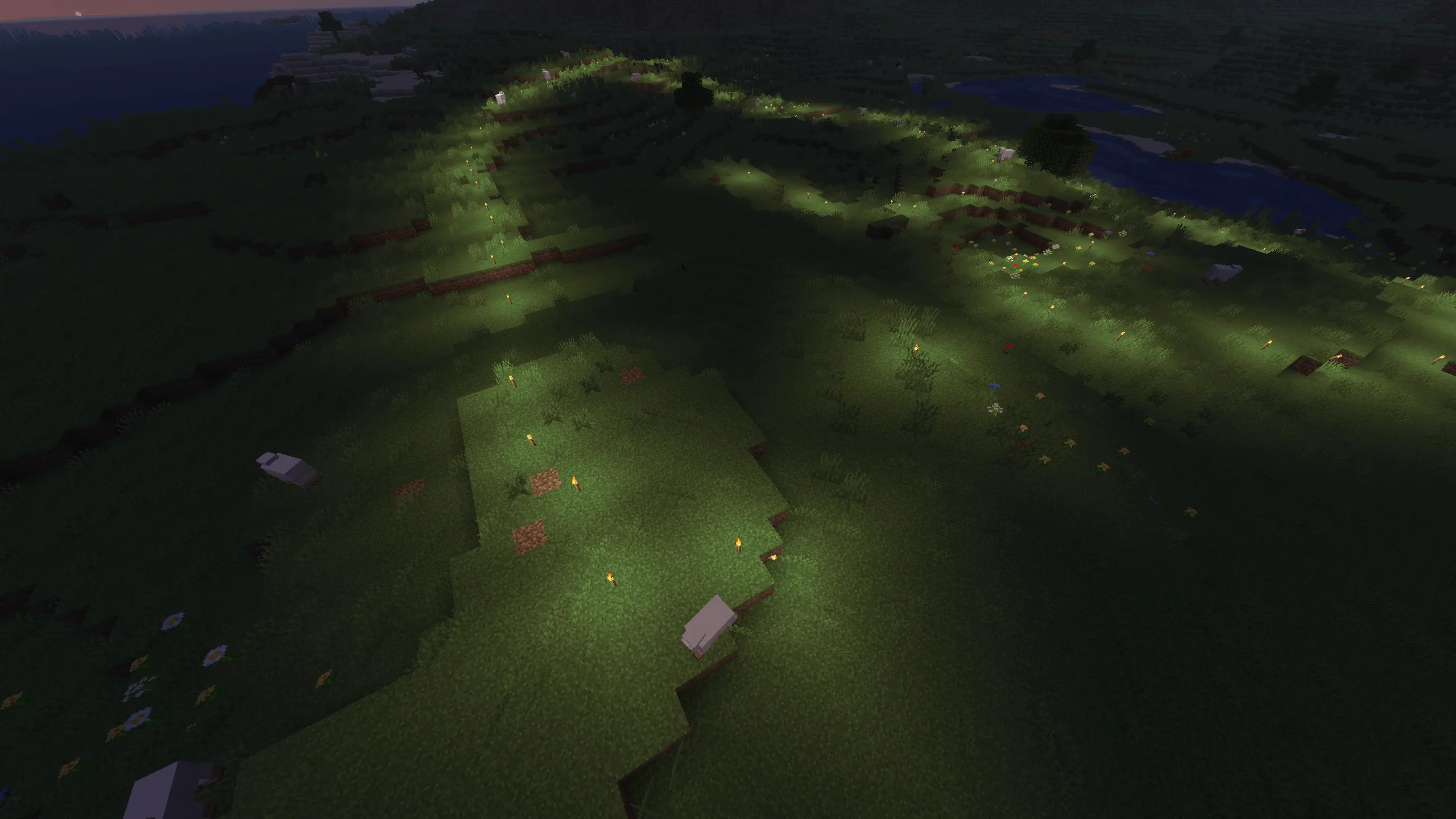
Plains biomes offer:
-
Open sightlines
-
Fewer obstacles
-
Easier mob detection
-
Safer nighttime movement
Being able to see threats early makes combat easier and deaths less frequent. This is especially important for players still learning the game.
Farming Is Easier and More Efficient
The Plains biome is ideal for farming. Its flat terrain and grass blocks allow players to build organized farms without extra effort.
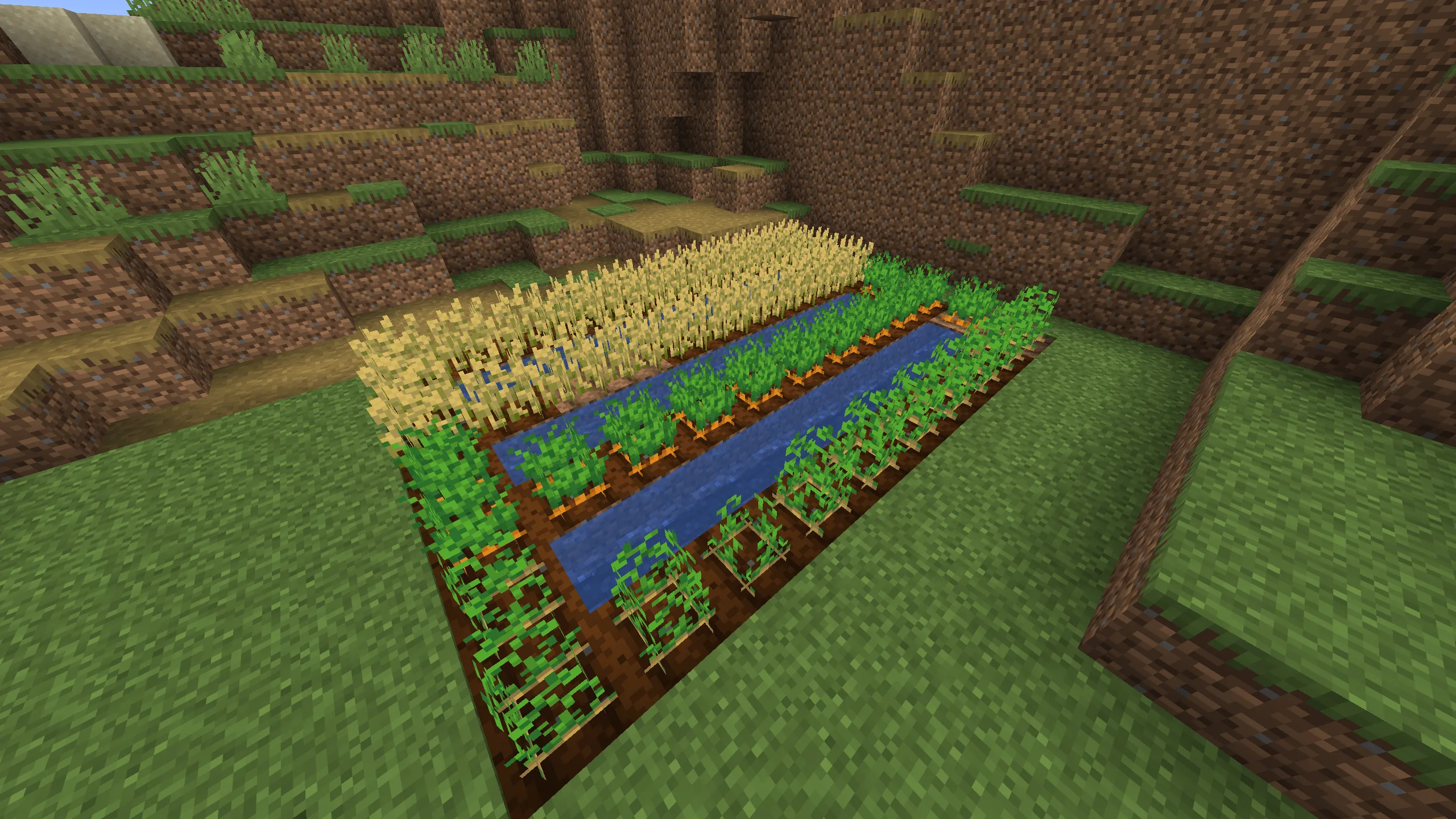
Common farms built in Plains biomes include:
-
Wheat, carrot, and potato farms
-
Animal breeding areas
-
Villager crop farms
-
Automatic redstone farms
If farming is a core part of your survival strategy, Plains is one of the best locations in the game.
Perfect for Redstone and Technical Builds
Redstone projects work best on flat land. Uneven terrain can complicate wiring, spacing, and design.
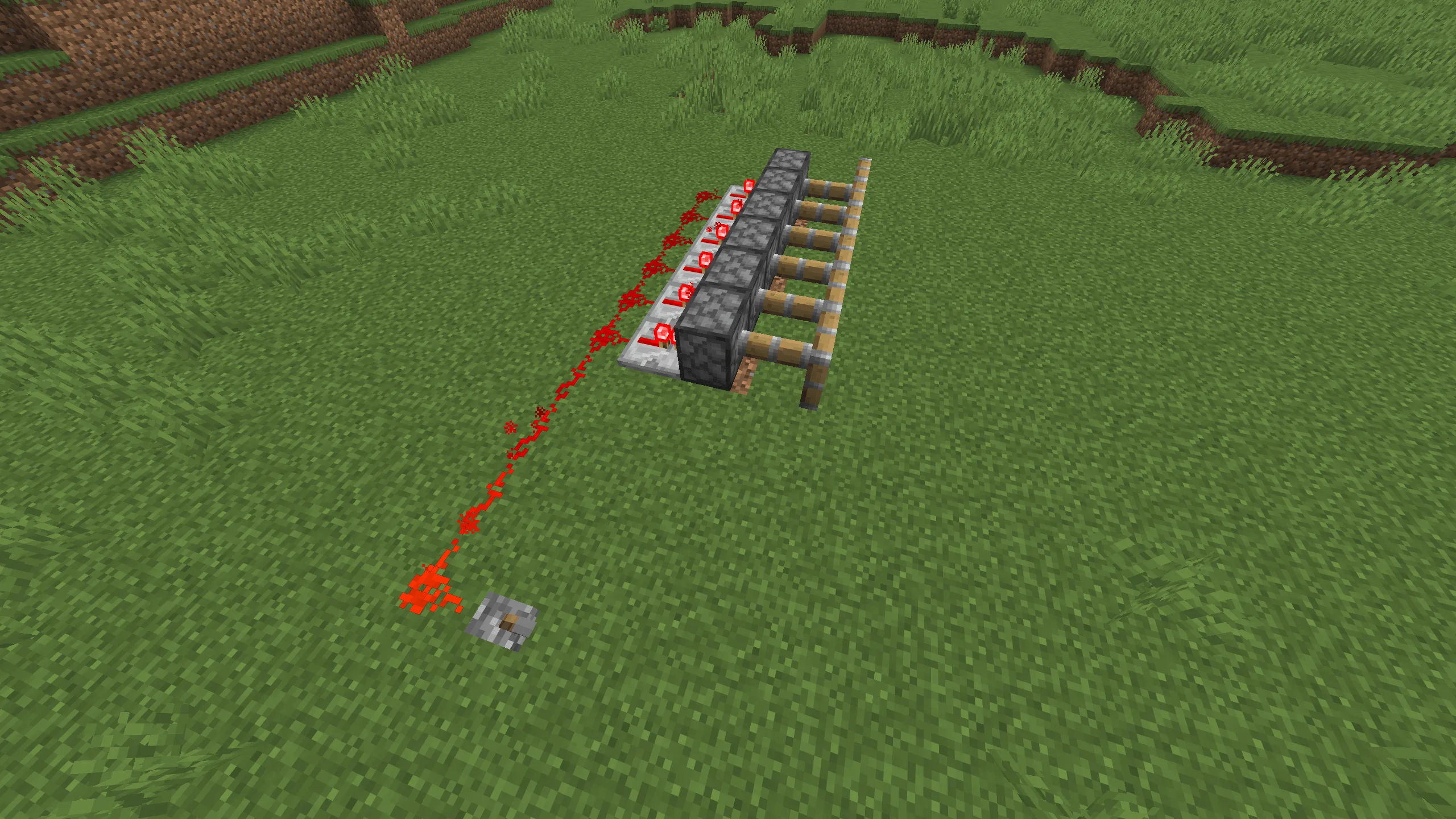
Plains biomes are excellent for:
-
Redstone machines
-
Sorting systems
-
Automatic farms
-
Storage halls
Even players who don’t use redstone early benefit later when expanding their base.
Easy Expansion for Long-Term Worlds
A survival base often grows over time. What starts as a small house can turn into a large base with farms, storage, and builds.
The Plains biome supports expansion because:
-
There’s plenty of open space
-
Builds don’t feel cramped
-
Roads and paths are easy to create
-
Large projects fit naturally
This makes Plains ideal for long-term Survival Worlds.
Low Environmental Danger
Some biomes introduce constant risks that can frustrate players early on.
Plains biomes avoid many of these dangers:
-
No extreme cliffs
-
No lava lakes on the surface
-
No hostile environmental effects
-
No movement penalties
This makes Plains forgiving, especially for beginners who are still learning survival mechanics.
Works for Both Beginners and Advanced Players
The best survival biomes are the ones that work at every stage of the game. Plains biomes do exactly that.
For beginners:
-
Safe movement
-
Easy food
-
Simple building
For advanced players:
-
Mega bases
-
Redstone systems
-
Trading halls
-
Large farms
This versatility is why so many long-term worlds are built in Plains biomes.
Why Plains Often Feel “Boring” (And Why That’s Good)
Some players avoid Plains biomes because they look simple or boring. However, this simplicity is actually their greatest strength.
A neutral biome:
-
Lets your builds stand out
-
Doesn’t force a theme
-
Works with any style
Plains biomes act like a blank canvas, giving players full creative freedom.
When Plains Might Not Be the Best Choice
While Plains are excellent, they aren’t perfect for every playstyle.
You might prefer another biome if:
-
You want dramatic scenery
-
You enjoy vertical builds
-
You prefer unique visuals
Even then, many players still keep their main survival base in a Plains biome while building secondary bases elsewhere.
Final Thoughts
The Plains biome is the best place to build a survival base because it removes unnecessary difficulty. It provides space, safety, food, and flexibility without forcing players to adapt to harsh conditions.
Whether you’re playing Minecraft for the first time or planning a long-term survival world, the Plains biome gives you the strongest foundation possible.
Sometimes the best choice isn’t the most exciting one. It’s the one that quietly supports everything you do.
And in Minecraft Survival, that place is almost always the Plains biome.