Taiga Biome in Minecraft: The Complete Survival Guide
If you have ever spawned into a dense spruce forest with fog curling between the trees and wolves wandering nearby, you already know the taiga. It is one of the most atmospheric biomes in the entire game. Cold, thick, and full of resources that most players overlook in the early game.
The Taiga Biome in Minecraft is not just a pretty backdrop. It is a legitimate survival powerhouse if you know how to use what it gives you. This guide covers everything from what the taiga actually is, where to find it, how to survive it, and why it might honestly be the best starting biome in the game for certain playstyles.
What Is the Taiga Biome in Minecraft?
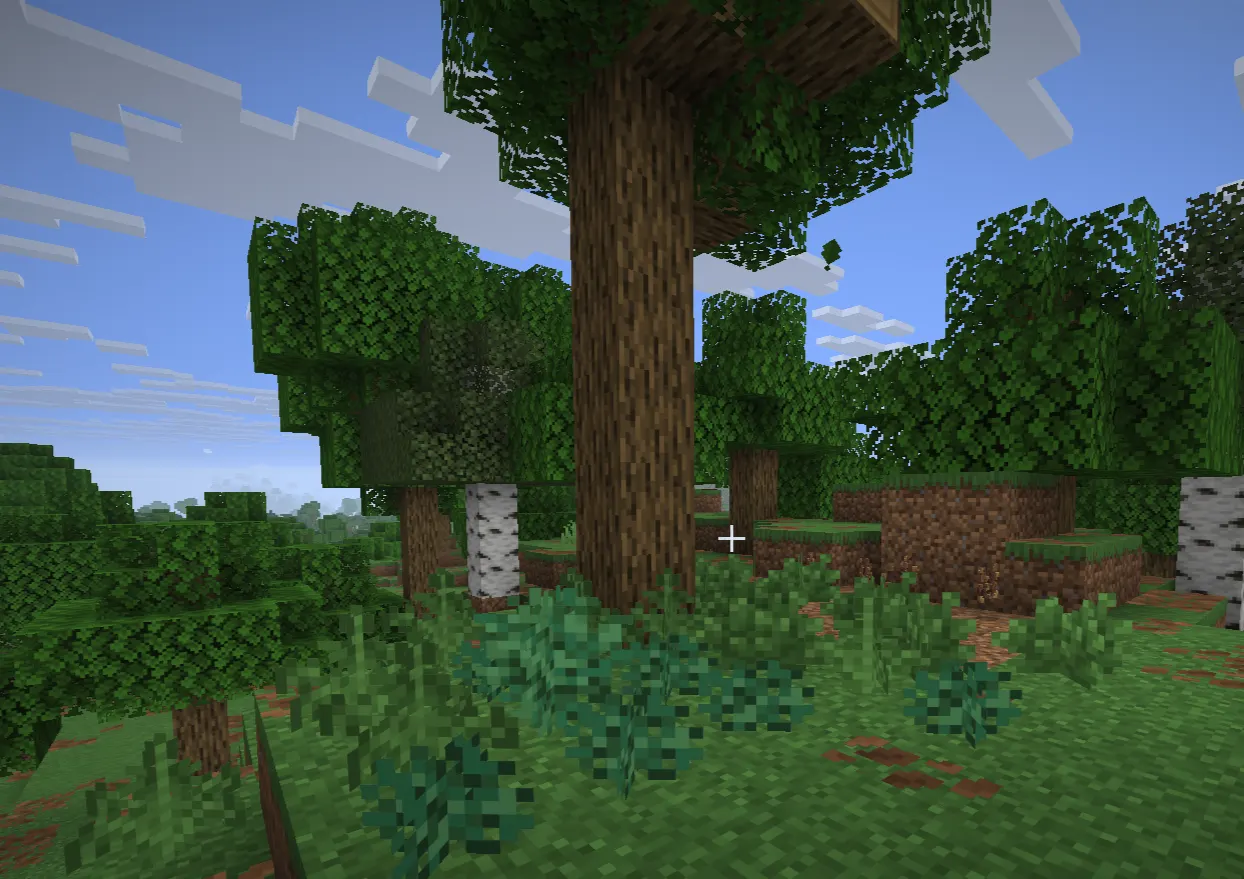
The taiga is a cold forest biome dominated by spruce trees. It takes its name from the real-world taiga, the vast boreal forests that stretch across northern Russia, Canada, and Scandinavia. Minecraft's version captures that feeling pretty well. Tall spruce trees, mossy ground, low temperatures, and a certain quietness that makes it feel different from the warmer biomes.
It generates in temperate to cold regions of the world, usually sitting between Plains or Forests and the colder, snowy biomes further north. You will often find it bordering meadows, old growth forests, or snowy plains, depending on the seed.
The Main Taiga Variants
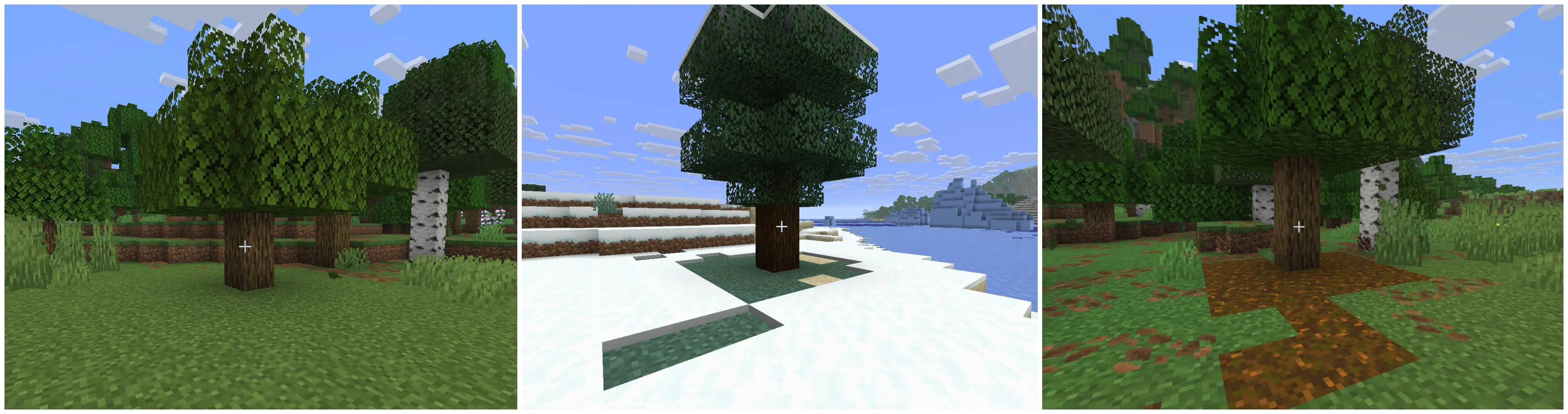
Minecraft does not just have one version of the taiga. There are several variants, and each one plays differently.
Normal Taiga is the standard version. Spruce trees, ferns, sweet berry bushes, and the occasional wolf pack. Villages spawn here. It is the most accessible variant and the one most players encounter first.
Snowy Taiga is colder and covered in snow. The ground is white, the trees are frosted, and it feels genuinely harsh. Resources are the same, but the environment is harder to navigate early on. No villages spawn here, which makes it tougher for beginners.
Old Growth Taiga (previously called Giant Tree Taiga) is where things get interesting. The spruce trees here are enormous, sometimes four blocks wide and towering above the canopy. The ground is covered in podzol instead of grass, and it gives the whole biome a darker, more ancient feel. There are two sub-variants: Old Growth Spruce Taiga and Old Growth Pine Taiga, with the pine version having a slightly less dense canopy.
For a full technical breakdown of biome generation, the official Minecraft Wiki is always a reliable reference.
Key Features of the Taiga Biome
This is what actually makes the taiga worth caring about. The biome is packed with resources that are genuinely useful from day one.
Spruce Trees
Spruce is everywhere in the taiga, which makes wood collection trivially easy. Spruce logs are dark and visually distinct from oak or birch, which matters a lot if you care about aesthetics when building. Beyond that, spruce trees often drop extra saplings, and in the old growth variant, you can harvest enormous amounts of wood from a single tree.
Wolves
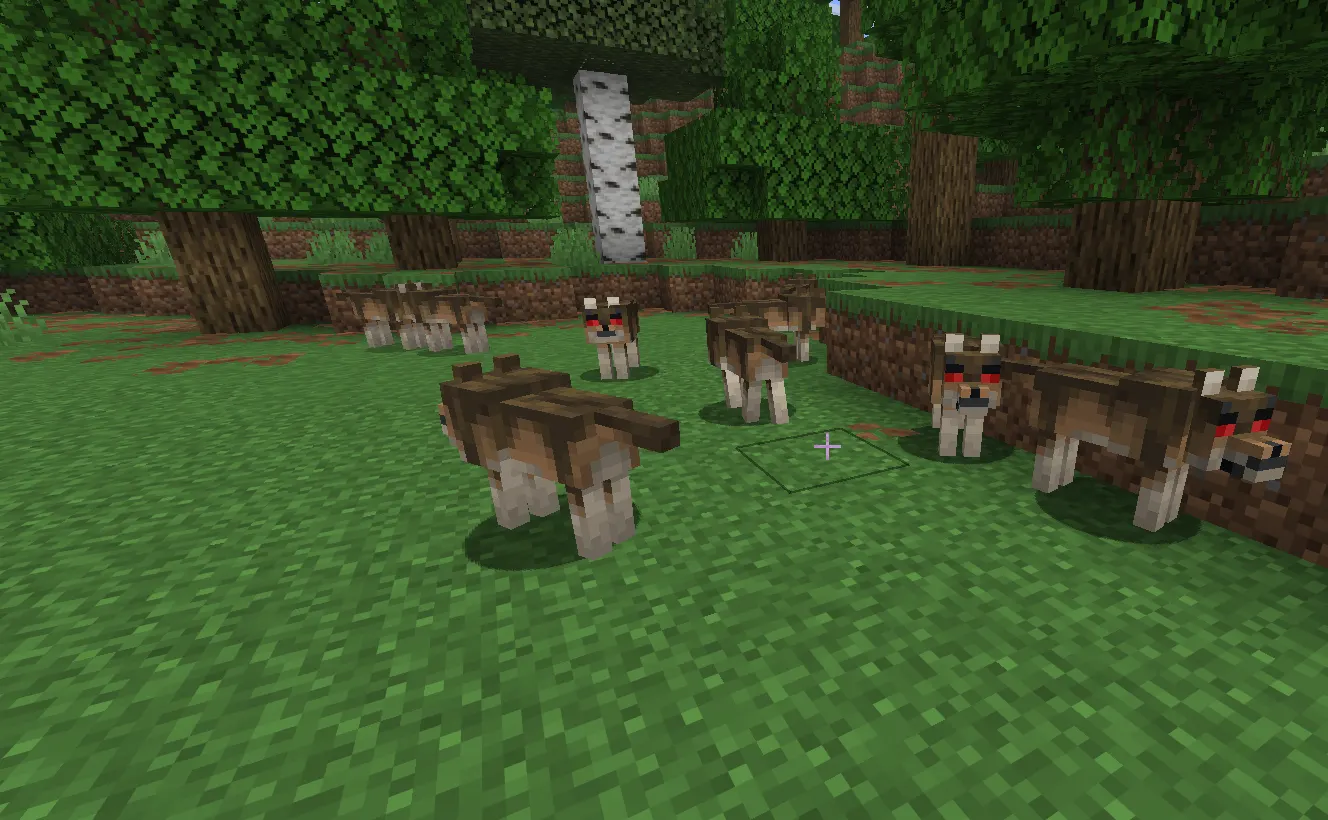
Wolves in Minecraft taiga biomes are one of the biggest draws for survival players. They spawn in packs, usually on grass or dirt under the tree canopy. Taming a wolf requires bones, which you will get from skeleton drops at night. Once tamed, wolves follow you, fight for you, and are genuinely useful in the mid-game when you are tackling caves or the Nether.
The taiga is one of the most reliable places to find wolves, though they also appear in forests. If building a wolf companion army is part of your plan (and it should be), start your search here.
Sweet Berries
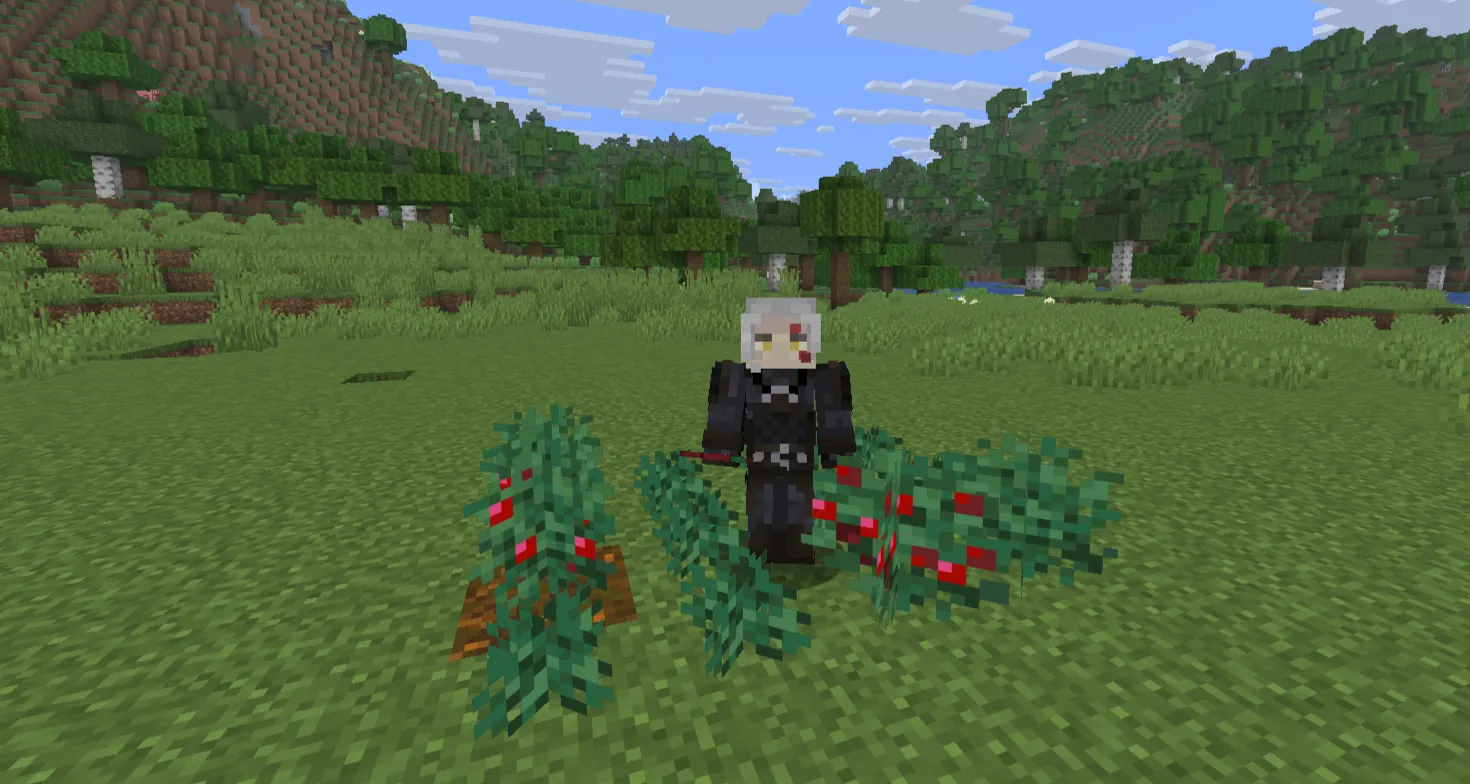
Sweet berries in Minecraft grow almost exclusively in taiga biomes and their variants. They spawn as small bushes, often in clusters. In the early game, they are a lifesaver since they are a food source you can collect without hunting or farming. They also deal a small amount of damage when you walk through the bush, which is worth knowing before you sprint into a patch at night.
Later in the game, sweet berries become useful for breeding foxes, which also naturally spawn in taiga biomes. Foxes are skittish but can be bred and raised as passive companions.
Podzol Blocks
Old-growth taiga variants replace the grass floor with podzol. This dark soil block is unique because mushrooms can grow on it in full sunlight, which is normally impossible. If you want to build an above-ground mushroom farm, podzol is what you need. It cannot be obtained with a shovel in Survival unless you use Silk Touch, so the old growth taiga is the only practical source.
Villages
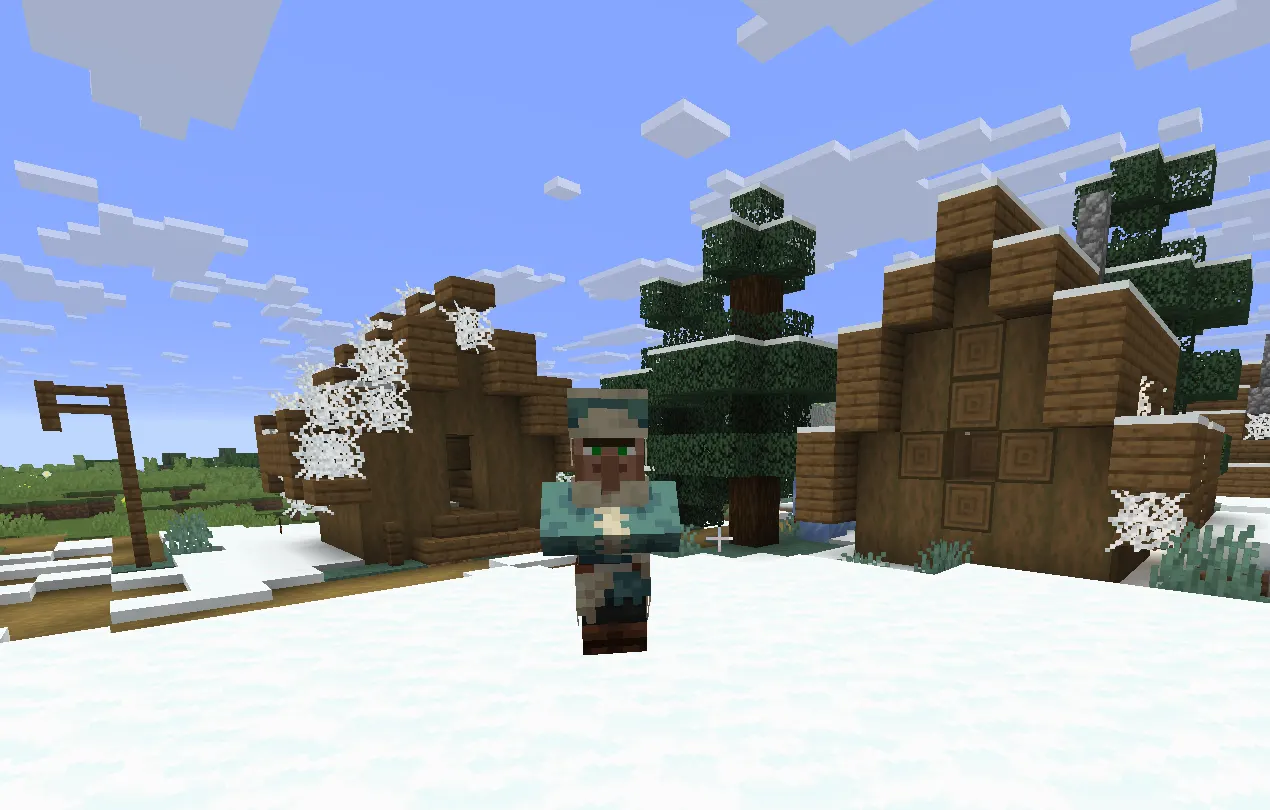
Villages do spawn in the normal taiga biome, and they look noticeably different from Plains villages. Taiga villages use spruce wood construction, which gives them a rustic, cabin-like feel. They contain the same trade mechanics as other villages, including farmers, librarians, and blacksmiths, depending on which buildings are generated. Finding a taiga village early is a huge advantage since it provides shelter, beds, food chests, and access to villager trades before you have established your base.
Taiga Biome Variants Explained
Normal Taiga
The baseline. Medium-height spruce trees, scattered ferns, sweet berry bushes, and open enough to navigate without too much trouble. This is where wolves and foxes spawn most frequently. Villages generate here. For new players, this is the most forgiving taiga variant and the best starting point.
Snowy Taiga
Everything gets harder. Snow covers the ground, and water freezes at the surface. No villages, which means no easy shelter. Animals still spawn, but visibility drops in blizzard conditions. The snowy taiga in Minecraft looks incredible, but it punishes slow preparation. Players who enjoy the challenge of cold biomes in Minecraft will find this rewarding. Everyone else might struggle without a plan.
Old Growth Taiga (Spruce and Pine)
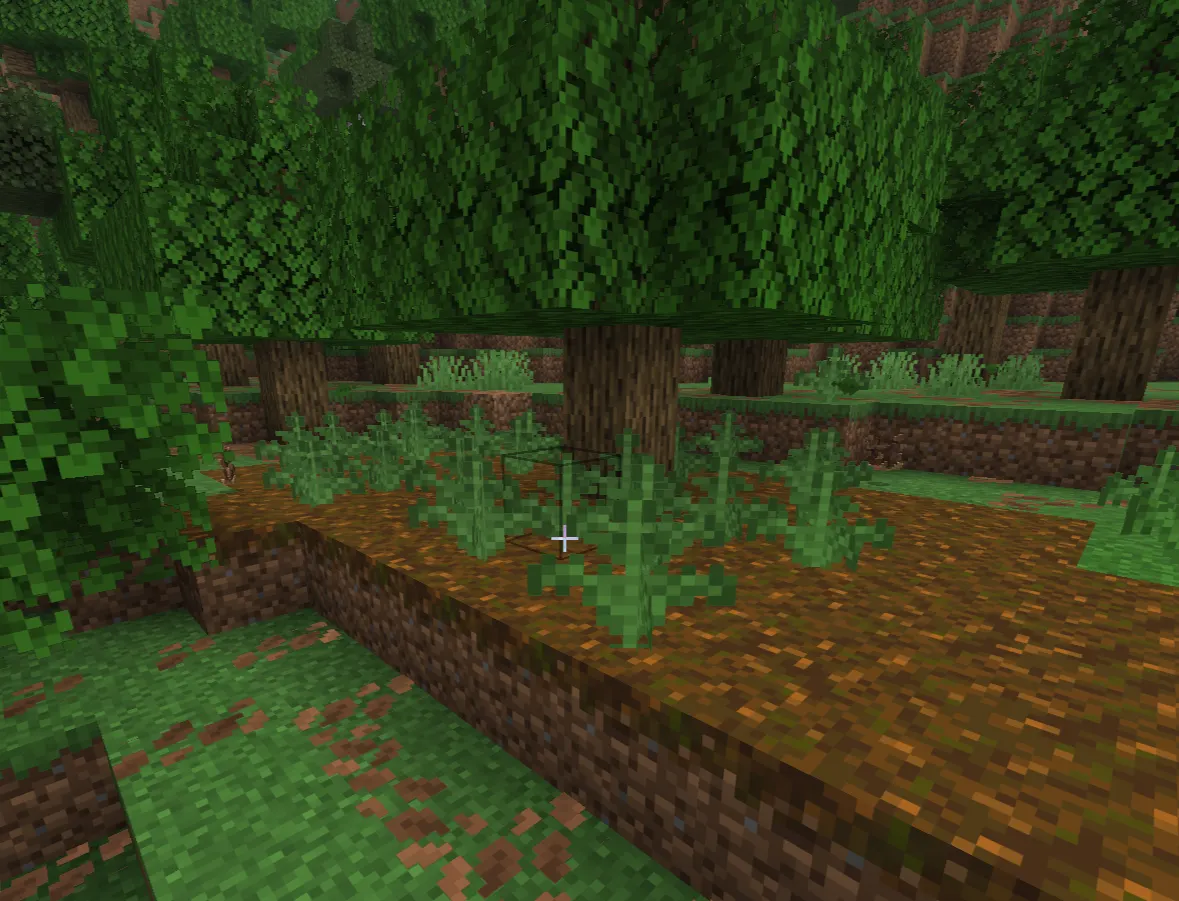
The old-growth taiga is where the biome becomes genuinely special. Giant spruce trees, dense canopy, podzol ground, and an atmosphere that feels more like a primeval forest than anything else in the game. Wood supply is essentially unlimited. The podzol makes mushroom farming easy. It is darker than the normal taiga even at midday, so Mob spawning can be unpredictable.
The pine variant has slightly less canopy coverage, which means better light levels and easier navigation.
How to Find the Taiga Biome in Minecraft
Exploration Tips
The taiga is found in cold to temperate climate zones. If you are playing on a standard world, start walking away from warm biomes like deserts or jungles and look for the temperature shift. Spruce trees visible in the distance are a reliable indicator. The biome is not considered rare, so you will generally encounter it within a few hundred blocks of spawn if the seed is reasonable.
Using Seeds
The fastest way to guarantee a taiga start is to use a known seed. Seeds like 1234, -2143500864, or community-sourced ones from websites like Chunkbase will let you spawn directly in or near a taiga. If you want a snowy taiga Minecraft experience specifically, look for seeds that generate cold biome clusters near spawn.
Using Commands
If you are playing with cheats enabled or on a server with permissions, use this command to locate the nearest taiga:
/locatebiome minecraft: taiga
For snowy taiga: /locatebiome minecraft:snowy_taiga
For old growth: /locatebiome minecraft:old_growth_spruce_taiga
The command returns coordinates. Copy them and use /tp to travel there instantly.
Survival Guide: Taiga Biome in Minecraft
Food Sources
Sweet berries are your immediate answer to food pressure in the early game. They are low saturation, so you will need a lot of them, but they are free and everywhere. Foxes drop sweet berries when killed, which is an alternate collection method once you have gear.
For better food, hunt the rabbits and chickens that spawn in the biome. Wolves can help you hunt if you have already tamed one. Salmon spawn in taiga rivers and are worth fishing for since cooked salmon gives solid saturation.
Once you have basic tools, set up a wheat farm near a village or in a cleared area. The taiga gives you enough flat land to work with once you clear some trees.
Shelter Tips
If a village spawns nearby, sleep in one of the beds immediately on your First night. Do not waste time building from scratch when shelter is sitting right there. If no village, use the spruce wood you have been chopping and build a quick cabin. Spruce fits the aesthetic naturally, so even an ugly first shelter looks decent here.
In old-growth variants, consider building between or even inside the giant trees. Their trunks are four blocks wide, and the interior can be hollowed out for a surprisingly atmospheric hideout.
Early Game Advantages
The Minecraft survival taiga biome experience is strong in the early game for a few specific reasons.
Wood is abundant. You will never run out of building material or fuel.
Sweet berries mean you do not need to prioritize farming immediately.
If wolves are nearby, taming one or two on the first or second day gives you a combat companion before you have iron armor.
Villages with blacksmith chests can hand you iron tools or even diamonds before you have touched a mine.
Pros and Cons of the Taiga Biome
Pros
-
Wood supply is essentially limitless, thanks to spruce density
-
Sweet berries provide early game food with no farming required
-
Wolves are easy to find and tame
-
Villages spawn with taiga-specific architecture and useful loot
-
Podzol in old-growth variants enables surface mushroom farms
-
Foxes spawn here, which is useful for players who want passive mob farms
-
The biome looks genuinely good as a base location
Cons
-
The dense canopy in old-growth variants causes more Mob spawning during the day
-
Sweet berries deal damage when walked through, which is annoying before you learn to avoid them
-
Snowy taiga variant has no villages and is genuinely harsh for new players
-
The dark lighting under large spruce trees can make surface navigation confusing at night
-
Finding flat land for large-scale farming requires more clearing work than Plains biomes
Best Uses of the Taiga Biome
Base Building
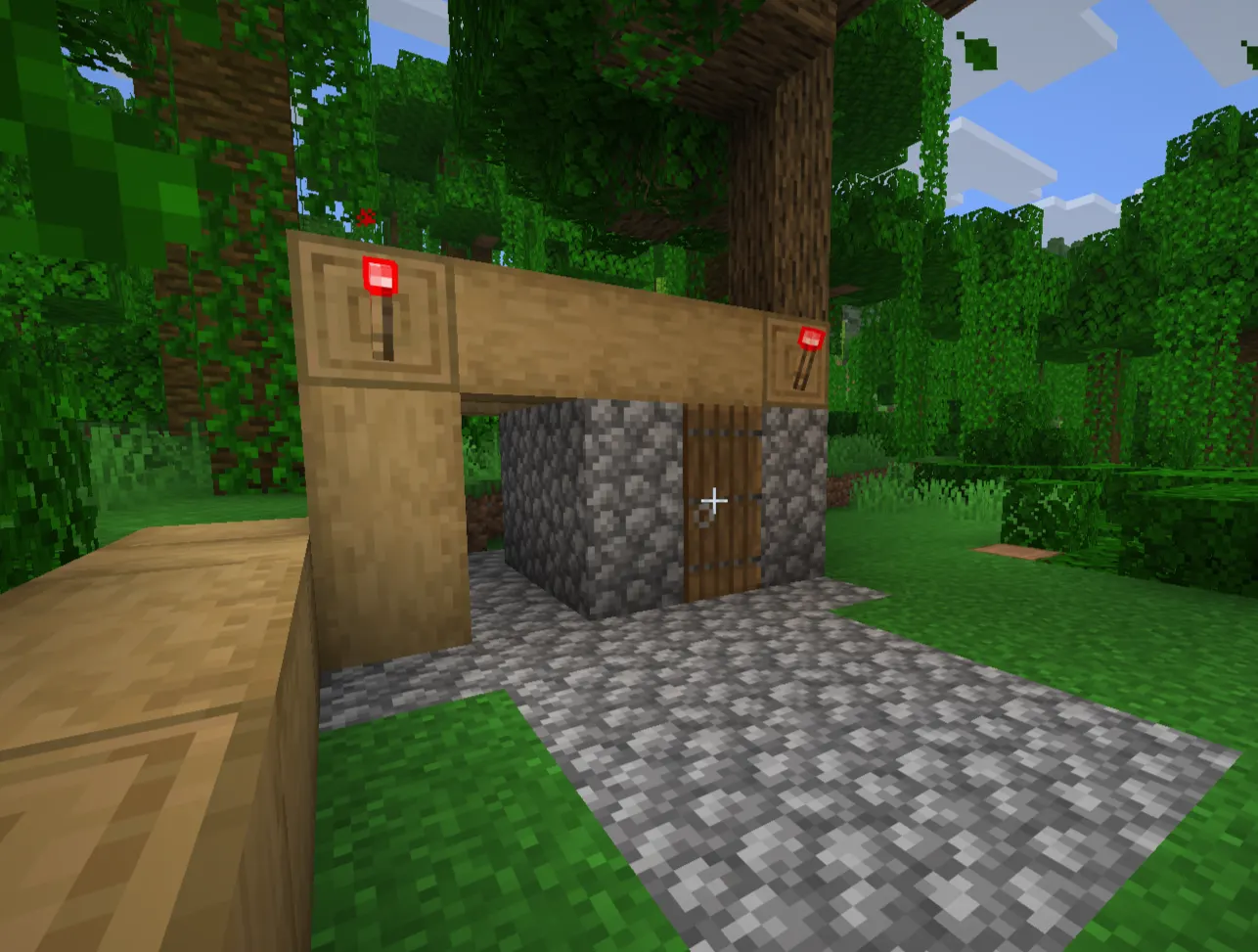
The taiga is one of the best biomes for base building purely on aesthetics and resource proximity. Spruce wood builds look natural here. The terrain gives you hills for elevation variety. Old-growth variants provide dramatic natural backdrops. If you are a builder who cares about the setting as much as the structure, the taiga is hard to beat.
Berry Farming
Sweet berry farms are simple and productive once you understand the mechanics. Plant bushes in rows, let them grow, and harvest without destroying the plant. A medium-sized berry farm produces thousands of berries per hour of game time with zero maintenance. This also fuels fox breeding if that is something you want to pursue.
Wolf Taming
The taiga is arguably the best biome for wolf taming in the entire game. High spawn density, open enough terrain to spot packs easily, and the wolves here seem to generate in larger groups than in Forest biomes. Collect a stack of bones from Skeletons before you start, and you can have a full wolf pack in a single morning.
Wood Supply
For any project that needs massive amounts of wood, including boats, campfires, smokers, or just building material, the taiga is a faster harvest location than any other biome. Old-growth trees yield 20 to 40 logs each, depending on height. Set up a tree farm near your base using spruce saplings, and you will never need to travel for wood again.
Taiga Biome vs Other Biomes
Taiga vs Plains
Plains biomes offer flat terrain, open grass, and frequent villages. They are easier to farm and build on without preparation. The taiga has more resources (wood, wolves, berries) but requires more clearing work. For pure efficiency, plains wins. For resources and atmosphere, the taiga is better.
Taiga vs Forest
The regular forest biome uses oak trees and does not have wolves, foxes, or sweet berries. It is denser than taiga in some ways, but offers fewer unique resources. The taiga is a direct upgrade from the forest if you want a wooded start with more biological diversity.
Taiga vs Snowy Biomes
Snowy plains and ice spikes look spectacular, but punish new players hard. No villages, freezing water, and limited food sources. The normal taiga gives you most of the cold aesthetic without the survival penalty. If you want the winter experience without fighting the environment constantly, the normal taiga is the better pick over true snowy biomes.
Tips and Pro Strategies
Bring Silk Touch early. Podzol in old-growth taiga cannot be collected without Silk Touch. If you want to build surface mushroom farms elsewhere in your world, stockpile podzol before you leave the biome. It is one of the few blocks you cannot replicate through farming.
Use sweet berry bushes as natural fencing. Hostile mobs can walk through them, but take damage. Planting berry bushes around a perimeter does not replace walls, but it discourages mob pathfinding and softens anything that tries to push through.
Foxes are already holding items when they spawn. Taiga foxes sometimes spawn with emeralds, rabbits' feet, or feathers in their mouths. You can get these items without killing the fox by feeding it and letting it drop the item naturally during breeding cycles.
The canopy darkness is exploitable. In old-growth taiga, the light level under the canopy can be low enough for passive mob spawning to be suppressed and for hostile mobs to wander in unexpected places. This is a problem until you light the area, but you can use it deliberately by leaving unlit zones around hostile mob farms you build nearby.
Taiga wolves respawn. If you find a wolf pack location and remember the chunk coordinates, new wolves will continue to spawn in that area over time as long as it is not lit to prevent spawning. You do not need to travel to find wolves repeatedly.
Quick Answer: What Is the Taiga Biome in Minecraft?
The Taiga Biome in Minecraft is a cold, spruce-dominated forest biome that generates in temperate climate zones. It contains wolves, foxes, sweet berry bushes, and podzol in its old growth variants. Villages spawn in the normal taiga variant, making it one of the strongest early-game Biomes in the game.