Introduction
Combat is one of the most critical survival skills in Minecraft. Whether you're playing Survival mode or just exploring a new world, understanding how to fight effectively can mean the difference between staying alive and respawning at your spawn point.
As a beginner, you don't need advanced tactics or enchanted gear to survive combat encounters. Instead, you need to understand the fundamentals: positioning, weapon choice, timing, and mob behavior. This guide covers everything a new player needs to handle Hostile mobs confidently and survive those first dangerous nights.
By the end of this article, you'll know how to engage enemies safely, choose the right weapons, and use environmental advantages to win fights.
Understanding Minecraft Combat Basics
Before you engage any hostile mob, you need to grasp the core mechanics of combat in Minecraft.
Attack Cooldown System
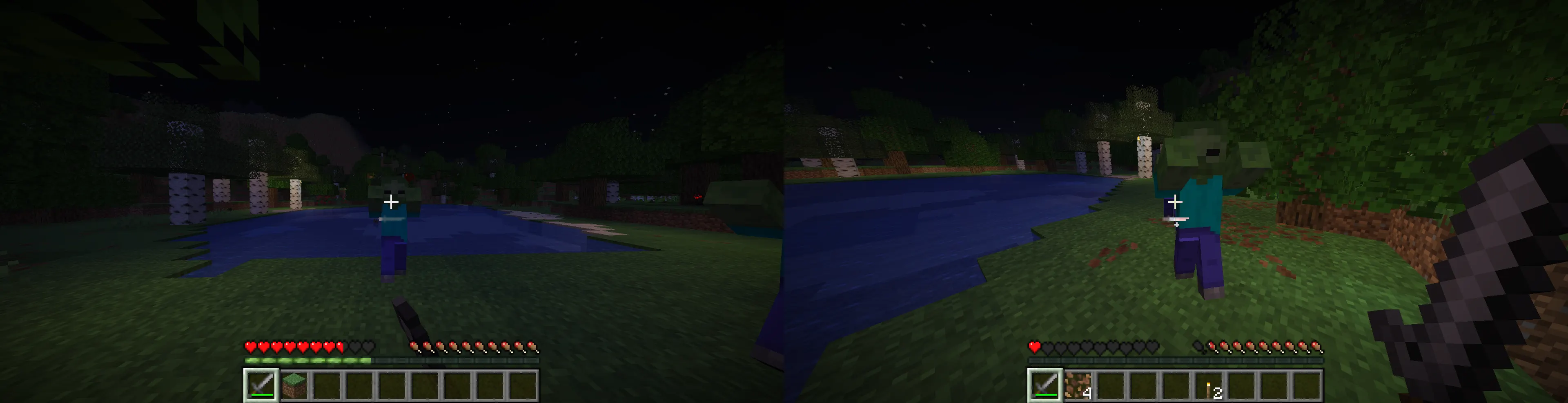
Minecraft uses an attack cooldown mechanic that determines how often you can deal damage. Each weapon has a different cooldown period measured in seconds.
-
Swords: 0.625 seconds between hits
-
Axes: 1 second between hits
-
Pickaxes and Shovels: Slower cooldown, not recommended for combat
-
Bare hands: 0.5 seconds between hits
This means swords are the most reliable early-game combat tool. You can attack faster and deal consistent damage compared to other tools.
Critical Hits
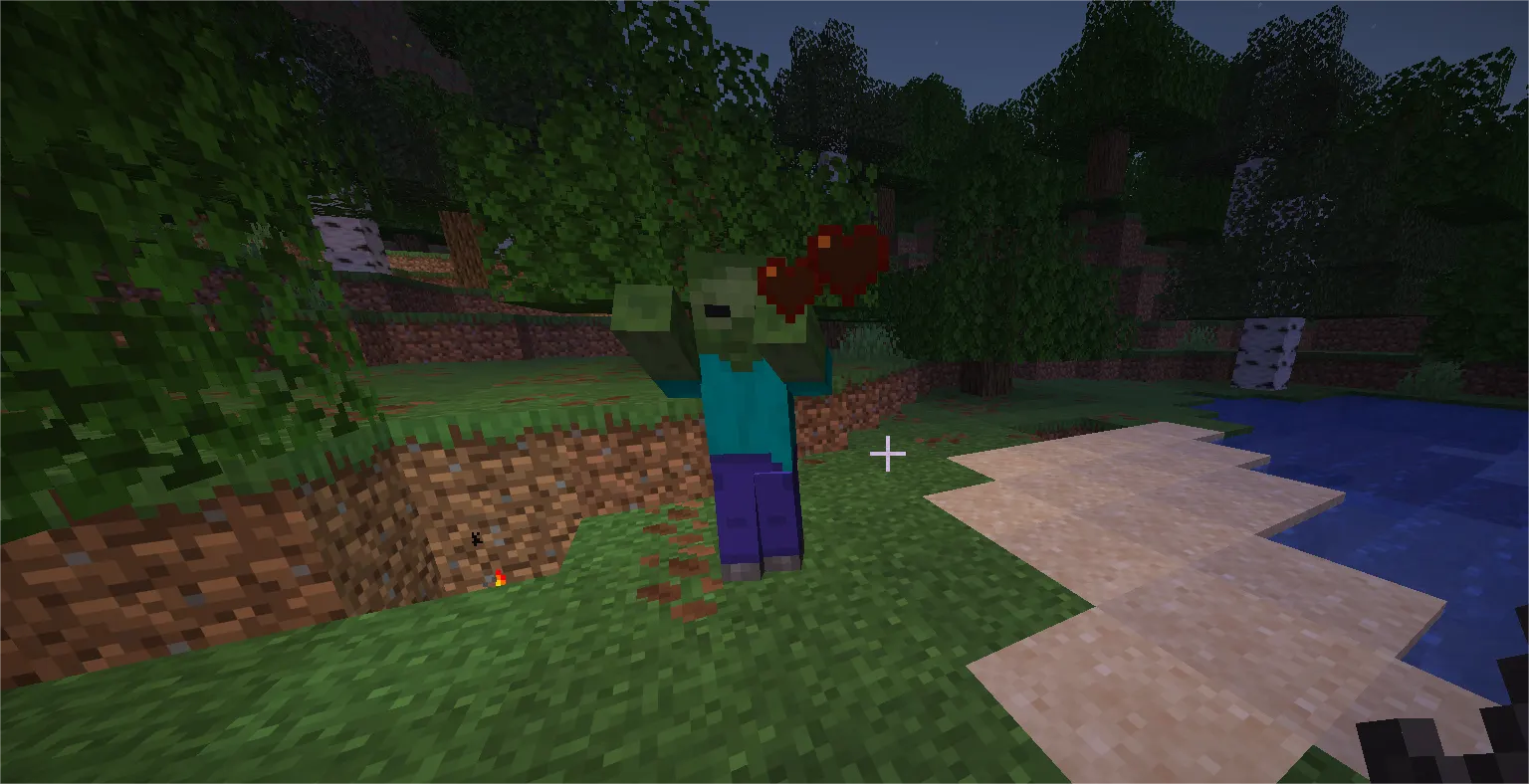
When you hit an enemy while falling, you deal a critical hit that deals extra damage (approximately 150% normal damage). You'll see damage numbers appear in yellow when this happens.
To land critical hits:
-
Jump before attacking
-
Sprint and jump at an angle toward your opponent
-
Attack at the peak of your jump for best results
Even as a beginner, landing critical hits significantly improves your damage output and gives you an edge in close combat.
Knockback Mechanics
When you hit a mob, it gets pushed backward. This mechanic is powerful because it gives you space and time to strike again safely. Learning to use knockback effectively keeps enemies at arm's length and prevents them from overwhelming you.
Essential Early-Game Weapons
Wooden or Stone Sword (Priority #1)
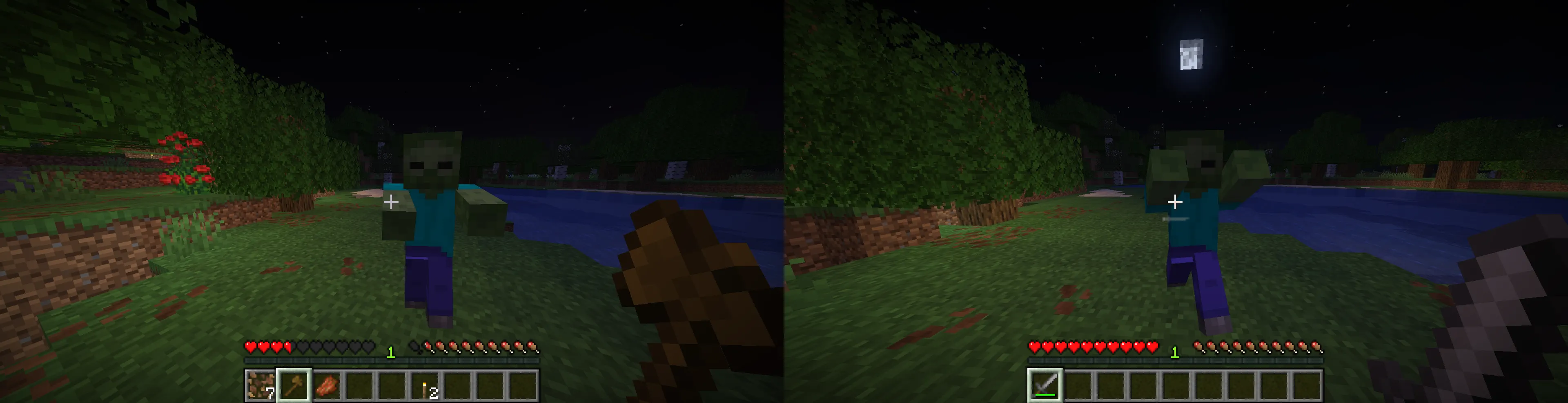
Your first combat weapon should be a wooden or stone sword. Both are easy to craft early and effective enough to handle most mobs.
Wooden Sword Recipe:
-
2 Wood Planks + 1 Stick
Stone Sword Recipe:
-
2 Cobblestone + 1 Stick
Why swords first? They have the fastest attack speed and deal reasonable damage without requiring advanced resources. A stone sword is the natural upgrade once you've mined your first stone.
Iron Sword (Mid-Early Game)
Once you find iron ore (usually below Y-level 72 in Java Edition), crafting an iron sword is your next goal.
Iron Sword Recipe:
-
2 Iron Ingots + 1 Stick
Iron swords deal significantly more damage than stone (6 damage vs. 4 damage per hit). This upgrade makes a real difference when fighting stronger mobs.
Axe (Situational)
Axes deal more damage per hit than swords but have a longer cooldown. For beginners, axes aren't recommended as your primary weapon because:
-
Slower attack speed means less control
-
You have fewer opportunities to react
-
Swords are more forgiving
However, once you're comfortable with combat, axes become viable for powerful burst damage.
Bow (Ranged Alternative)
Bows allow you to damage enemies from a distance, which is invaluable for beginners who want to avoid close combat.
Bow Requirements:
-
3 Sticks + 3 String (drop from Spiders)
Bows are especially useful for:
-
Killing Skeletons before they shoot you
-
Dealing with mobs on high platforms
-
Softening enemies before close combat
Pro Tip: You need arrows, which require feathers (from Chickens) and flint (from Gravel). Early on, find a Skeleton and farm its arrows instead.
Master the Strafe Technique
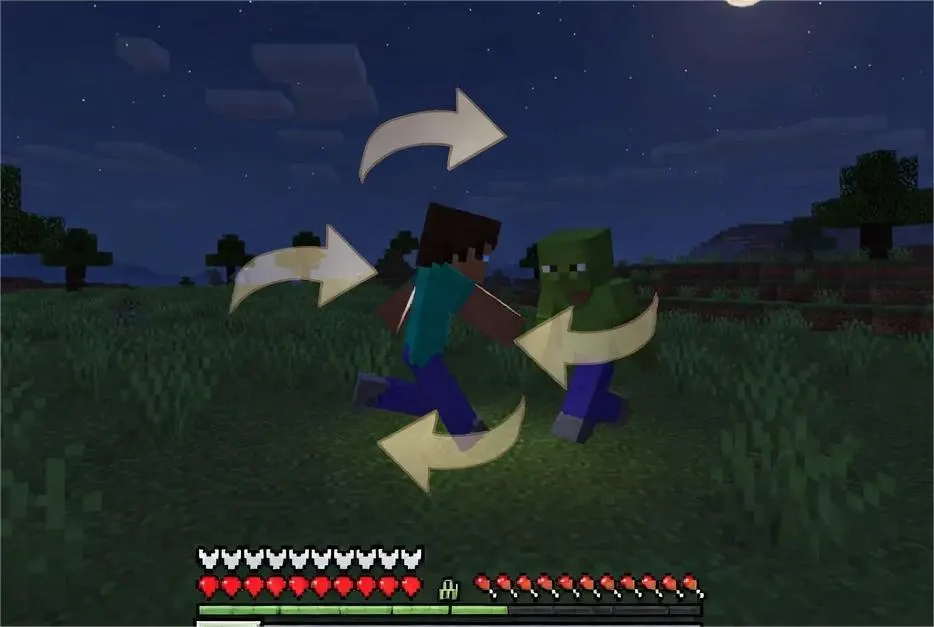
Strafing is the most important combat technique for beginners to learn. It keeps enemies from landing hits while you attack safely.
How to Strafe
-
Lock eyes on your target (hold right-click to aim if using a bow)
-
Move to the side (A or D key) while backing away
-
Strike when the mob misses
-
Continue circling
Why Strafing Works
Mobs in Minecraft can't turn as quickly as players. When you strafe, you move faster than the mob can follow, creating openings for attacks. This technique alone will improve your survival rate dramatically.
Practice Exercise: Find a Zombie in the open and practice circling it without taking damage. Once you can do this consistently, you're ready for harder fights.
Combat Strategy by Mob Type
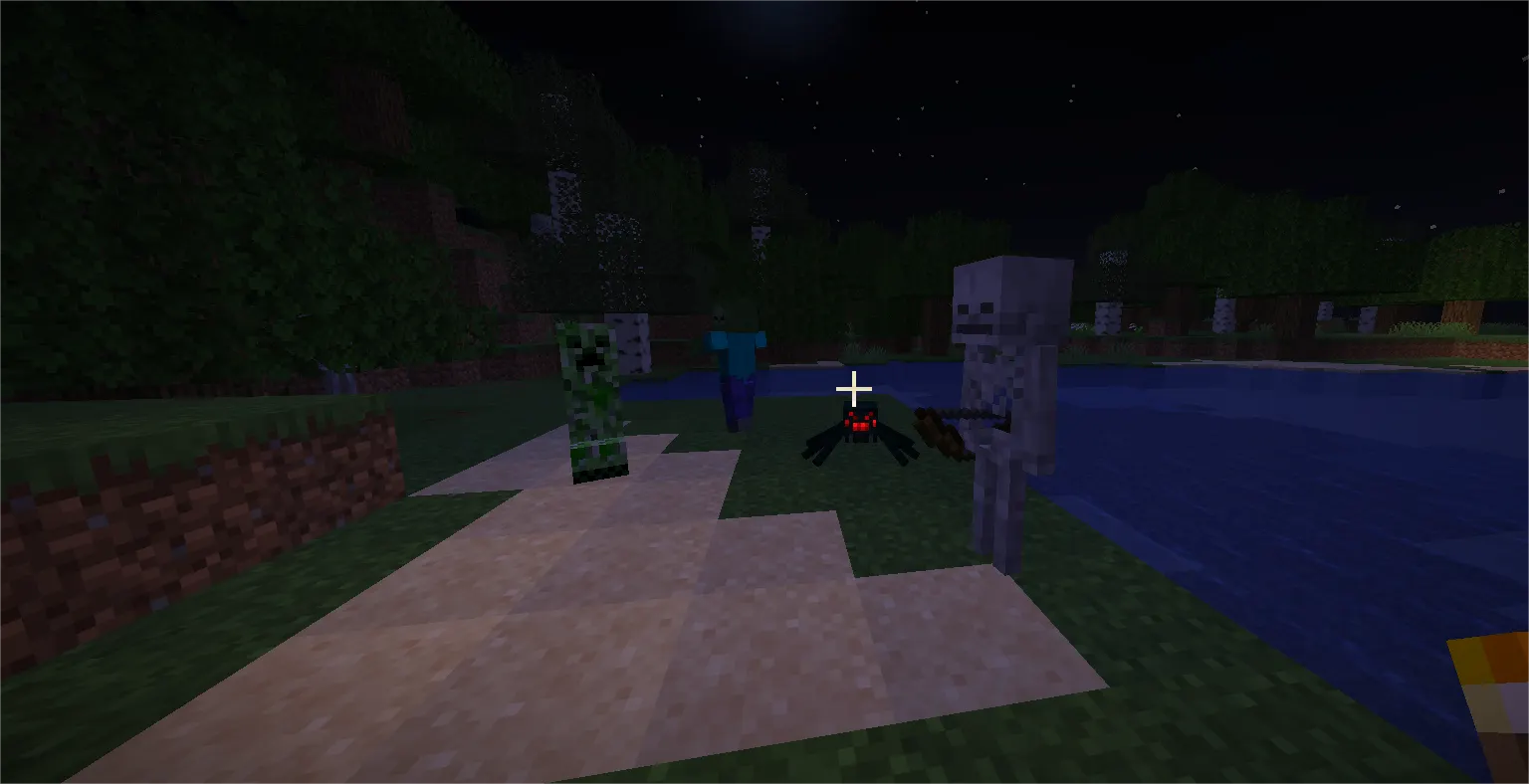
Zombies (Easiest)
Zombies are slow and deal predictable damage. Beginners should practice on Zombies first.
Strategy:
-
Keep your distance and strafe
-
Use the knock-back to maintain space
-
A few hits with a stone sword kill them easily
-
Don't panic—they're slow and telegraphed
Damage: 2.5 hearts per hit in Survival mode
Skeletons (Moderate)
Skeletons are more dangerous because they attack from range.
Strategy:
-
Sprint toward them to close the distance quickly
-
Use a bow if you have one—ranged combat avoids arrows
-
Strafe aggressively to dodge incoming fire
-
Once close, they're weak in melee combat
-
Use terrain for cover (sprint behind trees or blocks)
Tip: If a Skeleton is far away, don't engage unless you have a bow. Retreat and find better positioning.
Spiders (Moderate)
Spiders climb walls and deal decent damage, but they're predictable.
Strategy:
-
Fight during the day (Spiders are neutral in daylight)
-
At night, corner them so they can't climb around you
-
Use horizontal swipes—spiders are narrow targets
-
Circle strafe like you would with Zombies
Advantage: Spiders drop string, which is useful for bows and fishing rods.
Creepers (High Danger)
Creepers are the most dangerous mob for beginners. They explode, destroying your builds and dealing massive damage.
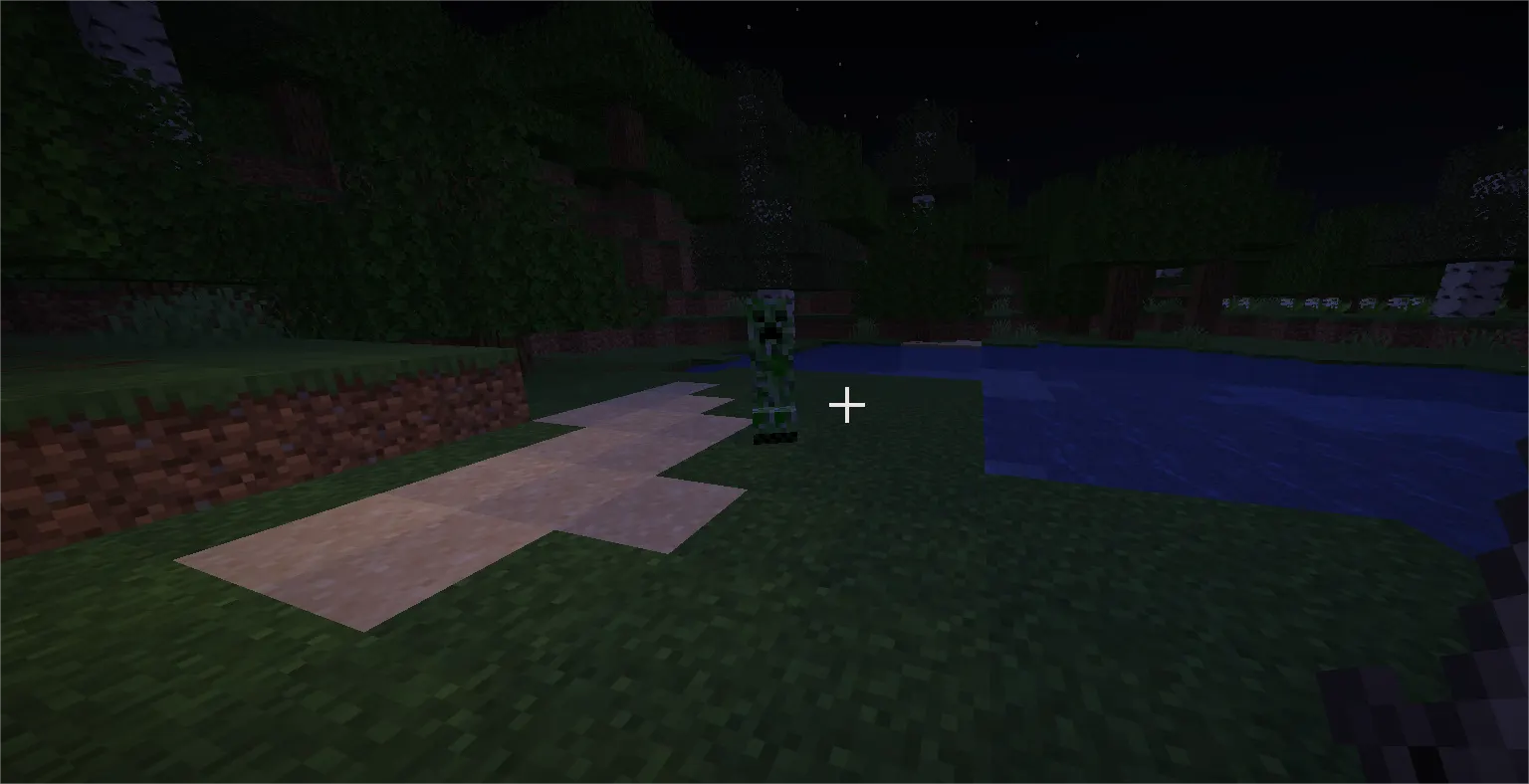
Strategy:
-
Never let them get close—maintain 5+ block distance
-
Use a bow to kill from range
-
If one is near, run sideways in an arc to avoid the blast
-
Sprint jump to escape if one gets close
-
Fighting uphill is safe—position yourself higher
Critical Rule: If you see a Creeper at night and don't have a bow, RUN. Find shelter and wait for daylight.
Endermen (Avoid Early)
Endermen are neutral unless you look at them. Avoid engaging them as a beginner.
Early-Game Rule: Don't look at Endermen's face. Look at their body instead.
Positioning and Environmental Advantages
Smart positioning wins fights more than raw damage.
Use Terrain to Your Advantage
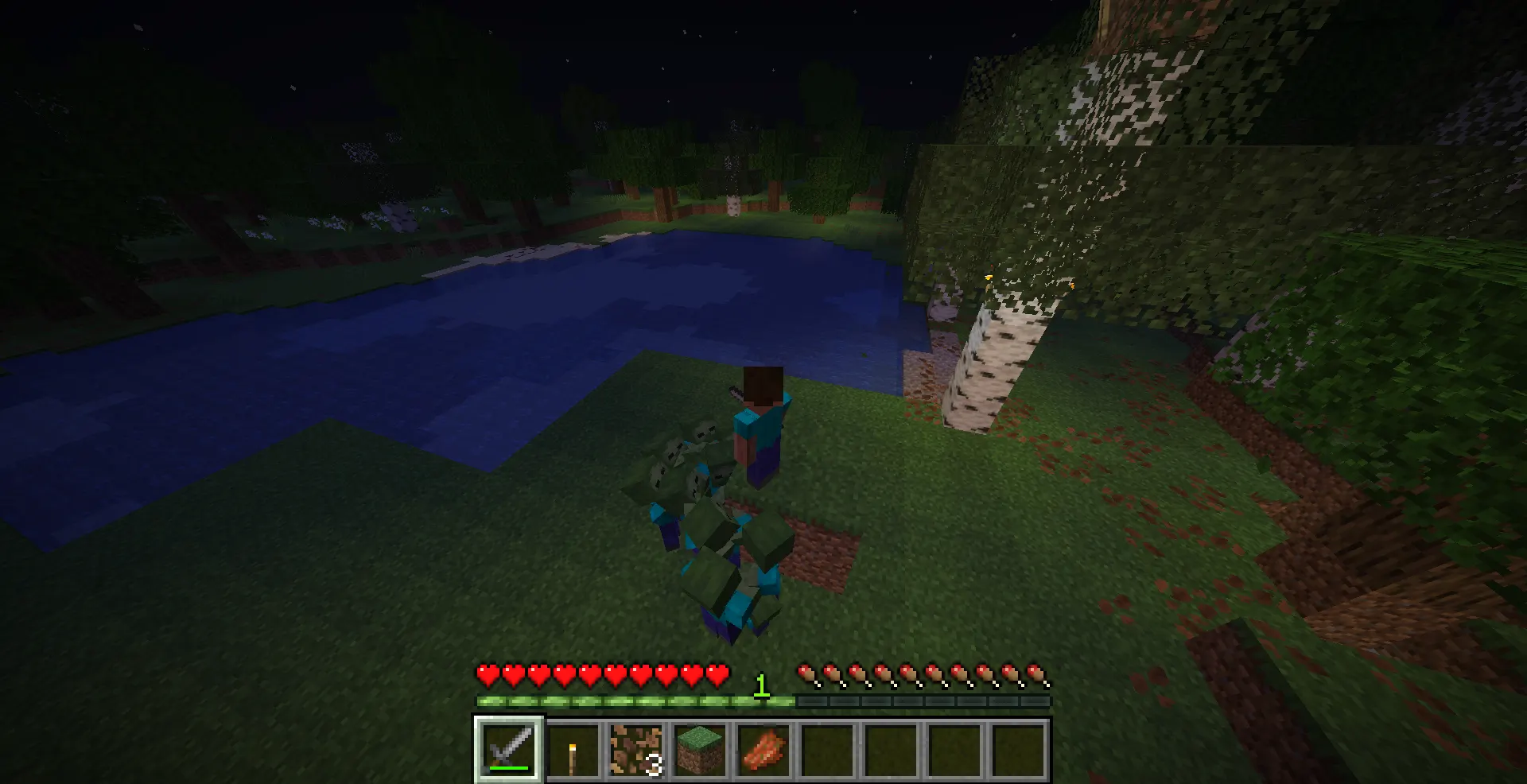
High Ground: Fighting uphill is always favorable. Mobs move more slowly going uphill, giving you more time between their attacks.
Corners: Fight with walls to your sides. This prevents mobs from surrounding you and forces them to approach from one direction.
Doorways: Narrow passages limit mob movement. Fighting in a 1-block-wide doorway is easier than open combat.
Pillaring: If you need to escape, pillar up (place blocks under you). Most mobs can't follow you 3+ blocks up.
Lighting and Timing
The First night is always dangerous. Avoid unnecessary combat:
-
Build a small shelter as soon as the sun sets
-
Lock yourself in with a door
-
Fight only if you absolutely have to
As you get better, you can engage mobs at night, but early on, shelter is your best defense.
Food and Health Management
Healing is essential for survival.
Keep Food in Your Inventory
Different foods restore different amounts:
-
Bread: 2.5 hunger points (easy to farm)
-
Cooked Chicken: 3 hunger points (drop from Chickens)
-
Cooked Pork: 4.5 hunger points (drop from Pigs)
-
Steak: 4 hunger points (drop from Cows)
Eat before you're critically low on health. At 5 hearts or less, disengage from combat and eat immediately.
Hunger vs. Health
-
Hunger bar (legs icon): Depletes when you run, jump, or mine
-
Health bar (hearts icon): Depletes when mobs hit you
Your hunger bar must be at least half-full to naturally regenerate health. Always maintain food.
What NOT to Do
Beginners often make these mistakes:
Don't Chase Mobs Into Darkness
Never follow a mob into a cave or dark area at night. More mobs spawn in darkness, and you'll be ambushed.
Don't Fight Multiple Mobs at Once
One zombie is manageable. Two zombies and a skeleton are deadly. If surrounded:
-
Sprint away
-
Seek high ground
-
Hide in a structure
Don't Engage Without an Exit Plan
Always know where you can run. Fighting with shelter nearby is safer.
Don't Ignore Your Hunger Bar
Even if you're winning, hunger limits your regeneration. Eat constantly.
Don't Waste Durability on Non-Threats
Tools and weapons have durability. Don't fight unnecessary mobs just to test your new sword.
Practice Scenarios for Beginners
Scenario 1: Single Zombie in Open
-
Find a zombie during the day
-
Practice strafing in circles
-
Land 5+ hits without taking damage
-
Goal: Build confidence and muscle memory
Scenario 2: Skeleton + Bow
-
Find a Skeleton at a distance
-
Use a bow to kill it from range
-
Focus on accuracy over speed
-
Goal: Learn ranged combat
Scenario 3: Multiple Zombies
-
Gather 2-3 Zombies with aggro
-
Practice backing away while attacking
-
Use knockback to create space
-
Goal: Understand mob prioritization and escape
Scenario 4: First Night in Shelter
-
Lock yourself in a 3x3 room
-
Wait out the night listening to mob sounds
-
See how many mobs spawn outside
-
Goal: Understand mob mechanics and feel safer