Introduction
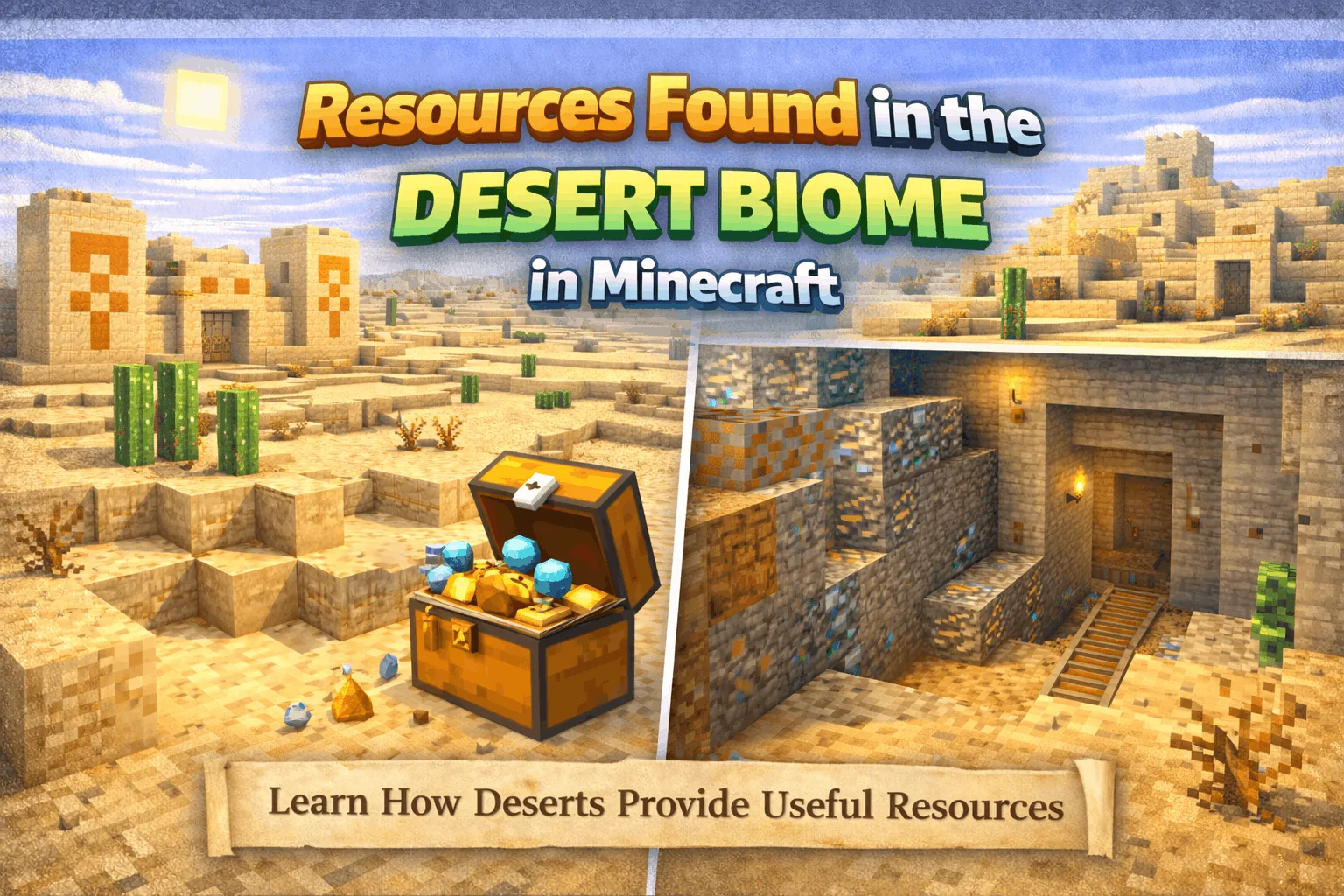
At first glance, the Desert Biome in Minecraft looks like one of the least useful places to gather resources. There are no trees, very few animals, and the landscape feels empty compared to forests or plains.
However, deserts are far from useless.
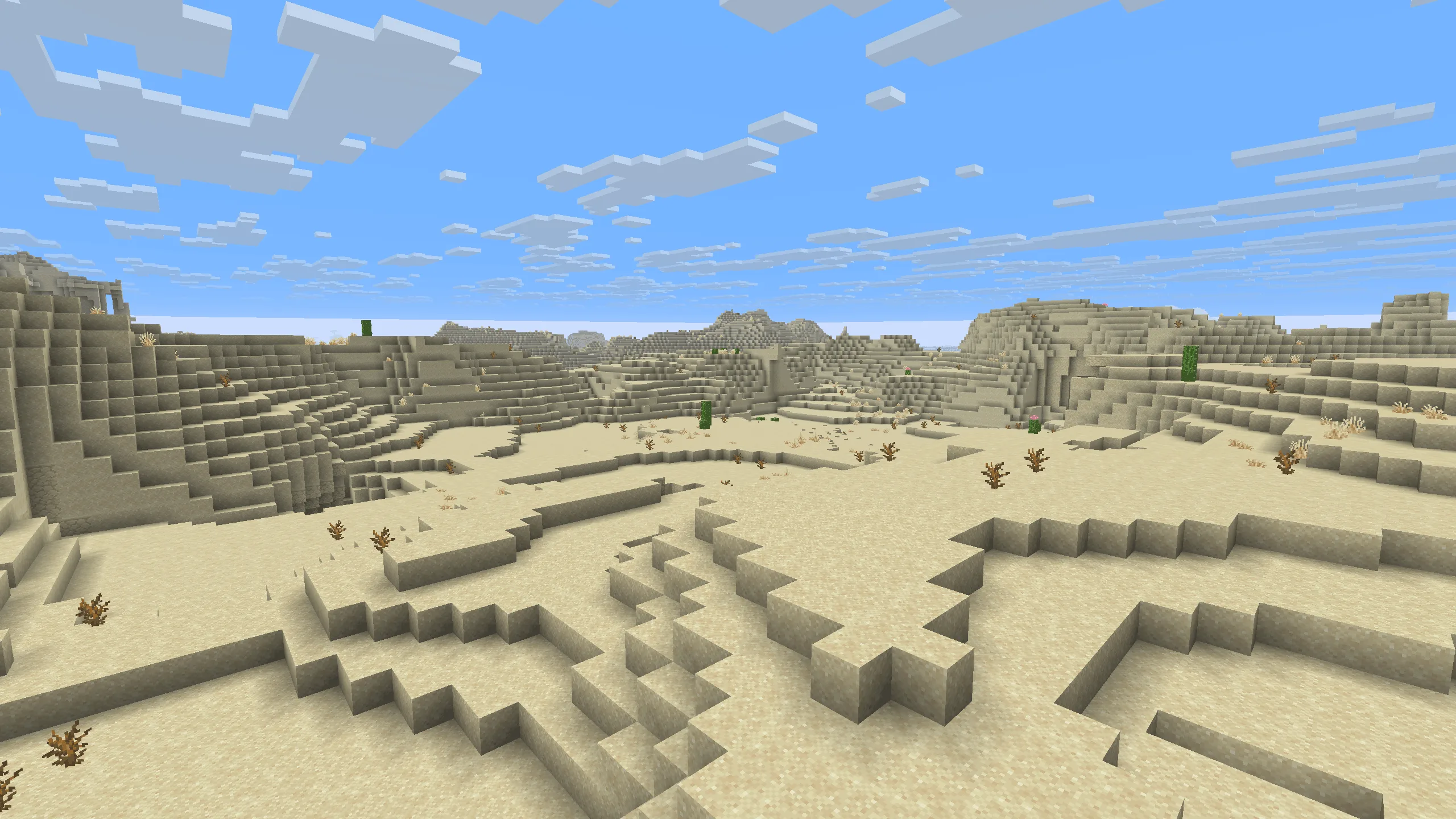
While they lack variety on the surface, they make up for it with valuable building materials, unique plants, underground ores, and powerful structures. Once you understand what resources deserts offer and how to use them, the biome becomes much more appealing for survival and long-term play.
This guide breaks down every important resource found in the Desert biome, including surface materials, underground ores, village supplies, and structure-based loot.
Sand – The Most Abundant Desert Resource
Sand is the most obvious resource in the Desert biome. Almost the entire surface is made of sand blocks.
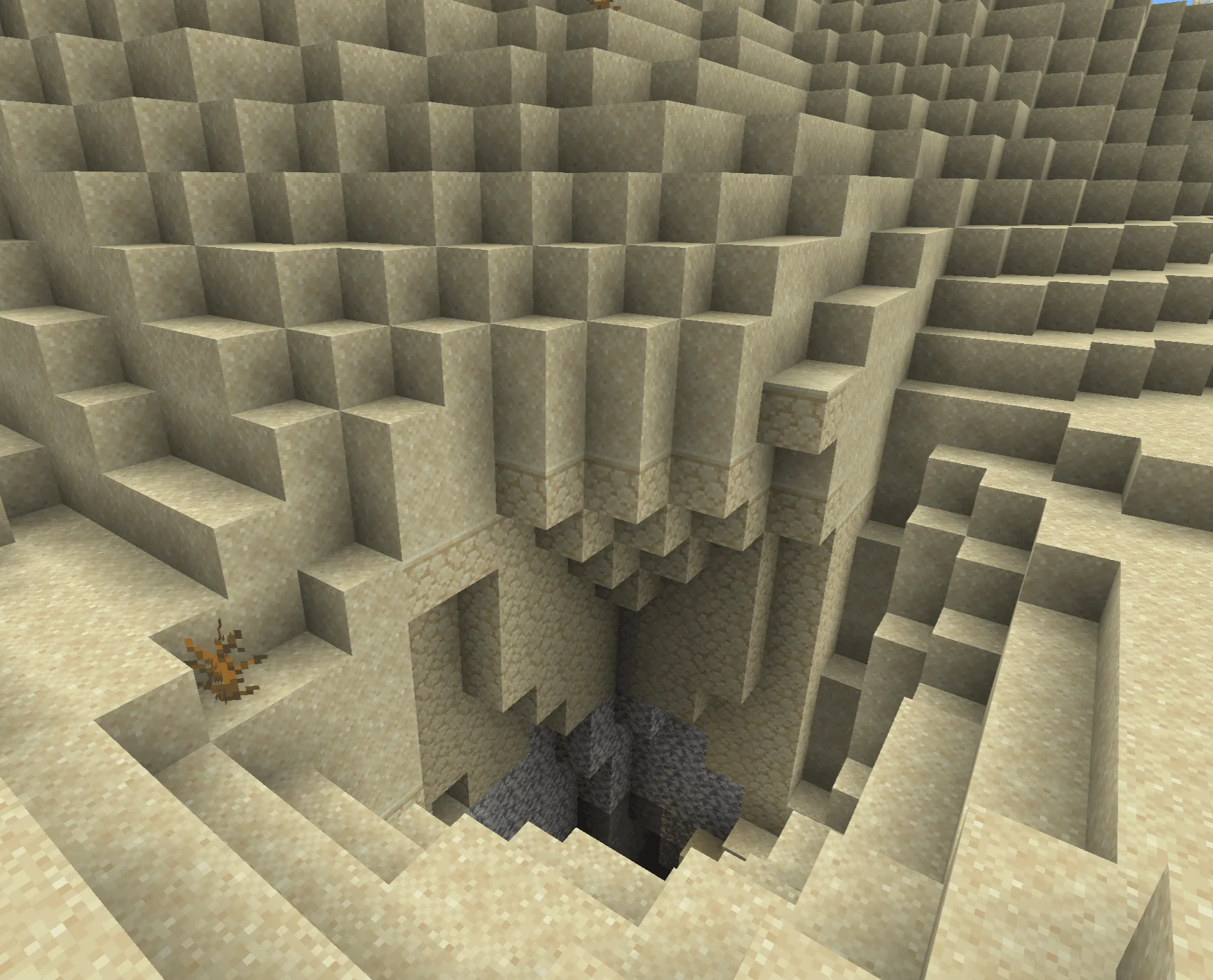
Sand is useful for:
-
Crafting glass
-
Making sandstone
-
Decoration and landscaping
-
TNT crafting
Because sand is so easy to collect in large quantities, deserts are one of the Best Biomes for glass production. Large-scale builds that require windows or clear blocks often rely on desert sand.
Players should be careful when mining sand, as it falls due to gravity and can cause suffocation if mined carelessly.
Sandstone – A Core Building Material
Sandstone is crafted from sand and naturally generates underneath desert terrain and in structures like villages and temples.
Sandstone is valuable because:
-
It does not fall like sand
-
It matches desert aesthetics perfectly
-
It is easy to craft in large amounts
Many players use sandstone as their main building block when living in deserts. It is reliable, safe, and visually clean.
Cactus – A Unique Desert Plant
Cactus is one of the few plants that naturally grows in deserts.
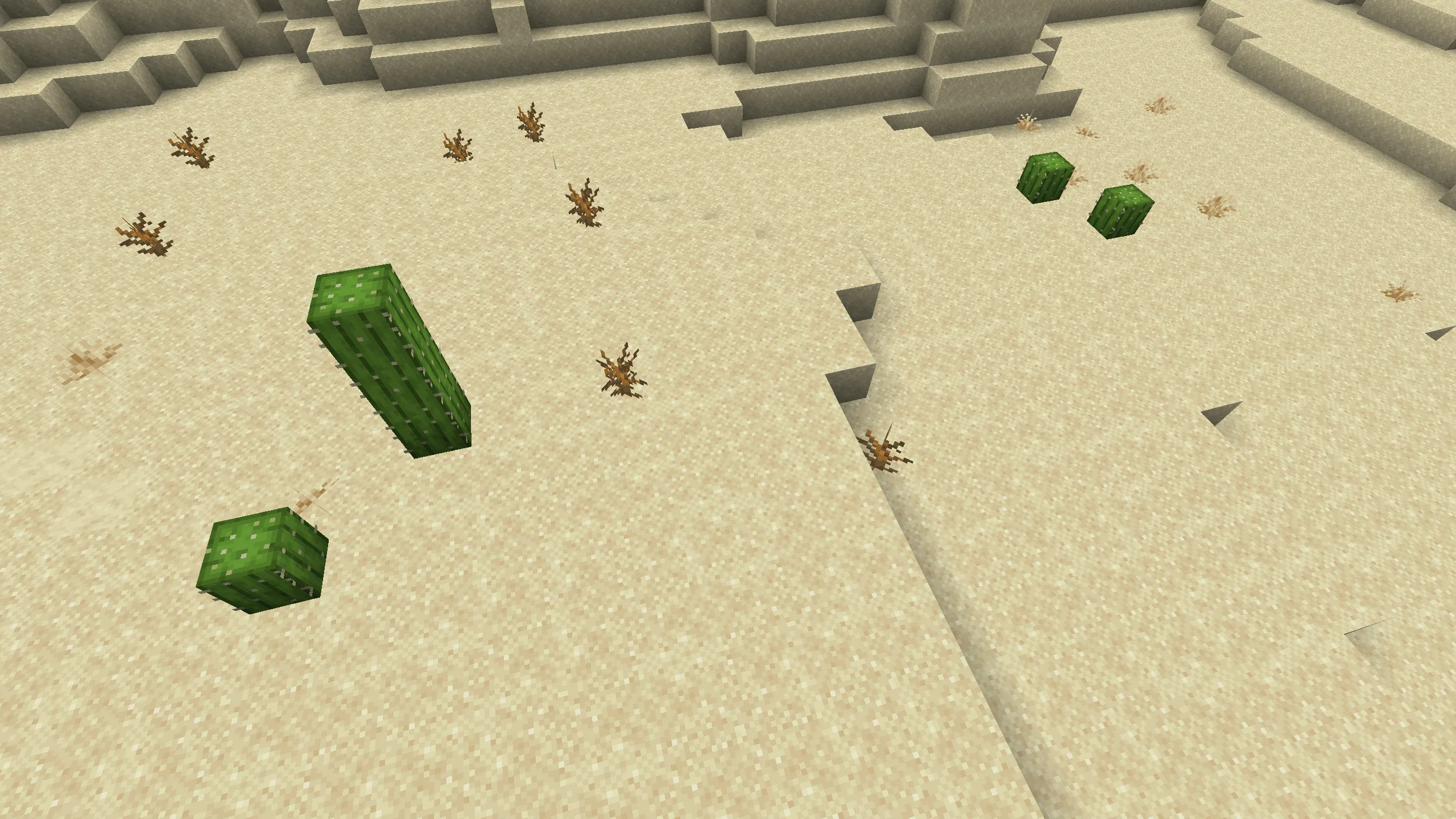
Cactus is useful for:
-
Green dye
-
XP farms (when smelted)
-
Decoration
Cactus farms are easy to build and can provide a steady source of dye and experience points over time. This makes cactus more valuable than it appears at first.
Dead Bushes – Small but Useful
Dead bushes are common in deserts and can be broken by hand.
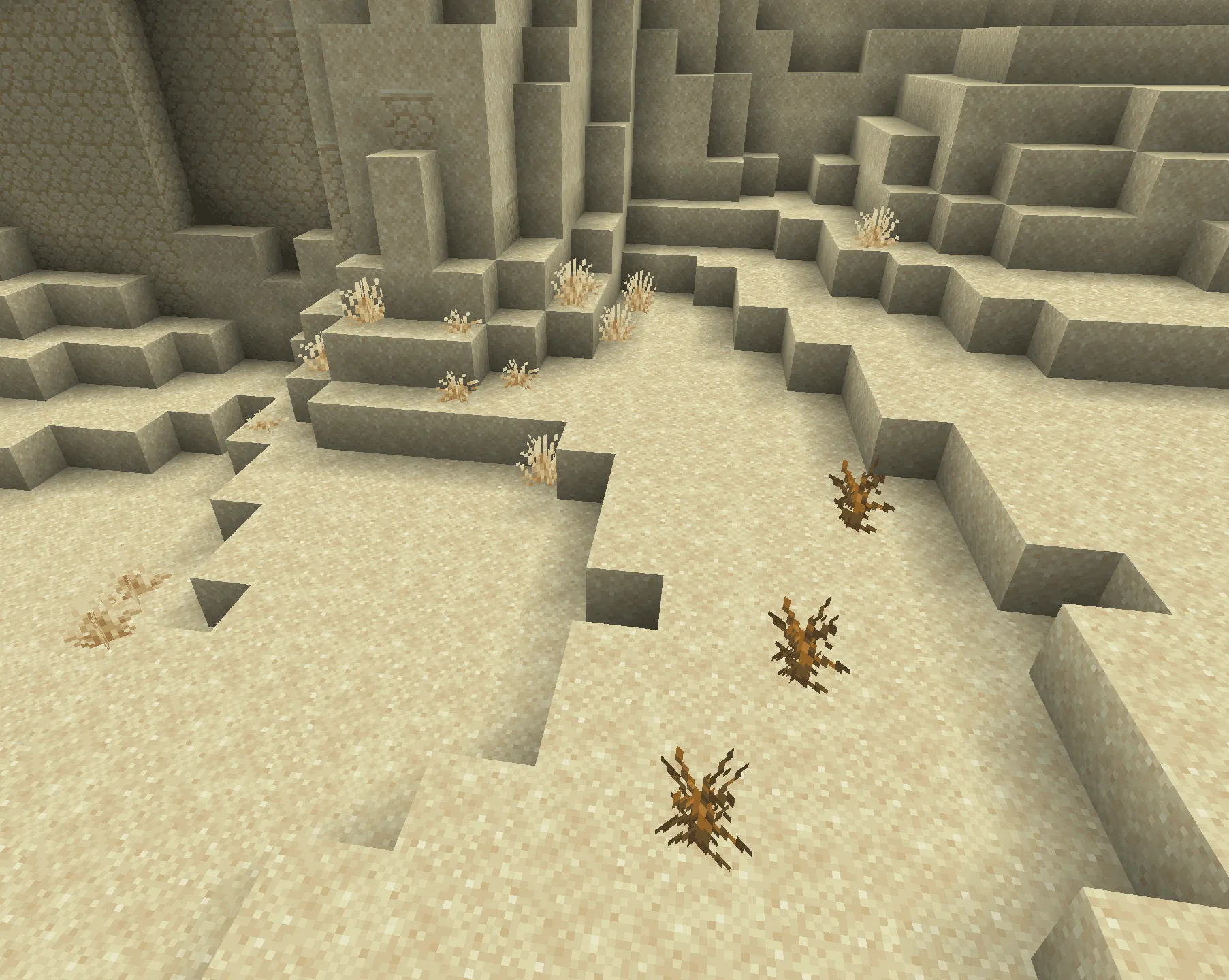
They drop sticks, which are helpful early in the game when wood is scarce. While dead bushes are not a long-term resource, they can help craft tools or torches during early desert survival.
Underground Ores in the Desert Biome
Despite the empty surface, deserts contain the same underground ores as most overworld biomes.
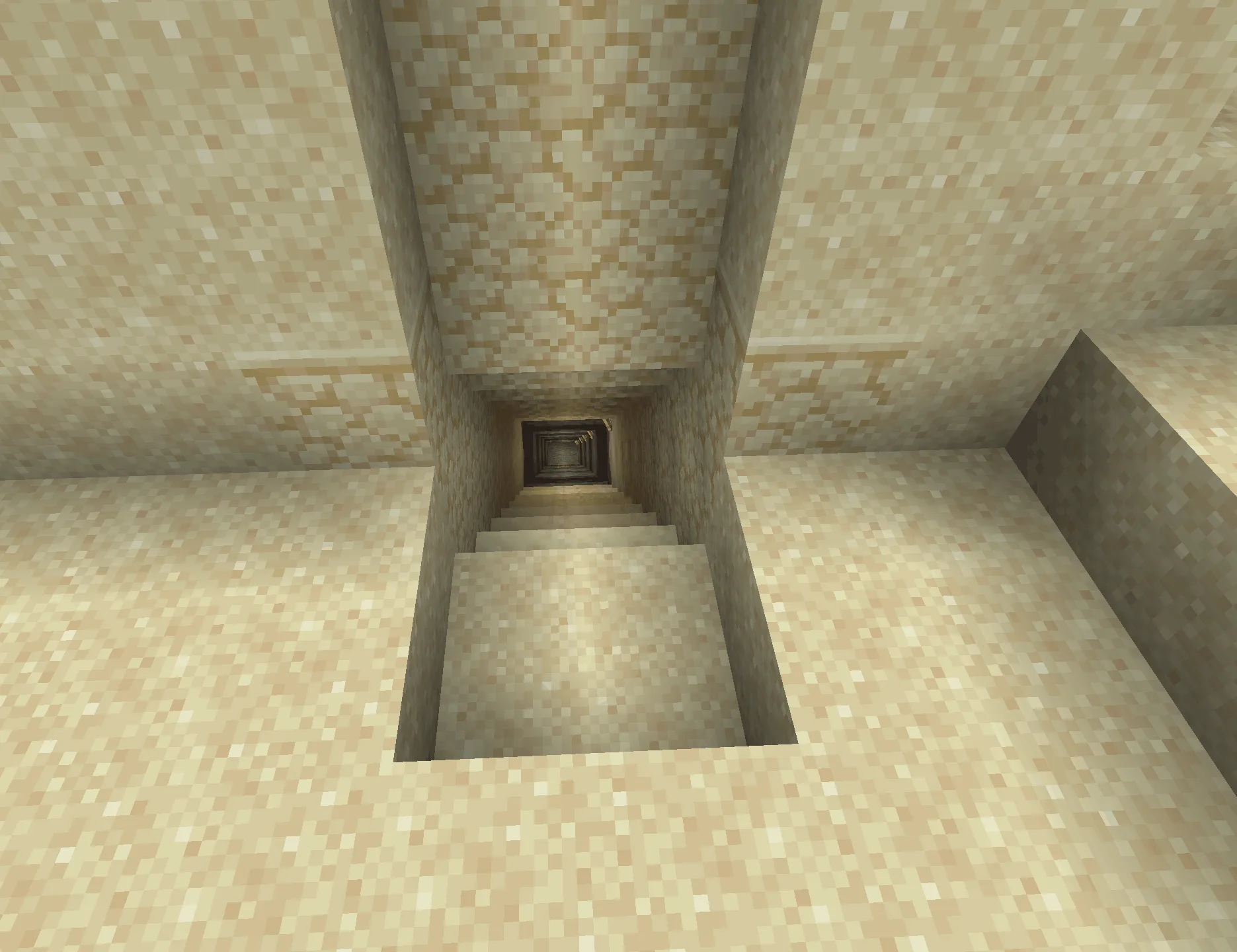
You can find:
-
Coal
-
Iron
-
Copper
-
Redstone
-
Gold
-
Lapis lazuli
-
Diamonds
The flat desert surface makes it easy to create safe mine entrances and organized mining areas. Many players prefer deserts for mining because they don’t need to clear trees or flatten hills first.
Resources from Desert Villages
Desert Villages provide several valuable resources that make survival easier.
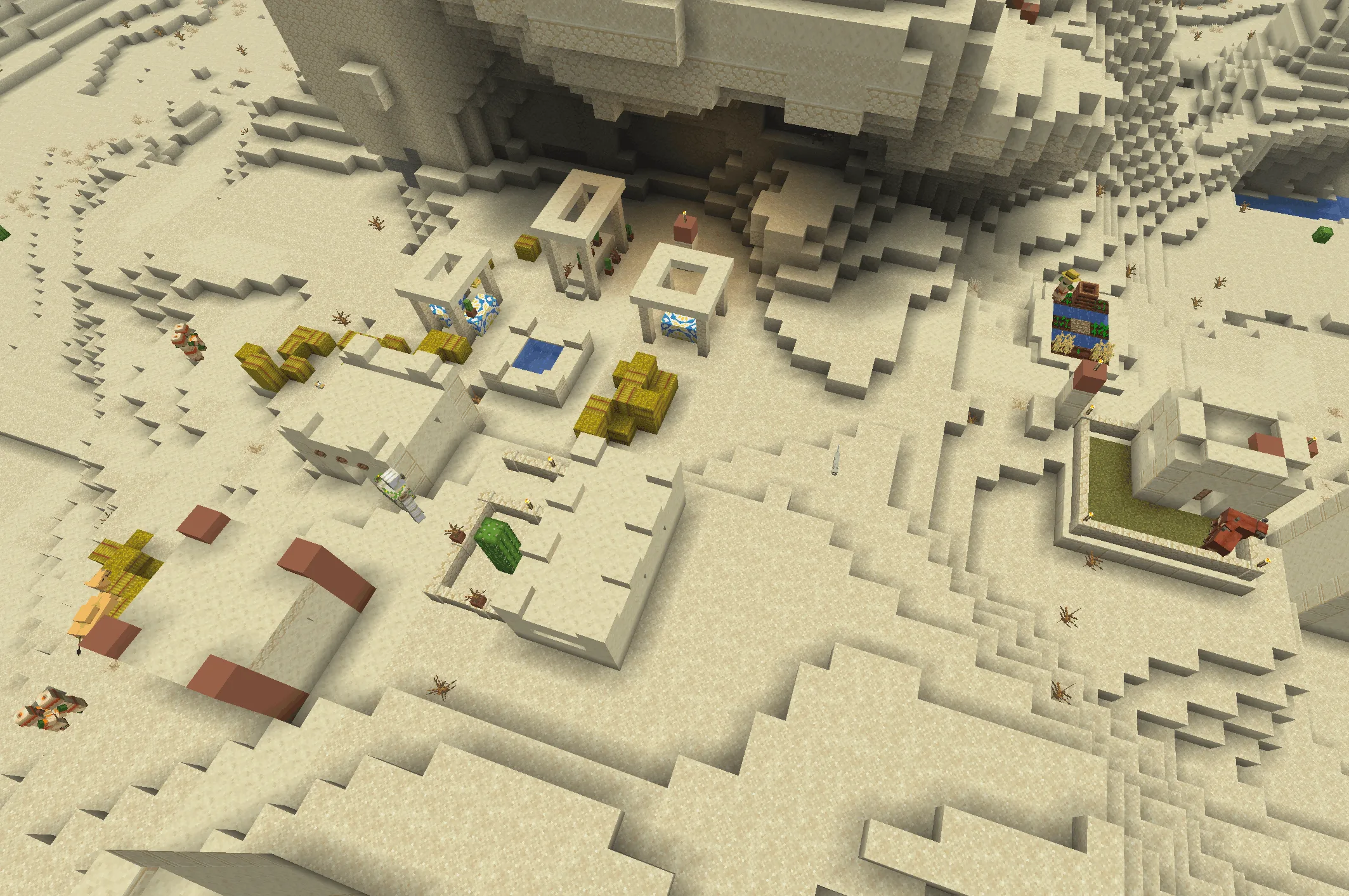
Common village resources include:
-
Wheat, carrots, and potatoes from farms
-
Hay bales (craftable into bread)
-
Beds
-
Water wells with infinite water
Villagers themselves are also valuable resources, as they enable trading for tools, armor, food, and enchanted books.
Loot from Desert Temples
Desert Temples are one of the most resource-rich structures in the game.
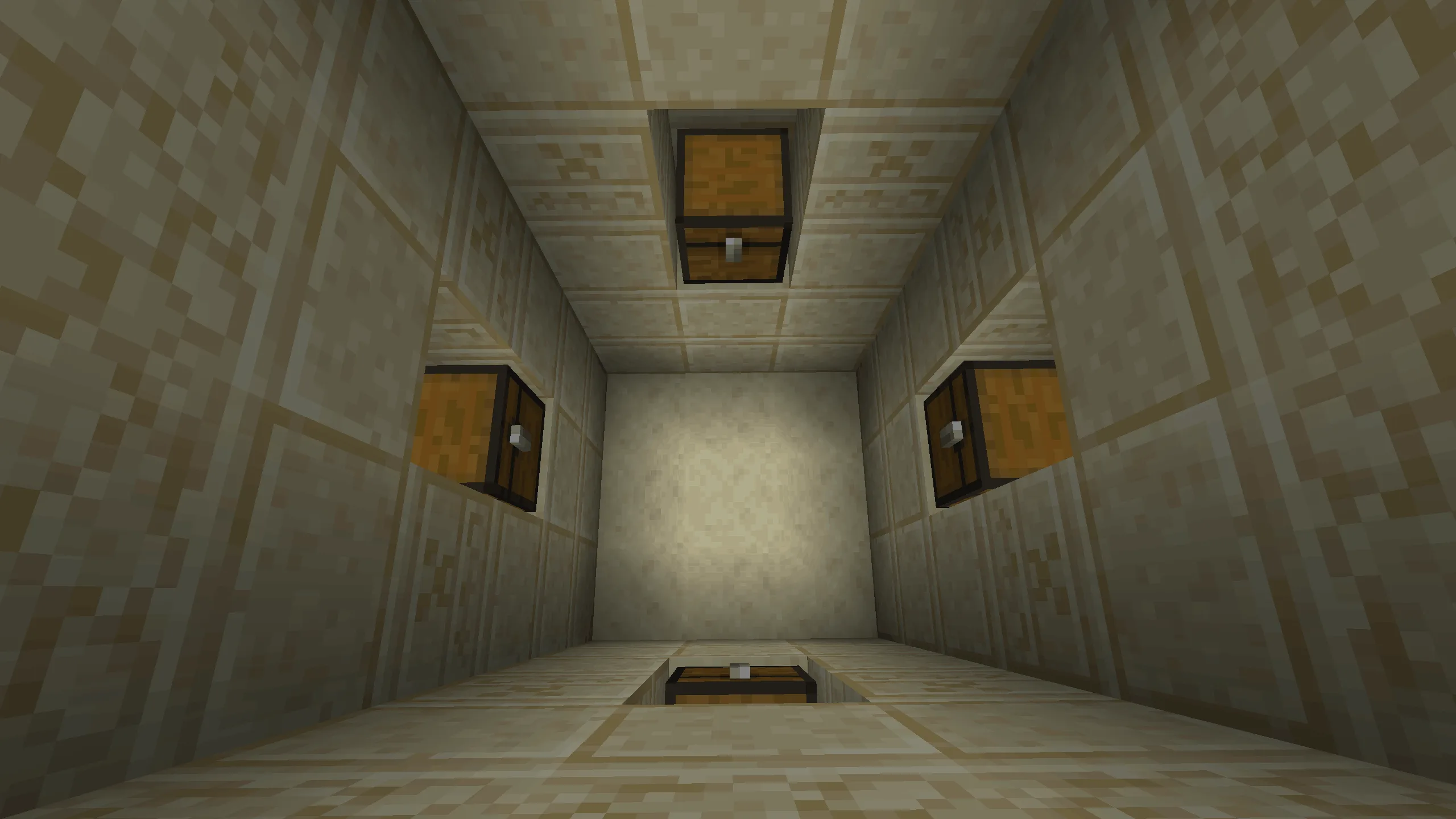
Loot found in desert temples may include:
-
Diamonds
-
Enchanted books
-
Gold ingots
-
Iron ingots
-
Emeralds
-
Horse armor
These items can significantly boost early-game progression if the temple is looted safely.
Water – A Scarce but Critical Resource
Natural water sources are rare in deserts.
Most water comes from:
-
Desert village wells
-
Small ponds near biome edges
Once water is secured, farming and brewing become possible. Because water is limited, finding a village well is often a turning point in desert survival.
Food Resources in the Desert
Food is limited compared to other biomes.
Common food-related resources include:
-
Rabbits
-
Village crops
-
Fishing (if water is available)
Most long-term Desert Survival depends on farming rather than hunting.
Renewable Resources in the Desert Biome
While deserts lack trees, they still offer renewable resources.
Renewable desert resources include:
-
Crops from farms
-
Cactus
-
Villager trades
-
XP from smelting cactus
With proper setup, deserts can sustain players indefinitely.
Why Deserts Are Better for Resource Management Than They Look
Deserts may lack variety, but they excel in organization.
Flat terrain, predictable generation, and centralized structures make resource management easier. Players who enjoy clean layouts and controlled environments often prefer deserts for this reason.
Is the Desert Biome Worth Farming Resources In?
The Desert biome is not ideal for quick early-game resource gathering, but it shines in long-term planning.
Once basic needs are met, deserts support:
-
Large farms
-
Trading systems
-
Mining operations
-
Automated XP setups
For players who like efficiency, deserts are surprisingly powerful.
Final Thoughts
The Desert biome in Minecraft may look empty, but it offers a unique set of resources that reward planning and patience. From massive sand supplies and sandstone builds to powerful temple loot and trading opportunities, deserts provide more value than most players expect.
If you’re willing to adapt to its limitations, the Desert biome becomes a clean, efficient, and resource-rich environment for long-term survival.