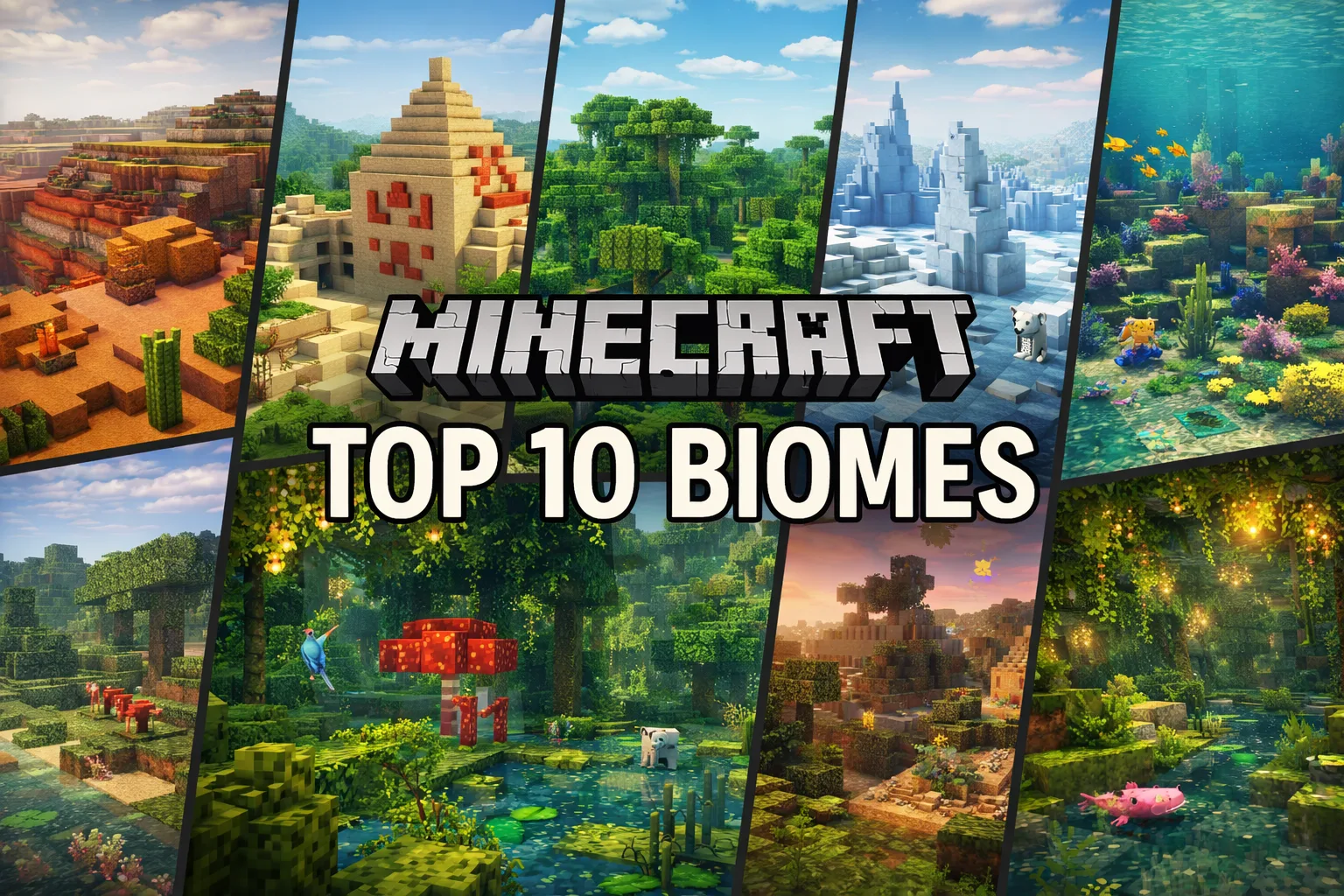
What are Minecraft biomes?
Biomes are distinct regions in a Minecraft world, each with its own terrain, climate, mobs, vegetation, and resources. Every new world generates a unique mix of biomes, which means where you spawn and settle directly shapes your entire survival experience.
The best Minecraft biomes for survival are the Mushroom Fields (zero Hostile mob spawns), Taiga (villages + wolves + wood), and Lush Caves (food + light + water underground). For building, the Savanna and Badlands offer flat terrain and rare materials. The rarest biomes include Mushroom Fields, Badlands, and Modified Jungle Edge.
Whether you are brand new to the game or looking for your next base location, this guide covers the 10 best Minecraft biomes, what makes each one worth exploring, and exactly how to use them to your advantage.
Quick Comparison: Best Biomes by Playstyle
|
Goal |
Best Biome |
|
Survival (beginner) |
Taiga, Lush Caves |
|
Safest base location |
Mushroom Fields |
|
Best resources |
Badlands, Nether |
|
Best for building |
Savanna, Snowy Tundra |
|
Rarest biome |
Mushroom Fields |
|
Best underwater base |
Warm Ocean |
1. Lush Caves – Best Underground Biome for Beginners
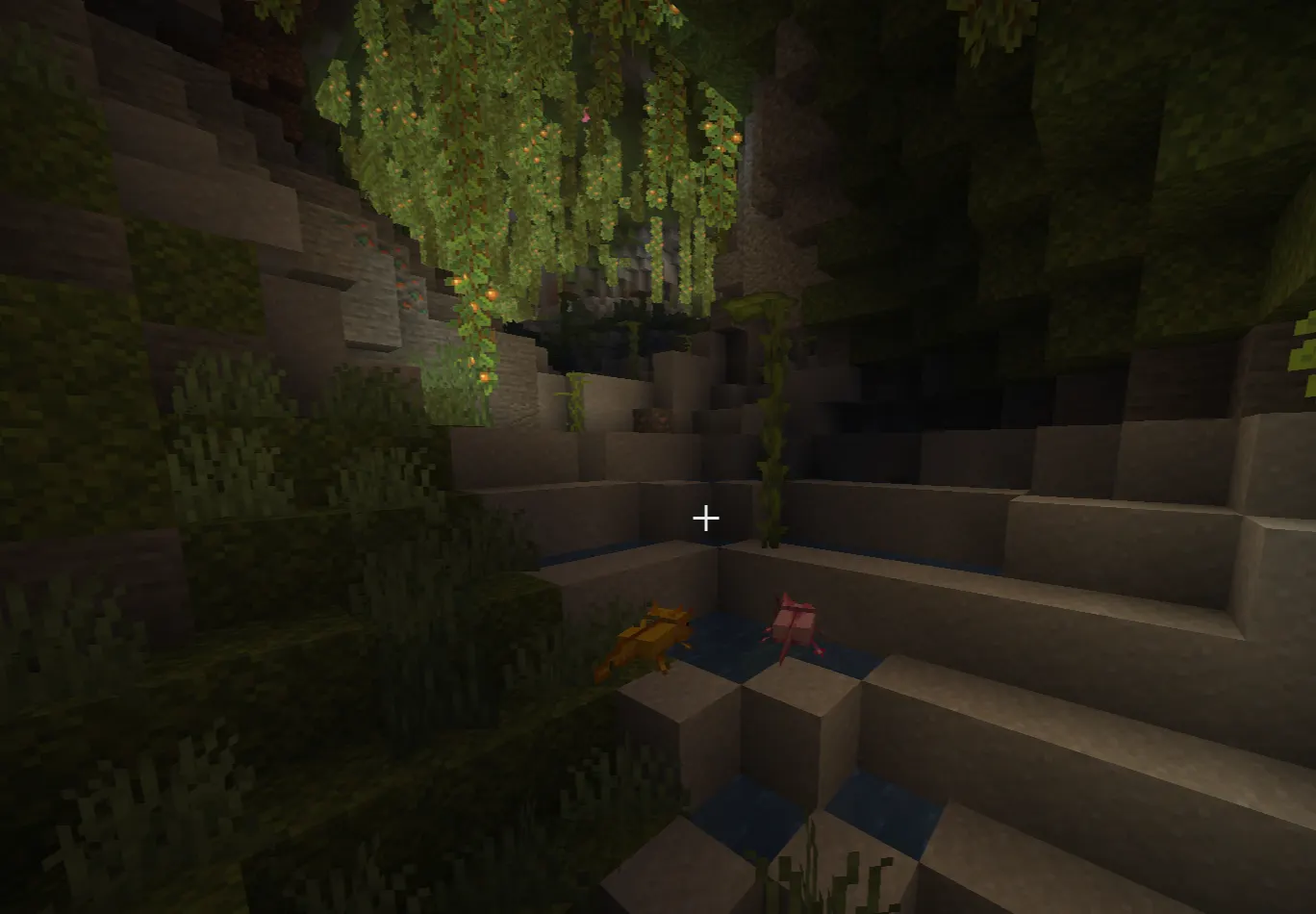
The Lush Caves biome turned underground exploration from a chore into something actually enjoyable. Before the Caves & Cliffs update, caves were dark, flat, and mostly identical. Now you drop into an ecosystem.
Glow berries light the walls. Axolotls swim in hidden pools. Dripleaf plants and moss blocks cover every surface. It feels like a secret garden buried underground.
Why it matters for survival: You get natural light (no torch drain), a food source from glow berries, and water access — all critical in the first few nights. Lush caves also connect to surface openings, so they are not hard to find early on.
Best for: Early-game underground bases, peaceful exploration, natural lighting builds
Difficulty level: Easy
Key resources: Glow berries, moss blocks, clay, axolotls, dripleaf, spore blossoms
Pro tip: Axolotls are powerful allies in ocean monument raids. Breed them in the lush cave, then bring them with you in a bucket.
2. Snowy Tundra – A Tough Start With Real Payoff
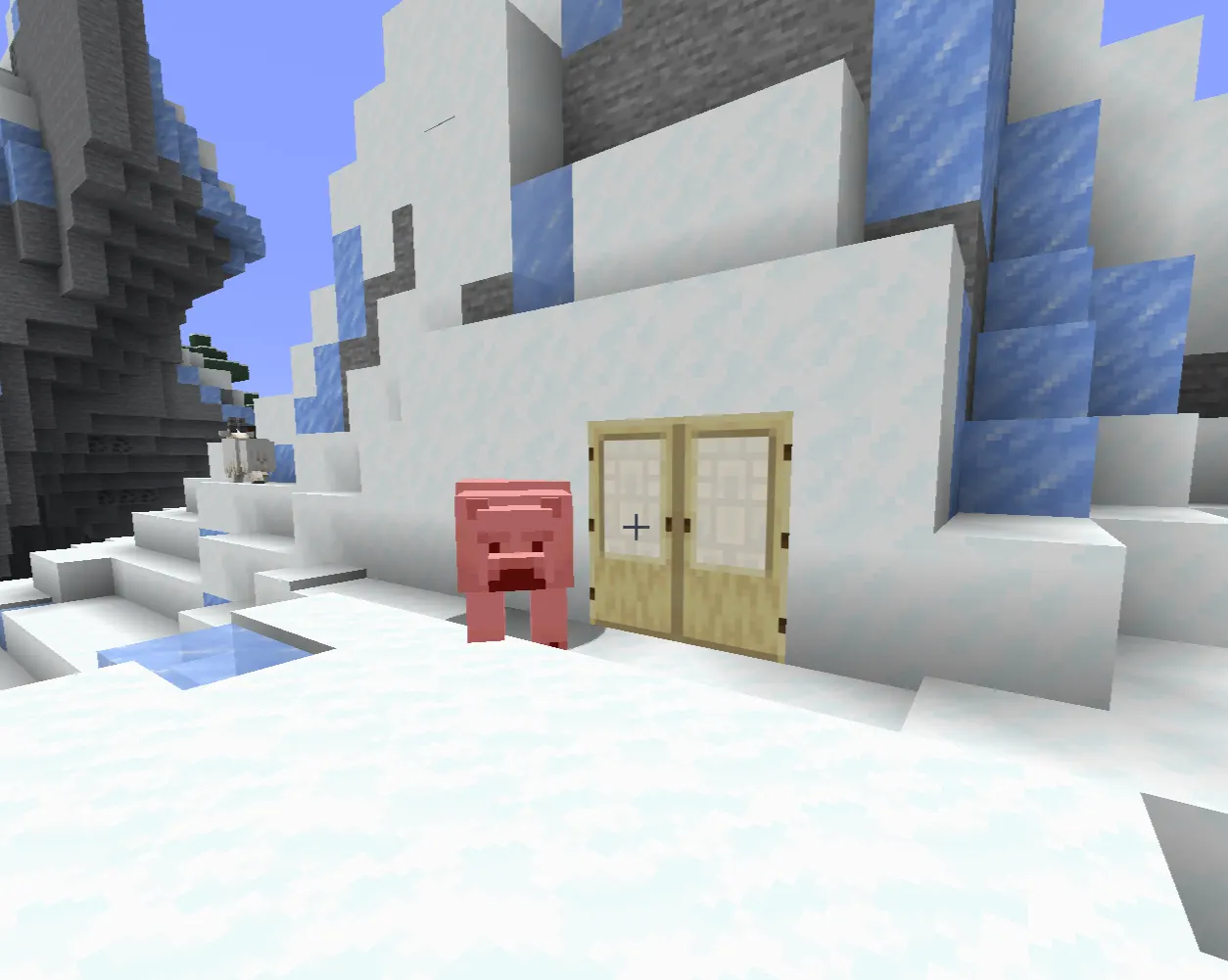
Open, flat, and brutally cold. The Snowy Tundra is not the first biome most players choose, but it has more to offer than it looks.
The real draws are the igloos. Some contain trapdoors leading to basements with a brewing stand, a golden apple, and a zombie villager you can cure for heavily discounted trades. That is some of the best early-game value in any biome.
Polar bears, straws, and rabbits fill out the atmosphere. Strays drop slowness arrows, which are more useful than most players realize.
Best for: Winter-themed builds, igloos, players who want a harder survival start without heavy mob pressure
Difficulty level: Medium
Key resources: Snow blocks, ice, packed ice (in variants), igloo loot, rabbit hide
Pro tip: Cure the zombie villager in the igloo basement. The discounts you get are worth the early trouble of finding golden apples.
3. Mushroom Fields – The Safest Biome in Minecraft
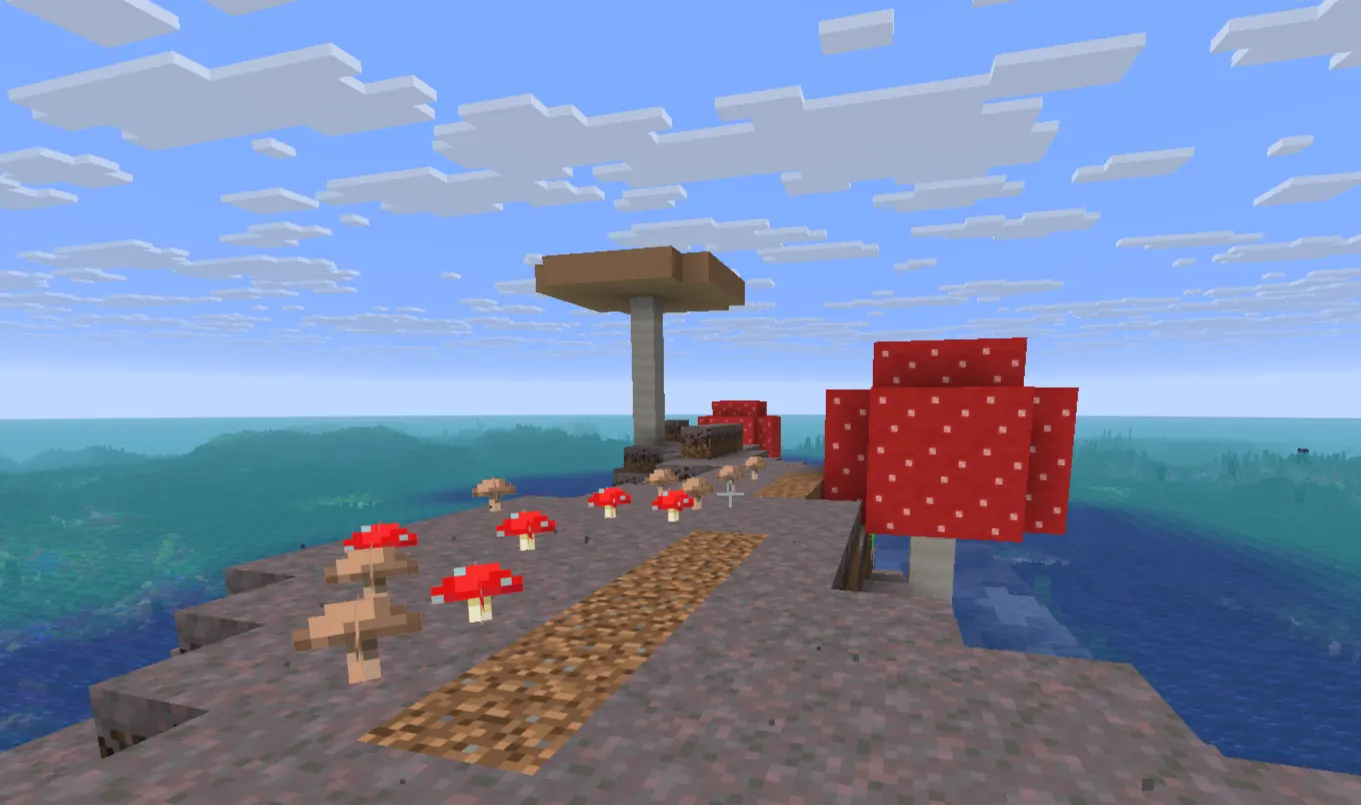
No hostile mobs. Not fewer hostile mobs zero. Hostile mobs simply do not spawn in Mushroom Fields, day or night, at any light level. That is unique in the entire game.
This makes it the obvious answer whenever anyone asks about the safest biome in Minecraft. It is also one of the rarest biomes, generating only as isolated islands surrounded by the deep ocean. Finding one requires real exploration or a seed lookup.
Mooshrooms, the mushroom-covered cows, can be milked with a bowl for mushroom stew, giving you unlimited food without farming. Red and brown giant mushrooms are the dominant vegetation.
Best for: Permanent safe base, AFK farms, peaceful builds, experienced players who want a no-mob challenge
Difficulty level: Easy (once found)
Key resources: Mycelium, mooshrooms (stew + milk), giant mushrooms, no hostile mob spawns
Pro tip: Build your main storage and crafting area here. The zero-mob-spawn rule applies even without torches, so underground builds stay completely safe.
4. Desert – Best Biome for Early Loot
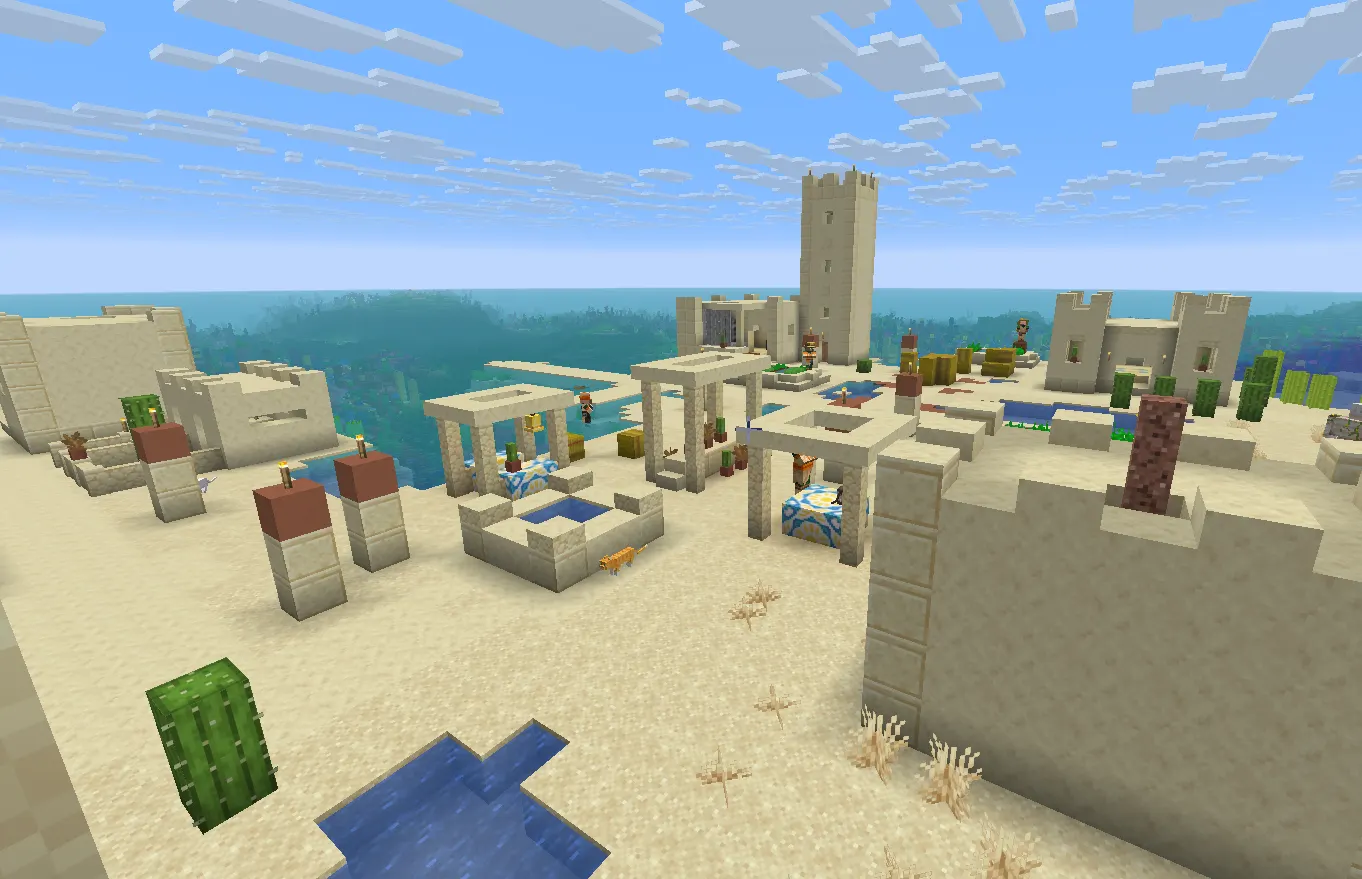
On the surface, the Desert looks like nothing. Sand, cacti, dead bushes, occasional village. Give it five minutes, and your opinion will change.
Desert temples are the real reason to hunt this biome. Each one contains four chests sitting above a TNT trap, with loot that can include diamonds, enchanted books, horse armor, and golden apples. Early access to diamonds from a temple is a significant head start.
Desert villages spawn frequently and are fully functional, with blacksmiths, farmers, and a well-stocked trade economy.
The terrain is completely flat, which makes navigation and large-scale building straightforward. Just watch your nights — mobs on sand do not take burn damage at dawn.
Best for: Loot hunting, early-game resource grab, flat terrain builds, village trade economy
Difficulty level: Easy to Medium
Key resources: Desert temple loot (diamonds, books), sand, sandstone, villages, cacti, fossils underground
Pro tip: Bring a shovel with Silk Touch to collect sand quickly. Desert glass builds are visually underrated.
5. Swamp – Essential for Redstone and Potion Players
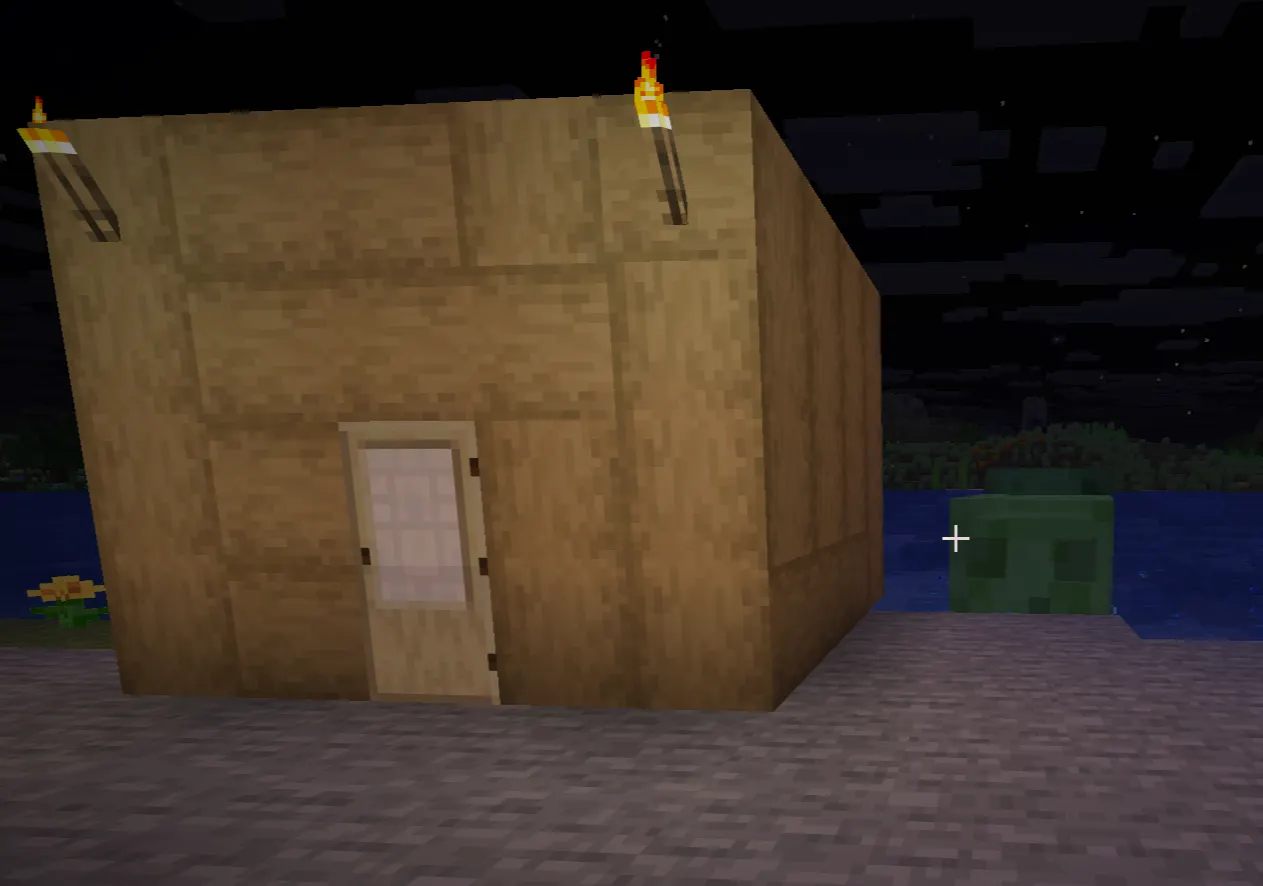
The Swamp is ugly on purpose. Murky water, half-submerged trees, lily pads, and fog. It is one of the most annoying biomes to walk through, and one of the most valuable biomes to own.
Slimes spawn here at night in specific chunks. That makes swamps essential for redstone builds — slimeballs are used in pistons, leads, and sticky pistons, and they can only be reliably farmed in swamp chunks or deep underground.
Witch huts spawn naturally and can be converted into witch farms for an automated supply of glowstone dust, redstone, glass bottles, and sticks.
Swamps also generate in Mangrove Swamp variants (added in 1.19), which bring mangrove wood, mud blocks, and frogs — a completely different aesthetic.
Best for: Slime farming, potion ingredient supply, witch farms, swamp/mangrove themed builds
Difficulty level: Medium
Key resources: Slimeballs, lily pads, clay, witch drops (glowstone, redstone, bottles), mangrove wood (variant)
Pro tip: Use a slime chunk finder tool with your world seed to know exactly where swamp slimes will spawn. Farming without it is guesswork.
6. Taiga – Best All-Around Starting Biome
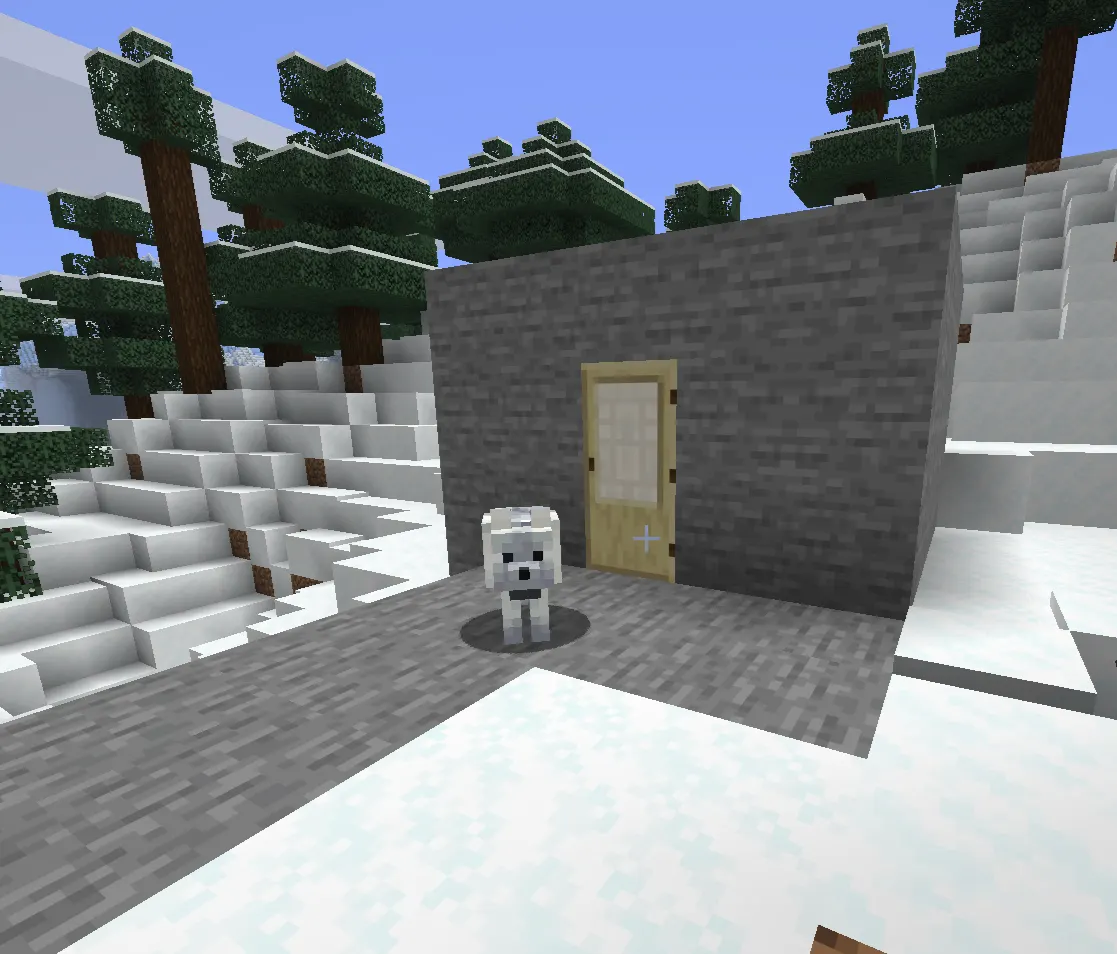
If you are looking for the best Minecraft biome for survival as a beginner, the Taiga is the honest answer. It does not have the most dramatic resources or the rarest features. What it has is everything you need, close together.
Spruce trees are everywhere, so wood is never a problem. Wolves spawn here and can be tamed early with bones. Villages generate frequently, giving access to trades and beds from day one. The terrain is hilly but not brutal.
The Taiga also connects naturally to mountain biomes, snowy regions, and cave systems, which means you can expand in any direction without leaving a comfortable base area.
Best for: Beginner survival, wolf companions, cabin and lodge builds, long-term base area
Difficulty level: Easy
Key resources: Spruce wood, wolves, villages, ferns, sweet berries (in berry bushes), pumpkins
Pro tip: Sweet berry bushes slow mobs down. Plant them around your base perimeter as a cheap, renewable mob deterrent.
7. Savanna – Best Biome for Large-Scale Builds
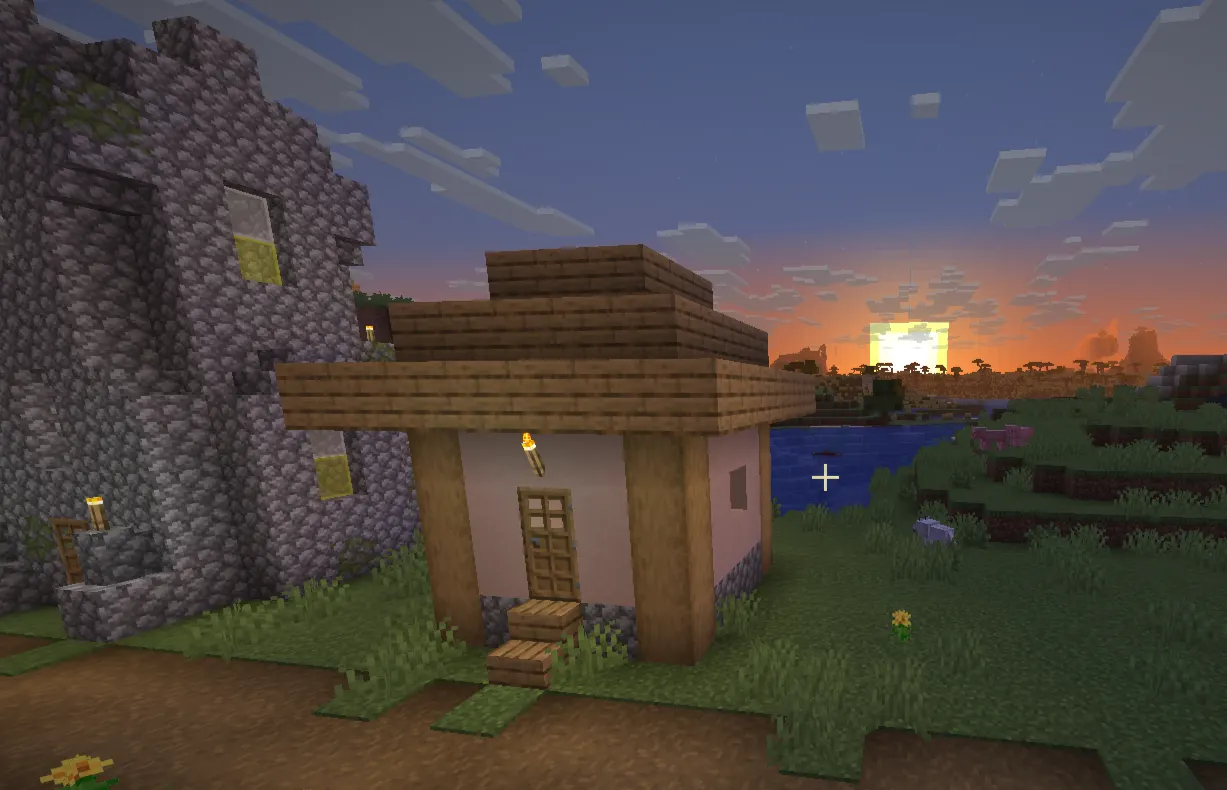
Flat, wide, and warm. The Savanna gives you the building space that most other biomes refuse to. No water flooding your foundations. No constant hills breaking your layouts. Just open land.
Acacia wood is the Savanna's signature material — orange-toned, slightly unusual, and perfect for modern or African-inspired builds. It is one of the few wood types that genuinely looks different from the default oak-heavy palette most players default to.
Savanna villages use a mix of acacia and oak, making them visually interesting compared to plains villages. Horses spawn here frequently, which matters early for travel.
Best for: Large-scale farms, open builds, horse breeding, and wide flat terrain projects
Difficulty level: Easy
Key resources: Acacia wood, horses, llamas (sometimes), villages, open land
Pro tip: Savanna Plateau and Savanna M (Windswept Savanna) variants add dramatic cliff terrain. Build on the plateau for a natural fortress setup.
8. Badlands (Mesa) – Best Mining Biome in Minecraft
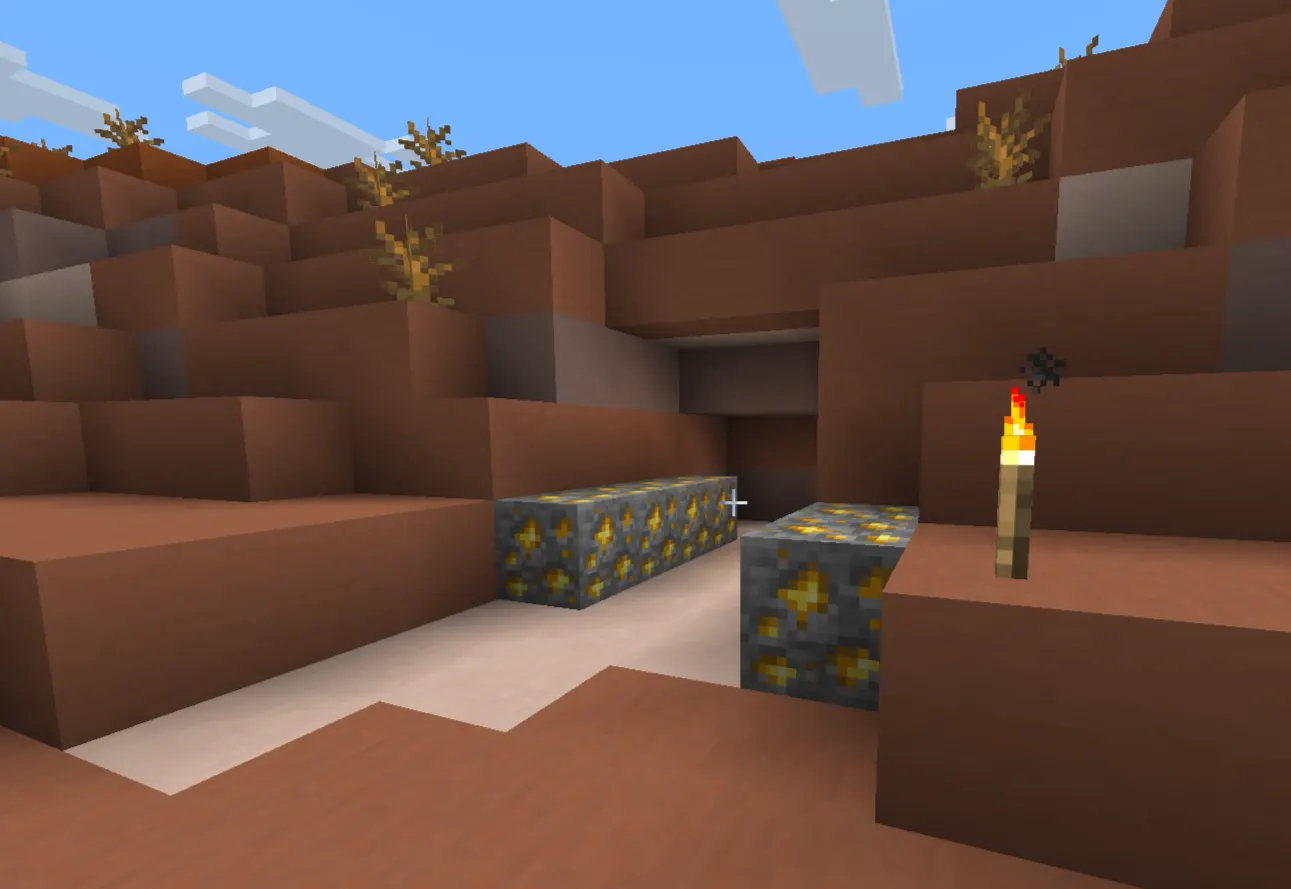
The Badlands is one of the most visually distinctive biomes in the game. Layers of red, orange, yellow, and white terracotta stack into tall mesas and eroded canyons. It looks like Utah got dropped into Minecraft.
Beyond aesthetics, the Badlands has one practical advantage that no other overworld biome matches: gold ore generates at every elevation here, not just in the deep layers where it normally spawns. That means strip mining at Y=30 in a Badlands biome will yield significantly more gold than anywhere else.
Mineshafts also generate near or above the surface, making early exploration far more accessible. You can walk into a functional mineshaft without digging a single block.
Best for: Gold farming, early mineshaft exploration, western or canyon-themed builds
Difficulty level: Medium
Key resources: Terracotta (all natural color variants), gold ore (abundant at all heights), exposed mineshafts, dead bushes, cacti
Pro tip: Terracotta is available in 16 natural color variants only in the Badlands. Collect it before staining — some shades cannot be reproduced with dye.
9. Warm Ocean – Best Biome for Underwater Builds
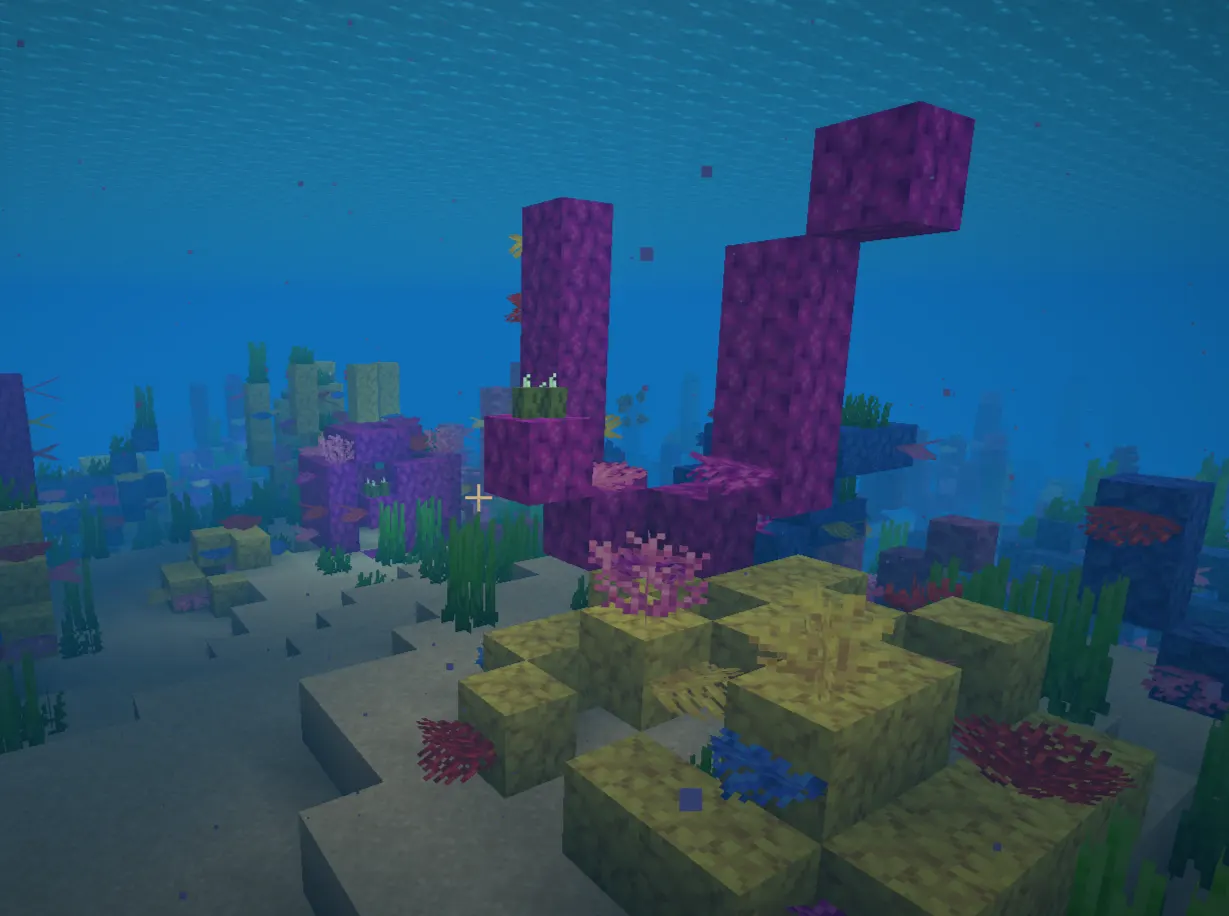
Underwater bases in Minecraft are either frustrating or beautiful, depending entirely on which ocean you build in. The Warm Ocean makes them beautiful.
Coral reefs in six variants, sea pickles that produce light, tropical fish in dozens of patterns, and clear blue water make this the most visually rich biome in the overworld. Building here with conduit power (which eliminates the need for air) produces genuinely impressive bases.
Shipwrecks and ocean ruins generate frequently. Each shipwreck contains up to three chests with food, treasure maps, and materials. Buried treasure maps consistently lead to chests with diamonds and hearts of the sea.
Best for: Underwater base building, shipwreck and treasure hunting, conduit power farming
Difficulty level: Medium (requires water breathing setup)
Key resources: Coral blocks, sea lanterns, sea pickles, tropical fish, shipwreck loot, buried treasure (hearts of the sea)
Pro tip: Farm a Nautilus Shell collection before building your underwater base. Five shells plus a heart of the sea craft a Conduit — permanent underwater breathing and haste.
10. Nether Biomes – High Risk, Best Progression Rewards
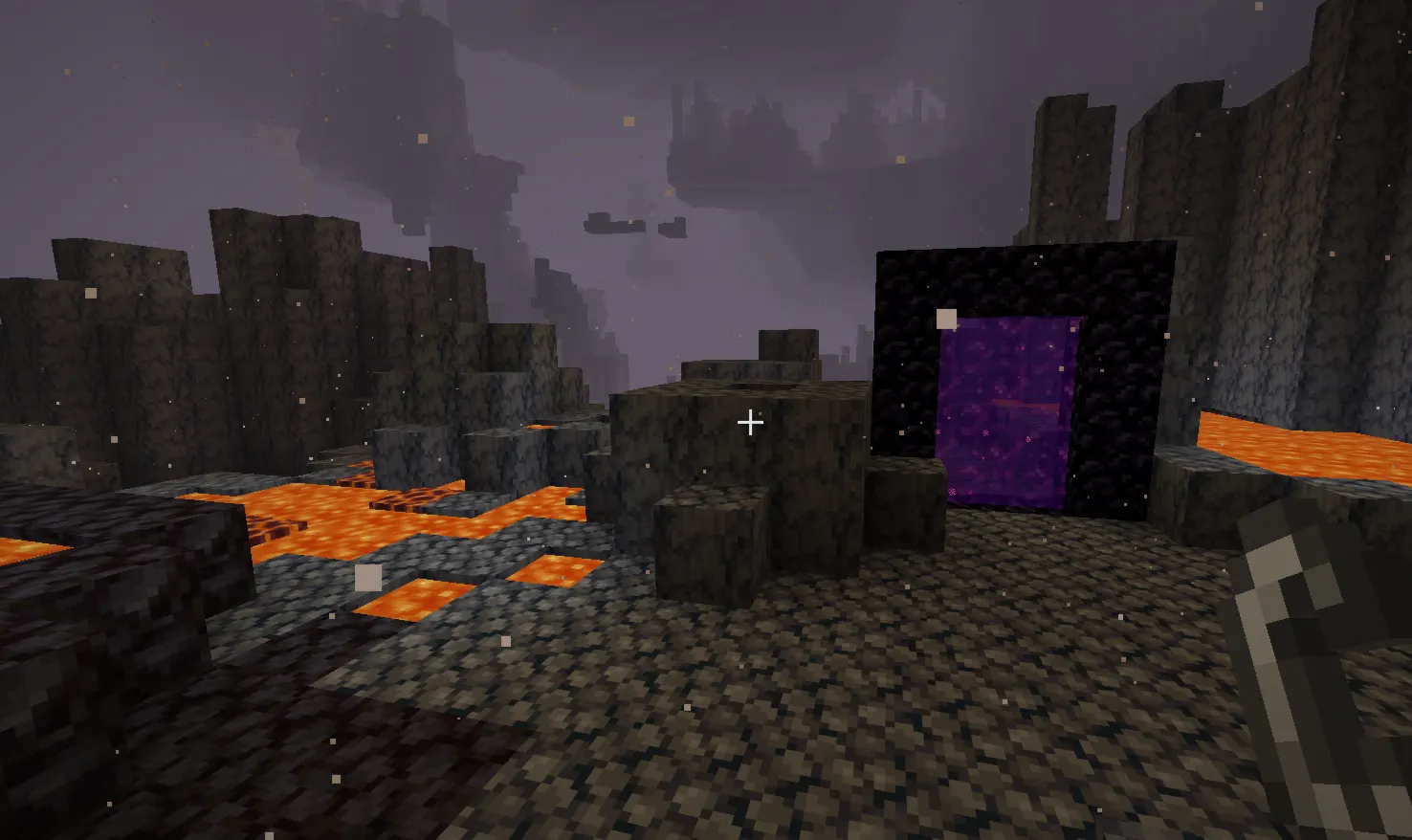
The Nether is five biomes in one dimension, and each one plays differently.
-
Crimson Forest – Dense red trees, hoglins, piglins. Good for early bartering and wood.
-
Warped Forest – Endermen spawn heavily here (good for ender pearl farming). No hostile mobs except endermen.
-
Soul Sand Valley – Open, dangerous, full of skeletons and ghosts. Soul sand and soul soil are the main draws.
-
Basalt Deltas – Rough terrain, magma cubes, basalt columns. Best for basalt and blackstone.
-
Nether Wastes – The classic Nether. Netherrack, lava seas, fortresses.
Nether Fortresses nor Bastions generate across all Nether biomes. Fortresses hold blaze spawners (essential for brewing) and nether wart. Bastions hold some of the best loot in the game, including lodestones, gilded blackstone, and piglin bartering tables.
Best for: Late-game progression, Netherite farming, blaze rod supply, ender pearl farming
Difficulty level: Hard
Key resources: Netherite (ancient debris), blaze rods, nether wart, basalt, blackstone, lodestones, piglin bartering loot
Pro tip: Warped Forest is your safest Nether biome. Endermen are avoidable. No piglins, no hoglins. Build your Nether base here.
How to Find Biomes in Minecraft
Finding specific biomes, especially rare ones like Mushroom Fields, takes time without help. Here are three reliable methods:
1. Use /locate biome (Java Edition): Type /locate biome minecraft:mushroom_fields, and the game returns the nearest coordinates. Works in Creative and Survival if cheats are enabled.
2. Use a seed map tool: Sites like Chunkbase.com let you enter your world seed and see every biome location on a full map. No cheats required — you are just reading data your world already generated.
3. Travel by boat: For ocean biomes (Warm Ocean, Mushroom Fields, Deep Ocean), boat travel is significantly faster than walking. Rare biomes tend to generate further from spawn.
Conclusion
Every biome in Minecraft serves a purpose. The Mushroom Fields keep you safe. The Badlands give you gold. The Nether pushes your progression forward. The skill is learning which biome to use for what, and building around its strengths rather than fighting its limitations.
Pick a biome that matches what you actually want to do, set up a base, and work outward from there.