
You've built an epic base. You've lit it up. And yet — somehow — a Skeleton just shot you from inside your own storage room. If mob spawning in Minecraft still feels like black magic, this guide is for you.
Mob spawning is one of the most misunderstood systems in the game. Once you understand how it actually works — the light levels, the mob cap, the spawn cycles, and the block rules — everything clicks. You'll build smarter, mob farm faster, and never get surprised by a Creeper in your kitchen again.
This guide covers Java Edition and Bedrock Edition (2026), with notes where the two versions differ.
What Is Mob Spawning in Minecraft?
Mob spawning is the game's process of placing mobs into the world — either when a new chunk loads ("natural" spawning) or continuously throughout gameplay (the spawn cycle). Minecraft doesn't randomly scatter mobs everywhere. It follows a strict set of rules that check light levels, block surfaces, player distance, Biome type, dimension, and a global mob cap before spawning a single mob.
Understanding these rules is the difference between a mob farm that produces 1,000 items per hour and one that barely trickles.
The Core Rules of Mob Spawning
Before a mob can spawn, the game checks several conditions in order. All of them must pass simultaneously. Miss one, and no mob spawns.
1. Light Level
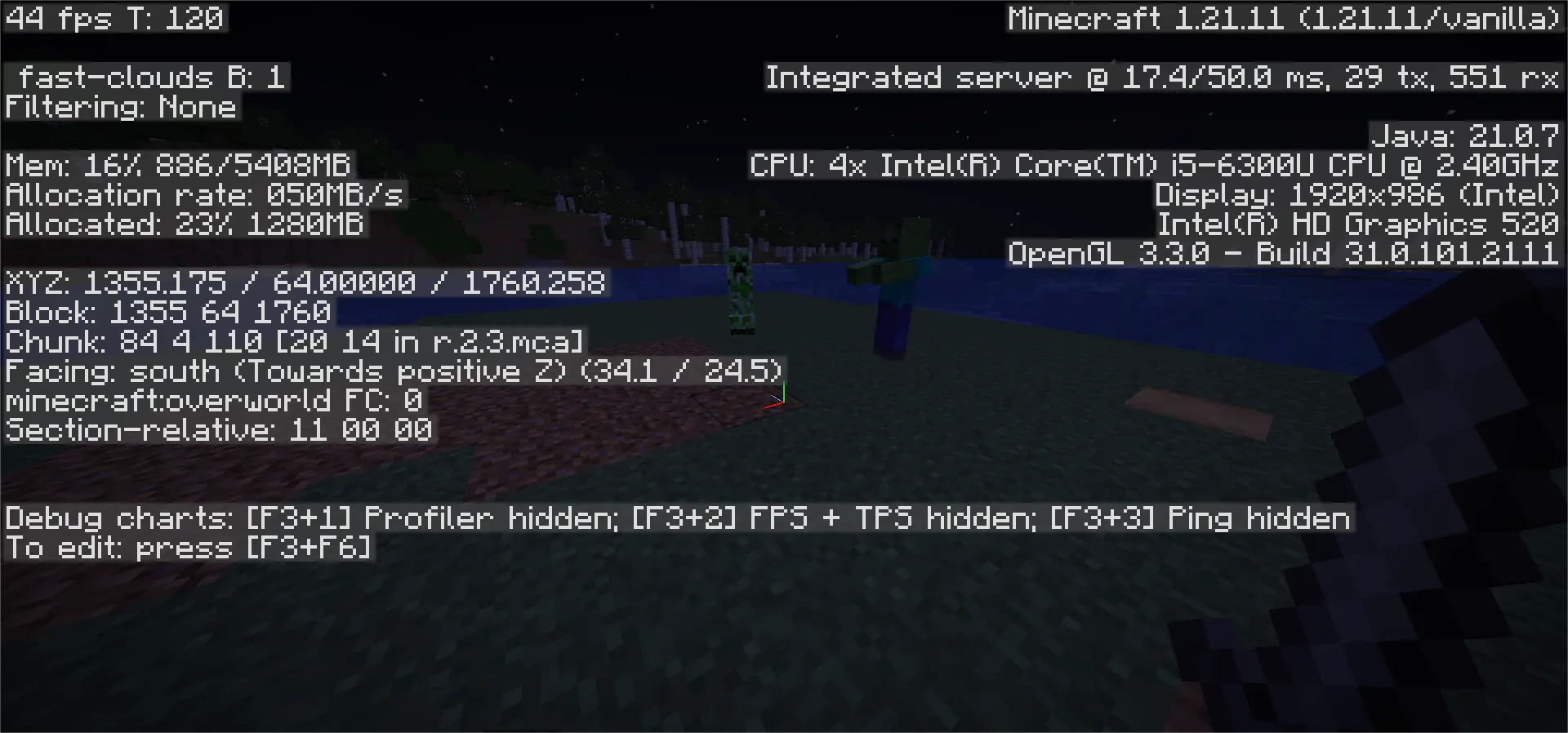
This is the big one. Most Hostile mobs — Zombies, Skeletons, Creepers, Spiders, Endermen — only spawn on blocks with a light level of 0. Not 1. Not 2. Zero.
Java Edition 1.18 changed this permanently. Before 1.18, any light level of 7 or below could spawn hostiles. Now it's strictly 0, which makes lighting your base to level 1 theoretically safe — but level 1 is almost impossible to guarantee everywhere, so aim for light level 2+ on every surface in your base.
Pro Tip: Use F3 (Java) or enable coordinates mode (Bedrock) to check light levels. Any block showing light level 0 at night is a potential spawn point.

2. Block Surface Requirements
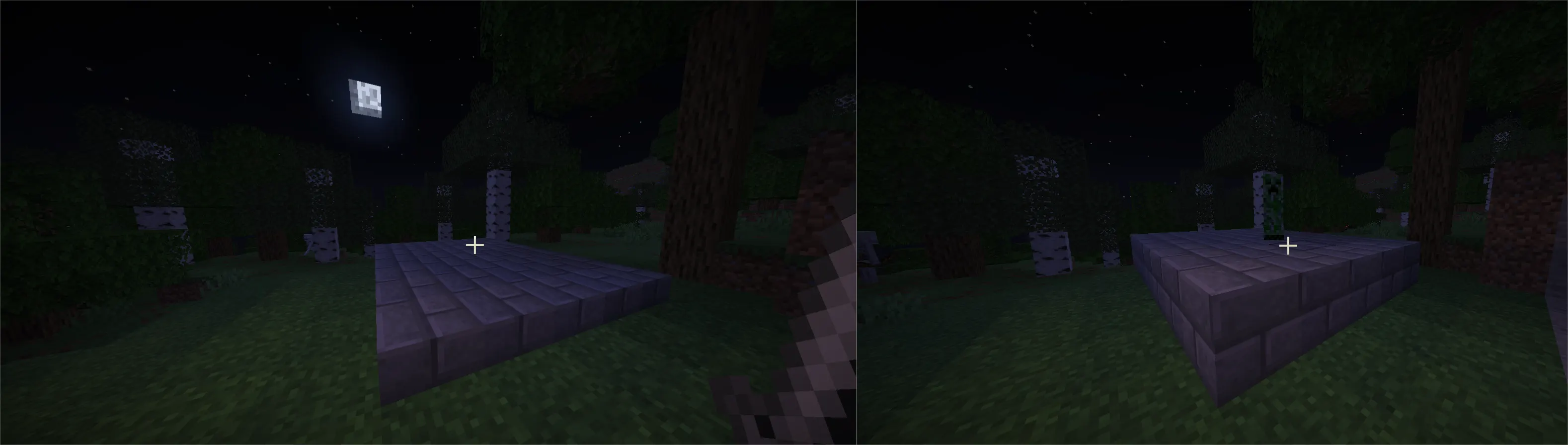
Mobs need a solid, opaque block to spawn on. Transparent or non-full blocks don't work as spawn surfaces. This includes glass, slabs (top half is fine, bottom half blocks spawning), leaves, carpet, and most non-full blocks.
• Blocks that PREVENT spawning: Glass, Bottom Slabs, Carpet, Trapdoors (when flat), Buttons, Pressure Plates, Leaves, Soul Sand (in Java), Magma Blocks
• Blocks that ALLOW spawning: Dirt, Stone, Wood Planks, Grass, Netherrack, Sand, Gravel, and most full blocks
Spawn-proofing tip: Covering every floor block with bottom slabs or carpet is one of the cheapest and most effective ways to prevent mobs from spawning inside your structures.
3. Space Requirements
Every mob needs a minimum amount of vertical space to spawn:
• Most mobs (Zombie, Skeleton, Creeper): Require 2 blocks of vertical clearance
• Enderman: Requires 3 blocks of clearance
• Spiders: Need a 2×2 horizontal area plus 1 vertical block
• Ghasts: Need a 5×4×5 open space (huge — that's why they mostly spawn in open Nether areas)
4. Distance from the Player
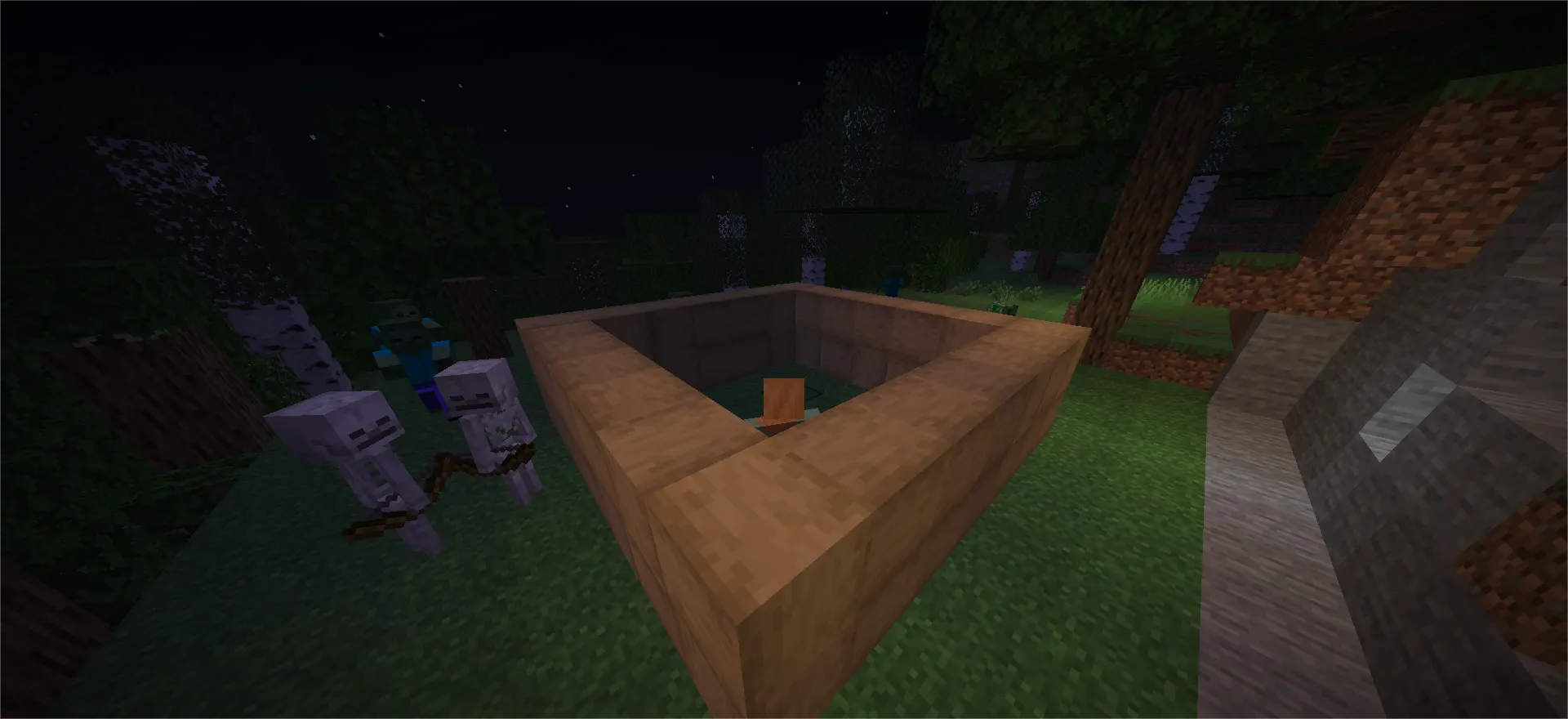
Mobs only spawn in a certain range from the player. Too close or too far, and nothing spawns:
• Minimum spawn distance (Java): 24 blocks from the player
• Maximum spawn distance (Java): 128 blocks from the player
• Despawn distance: Mobs that wander beyond 128 blocks despawn instantly. Mobs between 32 and 128 blocks have a random chance to despawn over time.
Bedrock note: Bedrock uses simulation distances instead, and the exact spawn radii vary slightly by platform. On most Bedrock devices, mobs can spawn further than 128 blocks in some cases.
The Mob Cap: Why Your Farm Stops Working
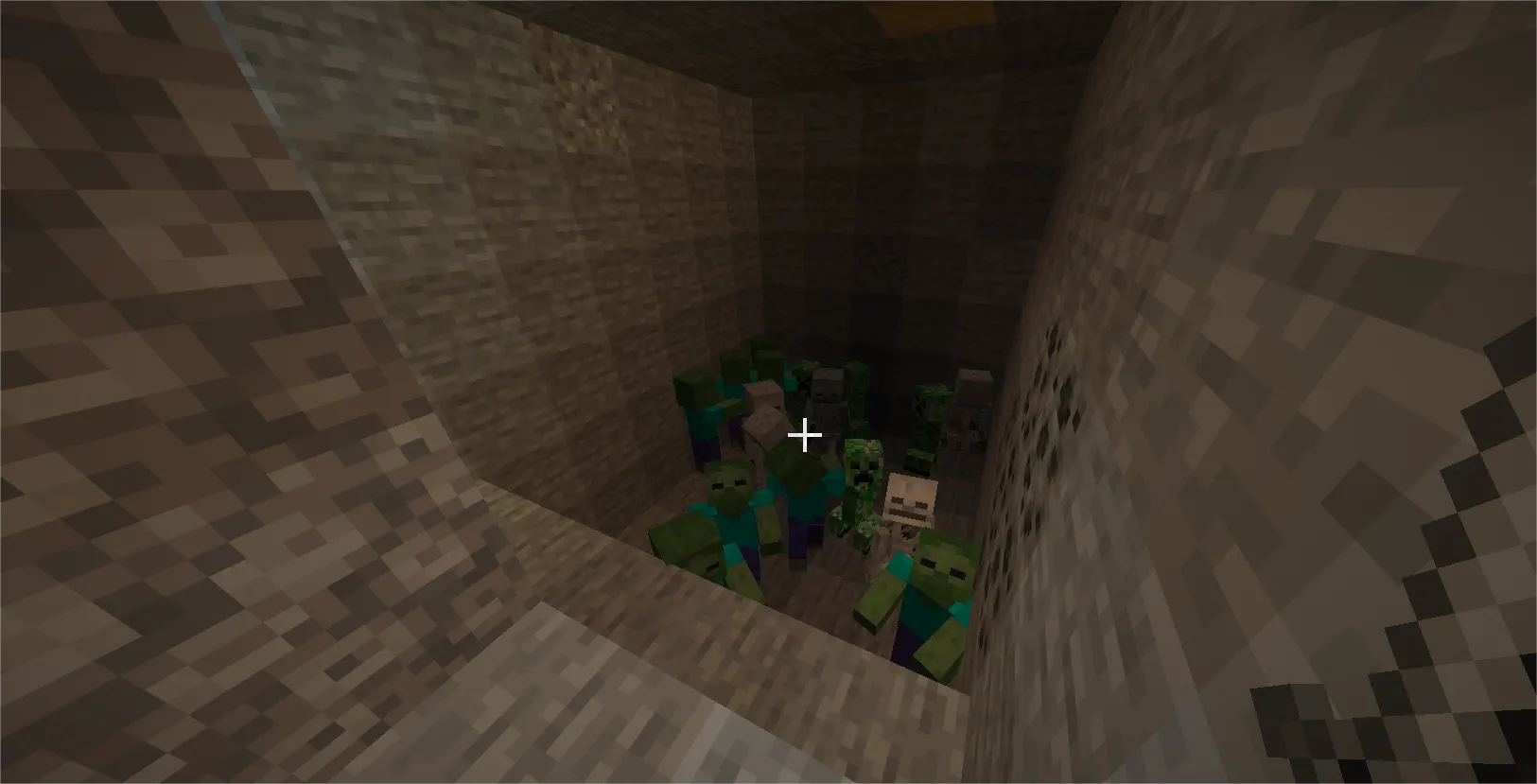
The mob cap is one of the most important — and most overlooked — mechanics in the game. Minecraft maintains a global cap on how many mobs can exist in the loaded world at any one time. Once that cap is hit, the game stops spawning new mobs, full stop.
In Java Edition, the default mob caps per player are:
• Hostile mobs: 70 (this is the one that matters for farms)
• Passive mobs: 10
• Ambient mobs (bats): 15
• Water mobs (fish, squid): 5 per player in Java
The key insight: If you have a loaded village with 70 villagers or passive mobs spread across your world, hostile mobs may refuse to spawn even at night with perfect darkness. Always check your passive mob count if a farm underperforms.
Advanced Tip: In Java Edition multiplayer, mob caps are multiplied per player. 3 players = up to 210 hostile mob slots. This makes mob farms significantly more productive in SMP servers compared to single-player.
Mob Spawning by Mob Type
Different mob categories have different spawning rules. Here's a full breakdown:
Hostile Mobs (Monster Spawning)
These spawn during the mob spawning cycle that runs every game tick (roughly 20 times per second). The game attempts to spawn mobs in chunks within the player's spawn range. Each attempt picks a random block in a loaded chunk, checks all the conditions above, and either spawns a mob or moves on.
Hostile mobs are grouped into "packs" during spawning — a pack of 1–4 mobs of the same type is spawned in a cluster, not individually. This is why you often see 3 Zombies at once, but rarely just one.
Passive Mobs (Animals)
Passive mobs — cows, pigs, sheep, chickens — spawn quite differently. In Java Edition, they only spawn when a new chunk is generated. After that, they don't respawn naturally unless you breed them. In Bedrock Edition, passive mobs can respawn in loaded chunks, but it's still much rarer than hostile mob spawning.
This is why, as your world ages and you explore more chunks, you'll notice animals become scarcer near your base. They spawned when those chunks loaded and haven't been replenished since.
Water & Ambient Mobs
Fish, squid, dolphins, turtles, and drowned spawn in water biomes. These have their own separate mob cap and use the same distance rules, but check water block conditions instead.
Bats (ambient mobs) are mostly irrelevant for gameplay but consume mob cap slots. They spawn in light level 3 or less at Y level 63 or below. If you're building an underground mob farm and bats keep appearing, lighting the ceiling eliminates them and frees up cap space.
Mob Spawning Quick Reference Table
A quick reference for the most common mob spawn conditions:
|
Mob Type |
Light Level |
Dimension |
Special Condition |
|
Zombie / Skeleton |
0 (total) |
Overworld |
Solid opaque block |
|
Creeper |
0 (total) |
Overworld |
Solid opaque block |
|
Spider |
0 (total) |
Overworld |
2+ block tall space |
|
Enderman |
0 (total) |
All Dims |
3+ block tall space |
|
Blaze |
11 or fewer |
Nether |
Near blaze spawner |
|
Magma Cube |
Any |
Nether |
Near fortress/bastion |
|
Ghast |
Any |
Nether |
Open space 5×4×5 |
|
Slime |
Any |
Swamp/Slime chunks |
Moon phase dependent |
|
Drowned |
0 (total) |
Water |
River/ocean biome |
Dimension-Specific Spawning Rules
The Overworld
Standard rules apply. Hostile mobs spawn at night on the surface and at any time underground (since underground naturally has light level 0). The day/night cycle matters on the surface — the sun effectively acts as a light source, raising surface light levels, which prevents spawning during the day.
The Nether
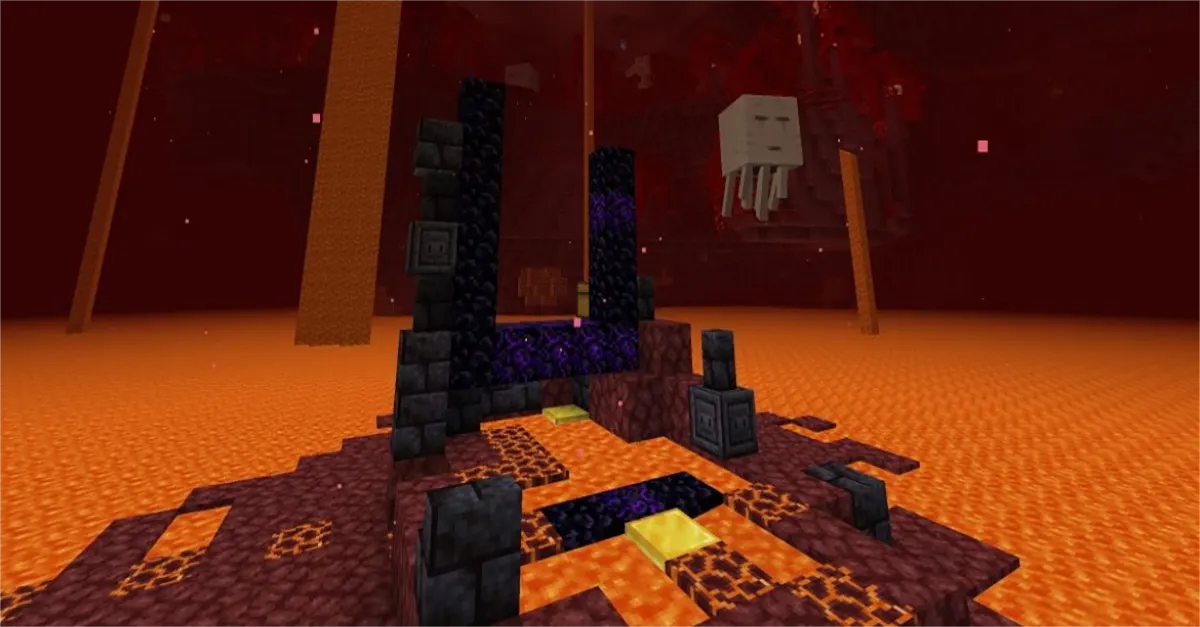
The Nether has no day/night cycle, so mobs spawn continuously. Nether-specific mobs like Zombified Piglins, Ghasts, Blazes, and Magma Cubes have unique spawn conditions:
• Zombified Piglins: Spawn in groups in all Nether biomes (except Basalt Deltas and Soul Sand Valley have reduced rates)
• Ghasts: Require large open spaces — at least 5×4×5 blocks of air
• Blazes: Mostly spawner-based but can naturally spawn in Nether Fortresses at light level 11 or below
• Wither Skeletons: Spawn exclusively in Nether Fortresses and require 3 blocks of vertical space
The End
The End spawns Endermen constantly on the main End island and the outer islands. The central island is a breeding ground for Endermen due to the large, flat, dark surface area. After defeating the Ender Dragon, End Cities become accessible — Shulkers spawn here and are the only mob that doesn't despawn.
How to Control Mob Spawning: Practical Techniques
Lighting (The Most Effective Method)
Place torches, lanterns, sea lanterns, shroomlights, or glowstone at regular intervals. The goal is to raise every block surface to light level 2 or higher. Torches have a light level of 14, which means they illuminate roughly 7 blocks in all directions at level 1 minimum.
• Torch spacing rule of thumb: Place a torch every 12 blocks in open areas. In tunnels or corridors, every 6–8 blocks.
• Prefer lanterns underground: They have the same light level as torches but can't be broken by Zombies and look cleaner.
Spawn-Proofing With Blocks

If you want to prevent mob spawning without lighting (useful in mob farms to direct spawning to specific areas, or inside buildings for aesthetic reasons), cover surfaces with non-full blocks:
• Bottom-half slabs: The single most used spawn-proofing material. Cheap, stackable, and fully prevents mob spawning on any surface covered.
• Carpet: Excellent for covering large flat areas — cheap (2 wool = 3 carpet) and visually clean.
• Buttons/Pressure Plates: Cover a single block each — useful for irregular surfaces.
• Trapdoors (horizontal/flat position): Block spawning and can be placed on ceilings to prevent Bat spawning.
Builder Note: Spawn-proofing the ceiling of a mob farm chamber is just as important as the floor. Mobs that spawn on the ceiling take up mob cap space without falling into your kill zone.
Using the /gamerule Command
In creative, single-player survival, or if you're running a server, you can control mob spawning directly: /gamerule doMobSpawning false — completely disables all natural mob spawning. /gamerule mobGriefing false — mobs still spawn but can't destroy blocks (useful for keeping Creepers but avoiding grief).
Pro Tips for Mob Farms (Maximizing Spawn Rates)
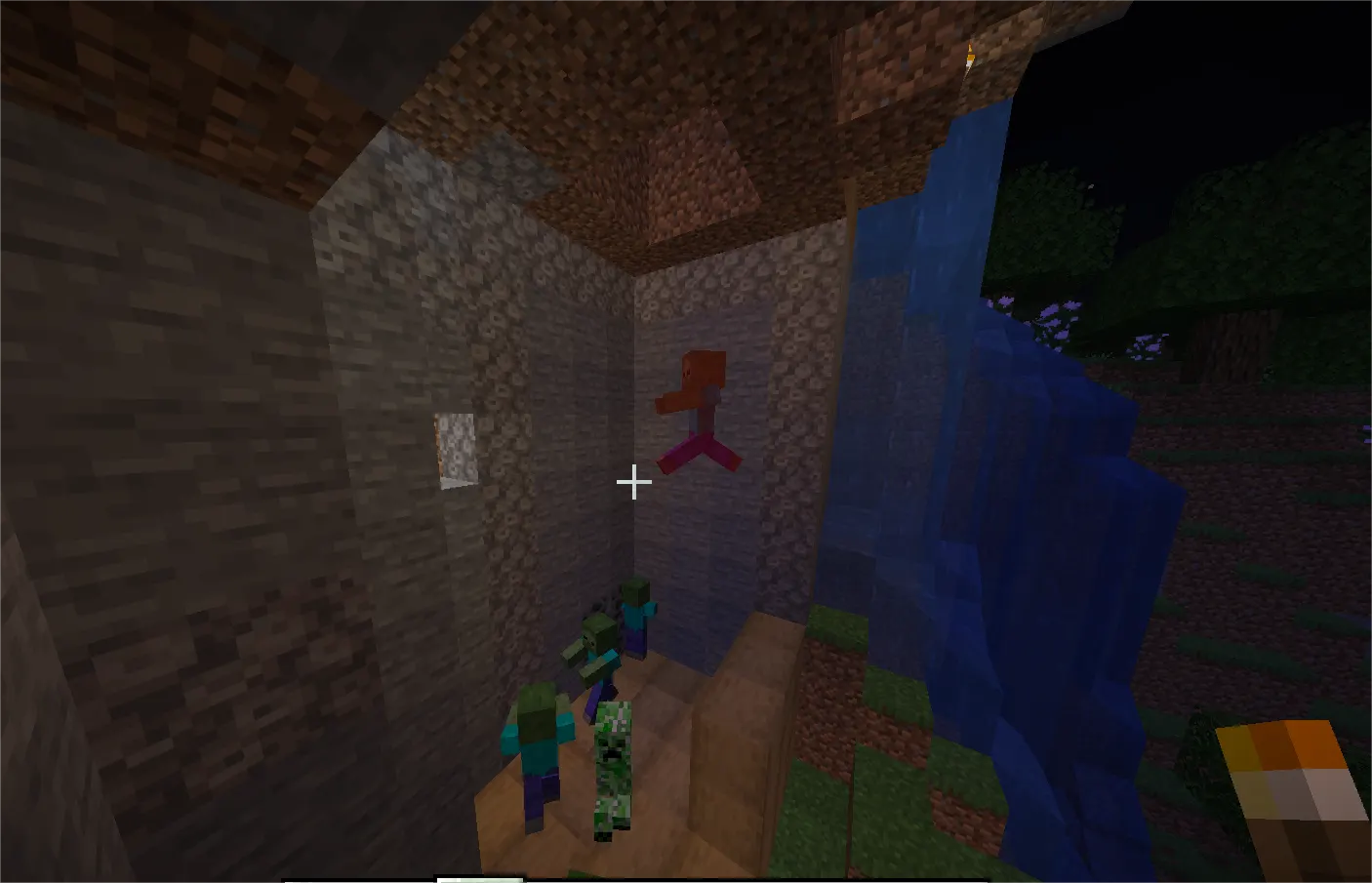
1. AFK at the right height. Stand exactly 128 blocks above the kill floor of your farm. Any higher, and mobs near the surface can still spawn and consume cap space. Any lower, and your spawn platform is within the 24-block no-spawn zone.
2. Eliminate all other spawn surfaces. Fly 128 blocks around your AFK point and eliminate every dark block surface. Each mob that spawns outside your farm is one fewer mob inside it.
3. Remove passive mobs near your base. Passive mobs count toward the mob cap. Tame and corral your animals in enclosed pens — don't let them roam. Every cow wandering the landscape is a potential farm spawn slot wasted.
4. Spawn-proof the roof. Your mob farm chamber ceiling is a dark surface. Slab it, carpet it, or light it so mobs don't spawn above the drop zone.
5. Use perimeter clearing in Java Edition. Elite mob farmers build a cleared "perimeter" — a giant excavated area around the farm where all blocks are removed. This forces the game to only find valid spawn spots inside your farm. This is extreme but yields the highest possible rates.
6. Understand that Bedrock farms work differently. Bedrock's spawning algorithm is tick-based and works slightly differently from Java's chunk-based system. Bedrock farms typically need wider platforms and can't rely on perimeter clearing as effectively.
Efficiency Note: A well-optimized Java Edition mob farm with perimeter clearing can produce 10x–30x more drops than a basic dark room. Perimeter clearing isn't mandatory, but it's the highest-ROI upgrade you can make to an existing farm.
Common Mob Spawning Myths — Busted
• Myth: Torches prevent all mob spawning. False. Torches only prevent spawning if they raise the light level to 1 or above. A torch 10+ blocks away on a flat surface may not illuminate the far corners enough.
• Myth: Mobs don't spawn on non-natural blocks. False. Mobs spawn on any solid full block, regardless of whether it's naturally occurring or player-placed.
• Myth: Mob spawning is random. Not fully. It's pseudo-random within a strict rule system. The game checks conditions deterministically — randomness only comes from which block it checks first.
• Myth: Sleeping skips mob spawning. Sleeping advances the time to day but doesn't skip the spawning cycle. Mobs that spawned overnight are still there when you wake up.
• Myth: Difficulty affects spawn rates. Difficulty affects mob damage and behavior, not spawn frequency. Peaceful mode is the exception — it completely disables hostile spawning.
Conclusion
Mob spawning in Minecraft isn't random — it's a system with clear rules that you can learn, control, and exploit. Light level 0 is the enemy. The mob cap is the bottleneck. The 24–128 block range is the sweet spot. And spawn-proofing with slabs or carpet is the cheapest, most reliable fix for bases that keep getting invaded.
Whether you're trying to make your base safe, build an efficient mob farm, or just understand why that Creeper appeared in your living room at 2 AM, the mechanics above explain everything.
Master these rules, and you're not just surviving Minecraft — you're bending the game to your will.