
Quick Answer
The fastest ways to get XP in the early game of Minecraft are mining Nether quartz, killing hostile mobs, and smelting large amounts of ore or food. Nether quartz is especially powerful — each ore drops 2–5 XP instantly with no extra setup. Combine it with mob kills and smelting, and you can reach level 30 in under an hour of survival play.
Introduction
Experience points are the backbone of Minecraft progression. Without XP, you can't enchant your gear, repair tools with Mending, or combine enchantments on an anvil. The problem is that most guides assume you already have a blaze farm or an Enderman grinder, which takes hours to set up.
In the early game, you're working with almost nothing. You need XP now, not after you've built a full mob farm. That's what this guide is for.
Whether you just spawned into a fresh world, you're playing Hardcore, or you want to hit level 30 as fast as possible without risking your items, these methods are ranked, explained, and ready to use on day one.
Why XP Matters Early Game
Most beginners ignore XP until they find an enchanting table. By then, they realize they're sitting at level 3 with no idea how to grind it up quickly.
Here's what XP actually unlocks for you:
-
Enchanting table — Needs level 30 for the best enchantments
-
Anvil repairs — Costs XP to repair and combine enchantments
-
Mending — Uses XP to repair gear automatically while you play
-
Grindstone — Uses a tiny amount of XP to remove enchantments
-
Name tags — Require XP on the anvil
The sooner you start building your XP pool, the sooner you get Fortune III on a pickaxe or Protection IV on armor. That's the difference between surviving the early game and getting destroyed by a creeper every other night.
XP also has a curve. Levels 1 through 16 are cheap, but getting from level 27 to 30 costs significantly more experience per level. That's why knowing efficient sources early matters so much.
Fastest Ways to Get XP Early in Minecraft
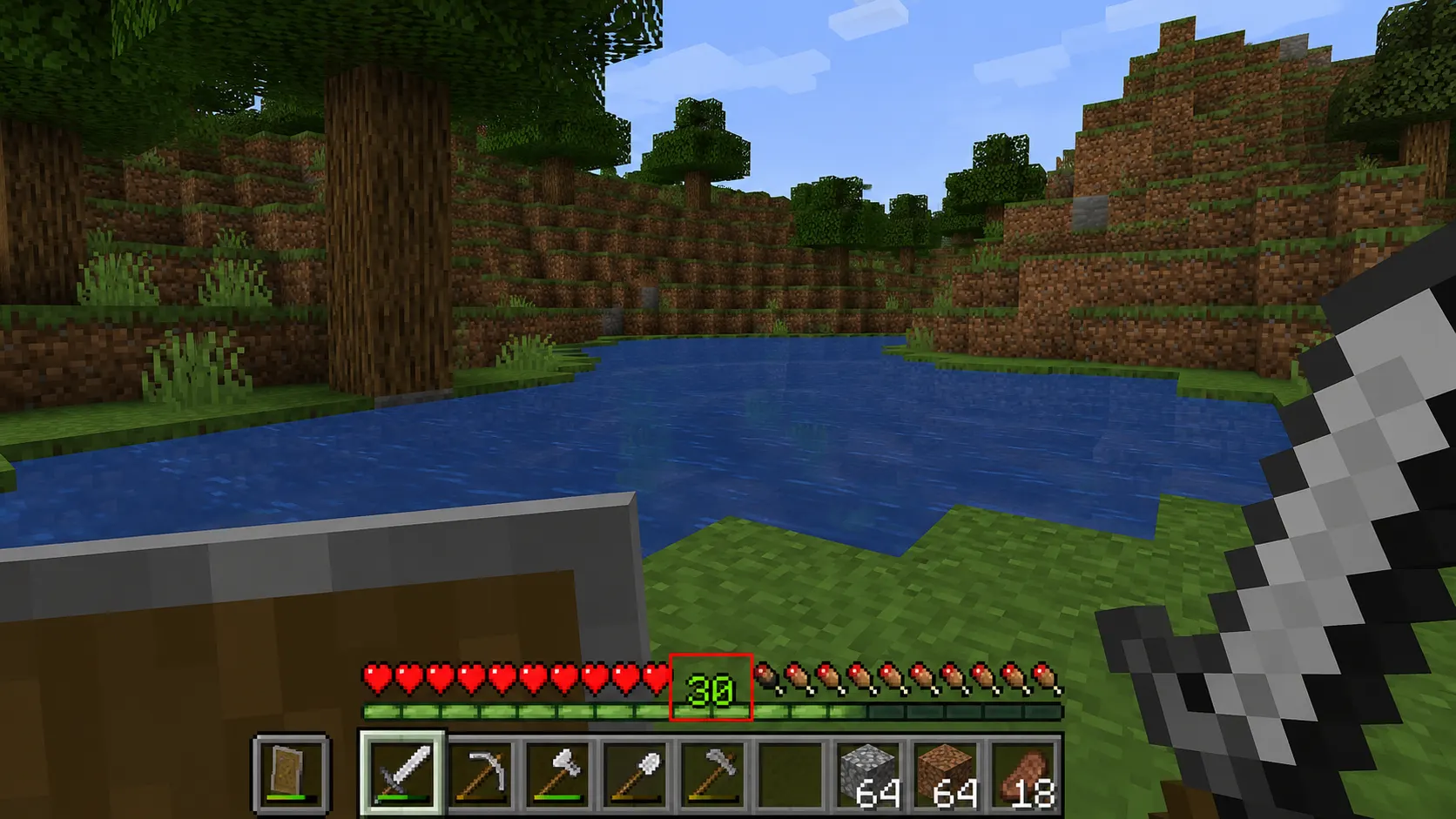
Before diving into each method, here's a quick overview of the best early-game XP sources ranked by speed, safety, and accessibility:
|
Method |
XP Speed |
Risk Level |
Requires Setup? |
Best Stage |
|
Nether Quartz Mining |
⭐⭐⭐⭐⭐ |
Medium |
No |
After the Nether portal |
|
Mob Killing (natural) |
⭐⭐⭐ |
High |
No |
Day 1+ |
|
Smelting (bulk) |
⭐⭐⭐ |
None |
Minor |
Day 1+ |
|
Zombie/Skeleton Spawner |
⭐⭐⭐⭐ |
Medium |
Minor |
After finding one |
|
Animal Breeding |
⭐⭐ |
None |
Minor |
Day 2+ |
|
Fishing |
⭐ |
None |
No |
Anytime |
|
Villager Trading |
⭐⭐ |
Low |
Yes |
After finding the village |
Each of these has a time and place. Use multiple methods together, and your XP gains compound fast.
Best Early Game XP Sources
XP From Mining
Mining is your first reliable source of XP. Certain ores drop experience directly when broken, no smelting required.
Here's what gives you XP on contact:
-
Coal ore — 0–2 XP
-
Lapis lazuli ore — 2–5 XP
-
Redstone ore — 1–5 XP
-
Diamond ore — 3–7 XP
-
Emerald ore — 3–7 XP
-
Nether quartz ore — 2–5 XP
-
Nether gold ore — 0–1 XP (small but fast to mine)
-
Ancient debris — No XP (sadly)
In the early game, you're already mining for coal and iron constantly. That passive XP adds up more than you'd think. A full cave run, hitting dozens of coal veins,s gives you several levels without any extra effort.
Pro tip: Use a Silk Touch pickaxe if you want to delay XP collection, break the ores later when you need a quick top-up before enchanting. This trick works well if you find a lot of lapis early on.
Why Nether Quartz Is Overpowered in the d Early Game
This is the single best XP method before you have any farms set up. If you've built a Nether portal and you're reasonably safe, go straight to quartz mining.
Here's why it's so good:
-
Nether quartz ore spawns everywhere in the Nether, especially in open Nether Waste biomes
-
Each block gives 2–5 XP instantly when mined
-
You mine it extremely fast with a stone or iron pickaxe
-
A Fortune III pickaxe triples your XP gains per ore (but you need XP to get Fortune classic chicken and egg, so just mine without it first)
-
The Nether is dense with quartz; you can mine hundreds of blocks in 15 minutes
A single good quartz mining session in the Nether can take you from level 0 to level 20+ in about 20 minutes. That's not an exaggeration. Walk into any large Nether Waste, start mining quartz clusters, and watch your XP bar fill up.
Risks to manage:
-
Ghasts can hit you from across lava lakes
-
Piglins will attack if you mine gold near them while not wearing gold armor
-
Falling into lava is always a possibility in the Nether
Wear gold boots at minimum to avoid Piglin aggression, bring a fire resistance potion if you have one, and stay alert for Ghast fireballs. The XP payoff absolutely justifies the trip.
XP From Killing Mobs
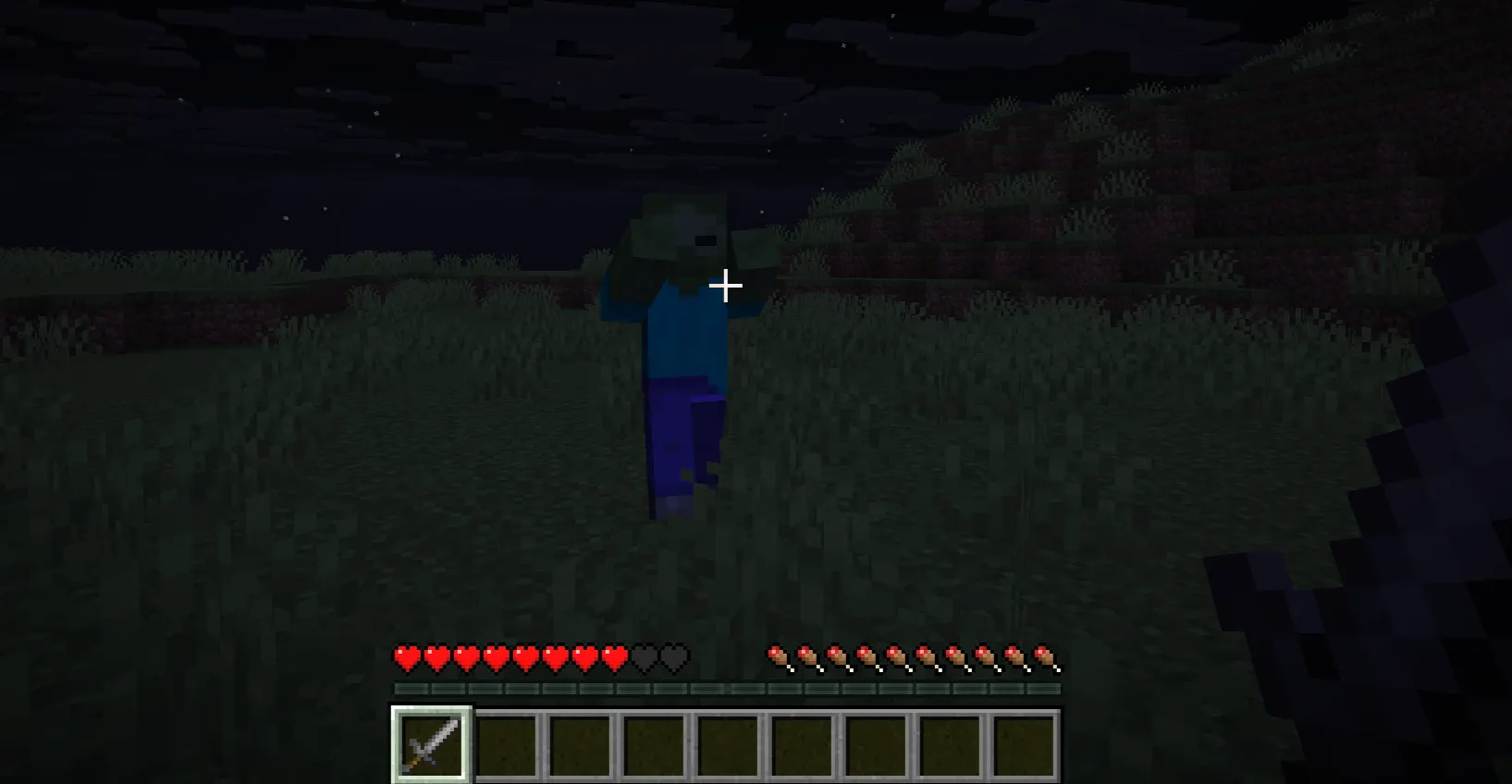
Hostile mobs drop XP when killed. This is the most natural XP source in survival — you're killing mobs anyway for drops, so you're always earning XP passively.
XP values for common mobs:
|
Mob |
XP Dropped |
|
5 XP |
|
|
5 XP |
|
|
5 XP |
|
|
5 XP |
|
|
Witch |
5 XP |
|
5 XP |
|
|
Blaze |
10 XP |
|
Piglin Brute |
20 XP |
|
5 XP |
|
|
Slime (large) |
4 XP |
|
Silverfish |
5 XP |
|
Ender Dragon |
12,000 XP |
|
Wither |
50 XP |
Killing mobs naturally gives you a steady stream of XP, but it's not the fastest grinding method on its own. Where it becomes powerful is when you find a mob spawner.
Using a Zombie or Skeleton Spawner
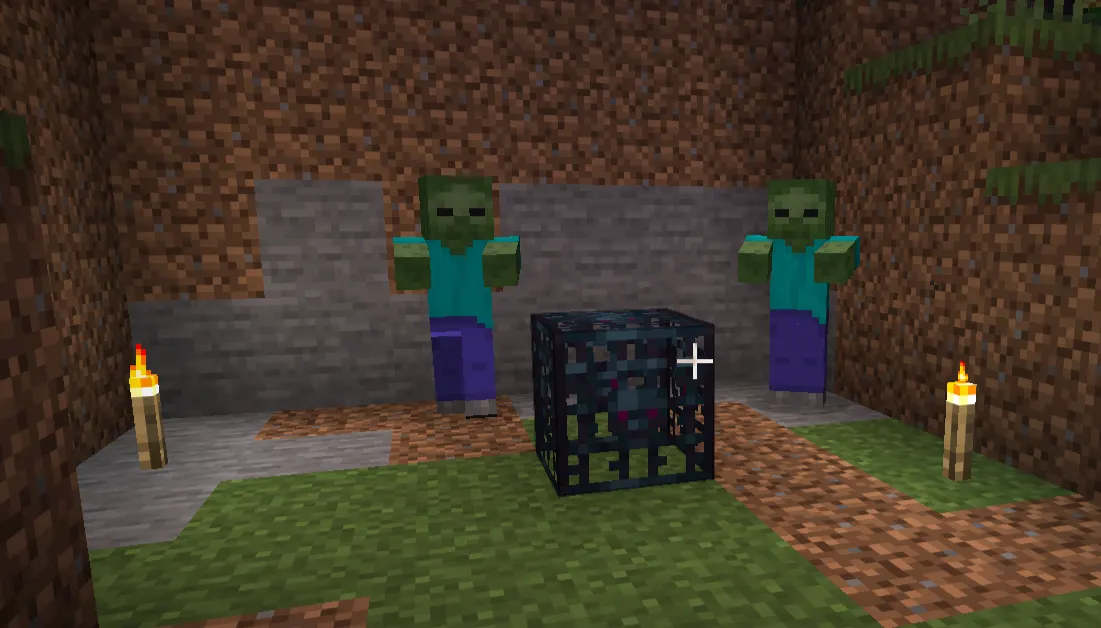
Finding a zombie dungeon or skeleton dungeon in the early game is a massive XP windfall. These spawners constantly generate mobs in a small enclosed space, meaning you can kill them without searching; they come to you.
Quick spawner setup:
-
Find the spawner (usually in a dungeon underground)
-
Light up the room so no mobs spawn outside the spawner's range
-
Leave 2 blocks in front of the spawner open
-
Build a small area where mobs are funneled toward you
-
Stand at a safe distance and kill them with a sword
Even with zero automation, a raw spawner in a lit dungeon can get you from level 0 to level 30 in around 30–40 minutes of active killing. If you want to semi-automate it later, you can funnel mobs into a 1-block gap and AFK grind while they fall.
Skeleton spawners are slightly better than zombie spawners because skeletons can't break down doors, and their arrows are easier to block.
XP From Smelting
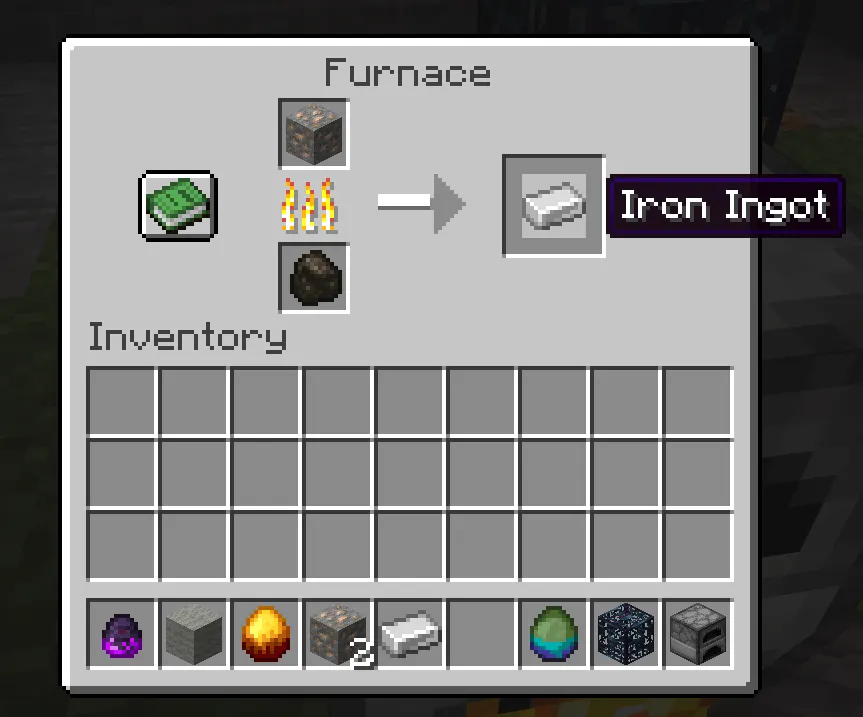
This one surprises many new players. Smelting items in a furnace gives X, but you only collect it when you remove the smelted items from the output slot.
XP per smelt for common items:
|
Item Smelted |
XP Per Item |
|
Iron ore / raw iron |
0.7 XP |
|
Gold ore / raw gold |
1.0 XP |
|
Coal ore (with Silk Touch) |
0.1 XP |
|
Cactus |
1.0 XP |
|
Kelp (dried) |
0.1 XP |
|
Cooked chicken/pork/beef |
0.35 XP |
|
Sand → Glass |
0.1 XP |
|
Clay → Bricks |
0.3 XP |
|
Cobblestone → Stone |
0.1 XP |
The numbers seem small, but they stack. If you smelt 200 raw iron over the course of your early game — which is realistic — that's 140 XP before the bonus multiplier. Smelt 64 gold ore, and you get 64 XP all at once when you collect your gold ingots.
The XP stacking trick: Don't collect your smelted items immediately. Let a furnace run for a long time, then collect everything at once. The XP is saved up and delivered in bulk when you pull the items out. This is great for a quick XP injection right before you want to enchant something.
Cactus smelting is a popular early-mid game method because cactus grows automatically — plant it in a desert, collect it passively, smelt it later for free XP and green dye.
XP From Animal Breeding
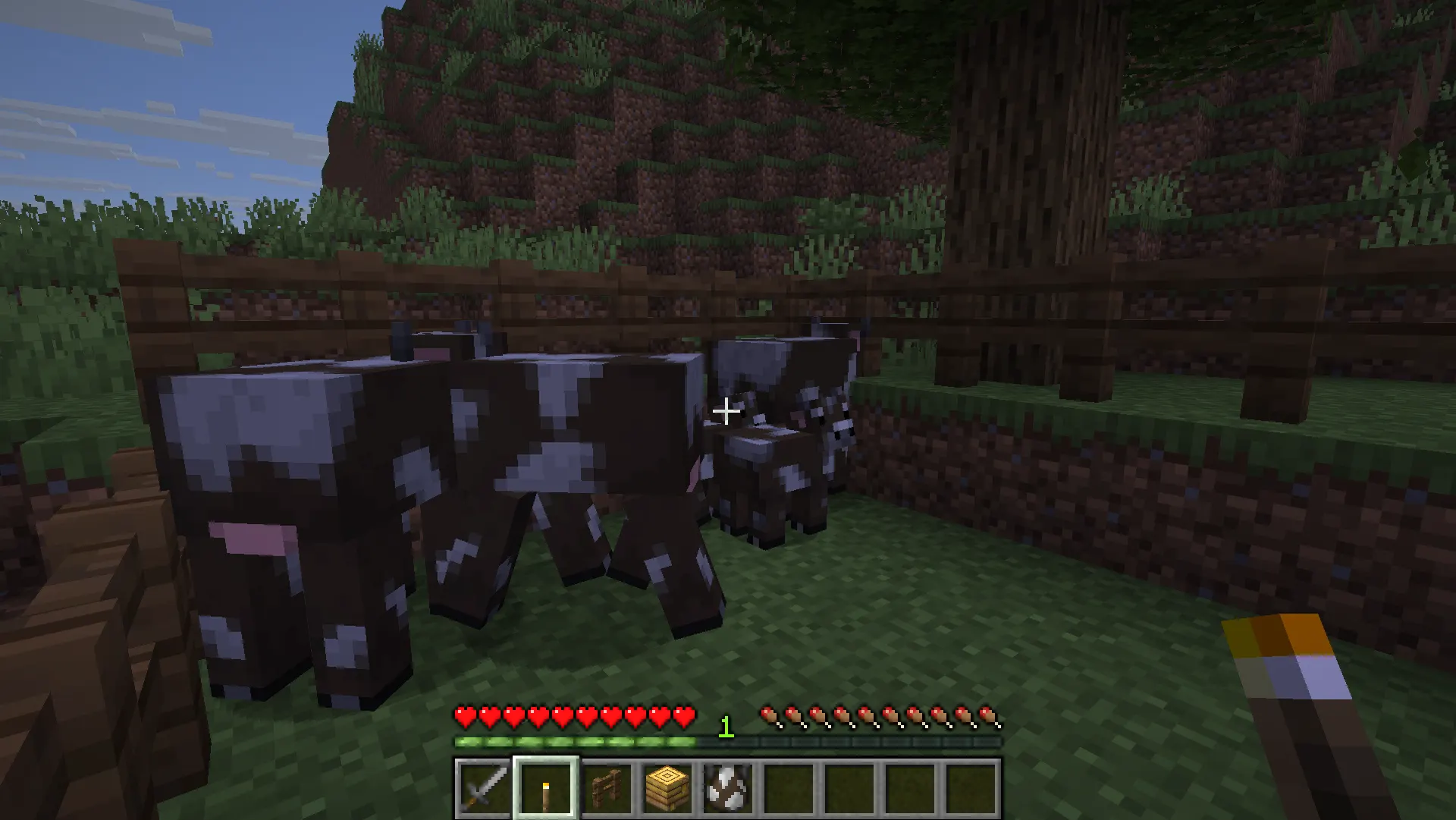
Breeding animals gives 1–7 XP per successful breed. It's not fast, but it's completely safe and zero risk.
-
Cows, Sheep, Pigs, Chickens — 1–7 XP each breed
-
Horses — 1–7 XP
-
Wolves / Cats — 1–7 XP
In the early game, if you've set up a basic animal pen (which you should for food anyway), breed your animals whenever you have wheat or carrots to spare. Each breeding gives XP, and you also get baby animals that grow into food sources.
It's passive and low priority, but in aggregate over your first few game days, breeding adds up to a few levels. Good to do while you're doing other things near base.
XP From Fishing
Fishing gives XP every time you catch something, not just fish, but also junk and treasure.
-
Each catch — 1–6 XP
With an unenchanted rod, fishing is slow, and the XP rate is low. But with a Luck of the Sea III and Lure III rod, fishing becomes a solid AFK XP method, plus you can catch enchanted books,s which is great progression.
For the early game, fishing is more of a supplemental method. It's nice when you're sitting at base at night and don't want to venture out, but it won't get you to level 30 faster than quartz mining or mob killing.
If it's raining, don't bother wait it out near a furnace and collect that smelting XP instead.
XP From Villager Trading
Trading with villagers gives XP; each trade gives between 3 and 6 XP, depending on the trade tier. First-time trades with a new trade slot give bonus XP.
More importantly, villager trading is one of the best ways to level up villagers to give you better trades (like getting a librarian to Master level for Mending books). Each trade you do pushes them up a tier and gives you XP in return.
For the early game specifically:
-
Find a Fletcher villager and trade sticks for emeralds — sticks are basically free and easy to mass produce
-
Find a Farmer and trade crops you're growing anyway
-
Find a Librarian and keep trading for XP while working toward good enchanted books
The XP from trading alone won't power-level you, but if you've found a village early on, make trades every time you pass through. The XP adds up without any extra effort.
Best Early Game XP Farm Ideas
Once you're past day 3 or 4, it's worth building a simple XP farm. You don't need anything elaborate.
Mob Spawner Farm (Best Option)
If you've found a dungeon with a zombie or skeleton spawner, this is your best early-game farm. The setup is minimal:
-
Clear the dungeon completely and light it up
-
Break all the torches near the spawner itself
-
Create a funnel using water streams to push mobs into a kill zone
-
Build a spot where you can hit mobs through a gap
Even a basic "stand here and hit" setup doubles your XP per hour compared to wandering at night. If you're willing to spend 30 minutes on setup, you can make the mobs fall 22 blocks (enough to leave them at 1 HP) and one-shot them, making farming even faster.
Simple Cactus Smelter
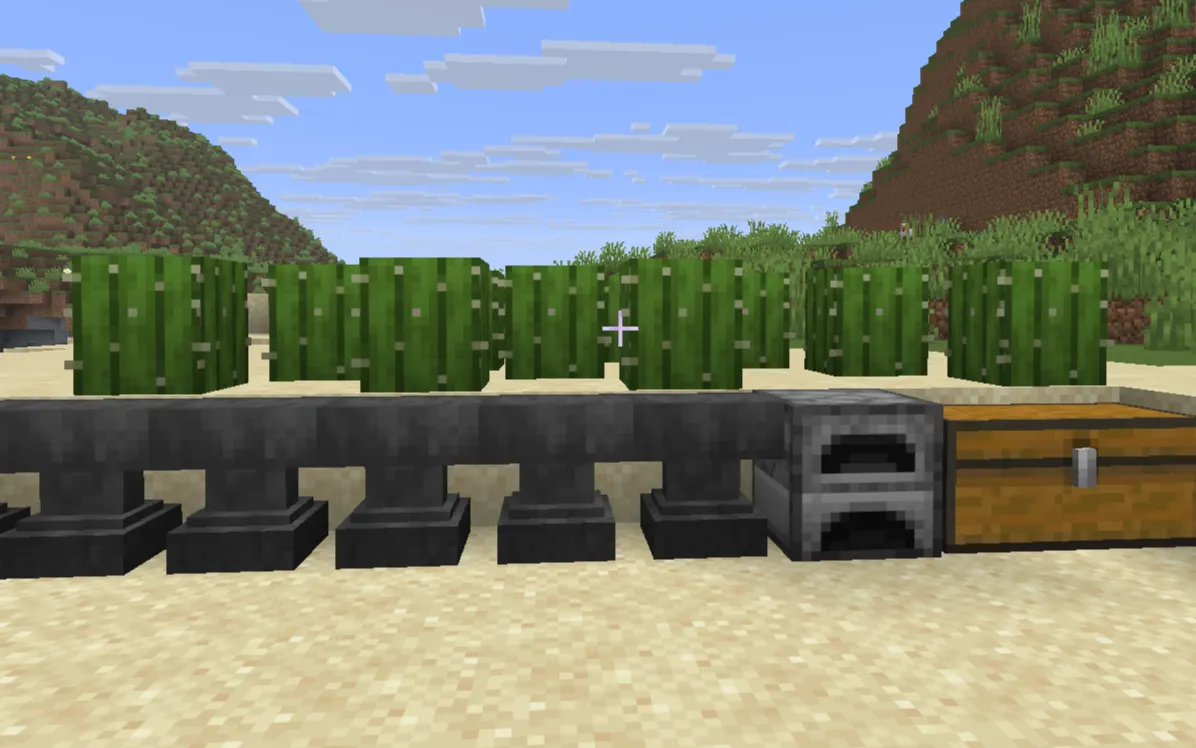
Plant a cactus around your base in sand. Build a collection hopper into a furnace. Use kelp or wood as fuel. Let it run passively. When you need XP before enchanting, pull your cactus output all at once.
It's not exciting, but it costs nothing to set up and generates free XP while you do other things.
Passive Mob Farm
A basic cow or chicken farm where you periodically breed and kill adult animals gives food, XP, and materials. Tuck one inside your base and use it every in-game morning. Takes 10 minutes to build and gives consistent returns.
How to Reach Level 30 Quickly
Level 30 is the target for max enchantments. Here's exactly how much XP you need:
-
Level 0 to 16: 17 XP per level (low cost)
-
Level 17 to 31: 3 XP more per level (scales up)
-
Level 0 to 30: Requires exactly 1,395 XP points total
That sounds like a lot until you realize a single Nether quartz mining session or spawner grind can deliver that in one go.
Fastest route to level 30 in a fresh world:
-
Days 1–2: Mine coal, iron, and lapis naturally while caving. Smelt iron in bulk, don't collect it yet.
-
Day 2–3: Build a Nether portal as soon as you have obsidian and flint.
-
Day 3: Enter the Nether and mine quartz for 15–20 minutes. You should hit level 20+ easily.
-
Day 3–4: If you found a spawner, set up basic mob funneling and grind to level 30.
-
Day 4: Collect your smelting XP from all that iron you left in the furnace. Use it as a top-up.
-
Enchant at level 30.
Realistically, you can reach level 30 by day 3 or 4 of a survival world without any complex farms. The key is combining multiple XP sources rather than relying on just one.
Safe XP Grinding Strategies
Not every player wants to dive into the Nether on day two. Here are the safest XP methods if you want to avoid risk:
Safe Methods (No Combat Required)
|
Method |
Approximate XP/Hour |
Notes |
|
Smelting (bulk iron) |
500–800 XP |
Depends on how much you smell |
|
Animal breeding |
200–400 XP |
Slow but zero risk |
|
Fishing (basic rod) |
300–500 XP |
AFK-friendly |
|
Cactus smelting |
400–600 XP |
Passive once set up |
Moderate Risk Methods
|
Method |
Approximate XP/Hour |
Notes |
|
Night mob farming |
1,000–2,000 XP |
Need good armor |
|
Spawner grinding |
2,000–4,000 XP |
Need to find a spawner |
|
Villager trading |
500–1,000 XP |
Needs village access |
Higher Risk Methods
|
Method |
Approximate XP/Hour |
Notes |
|
Nether quartz mining |
3,000–6,000 XP |
High risk, huge reward |
|
Blaze farming |
5,000–10,000 XP |
Neither fortress required |
If you're playing Hardcore and death means everything, stick to bulk smelting and safe spawner setups with full iron armor before attempting the Nether. The smelting route is slower but completely risk-free.
Common Early Game XP Mistakes
A lot of players make these mistakes without realizing it's slowing their XP progression:
1. Collecting furnace output too early.y You get the XP when you pull items out. If you collect 10 iron ingots at a time, you get small XP bursts. Let it accumulate and collect everything at once for a bigger payout.
2. Not going to the Nether early enough. Many beginners delay the Nether until after they have full iron or even diamond gear. But quartz mining with stone tools still works fine, and the XP gain is massive compared to overworld methods at that stage.
3. Killing mobs with fire or fall damage. The mobs that die from fire or fall damage before you land the killing blow do not drop XP. If you're setting up a mob farm, make sure you're delivering the killing blow — not your lava floor.
4. Mining ores with Silk Touch unnecessarily. Silk Touch is great for collecting ores to smelt later, but remember — if you smelt Silk Touch-collected coal ore, it gives very little XP per item (0.1). Breaking raw coal ore directly gives 0–2 XP on contact. For XP purposes, break it raw.
5. Ignoring spawners. Lots of players block up spawners the moment they find them to prevent Mob spawning. That's fine if you're in the area short-term, but if you're planning to stay nearby, a spawner is a permanent free XP machine. Light it up, note the location, and come back to farm it once you have decent gear.
6. Fishing with an unenchanted rod,d expecting fasXP.XP Basic fishing is painfully slow for XP. If you're going to fish seriously, get a rod with at least Lure II first. Without enchantments, fishing is barely worth your time as a primary XP method.
Best Early Game XP Method for Beginners
If you had to pick just one method and wanted the fastest results with manageable risk, the answer is:
Neither quartz mining nor combined with bulk smelting.
Here's the simple plan:
-
Spend your first 2 days building a base, collecting wood, stone, and iron
-
Mine plenty of coal and iron — smelt iron in 2–3 furnaces, don't collect yet
-
Build a Nether portal (you need 10 obsidian, mine it with a diamond pickaxe or use a bucket of water + lava mold)
-
Enter the Nether, wear gold boots to avoid Piglins, and mine every quartz ore you see for 15–20 minutes.
-
Return to base, collect all your smelted iron at once for bonus XP
-
Enchant at level 30
This two-step combo is the fastest legitimate path to level 30 in vanilla survival without building any farms or using any exploits. Experienced players can do this in under 2 hours of real gameplay.
Java vs Bedrock Differences
Most XP mechanics are identical between Java and Bedrock, but there are a few differences worth knowing:
XP orb behavior:
-
On Java, XP orbs have a slight magnet range and merge into larger orbs
-
On Bedrock, XP orbs behave slightly differently and can sometimes be harder to collect in tight spaces
Smelting XP:
-
Both versions give XP on collection, not on completion — the stacking trick works on both
Mob spawner rates:
-
Mob spawners work similarly on both, but Bedrock has slightly different simulation distance,s which can affect farm output
Fishing:
-
On Bedrock, fishing treasure loot (enchanted books, etc.) requires the bobber to land in a specific water body. Fishing AFK setups on Bedrock need to be designed differently from Java
Nether quartz:
-
Same XP values on both versions — quartz mining is equally powerful regardless of platform
For beginners, none of these differences matters much. The strategies in this guide work on both Java and Bedrock editions.
Advanced Early Game XP Tips
Once you have the basics down, these tips will push your XP gains further:
Stack Your Grinding Sessions
Don't grind XP until you actually need it. XP is lost on death, so don't walk around sitting at level 28 while exploring risky areas. Stay low (level 5–10) most of the time, then do a dedicated grind session right before enchanting.
Use a Looting III Sword
Looting doesn't directly increase XP, but it increases item drops from mobs significantly, meaning your mob grind sessions generate more resources and incentivize killing more mobs, which indirectly means more XP per session.
Prioritize Mending Over Constant Grinding
Once you reach the mid-game, getting Mending on your tools and armor means XP you collect passively keeps your gear repaired. This reduces your dependence on XP for anvil repairs and lets you spend your levels on enchanting new gear instead.
Combine Spawner Farming With Smelting
Run your Furnaces while you're at a spawner farm. The smelting XP accumulates in the background, and when you finish your spawner session and return to collect furnace output, you get a free XP bonus on top of everything you earned killing mobs.
Use XP Bottles Wisely
Bottles o' Enchanting (found in Pirate Ship loot or traded from Cleric villagers) give XP when thrown. Save these for when you're close to a level threshold before enchanting. They're not common enough to rely on, but don't throw them away; randomly use them when they'll push you over a key level.
Final Thoughts
XP progression in Minecraft doesn't have to be slow or frustrating. The players who power through the early game efficiently are the ones who understand that XP comes from everywhere: mining, smelting, breeding, trading, and fighting all contribute.
You don't need a blaze farm or an Enderman grinder to enchant your first set of gear. A quick Nether quartz session, some accumulated smelting XP, and a nearby spawner, if you're lucky, that's genuinely all it takes to hit level 30 in a fresh world.
Start applying these methods from day one, and you'll spend less time grinding and more time actually playing the game the way it's meant to be played.