Minecraft can feel confusing in your first world. You punch a tree, pick up some wood, open your inventory, and suddenly the game expects you to know how to turn random blocks into tools, torches, and survival gear. If you are new, that part can feel overwhelming fast.
That is exactly why learning Minecraft crafting basics matters so much. Crafting is how you turn simple materials into the items that keep you alive, help you explore, and make the game way more enjoyable.
In this guide, you will learn what crafting is, how the crafting system works, which early recipes matter most, what materials you should collect first, and how to avoid the most common Beginner mistakes. This article is designed to be the main starting point for everything in Minecraft’s crafting and tools system.
What Is Crafting in Minecraft?
Crafting in Minecraft is the system that lets you combine materials to create new items.
That could be something simple like sticks, or something essential like a pickaxe, sword, or crafting table. Almost everything you use in survival starts with crafting.
Without crafting, you cannot really progress. You might be able to punch trees and walk around, but you will not last long once night falls or once you need better tools to mine stronger blocks.
Why crafting is so important in survival:
-
It helps you make tools for gathering resources
-
It lets you create weapons for defense
-
It gives you utility items like torches and furnaces
-
It unlocks progression from wood to stone, iron, and beyond
In short, crafting is the heart of survival. Once you understand it, Minecraft starts to make a lot more sense.
Crafting Interface Explained
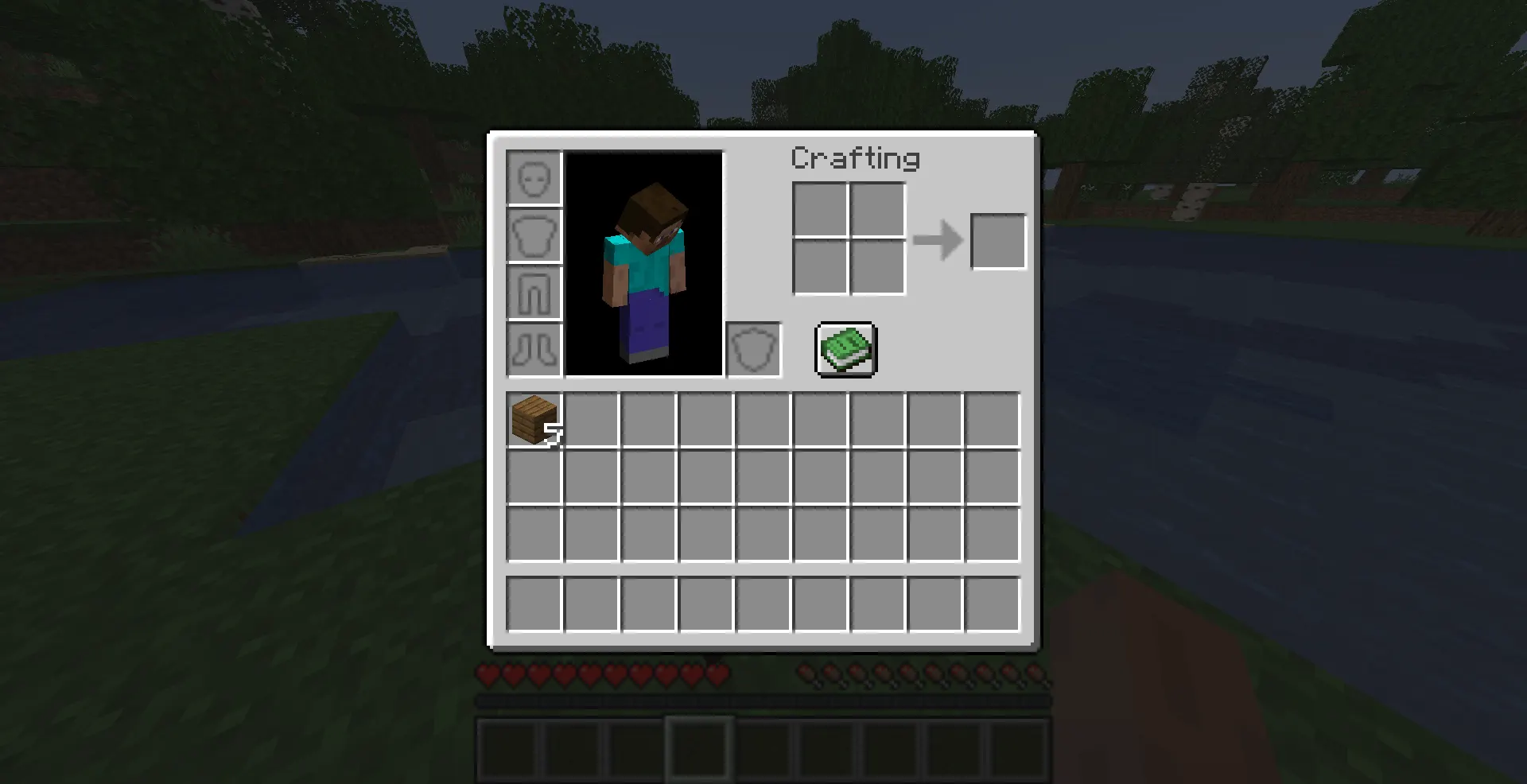
Before you can use Minecraft recipes, you need to understand the two crafting grids in the game.
The 2x2 Crafting Grid
When you open your inventory, you will see a small 2x2 crafting grid.
This basic grid is useful for simple recipes such as:
-
Crafting wooden planks from logs
-
Making sticks
-
Creating a crafting table
It is perfect for quick early-game crafting, but it has limits. Many important items need more space.
The 3x3 Crafting Table Grid
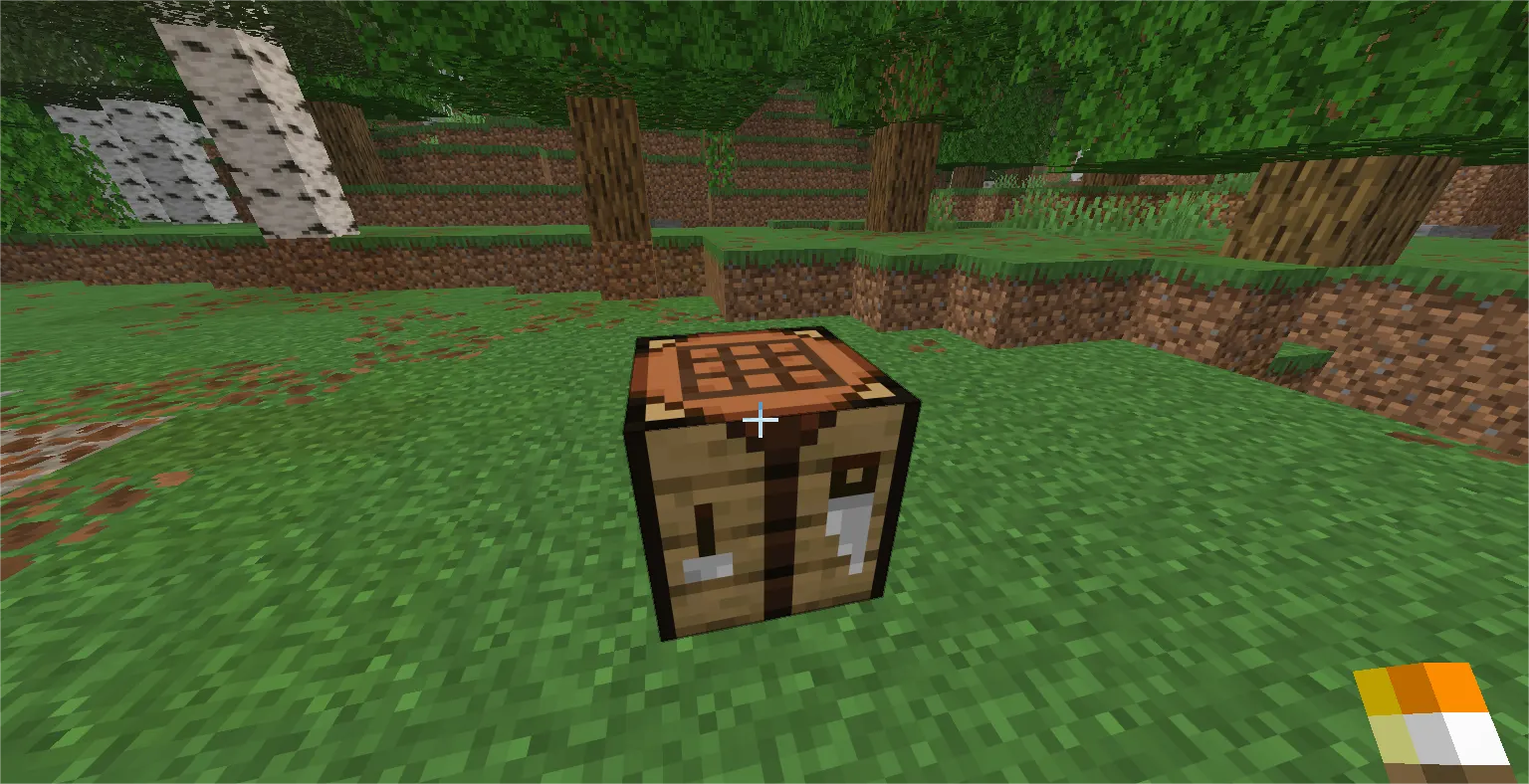
Once you place a crafting table, you unlock a larger 3x3 crafting grid.
This is where real progression starts. A lot of important survival crafting depends on it, including:
-
Pickaxes
-
Axes
-
Swords
-
Shovels
-
Hoes
-
Furnaces
-
Chests
-
Many advanced items later in the game
How to Use a Crafting Table
Using a crafting table is simple:
-
Place the table on the ground
-
Right-click or interact with it
-
Use the 3x3 grid to arrange materials in the correct pattern
-
Drag the crafted item into your inventory
The recipe pattern matters. Even if you have the right materials, putting them in the wrong shape can give you nothing.
A full crafting table guide can go much deeper into placement, recipe use, and time-saving tricks, but for now, just remember this: your crafting table is one of the first and most important blocks you should make in every Survival world.
Pro Tip: Keep a crafting table with you when exploring. It saves time and prevents annoying trips back to your base.
Essential Early Game Crafting Recipes
If you are just starting, there are a few recipes you should learn right away. These are the foundations of a good start in survival.
1. Crafting Table
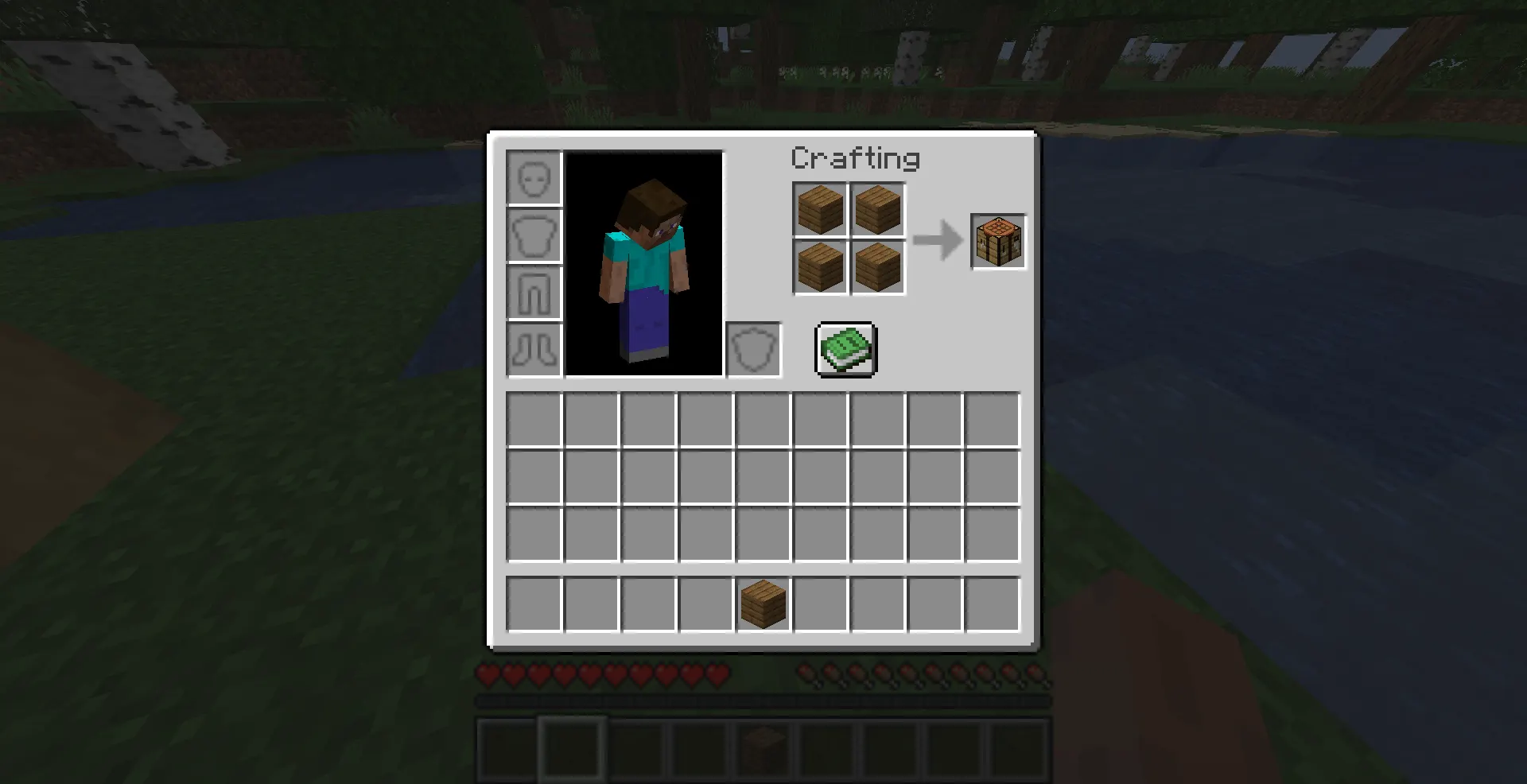
This is usually the first real item you should craft.
How to craft it:
-
Turn logs into wooden planks
-
Place 4 wooden planks in your 2x2 inventory grid
Why it matters:
It unlocks the 3x3 crafting system, which means access to better tools and more recipes.
2. Sticks
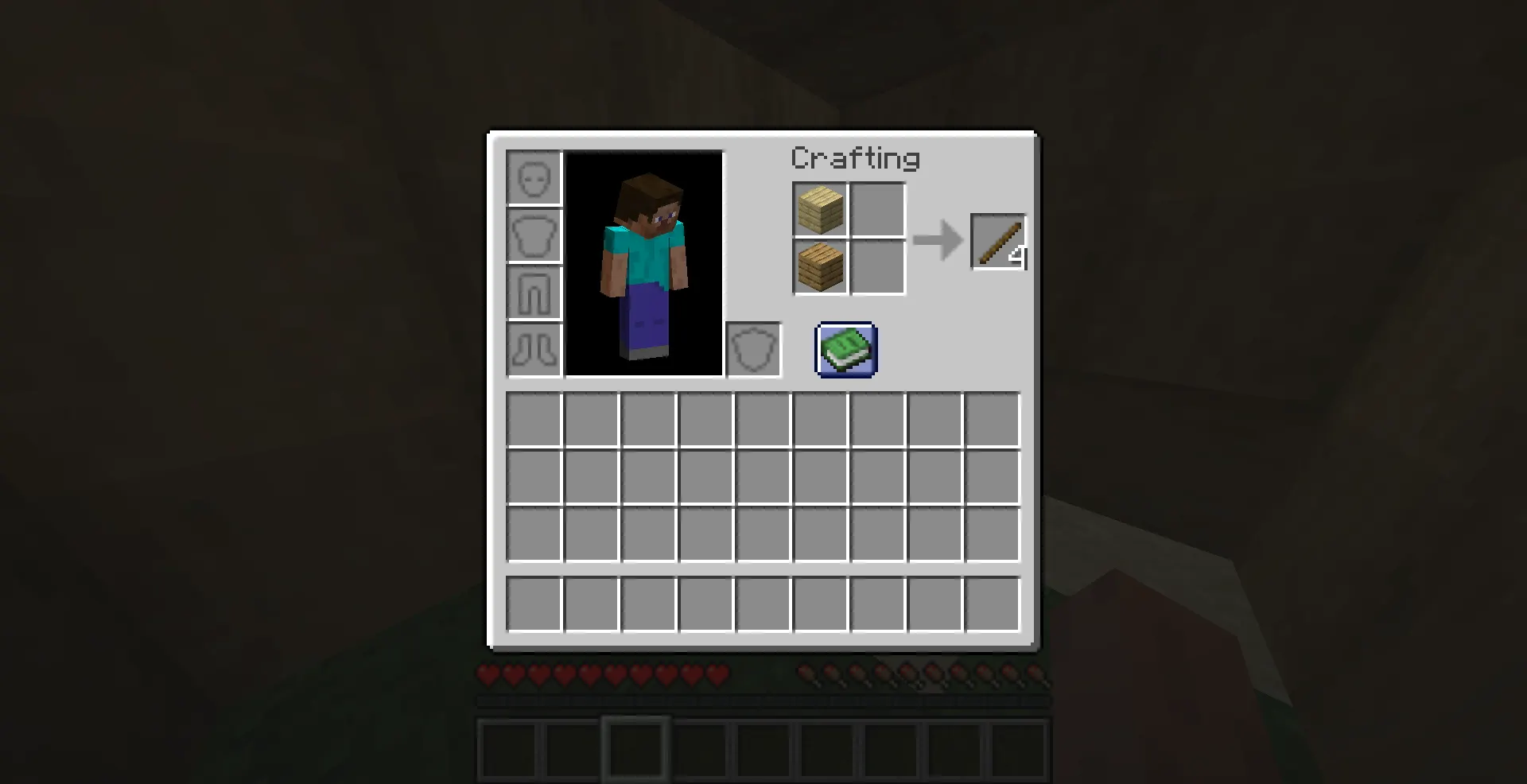
Sticks are one of the most important ingredients in beginner crafting.
How to craft them:
-
Place 2 wooden planks vertically in the crafting grid
Why they matter:
You need sticks for:
-
Pickaxes
-
Axes
-
Swords
-
Shovels
-
Torches
-
Many other tools later
If you are ever unsure what to craft extra of, sticks are a safe choice.
3. Wooden Tools
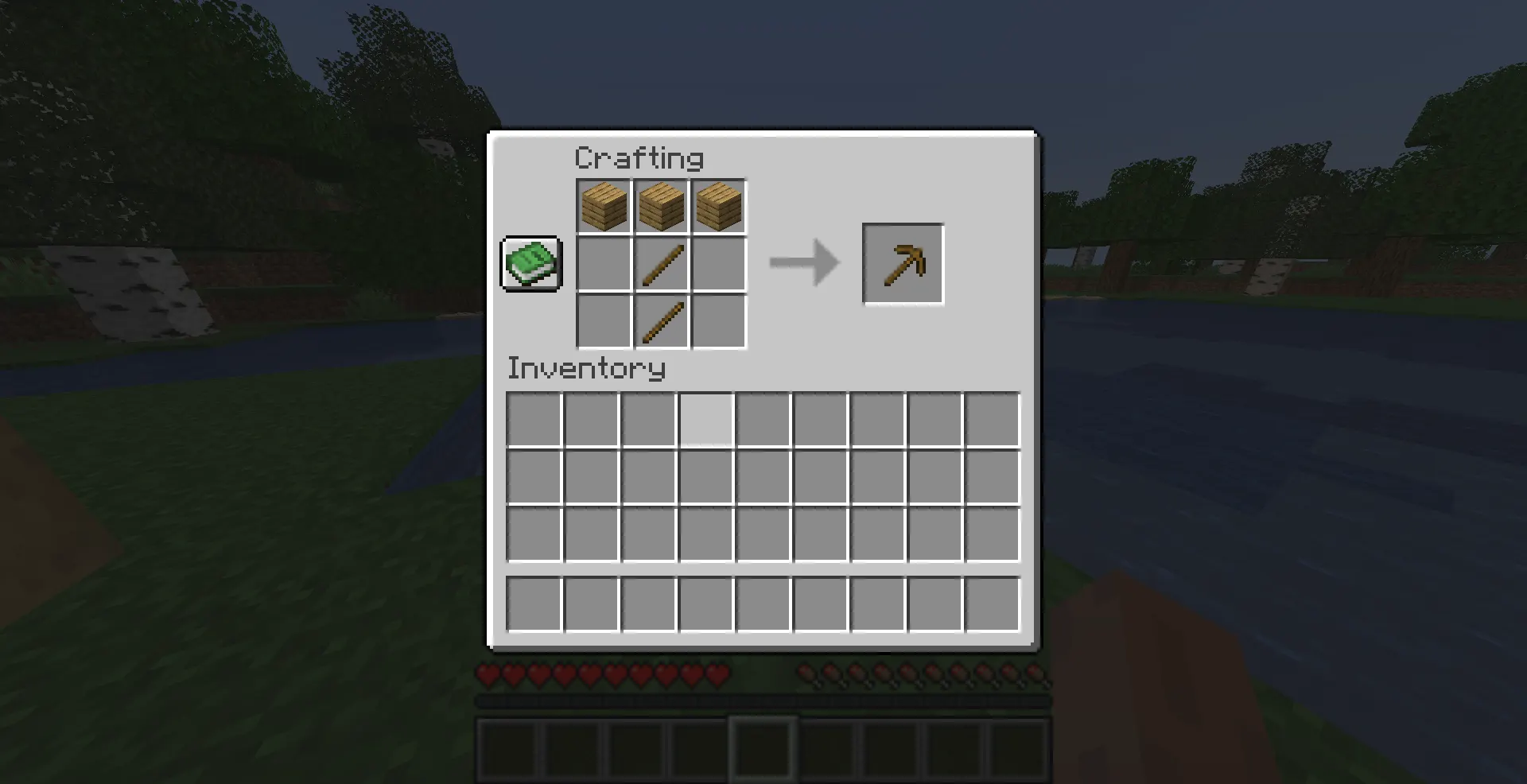
Wooden tools are your first step in tool crafting. They are not strong, but they get the job done early on.
Wooden Pickaxe
Use:
-
3 wooden planks across the top row
-
2 sticks down the center
Why craft it first:
You need a wooden pickaxe to mine stone, which opens the door to better tools.
Wooden Axe
Use:
-
3 wooden planks in an axe shape
-
2 sticks down the handle
Why it helps:
An axe lets you chop trees faster, which means more wood for future crafting.
Wooden Sword
Use:
-
2 wooden planks stacked vertically
-
1 stick below them
Why it helps:
A wooden sword is better than punching mobs with your bare hand, especially at night.
4. Basic Stone Tools
As soon as you mine stone, upgrade your tools.
Stone tools are much better than wooden ones. They last longer and work faster.
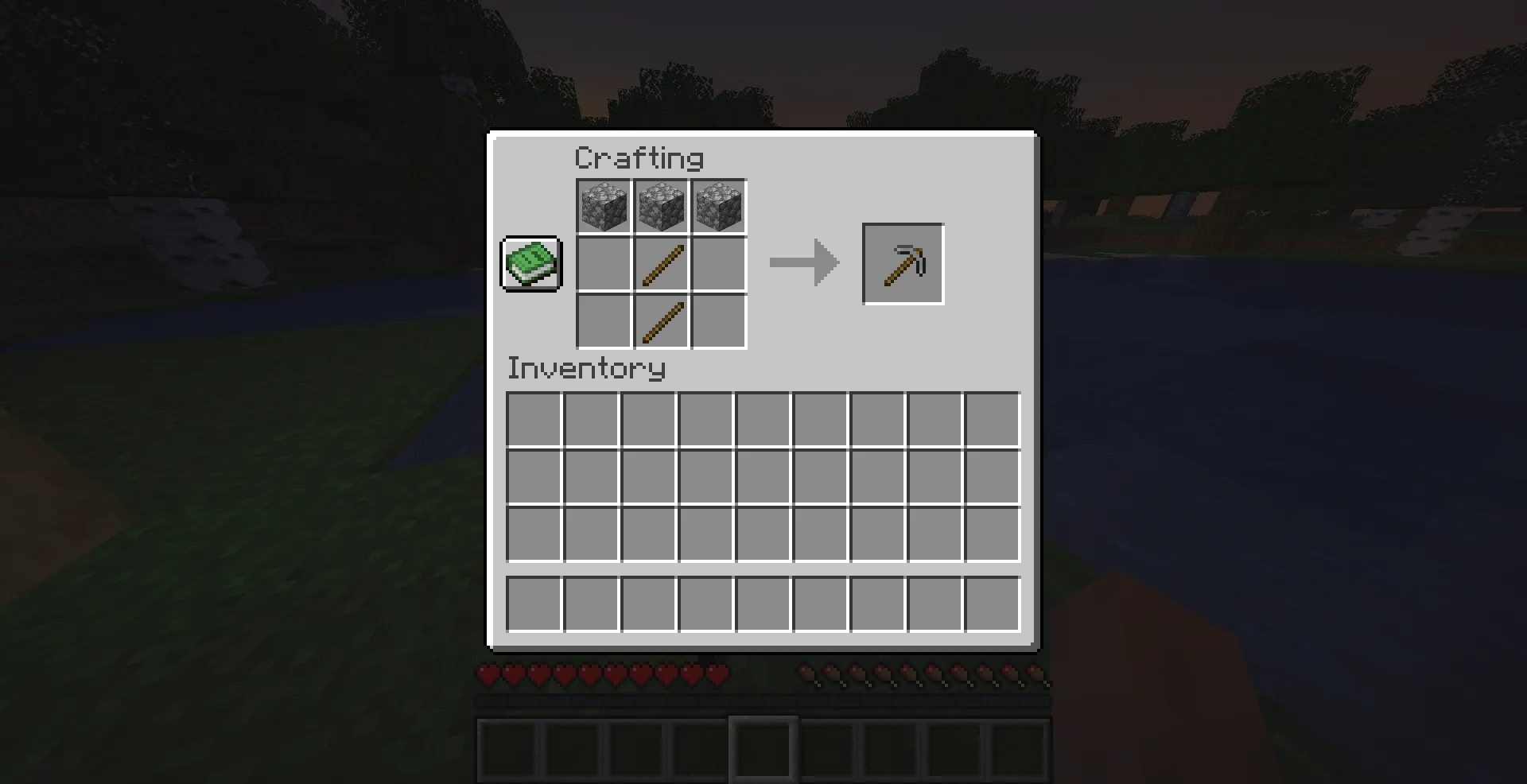
What you should craft first:
-
Stone pickaxe
-
Stone axe
-
Stone sword
The recipe patterns stay the same. You just replace wooden planks with cobblestone.
This is one of the most important beginner upgrades in the entire game.
Pro Tip: Do not stay on wooden tools longer than necessary. Wooden gear is just your entry point, not your long-term setup.
5. Torch
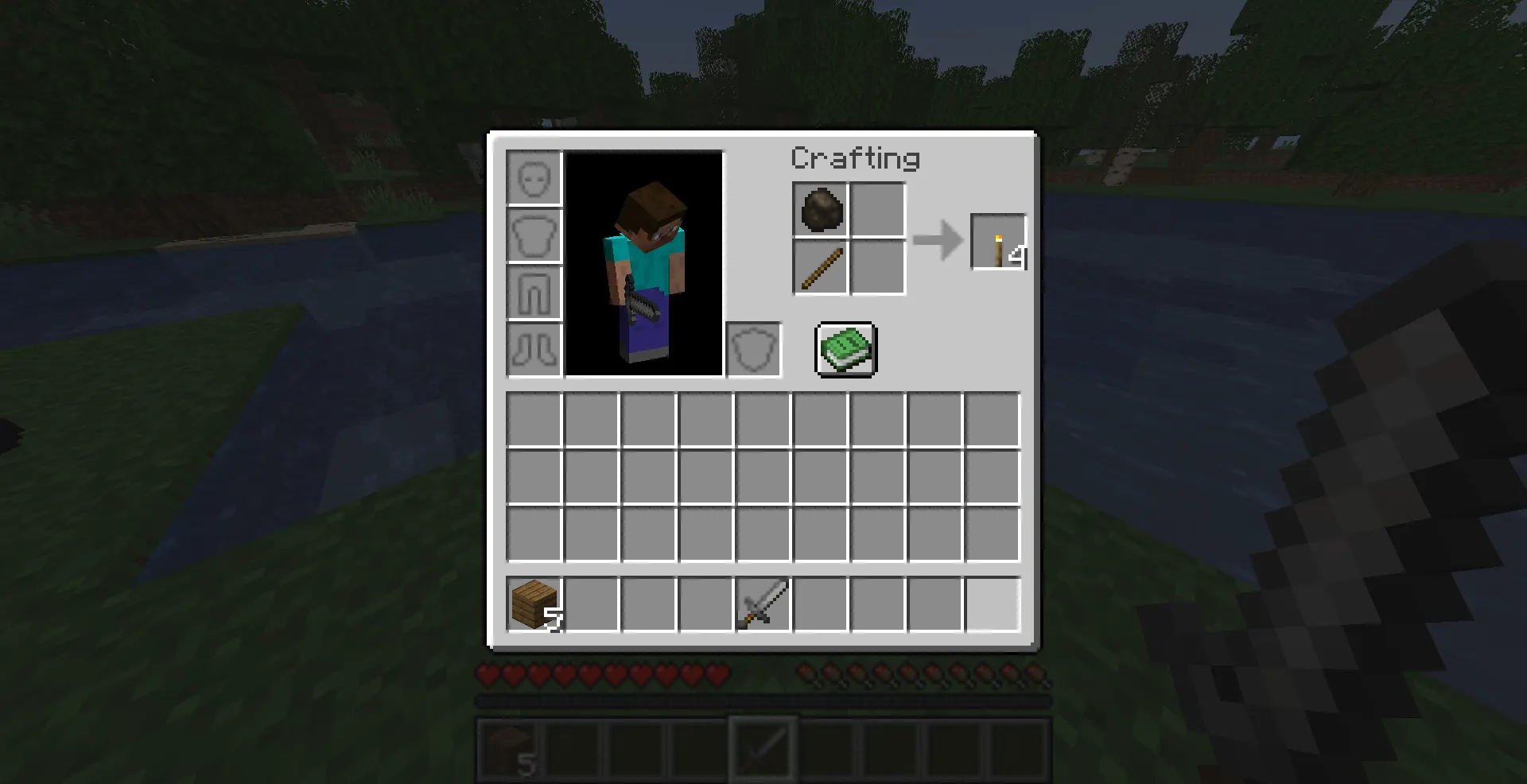
Torches are essential for survival.
How to craft them:
-
Place 1 coal or 1 charcoal above
-
Place 1 stick below
This makes 4 torches.
Why torches matter:
-
They light up your shelter
-
They help prevent mobs from spawning nearby
-
They make caves easier to explore
-
They stop you from getting lost in dark areas
Many beginners ignore torches until nighttime becomes a problem. Craft them early and keep a stack with you.
Important Crafting Materials You Should Know
Some materials show up again and again in survival crafting. If you know what they are and why they matter, your progress becomes much smoother.
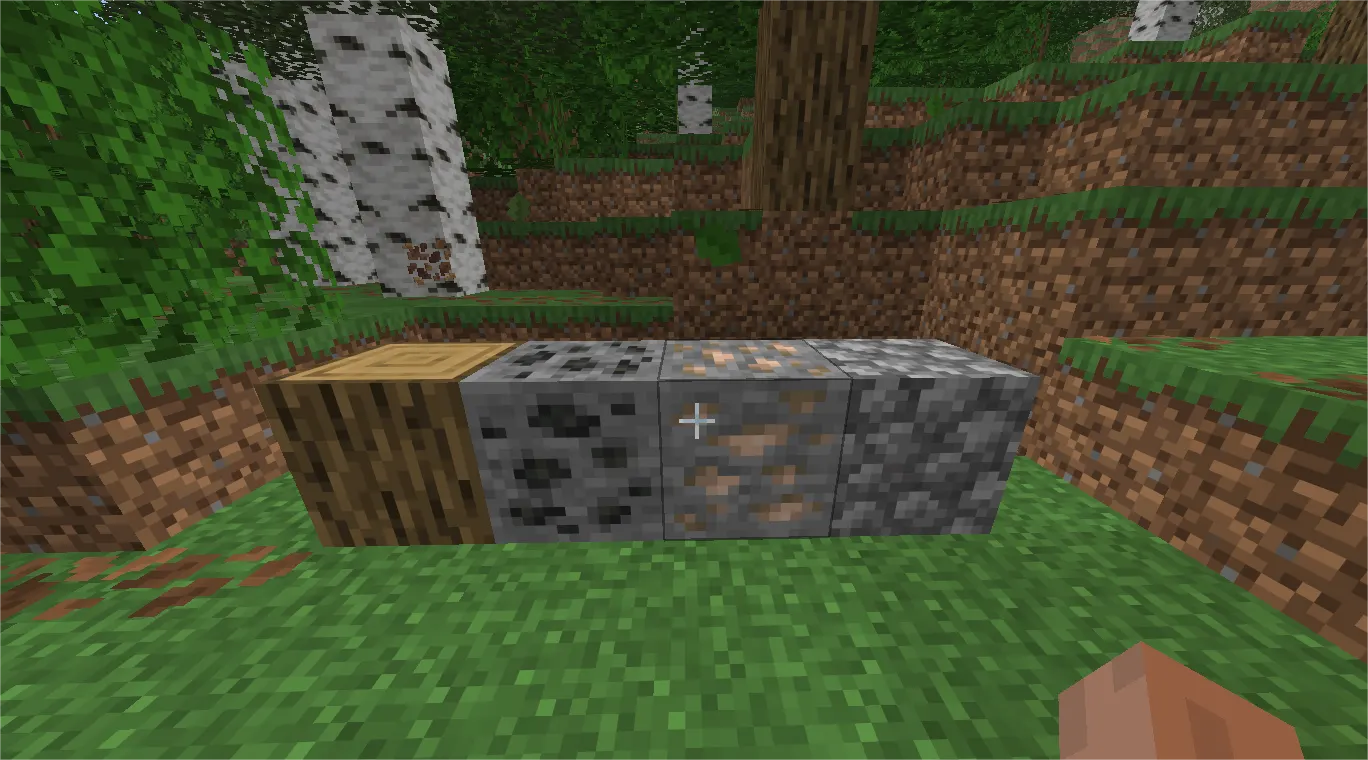
Wood
Wood is your starting material.
You get it by punching or chopping trees. Once you collect logs, you can turn them into planks, sticks, crafting tables, and your first tools.
Why it matters:
-
Needed for early recipes
-
Easy to find
-
Supports almost every first-step crafting chain
Always gather more wood than you think you need.
Stone
Stone becomes available after you craft a wooden pickaxe and mine regular stone blocks.
When mined with the right tool, it drops cobblestone, which is used for stronger Early tools and blocks like the furnace.
Why it matters:
-
Better than wood for tools
-
Very common
-
Useful for early building and survival crafting
Stone is your first major upgrade path.
Iron
Iron is found underground as iron ore. You need a stone pickaxe or better to mine it.
After mining the ore, you must smelt it in a furnace before using it in recipes.
Why it matters:
-
Stronger and more durable tools
-
Needed for buckets, shields, shears, and more
-
Major step before diamond-tier play
Iron is where Minecraft starts feeling more stable. Once you have iron tools, survival gets much easier.
Coal
Coal is usually found in caves, hillsides, and underground stone areas.
It is mainly used for:
-
Torches
-
Furnace fuel
If you cannot find coal early, you can make charcoal by smelting logs in a furnace. That is a lifesaver for beginners.
Warning: Do not waste all your coal on smelting if you have no torches left. Darkness becomes dangerous fast.
Tools Crafting Guide: Understanding Tool Tiers
One of the biggest parts of Minecraft crafting basics is understanding tool progression.
Not all tools are equal. As you gather better materials, you can upgrade to stronger tool tiers.
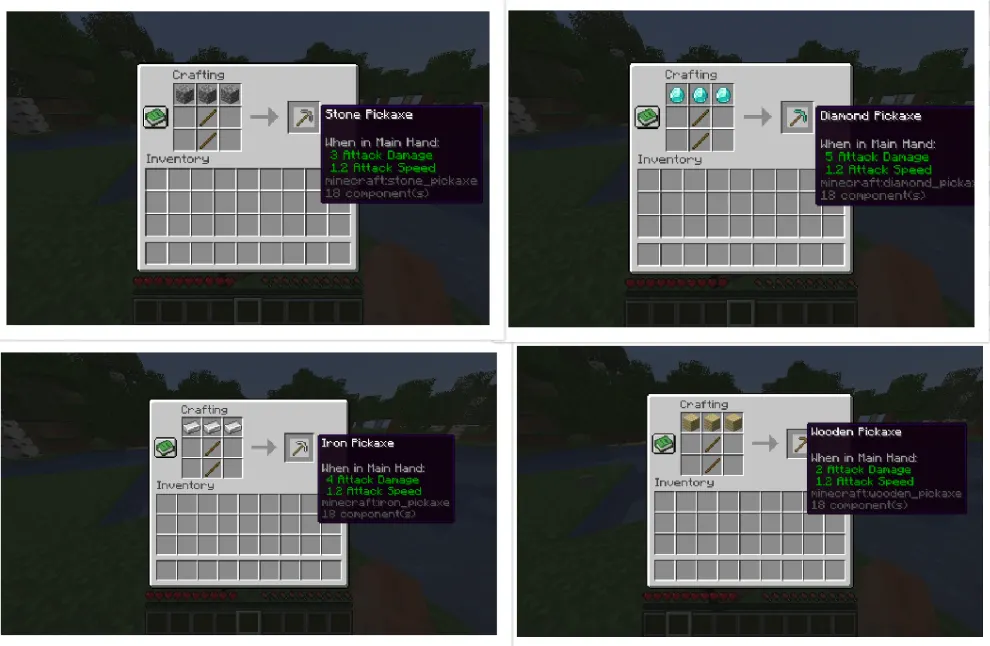
Tool Progression in Minecraft
The early survival order usually looks like this:
-
Wood
-
Stone
-
Iron
-
Diamond
In some versions and later progression, there are even stronger options after that, but beginners should focus on these four first.
Wood Tools
Best for:
-
Starting the game
-
Getting your first stone
Weak points:
-
Break quickly
-
Mine slowly
-
Not worth keeping for long
Stone Tools
Best for:
-
Early survival
-
Faster mining and gathering
-
Better overall value than wood
Weak points:
-
Still temporary
-
Not as durable as iron
Stone tools are the sweet spot for your first day or two.
Iron Tools
Best for:
-
Reliable mining
-
Better combat
-
Longer expeditions
-
Bigger survival progress
Weak points:
-
Cost more resources
-
Need furnace smelting first
Once you have iron tools, you can stop worrying so much about constantly replacing gear.
Diamond Tools
Best for:
-
High durability
-
Fast mining
-
Strong combat performance
Weak points:
-
Harder to find
-
Better saved for important upgrades
Diamond is the dream material for many beginners, but do not rush it too early. Focus on learning the basics first.
When Should You Upgrade?
A simple beginner rule:
-
Start with wood
-
Switch to stone almost immediately
-
Upgrade to iron as soon as you can do it comfortably
-
Save diamonds for long-term tools and equipment
A detailed tool guide can help you compare durability, mining speed, and the best use of each tier, but this overview is enough to build smart habits early.
Crafting Tips for Beginners
This is where many new players improve the fastest.
Good crafting is not just about knowing recipes. It is also about making smart choices with your resources and inventory.
Manage Your Inventory Early
Your inventory fills up fast.
If you carry too much junk, you will constantly run out of space for important items. Keep useful materials and avoid hoarding every block you see on day one.
Try to keep room for:
-
Wood
-
Cobblestone
-
Coal
-
Food
-
Torches
-
Basic tools
A messy inventory leads to slow crafting and silly mistakes.
Always Carry the Essentials
A simple Beginner survival setup usually includes:
-
Crafting table
-
Pickaxe
-
Sword
-
Torches
-
Food
-
Wood or planks
-
Sticks
This saves you from getting stuck far from base without the materials to craft something important.
Do Not Waste Rare Resources
This is a classic beginner mistake.
Iron and diamond should not be thrown into random crafts just because you finally found some. Think before you craft.
For example:
-
Iron is often better spent on a pickaxe first than on something less useful
-
Diamonds should usually go toward high-value tools, not panic-crafted items
Craft Smart, Not Fast
New players sometimes craft whatever looks helpful in the moment. That usually leads to wasted materials.
Instead, think in order:
-
What do I need right now?
-
What will help me gather more resources?
-
What can wait?
That mindset makes survival much easier.
Pro Tip: Your pickaxe is often the most important tool in the game because it helps you unlock better materials.
GAMQO Beginner Tip:
If you ever feel stuck, go back to the basics: wood, sticks, crafting table, pickaxe, torches. That simple loop solves a surprising number of beginner problems.
Common Crafting Mistakes to Avoid
Every beginner makes mistakes, but knowing the common ones can save you a lot of frustration.
1. Forgetting the Crafting Table
Some players stay in the 2x2 inventory grid too long and wonder why they cannot craft better gear.
Fix:
Craft a table early and place it somewhere safe.
2. Wasting Wood on Too Many Wooden Tools
Wooden tools are useful for a very short time.
Fix:
Craft only what you need to get stone, then upgrade.
3. Using the Wrong Recipe Shape
Minecraft recipes often depend on exact placement. Having the right ingredients is not enough.
Fix:
Double-check the pattern, especially for tools.
4. Not Crafting Torches Soon Enough
Darkness causes problems quickly.
Fix:
Get coal or charcoal early and craft torches before night becomes dangerous.
5. Staying With Weak Tools Too Long
Using old wooden or worn-out stone tools slows everything down.
Fix:
Upgrade when you have the materials. Faster tools mean faster progress.
6. Crafting Without a Plan
Throwing resources into random items usually creates more problems than it solves.
Fix:
Focus on Survival essentials first, then utility items later.
Advanced Crafting: What Comes Next?
Once you understand the basics, Minecraft opens up a lot.
This beginner guide focuses on core survival crafting, but there are several systems you will want to learn next.
Furnace and Smelting
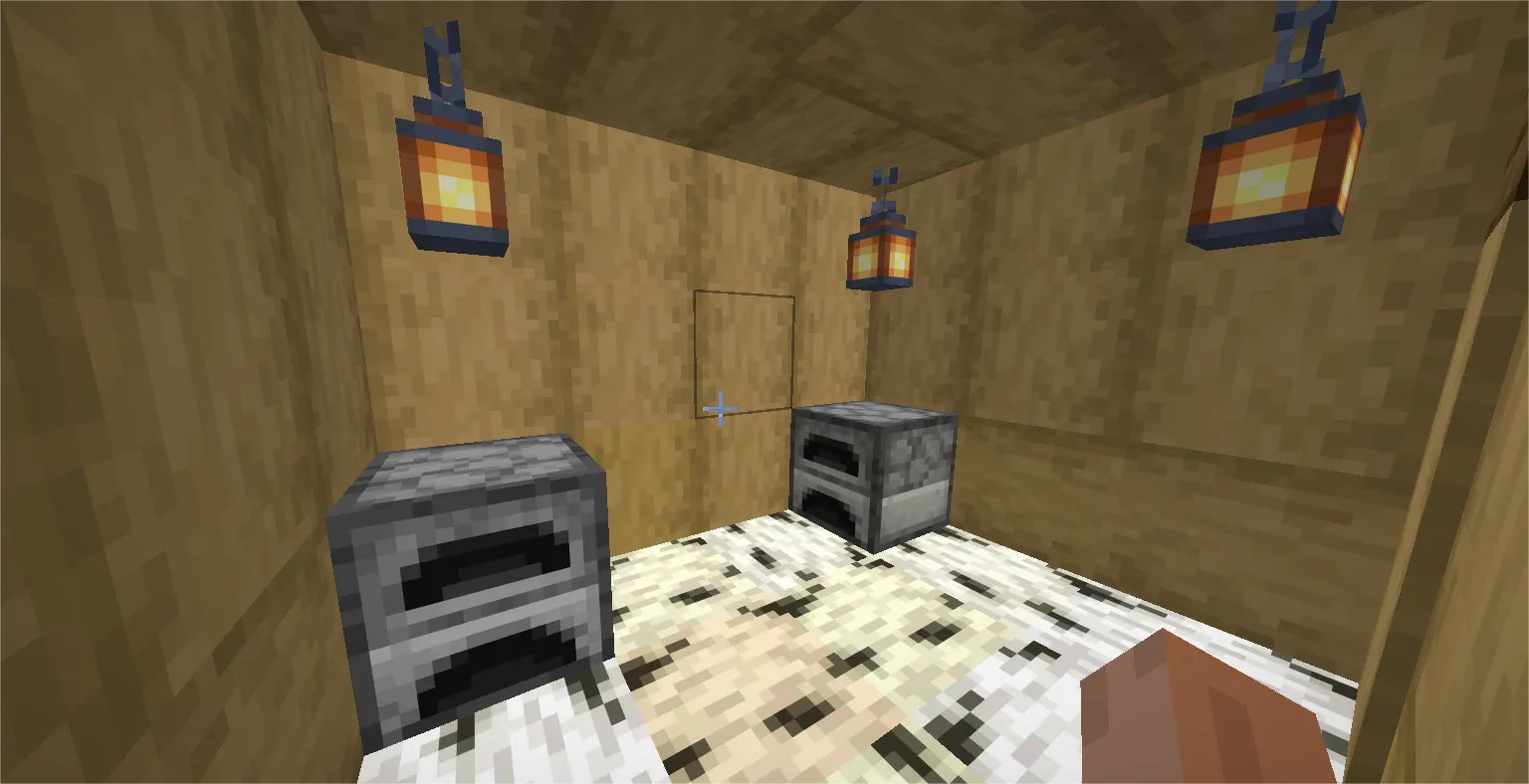
A furnace lets you turn raw ore into usable materials and cook food more efficiently.
This becomes important when you start working with:
-
Iron
-
Gold
-
Charcoal
-
Food supplies
A dedicated furnace guide can explain fuel choices, smelting order, and early efficiency tips.
Enchanting
Enchanting improves your tools, weapons, and armor with special bonuses.
Examples include:
-
Faster mining
-
Better durability
-
Extra damage
-
More useful drops
This is not something beginners need right away, but it becomes a huge part of long-term gear progression.
Tool Durability
Every tool has a lifespan.
Understanding durability helps you decide:
-
When to replace a tool
-
When a repair is worth it
-
Why are some materials better in the long term
This is especially helpful once you start using iron and diamond gear regularly.
Advanced Recipes
As you improve, crafting goes beyond survival basics.
You will eventually learn to make:
-
Shields
-
Buckets
-
Chests
-
Armor
-
Redstone items
-
Utility blocks
-
Specialized tools and stations
That is where more advanced crafting guides become helpful. This article is your foundation, and the next step is learning each crafting system in more detail.
Conclusion
Learning Minecraft crafting basics is one of the most important steps for any new player.
Once you understand how the crafting grid works, which materials matter most, and what to make first, the game becomes much less confusing. You stop guessing and start progressing.
Do not worry if you forget recipes or make a few bad choices at first. Every Minecraft player started there. The good news is that crafting gets easier very quickly once you practice it in a real survival world.
Start simple:
collect wood, make a crafting table, craft basic tools, grab stone, and build from there.
That one small crafting chain is the beginning of almost everything in Minecraft.