Quick Answer
Yes. Plains is one of the strongest all-around Biomes for survival, and it's not close. The reasons come down to terrain, Food, and villages, three things that decide how rough your first week is going to be.
That said, it's not a free pass. Plains has two real weaknesses that most guides skip over: wood is genuinely scarce, and pillager outposts can spawn right in your backyard. Here's the actual breakdown, not just the highlight reel.
Why Plains Works So Well
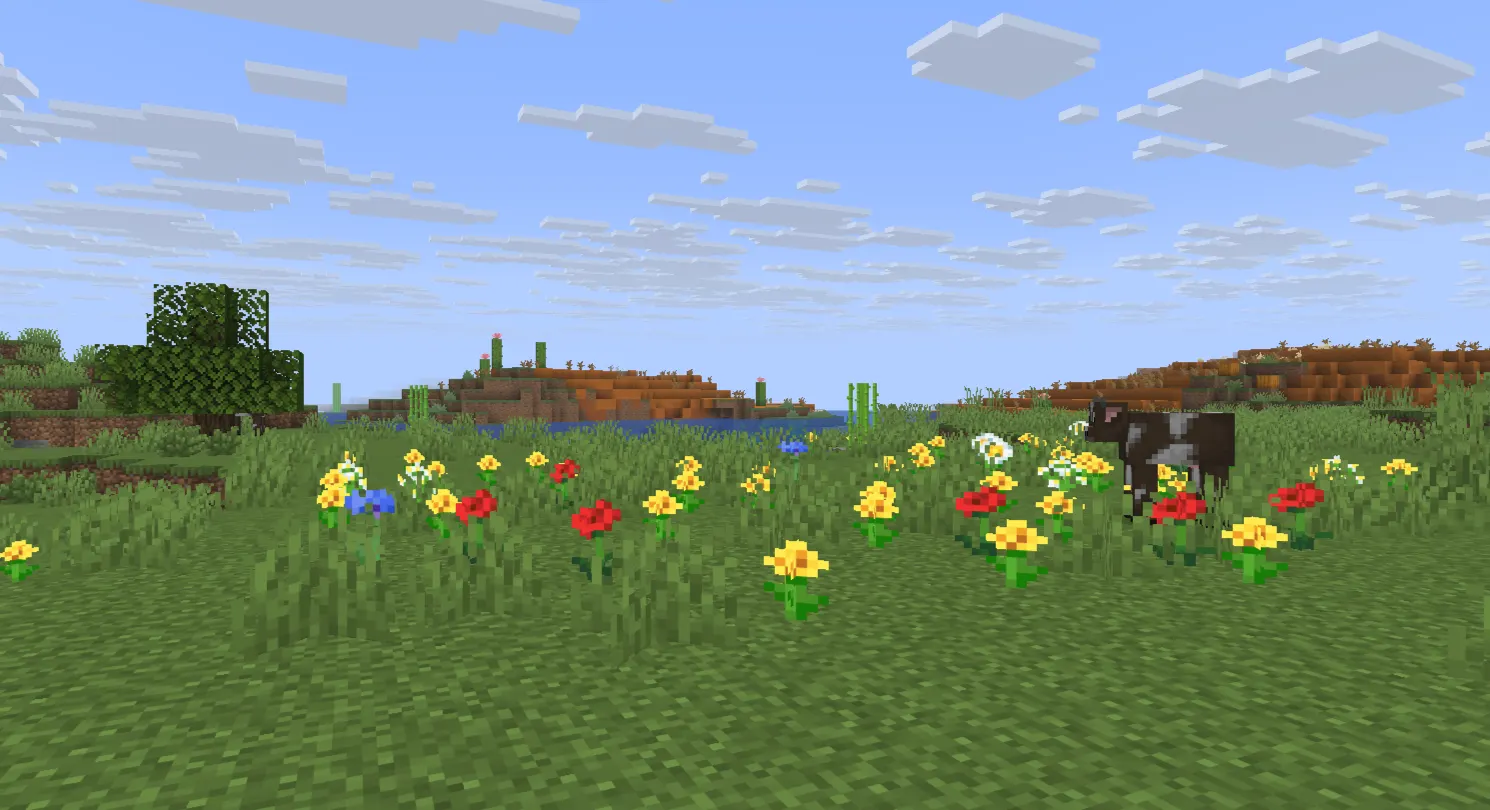
Flat ground removes most of the friction that kills new players. No fall damage from misjudged cliffs, no getting boxed in by terrain at night, no wasted time pathing around obstacles. You can see a Creeper coming from thirty blocks out instead of finding out about it when it's already next to you.
Food is the bigger deal, though. Cows, pigs, sheep, and chickens all spawn as common farm animals in Plains, and there's enough open grass to get a Wheat farm running fast. Most early survival deaths come from starving at night with no safe way to hunt, and Plains mostly solves that on day one.
The Village Situation, Explained Properly
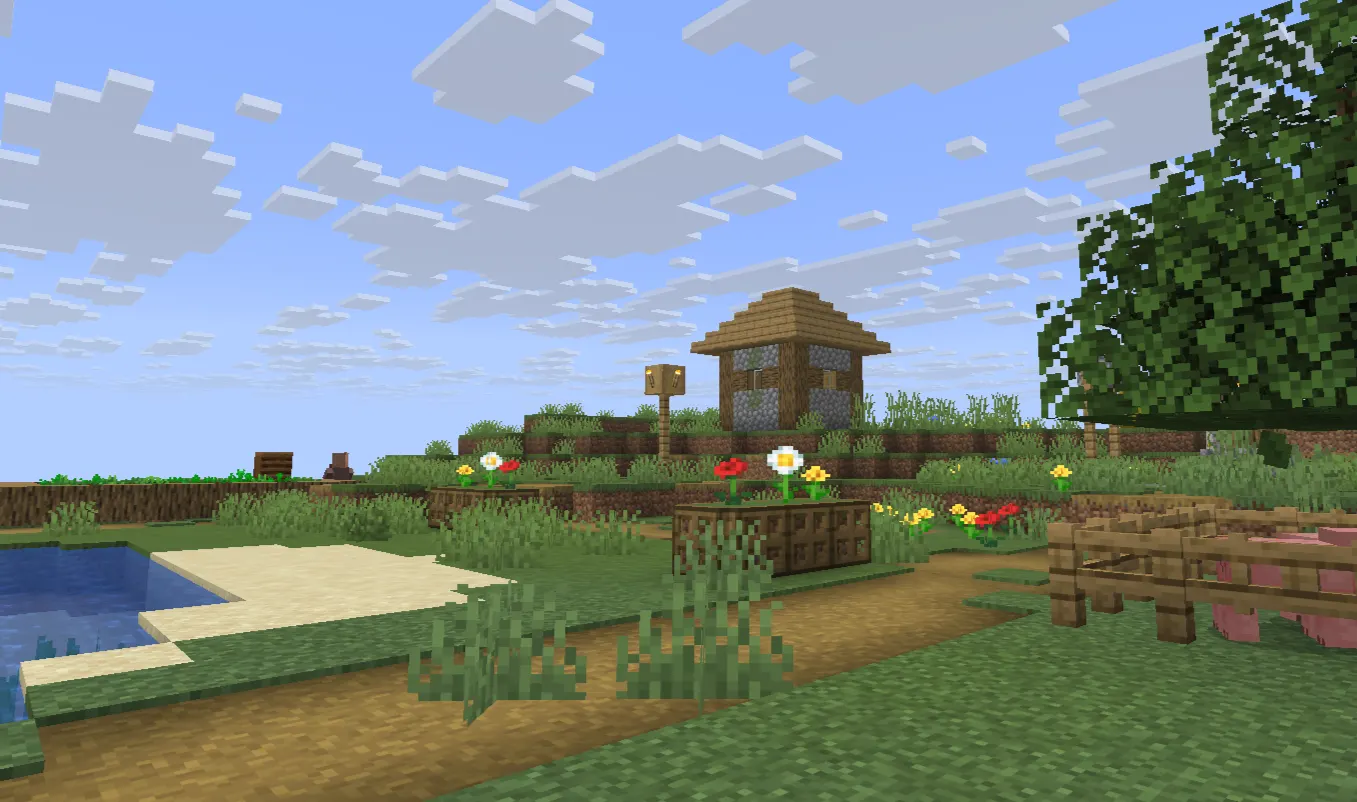
Villages generate in plains, savanna, taiga, meadows, snowy plains, and desert biomes, not Plains exclusively. What actually happens is that Plains is the default village style: if a village's meeting point doesn't land in one of the other listed biomes, it defaults to plains architecture. Combine that with Plains being one of the most common biomes in the game, and you end up running into plains-style villages constantly, even when you're technically standing in a different biome nearby.
That still matters a lot for survival. A village means a bed, crops, trading, and eventually Iron golems defending the area. Finding one early is one of the biggest advantages in the game, Plains or not, and Plains just makes it more likely you'll stumble into one without trying.
What the Original Advice Gets Wrong: Wood Is Actually Scarce
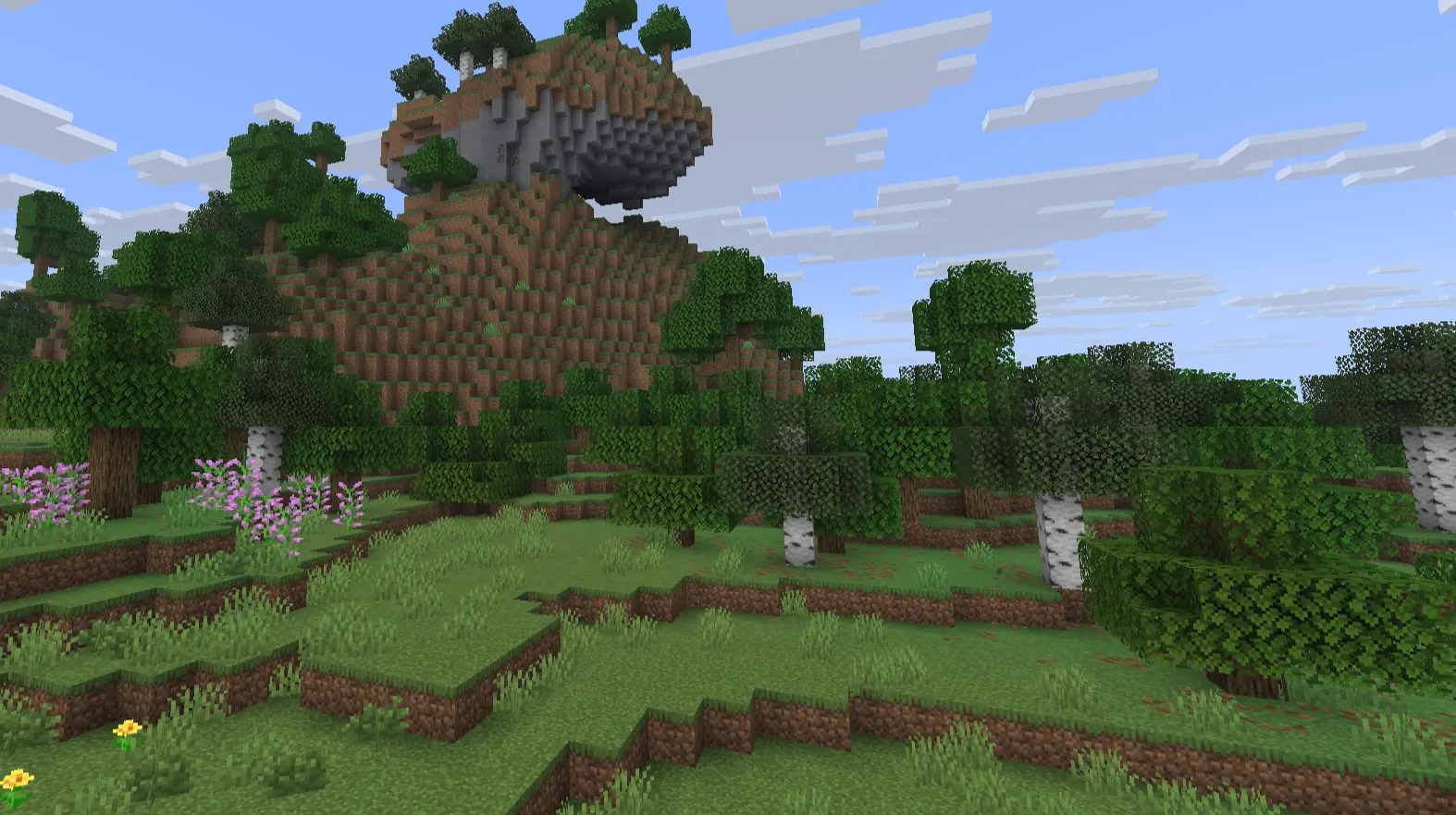
This is the part most "Plains is the best biome" articles leave out. Oak trees generate sparsely across Plains. It's genuinely one of the few biomes where you can run low on wood in the first ten minutes if you don't plan around it.
Two ways around it:
-
Raid a nearby village for oak planks and logs if you find one early.
-
Check the biome border. Plains almost always sits next to forest, so a short walk usually solves the wood problem entirely.
Don't build your base in the dead center of a wide-open Plains without checking what's nearby first.
Pillager Outposts Are a Real Risk Here
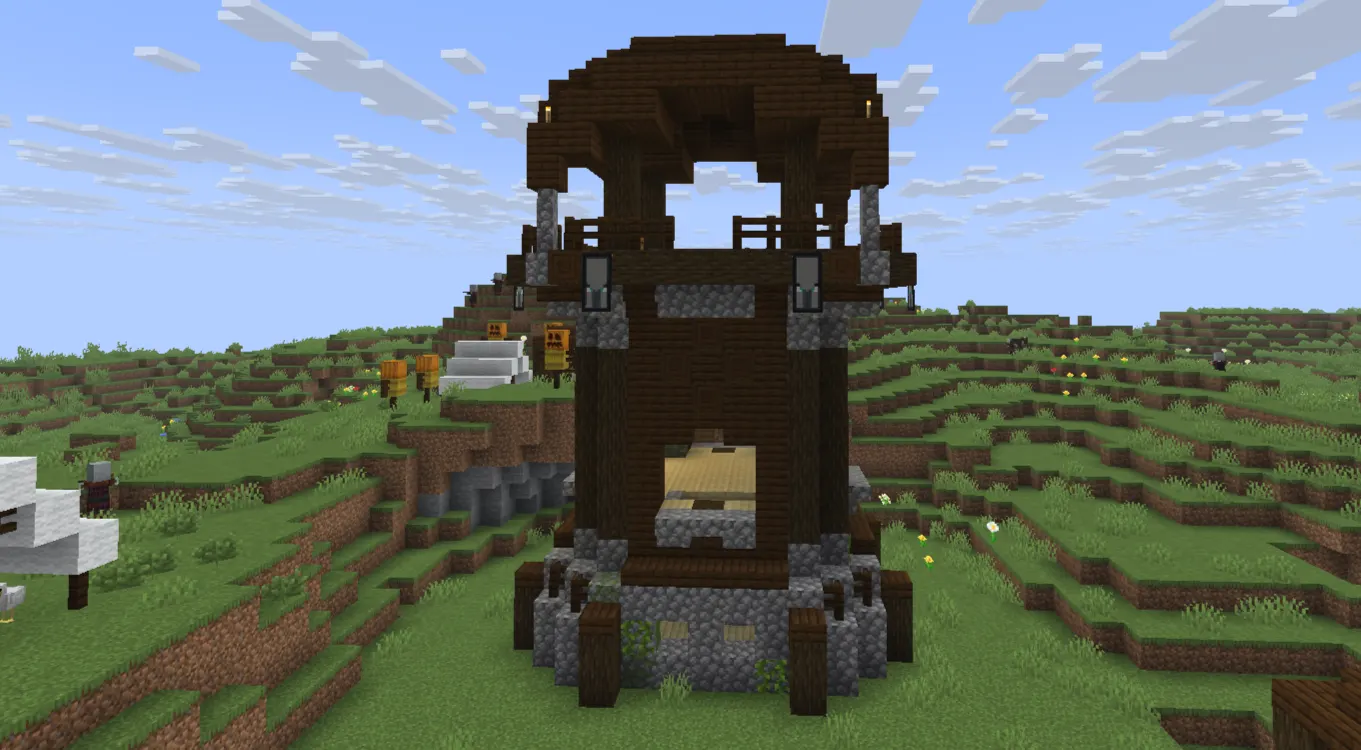
Pillager Outposts generate in Plains alongside villages, and that's worth knowing before you settle. An outpost nearby means pillager patrols wandering the area, and if you pick up the Bad Omen effect from killing an outpost captain, walking into a village afterward triggers a raid.
It's not a dealbreaker. It's manageable once you know it's there. But "Plains is calm and safe" isn't the full picture, and new players get blindsided by their first raid more often than you'd expect.
Plains vs Other Common Biomes
|
Biome |
Visibility |
Food |
Wood |
Villages |
Hostile Risk |
|
Plains |
Excellent |
Easy |
Scarce |
Common (default style) |
Standard, plus outposts |
|
Forest |
Moderate |
Moderate |
Abundant |
Rare |
Standard |
|
Savanna |
Good |
Moderate |
Acacia only |
Common |
Standard |
|
Desert |
Excellent |
Poor |
None |
Common |
Husks, lower zombie count |
|
Swamp |
Poor |
Moderate |
Moderate |
None |
Witches, higher risk |
Plains doesn't win every category. It wins on the categories that matter most for not dying in the first week: visibility, food, and villages.
Who Should Actually Settle in Plains
-
New players still learning combat and food management
-
Anyone planning a long-term base that'll eventually include farms, trading halls, or redstone builds
-
Players who want their builds to stand out against a neutral backdrop instead of fighting the terrain
If you want dramatic scenery, Plains won't give it to you. Cherry Grove, badlands, and mountains all beat it visually. Nothing stops you from keeping your main base in Plains and building a second, purely decorative base somewhere prettier once you're established.