Most beginners don't lose their First night because of Creepers or Skeletons. They lose it because they were still swinging a wooden sword and mining with a wooden pickaxe when they should have upgraded twenty minutes earlier. The jump from wooden to stone tools is the single most important transition in your first Minecraft session, and a lot of players either rush it without understanding it or delay it without realising the cost.
This guide focuses entirely on that transition: what changes, what it means for your survival, and how to time it right.
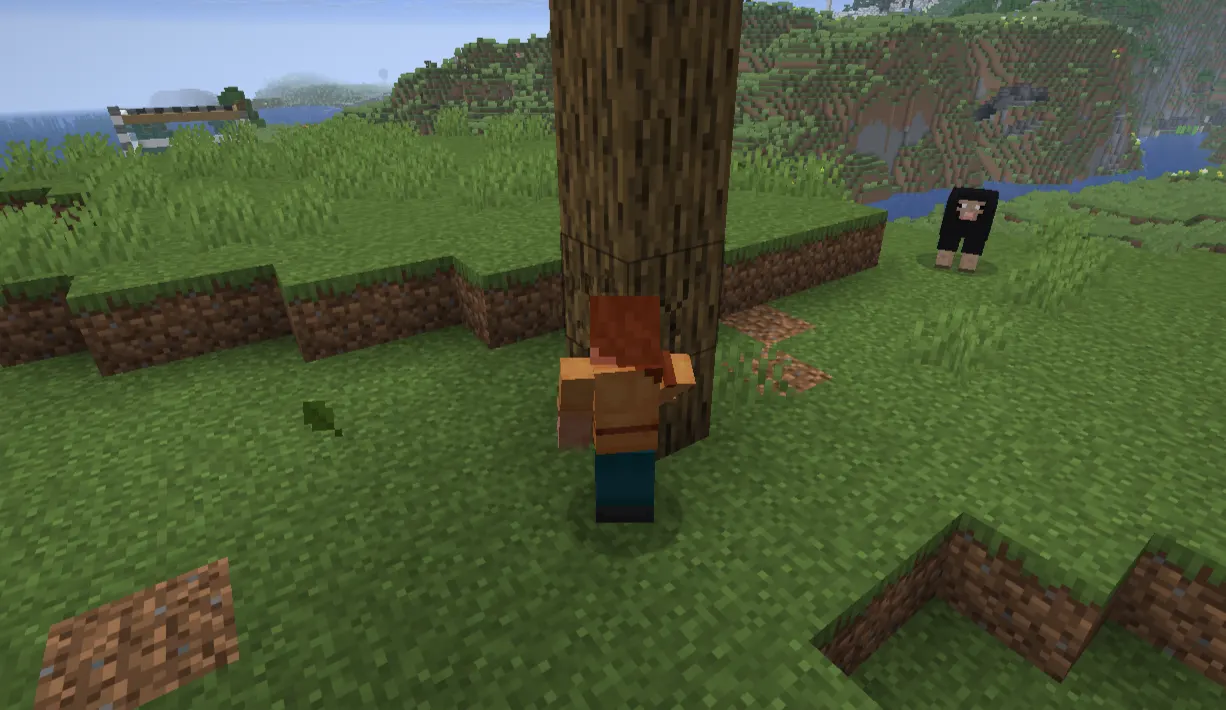
What Are Wooden Tools?
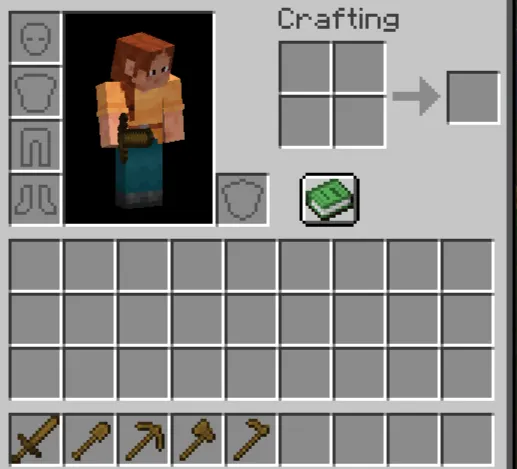
If you need a full breakdown of each Wooden tool and what it does, check out our dedicated guide to wooden tools. The short version: wooden tools are crafted from planks and sticks, are available within your first two minutes, and cover all five tool types: pickaxe, axe, shovel, hoe, and sword.
Their role in your survival run is a stepping stone, not a long-term solution. The wooden pickaxe is the only one with real strategic value because it unlocks stone tools. The rest of the wooden set is optional at best.
What Are Stone Tools?
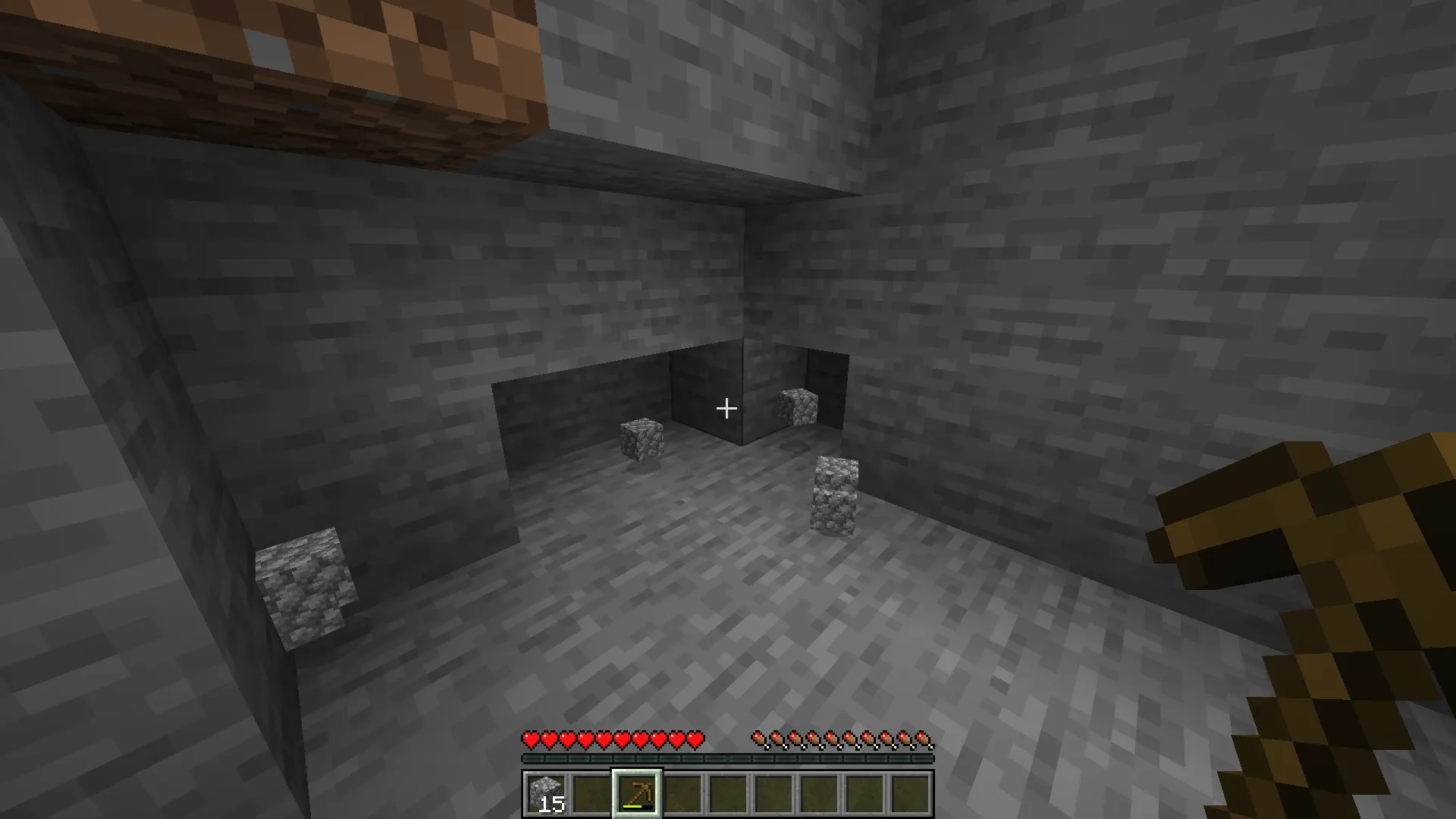
Stone tools are the second tier in Minecraft's tool progression, and getting them is your first real goal after spawning. They require cobblestone, which you get by mining regular stone with a wooden pickaxe. The stone itself looks smooth and grey. When you break it with a pickaxe, it drops as cobblestone, the rougher-looking version. That cobblestone is what goes into crafting stone tools.
The progression is straightforward: punch trees, craft a wooden pickaxe, find stone, mine at least 3 cobblestone per tool you want to make, then craft your stone set at a crafting table.
Stone tools come in the same five types as wooden tools, but each one performs noticeably better.
Stone Pickaxe - This is the one you need most. It mines stone-type blocks faster than the wooden version, which means faster cobblestone, faster coal, and faster iron ore. You will use this constantly. It also opens up iron ore for collection, which is your next progression step after stone.
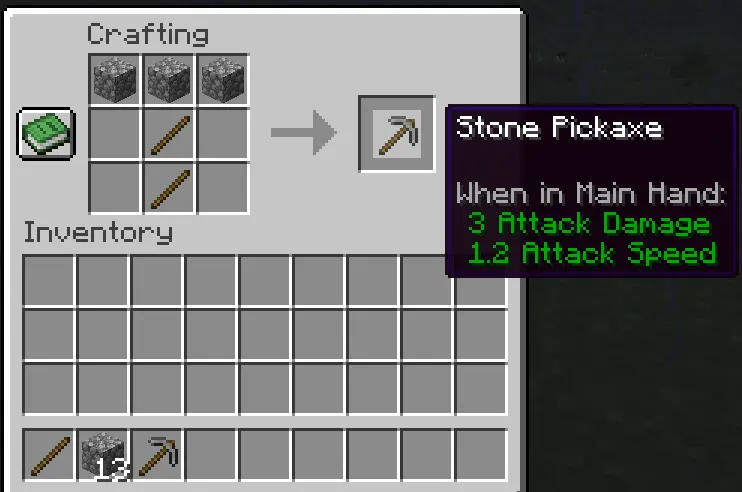
Stone Axe - Cuts wood faster than the wooden axe. If you are building a house or stocking up on logs, the difference in speed is immediately obvious. It also deals decent damage in a fight if your sword breaks mid-combat.
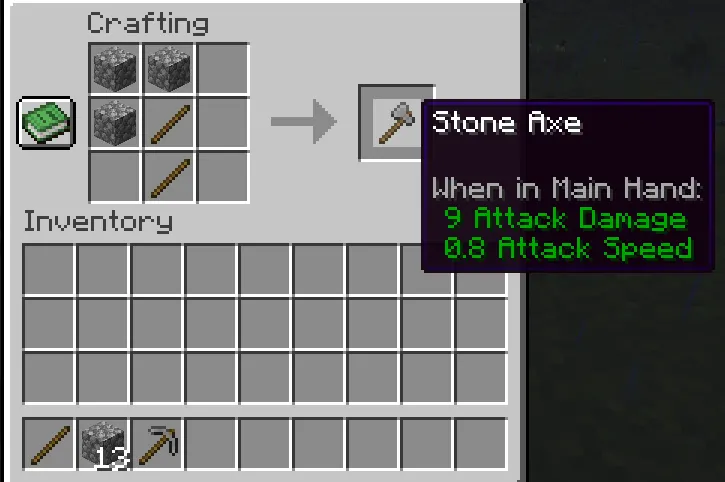
Stone Shovel - Clears dirt, gravel, and sand quickly. Useful when digging out a base underground or flattening land for a build. Not exciting, but you will appreciate it when you need it.
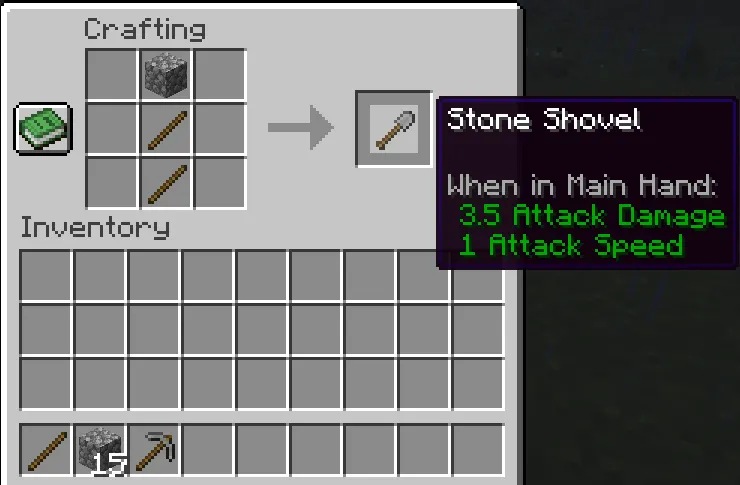
Stone Hoe - Used to till soil for farming. Same function as the wooden hoe, just slightly faster and lasts longer. If you are setting up a wheat or carrot farm early on, a stone hoe gets the job done without snapping after a few uses.
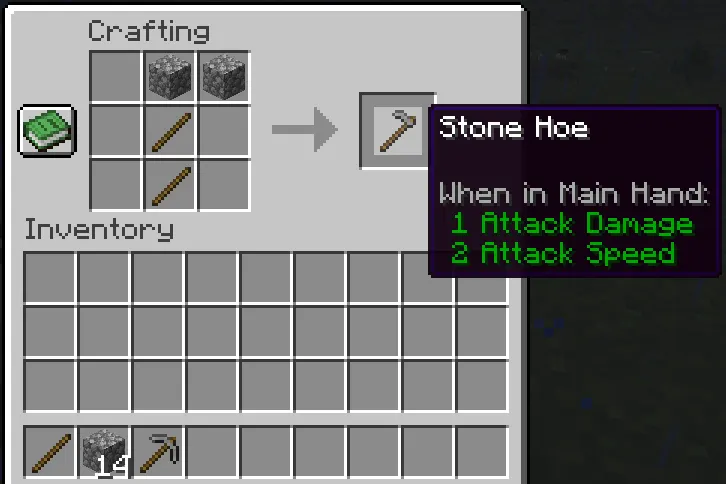
Stone Sword - This is your main weapon through the early game. It deals 5 damage per hit compared to the wooden sword's 4. Against Zombies and Skeletons, that extra half-heart per swing means fewer hits to kill them, which directly reduces the damage you take back. At night, when multiple mobs come at you, that difference matters more than it sounds on paper.
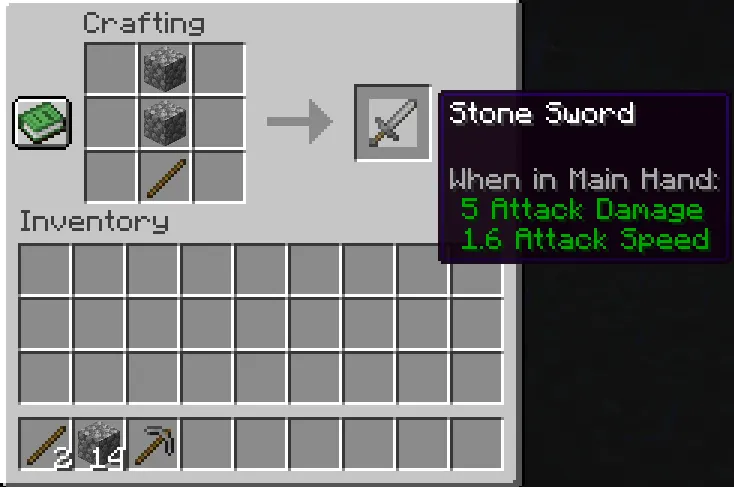
How Much Cobblestone Do You Actually Need?
To craft a full stone tool set (pickaxe, axe, shovel, hoe, sword), you need 20 cobblestone in total, plus 10 sticks. Sticks come from planks, which you already have from your first trees. So realistically, after punching down 4 to 5 trees and mining about 20 stone blocks, you have everything to upgrade your entire toolkit in one go.
Wooden vs Stone Tools Minecraft: A Real Comparison
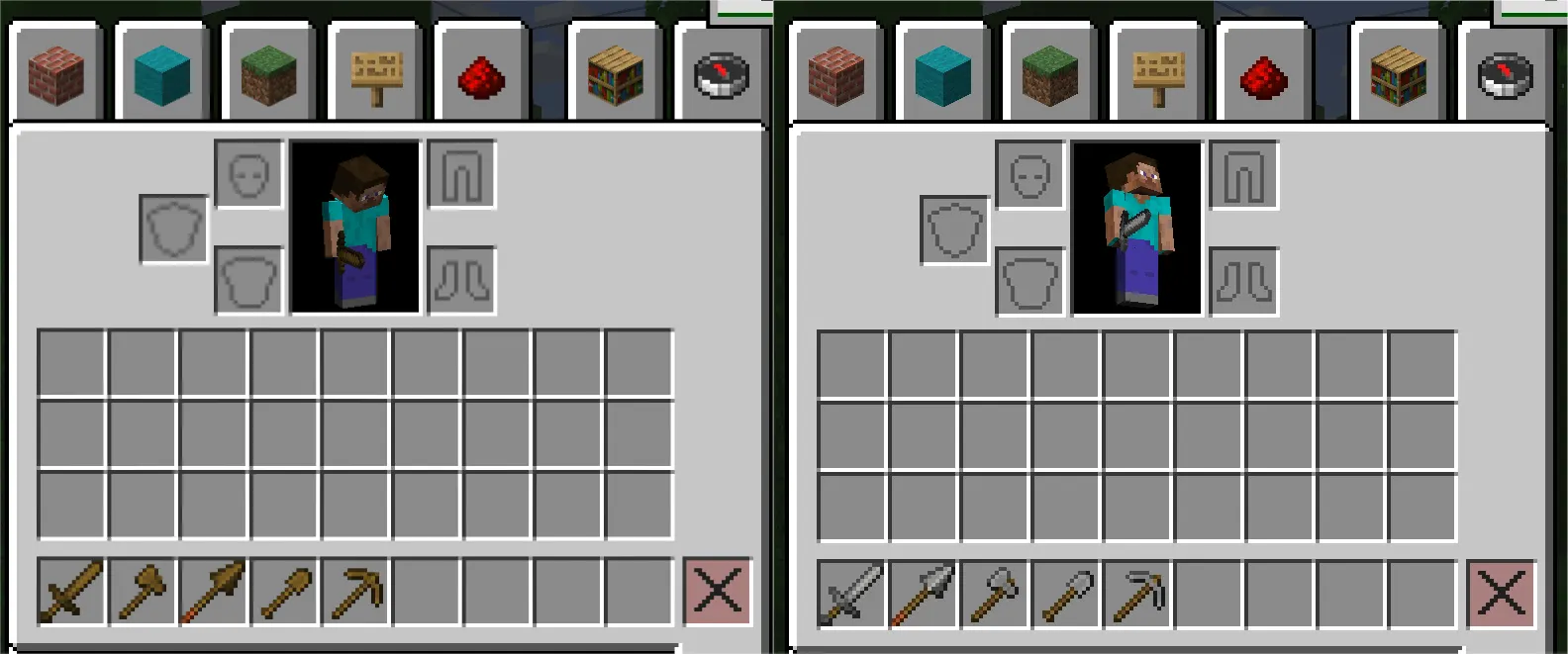
Durability
Wooden tools break after 59 uses. Stone tools give you 131 uses, more than double. That gap matters most during your first underground mining run. A wooden pickaxe will crack and snap mid-session, sometimes right before you reach the iron you were digging toward. Stone tools hold up through a full early-game mining trip without you having to constantly babysit the durability bar.
Mining Speed
The speed difference between wood and stone on stone-type blocks is significant enough that you feel it immediately. Wooden tools on stone have a noticeable delay before the block breaks. Stone tools on stone blocks feel responsive. When you are strip mining or clearing out a cave, that speed difference compounds. What takes 10 minutes with wooden tools takes noticeably less with stone, and that time is your survival buffer before night hits.
Damage
Wooden sword: 4 damage (2 hearts). Stone sword: 5 damage (2.5 hearts). One extra half-heart per hit doesn't sound like much until you are fighting a zombie at low health and realise you need one fewer swing to finish it. That one swing is the difference between walking away and taking a hit that kills you. The stone sword also one-shots baby zombies more reliably, which matters more than players expect on their First night.
Efficiency in Early Survival
Wooden tools are expensive relative to what they return. You spend planks to craft them, they break fast, and they slow you down on the tasks that matter most: mining and building before dark. Stone tools cost cobblestone, which is practically unlimited and requires no effort to gather beyond the few seconds it takes to mine. The return on stone tools is dramatically higher. You spend less, get more uses, work faster, and fight better.
A quick side-by-side:
|
Tool Tier |
Durability |
Mining Speed |
Sword Damage |
|
Wooden |
59 uses |
Slow |
4 damage |
|
Stone |
131 uses |
Moderate |
5 damage |
Gamqo Tip:
Before your first night hits, do a quick inventory check. If you see cobblestone sitting there and still have wooden tools equipped, stop whatever you're doing and upgrade immediately. A lot of players lose their first night not because the mobs were too strong, but because they fought back with the wrong tools. Twenty cobblestone and two minutes at a crafting table is all it takes.
What You Should Actually Do After Spawning
Step 1 - Collect 4 to 6 logs from the nearest trees. Don't go further than you need to.
Step 2 - Craft a crafting table from planks and place it down. Make sticks and craft a wooden pickaxe immediately. Skip everything else for now.
Step 3 - Find exposed stone. Look at hillsides, cliff faces, or just dig two blocks down into the ground. Mine 20 cobblestone.
Step 4 - Return to your crafting table and upgrade. Craft a stone pickaxe, stone sword, and stone axe as your priority three. Add the shovel and hoe if you have cobblestone left over.
Step 5 - Now start your actual resource gathering with your new tools. Mine coal for torches, collect more wood faster with the stone axe, and dig out a basic shelter.
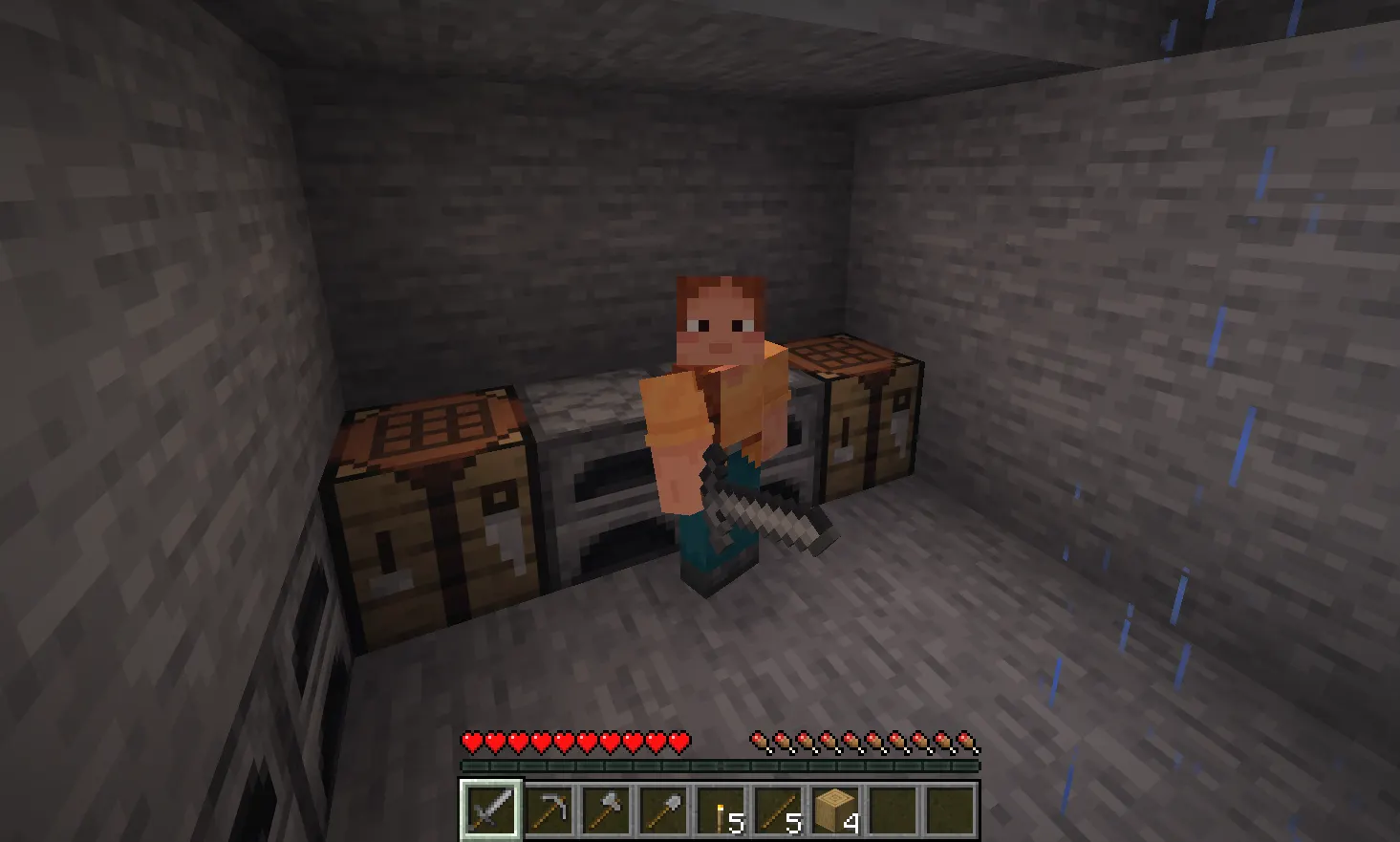
Step 6 - Build a basic shelter before nightfall. With a stone axe cutting wood faster and a stone pickaxe mining quickly, you can put together a basic dirt or wood box before the sun sets.
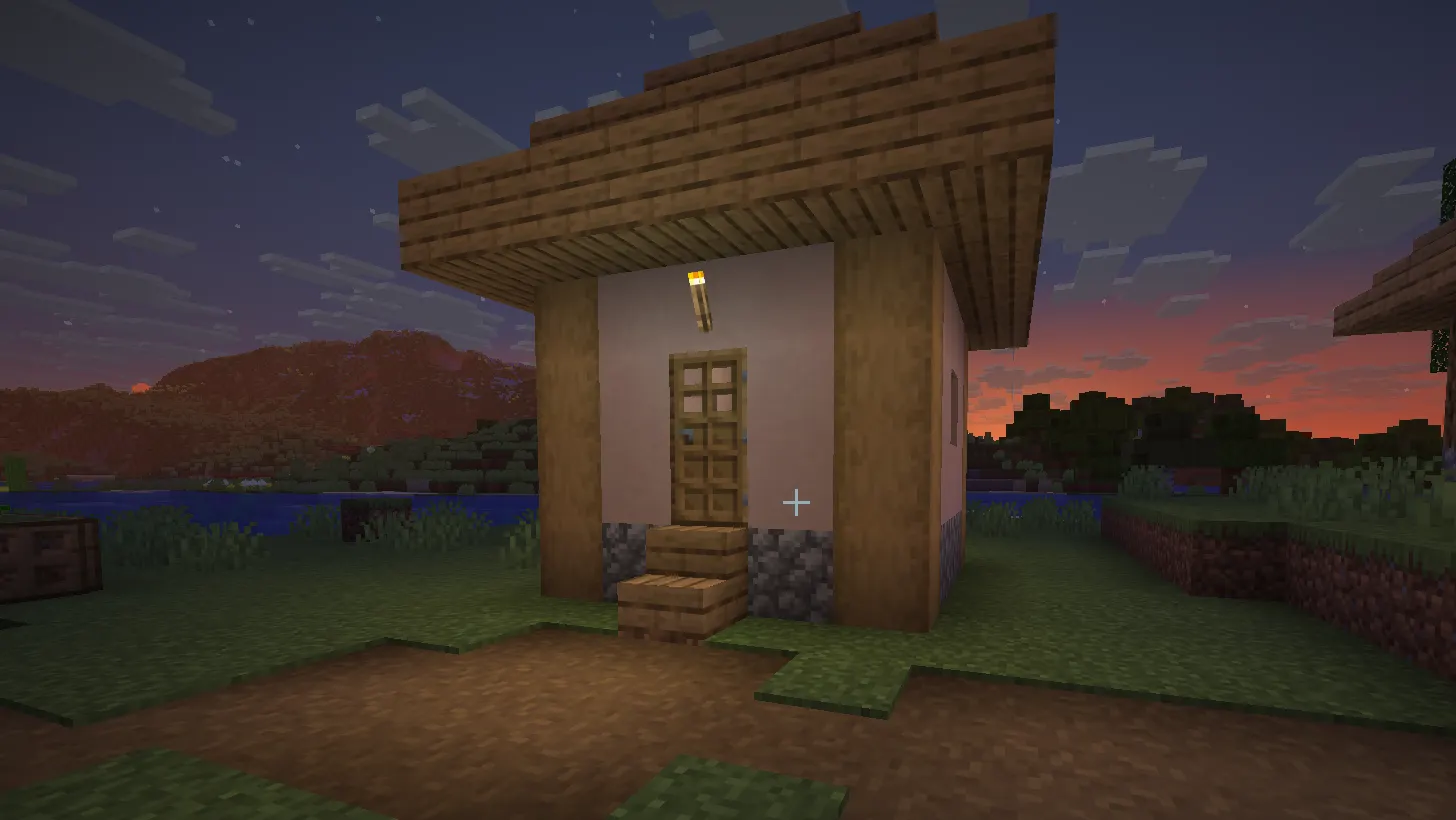
The entire wood-to-stone transition should take under ten minutes of real time if you move with purpose. The wooden pickaxe is a tool you use once to bootstrap the upgrade, not something you carry into the evening.
Common Mistakes Beginners Make
Treating wood and stone as equally valid choices. They are not. One exists to unlock the other. Once you have cobblestone, there is no reason to keep using wooden tools for any task.
Crafting stone tools one at a time instead of all at once. Some players craft a stone pickaxe, use it for a while, then later craft a stone sword when they remember. You have the cobblestone anyway. Craft everything in one session and be done with it.
Going mining with wooden tools because "it's just a quick trip." Quick trips underground still break wooden pickaxes, fast and slow, you down on every block. Always go underground with at least a stone pickaxe.
Holding onto wooden tools in your inventory "just in case." They take up space, and you will never realistically need them once stone is available. Drop them.
Skipping stone tools and waiting for iron. Iron is better, but you won't find it quickly enough to skip stone entirely. Stone tools are what keep you alive and efficient during the stretch between spawning and your first iron haul.
Which One Should You Use and When?
Wooden tools: Only during the first few minutes of a new world, and only the pickaxe matters. The axe is useful if you need a lot of wood quickly before you have cobblestone, but the window is short.
Stone tools: From the moment you have 20 cobblestone until you smelt your first iron ingots. This covers your entire early game: first shelter, first mine, first night, first cave exploration. Stone is the right tool for all of it.
If you are mid-session and your stone tools are running low on durability, craft replacements before they break completely. Cobblestone is everywhere. There is no reason to run on broken stone tools either.
Quick Summary
-
Wooden tools last 59 uses, stone tools last 131 uses
-
Stone tools mine faster and deal more damage across every tool type
-
The only wooden tool worth intentionally crafting is the pickaxe
-
Switch to stone tools before the first in-game night, ideally within 10 real minutes of spawning
-
20 cobblestone is all it takes to craft a full stone tool set
-
The stone sword does 5 damage vs the wooden sword's 4, and that gap matters in real combat
-
Don't wait for iron to replace your wooden tools. Stone is available immediately and costs almost nothing
One Upgrade That Changes Everything
Minecraft doesn't explain its progression to you. It drops you in a world and expects you to figure it out. A lot of beginners figure it out the hard way, dying on their first night with a wooden sword in hand and cobblestone sitting in their inventory.
The wooden-to-stone upgrade takes less than 10 minutes. It costs nothing you don't already have. And it completely changes how your first survival session feels. You mine faster, fight with more confidence, and stop watching your tools crack in half mid-task.
Stone tools won't carry you forever. Iron comes next, then diamonds, then beyond. But none of that progression happens smoothly if you don't nail this first transition. Get your wooden pickaxe, mine your cobblestone, upgrade everything, and then actually play the game. That's the whole trick.
The players who enjoy Minecraft early on aren't the ones who know every recipe or every mechanic. They're the ones who move through the tiers without getting stuck. Now you know exactly how to do that.