
Best Early-Game XP Farm in Minecraft: No Spawner Needed
Running low on experience before your first enchant? You are not alone. Most guides point beginners at mob spawner farms, which require you to actually find a dungeon first not always easy in a fresh world. The good news is that some of the best XP methods in early Minecraft do not need a spawner at all.
This guide covers every practical XP farm you can build from day one through your first Nether trip. Each method is tested, ranked by efficiency, and noted for Java or Bedrock differences where they matter.
Quick Answer
What is the best early-game XP farm in Minecraft without a spawner?
The Furnace XP bank is the most consistent early option: smelt a large batch of items, then collect all the XP at once when you pull out your output. For faster raw XP, a simple mob tower (no spawner, just a high platform) beats everything available before the Nether. Both work on Java and Bedrock.
What Makes a Good Early-Game XP Farm?
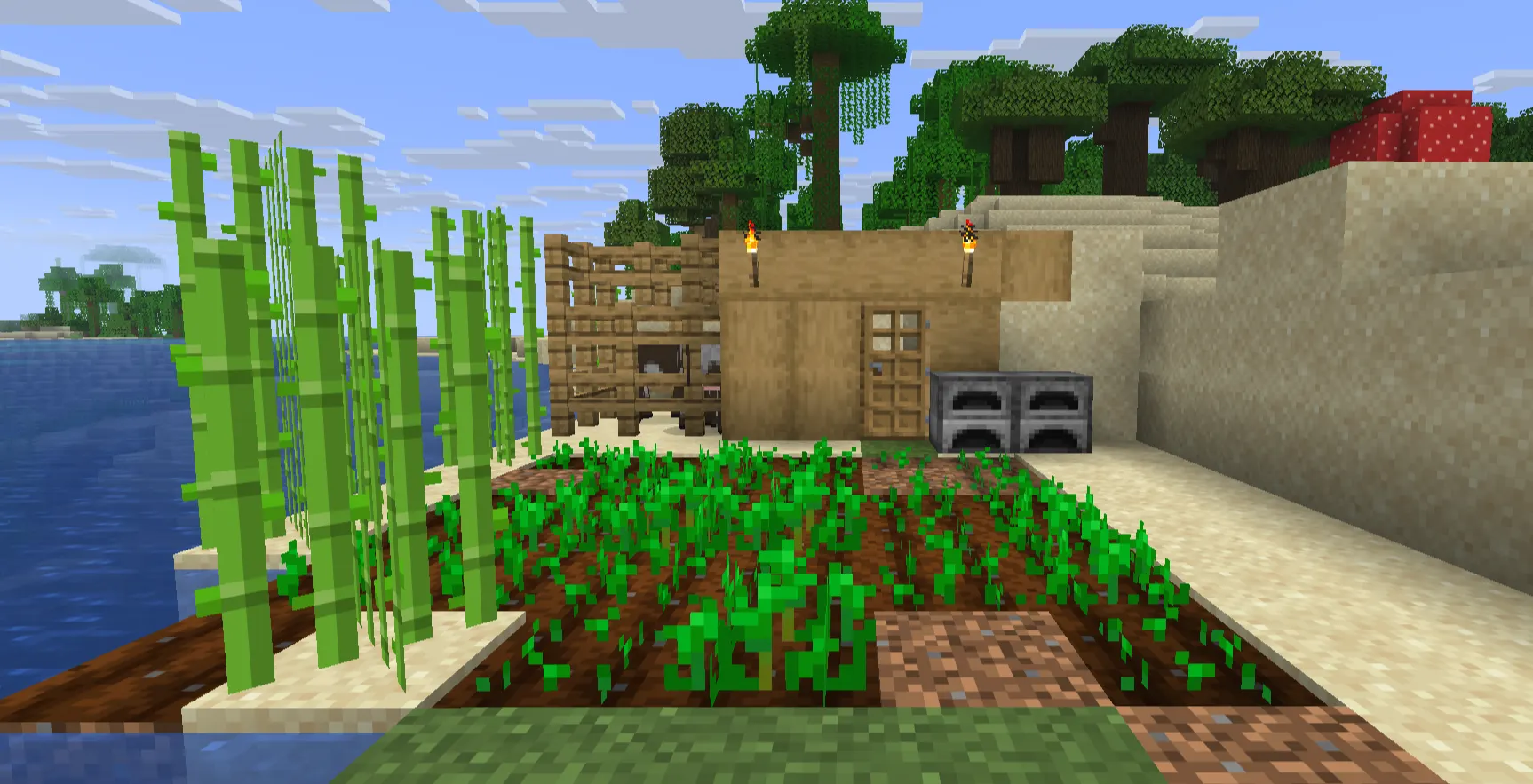
Not all XP sources are equal when you're still in Stone tools. A good early farm meets most of these:
Cheap to build. You should not need rare materials. If it requires a full beacon or Netherite, it is a late-game farm.
Beginner-friendly construction. Simple blocks, no complex redstone, no villager trading hall.
Decent XP output. "Decent" early game means enough to hit level 30 in under 15 minutes. That is the target for a max enchant.
Low maintenance. You have a lot of other things to do in a new world. A farm that needs resetting every five minutes is annoying.
AFK potential. Optional but nice — some farms let you go idle while XP accumulates.
Java and Bedrock compatibility. Spawning mechanics differ between editions. A design that works on Java might be useless on Bedrock if it relies on specific spawn rules.
1. The Furnace XP Bank
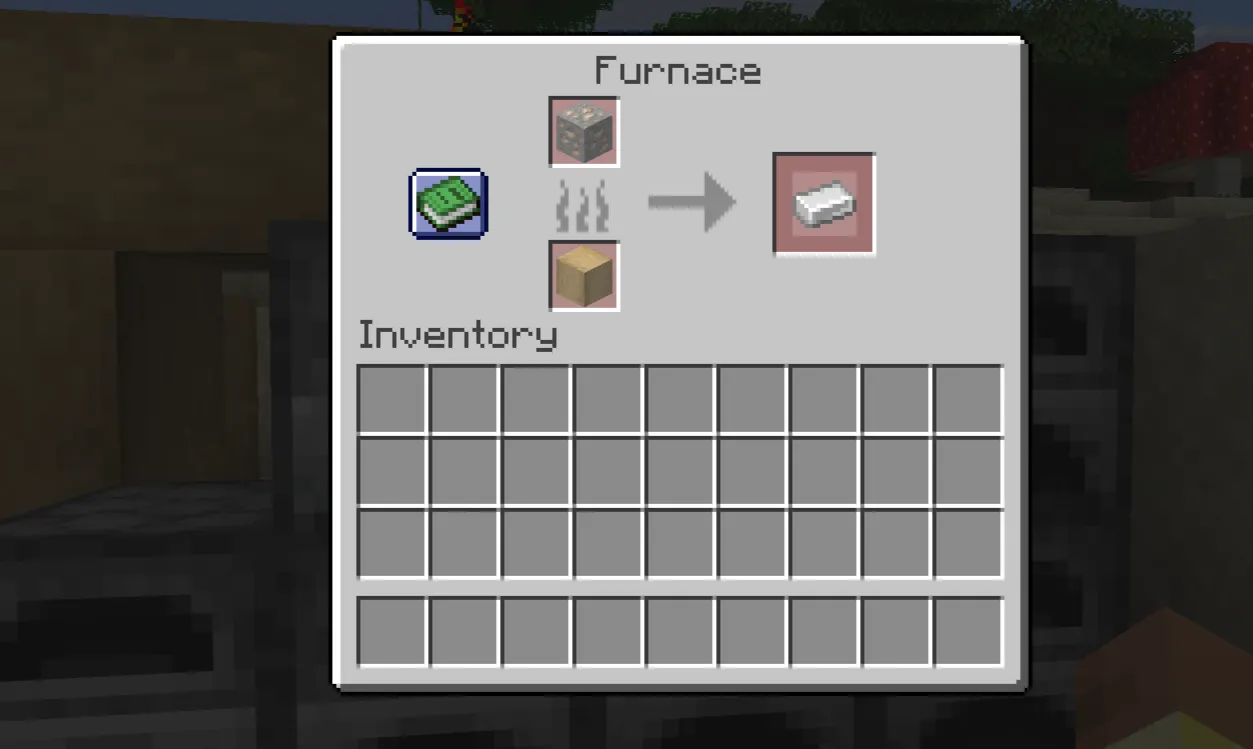
This is probably the most underrated XP method in the game, especially early on.
Here is how it works: furnaces store XP internally every time they finish smelting an item. That stored XP does not disappear — it just sits there until you manually pull items out of the output slot. So you can smelt 500 sand into glass over several nights, come back, pull everything out at once, and collect a massive burst of XP in seconds.
The mechanic is the same on Java and Bedrock.
What to smelt
Kelp (dried): Kelp is everywhere near oceans, free to collect, and each piece gives 0.1 XP when smelted. It also turns into dried kelp blocks, which can be used as fuel — making it partly self-sustaining. Good starter smelting material.
Sand → Glass: Common, easy to collect by the hundreds. Each piece gives 0.1 XP.
Cactus → Green Dye: Same XP as sand and kelp. Cactus farms pair naturally with this strategy (see below).
Raw food: Any raw meat gives 0.35 XP per smelt in a smoker — much higher per item. If you have a mob farm or animal pen, smelting the raw drops is worth doing.
Cobblestone → Stone: 0.1 XP per piece, but generates naturally as a byproduct of mining. Not the most efficient but essentially free.
How to use it correctly
Set up multiple furnaces. Three to five is enough early on. Fill them with your smelting material, add fuel, and walk away. When you come back, pull the output items out one by one — each pull collects the stored XP for that item stack.
The most common mistake is using a hopper to auto-collect the output. Hoppers pull items automatically, which bypasses the XP storage — you collect zero XP that way. Always pull output manually if you want the XP.
XP estimate
With five furnaces running kelp or sand overnight: roughly 5–10 levels depending on how much material you loaded. With raw food in smokers: 15–20+ levels in the same time.
Best for: Players who want a passive, zero-effort XP source running in the background. AFK friendly: Yes — the smelting runs without you. Collection takes 30 seconds. Works on: Java and Bedrock.
2. Simple Mob Tower (No Spawner)
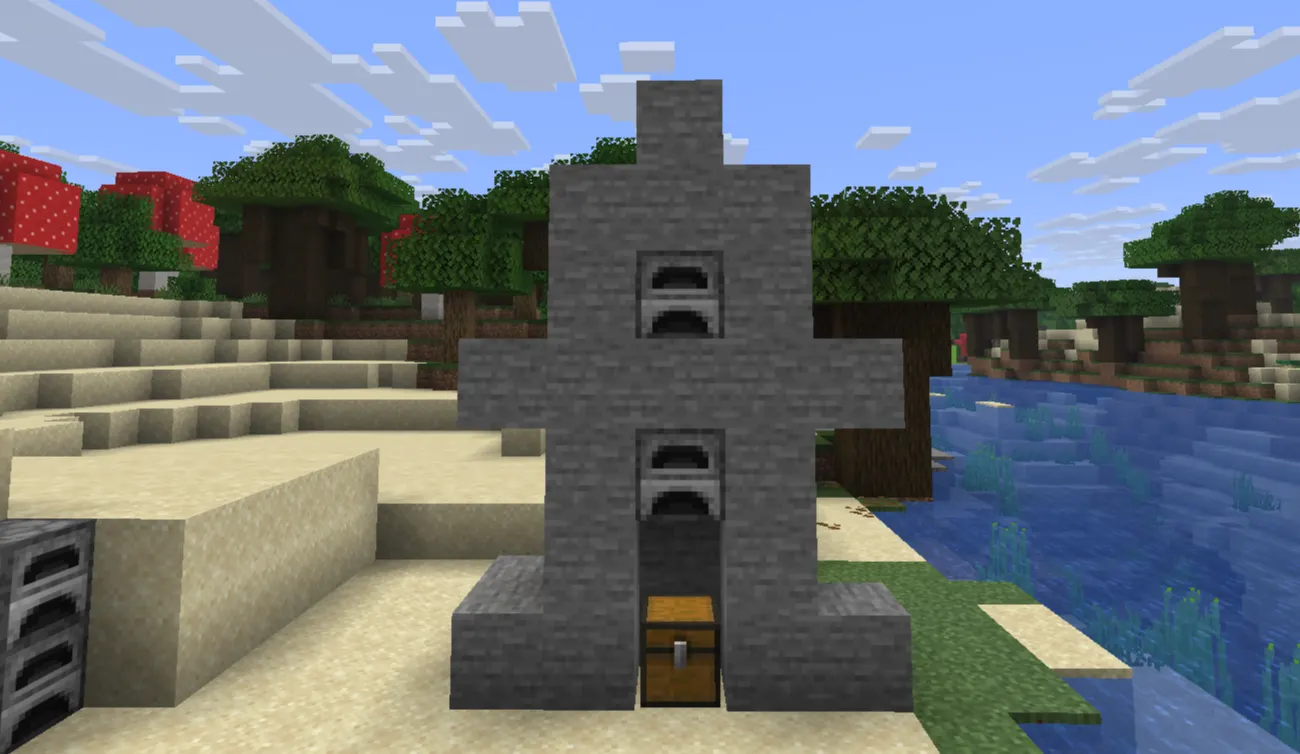
A mob tower is a tall, dark room where hostile mobs spawn naturally, fall a long distance, and land at near-death at your feet. You finish them with one hit and collect both the XP and the drops.
This is the fastest raw XP source available before the Nether, and it scales well as you add more floors.
How it works
Mobs spawn in complete darkness. They need a solid block to spawn on and a space of at least two blocks tall. Build a platform high enough that the fall kills them — or nearly kills them.
The kill height is 23 blocks (enough to leave mobs at 1 HP so you Get XP from the kill). A drop of 22 blocks leaves them at half a heart. If you drop them further, they die on impact — you still get drops but no XP from the kill, since it counts as fall damage, not a player kill. So 23 blocks is the sweet spot.
Basic build guide
-
Find a spot away from other structures (to maximize Mob spawning).
-
Build a platform at Y=200 or above — the higher, the fewer mobs spawn elsewhere and compete.
-
Make the platform 16×16 blocks of solid dark space (no torches, no light sources).
-
Add walls at least three blocks high on all sides to prevent mobs from walking off.
-
In the center, cut a 2×2 hole into a funnel that drops 23 blocks into a collection room.
-
Stand in the collection room and kill mobs with a sword.
Java vs Bedrock differences
On Java, mobs only spawn within 128 blocks of the player, but not within 24 blocks. So stand at the kill spot and the platform needs to be in that 24–128 block radius. Easy to manage.
On Bedrock, the spawning radius is different — mobs spawn within a simulation distance you set, but Bedrock uses a 44-block sphere for hostile spawning. Building very high (Y=200+) helps a lot on Bedrock because it reduces ground competition.
Bedrock also spawns mobs slightly differently on non-flat surfaces, so clearing the area around your build helps.
XP estimate
A basic 16×16 one-layer mob tower: roughly 800–1,500 XP/hour, which is about 3–6 levels per hour. Add more spawn layers (stack three or four platforms) and you can triple that.
Best for: Consistent XP and mob drops (string, gunpowder, arrows, bones). AFK friendly: Not fully — you need to be in the kill room to finish mobs. Works on: Java and Bedrock (with height adjustment on Bedrock).
3. Bamboo + Smoker Farm
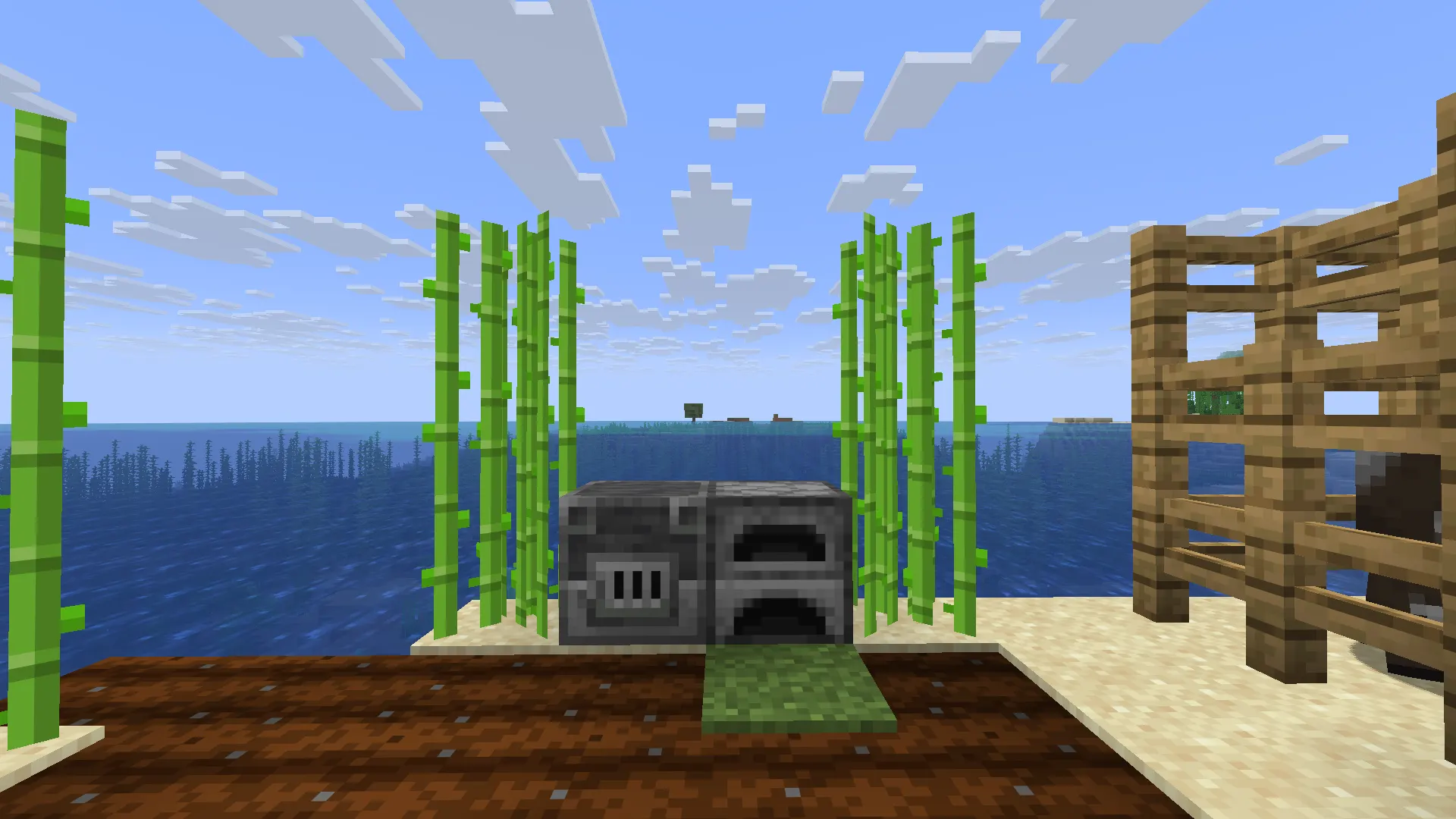
Bamboo grows fast, burns well, and generates steady XP when used as smoker fuel for any food.
The idea: plant bamboo near your base. It grows without water and reaches full height in 15–30 minutes. You can cut it manually or automate it with an observer + piston setup. Feed the bamboo into smokers as fuel, and smelt raw food or kelp in those smokers. Collect the XP when you pull the output.
Why bamboo specifically
Bamboo is one of the fastest-growing plants in the game. A 2×4 plot gives you more fuel than you can use. It burns at 15 seconds per item in a furnace — not the most fuel-efficient per item, but the supply is essentially infinite once you plant it.
One bamboo item smelts 0.25 items. So four bamboo = one smelt cycle. That is fine when bamboo grows for free.
Automation notes
An observer-piston-hopper setup can make this fully automatic. The observer detects growth, a piston breaks the stalk, hoppers collect it and feed the smokers. On Java, this runs in loaded chunks without you nearby. On Bedrock, the player needs to be closer for the chunk to stay active.
XP estimate: 5–10 levels per session if you let bamboo accumulate for a day or two. AFK friendly: Yes, if automated. Works on: Java and Bedrock.
4. Kelp XP Farm
Kelp has a double XP trick that newer players often miss.
You collect raw kelp from the ocean (free), smelt it into dried kelp (0.1 XP per smelt), and then craft dried kelp into dried kelp blocks. Those blocks can be used as fuel — each block smelts 20 items, generating more XP in the process.
So the same kelp gives you XP twice: once when you dry it, and again when you burn kelp blocks as fuel to smelt more kelp.
Building an automated kelp farm
-
Build a water column 25 blocks tall (kelp grows to 25 blocks naturally).
-
Place kelp at the bottom — it fills the column with water source blocks automatically.
-
Add a piston at the base triggered by an observer at the top. When kelp reaches the observer, the piston breaks the bottom stalk, and all kelp above falls and is collected by hoppers.
-
Feed collected kelp into furnaces with a hopper system. Do not put a hopper on the output side (remember — that stops XP storage).
An automated kelp farm produces roughly 40–80 dried kelp per cycle depending on your column height. Running three or four columns gives a steady supply.
XP estimate: 5–15 levels per session from smelting, depending on batch size. AFK friendly: Yes — farm is automated, but you collect XP manually. Works on: Java and Bedrock (Bedrock kelp growth is slightly slower in some versions, not significantly different).
5. Cactus + Furnace Farm
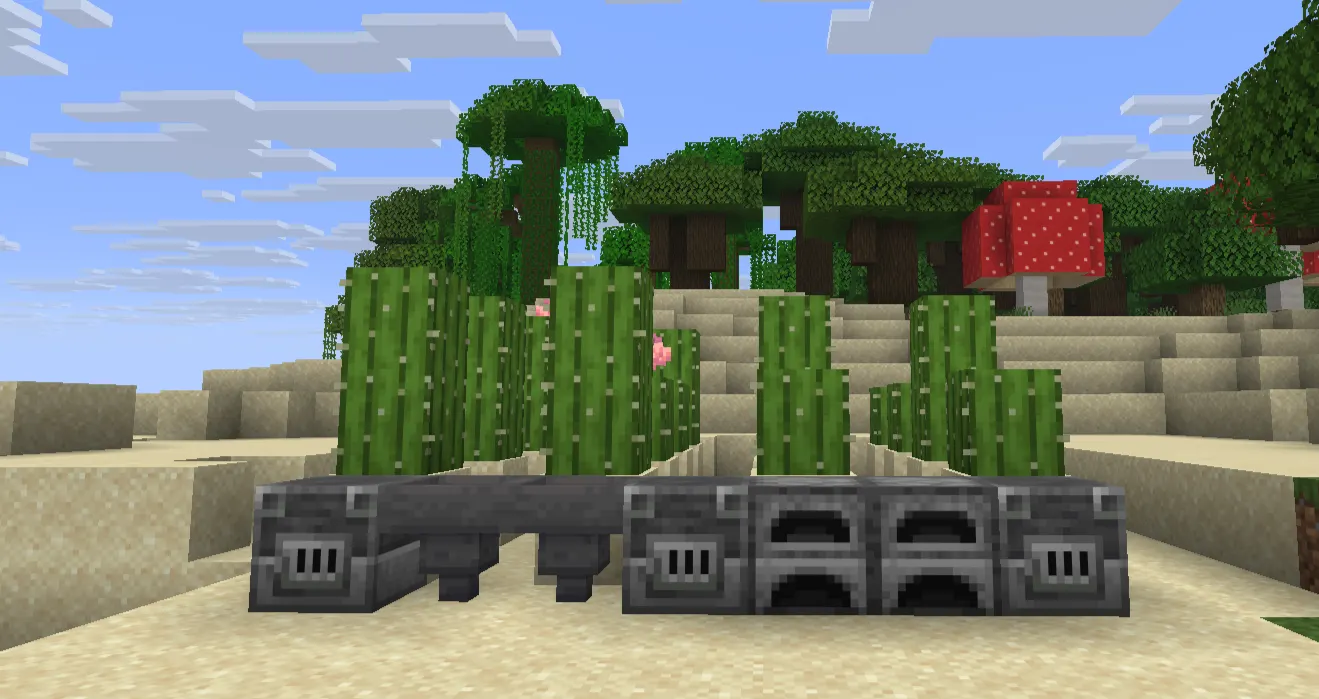
Cactus grows in deserts, requires no water, and smelts into green dye (0.1 XP per smelt). The farm is extremely cheap to build and runs without any input from you once set up.
Basic design
Plant cactus next to sand blocks in a row. Place a block diagonally above each cactus at the second block height — when the cactus grows a third block, it hits the diagonal block and breaks, falling onto hoppers below. Hoppers feed the cactus into furnaces.
This is one of the cheapest automated XP setups available. Materials: sand, cactus, hoppers, furnaces, fuel.
The downside is that cactus XP per hour is low — green dye is not a useful item, so you end up with a lot of it. But as a passive background farm that runs while you do other things, it works.
XP estimate: 2–5 levels per session (lower than other options). AFK friendly: Yes. Works on: Java and Bedrock.
6. Quartz Mining in the Nether
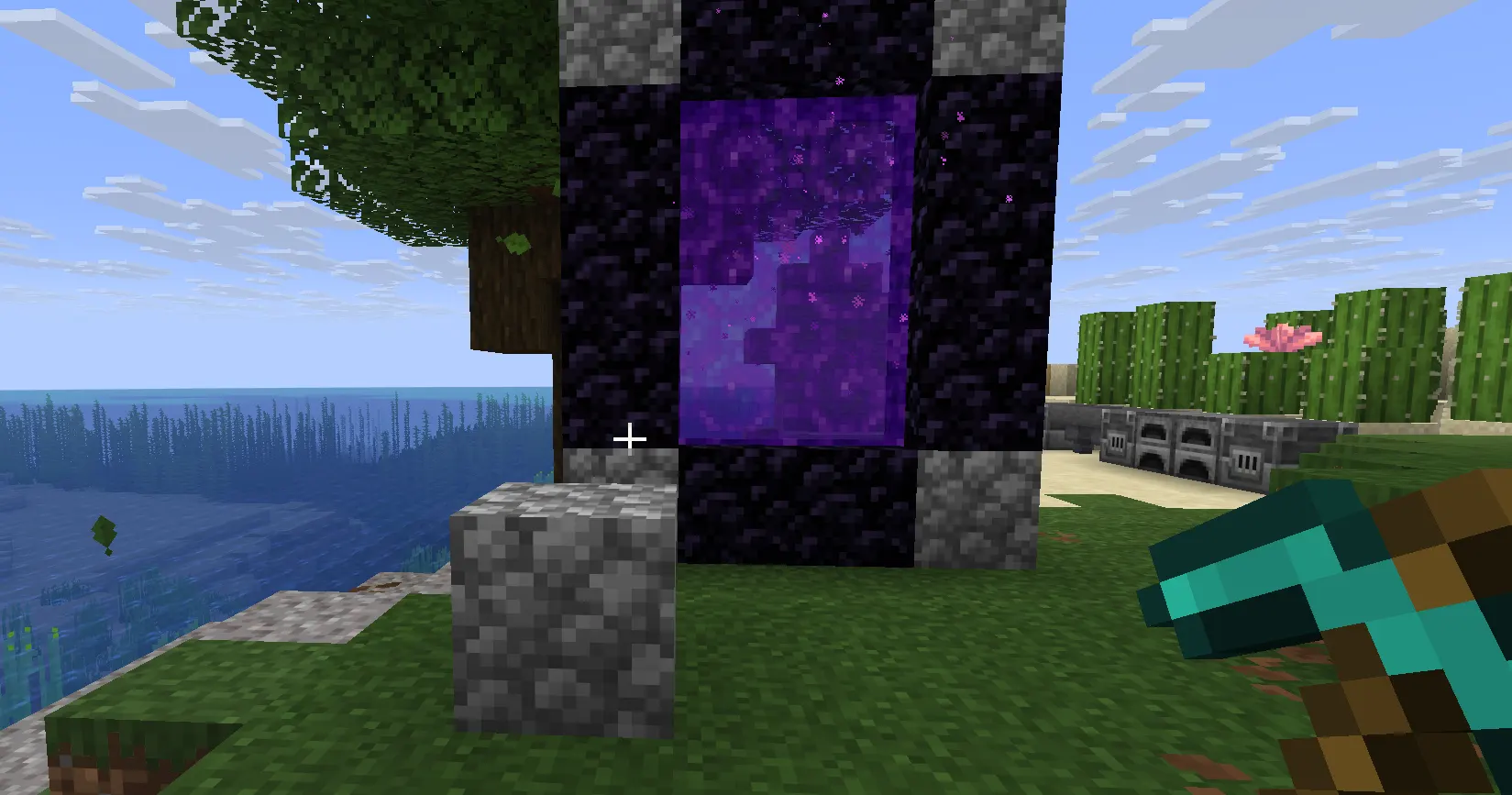
Here is the fastest XP you can get in early game, and most beginners do not use it nearly enough.
Mining Nether Quartz ore drops 2–5 XP per block. That is two to five times more XP than mining coal, and Nether Quartz spawns in enormous quantities across the Nether's surface and walls. You can run through the Nether for 20 minutes and hit level 30 without building anything.
Using a Fortune III pickaxe multiplies the XP drops. Fortune does not increase the XP per block, but it multiplies the ore drops — and since you mine the ore to get XP, more drops means more mining targets. Clarification: Fortune on Quartz does multiply the item drops (from 1 to up to 4 quartz shards), which gives you trade material for emeralds, but the XP per break stays at 2–5 regardless of Fortune.
Preparation before going in
-
Stone or iron pickaxe minimum (diamond preferred).
-
Fire Resistance potion if you have it.
-
Gold armor — Piglins will not aggro you if you wear at least one piece of gold equipment.
-
Beds or a respawn anchor set nearby if this is your first Nether trip.
Safety notes
Do not mine near lava lakes without watching your footing. Nether Fortresses, Bastions, and cliffs are all dangerous without good armor. On your first trip in, just mine quartz near your portal and retreat.
XP estimate: 500–1,500 XP per 20-minute session (easily 5–10 levels), more with Fortune. AFK friendly: No — active mining. Works on: Java and Bedrock.
7. Animal Breeding
Breeding two animals gives 1–7 XP per breed. Not a lot on its own, but it costs almost nothing and pairs naturally with a food farm.
Cows and sheep give 1–3 XP per breed. Pigs and chickens are the same. Horses give 1–6. It adds up if you are already running a food farm — just breed your animals while you collect food.
The bigger use case here is building a food supply that feeds into smokers, which then generate furnace XP. The breeding farm and the smoker XP bank complement each other nicely.
XP estimate: Low as a standalone (maybe 1–2 levels per session). High when combined with a smoker XP bank using the raw meat drops. AFK friendly: No. Works on: Java and Bedrock.
8. Villager Trading
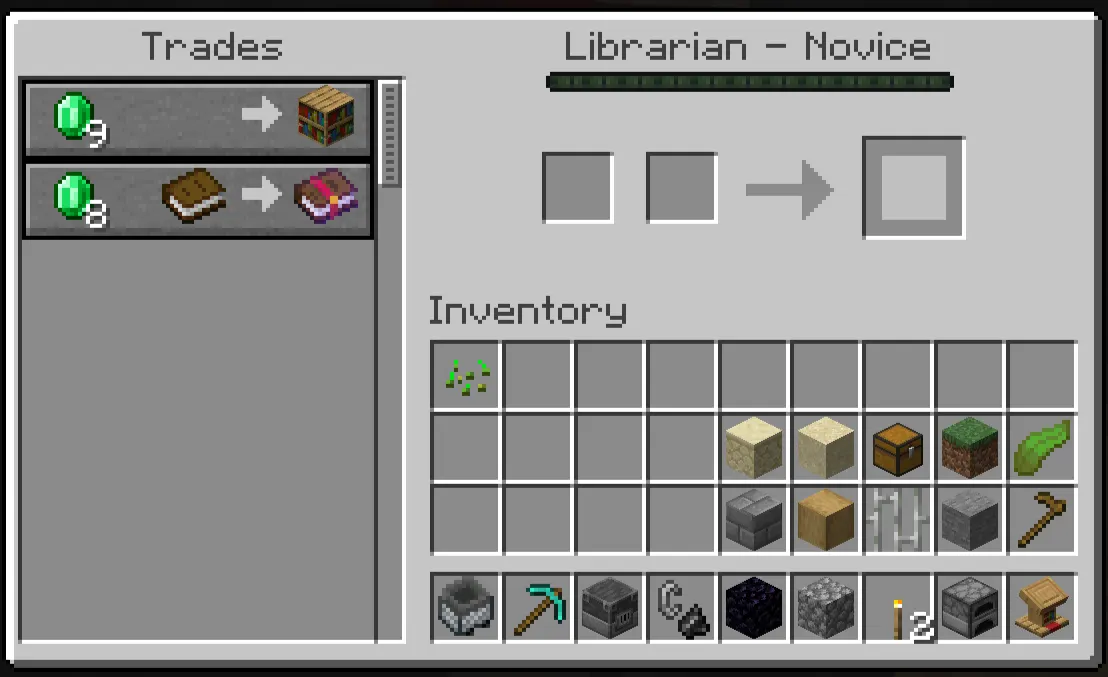
Trading with villagers gives you XP — the amount scales with the trade cost and villager profession. High-level trades give more.
The best early-game trading strategy is the librarian. Lock a villager into the Librarian profession (place a lectern as their workstation), and refresh their trades until you get something you want — enchanted books, especially. Trade repeatedly to level them up. Each trade gives you a few XP points, and leveling the villager to Master unlocks better trades.
More practically: build a villager trading hall (at least a few professions) and trade everything you can. The XP is not huge per trade, but it is free XP for items you were going to acquire anyway.
On Bedrock, the trade mechanics are almost identical to Java. One difference: on Bedrock, zombie curing discounts are capped differently, but the base XP from trading is the same.
XP estimate: 5–15 levels over an extended trading session. AFK friendly: No. Works on: Java and Bedrock.
9. Fishing
Fishing gives XP: 1–6 XP per catch. An AFK fishing farm (a water pool with a note block or tripwire to auto-reel) can generate consistent XP over time, plus treasure loot — enchanted books, bows, fishing rods, name tags, saddles.
The catch: AFK fishing was nerfed significantly in Java 1.16. The classic "AFK fish farm" that abused a specific water pool design no longer works on Java for treasure loot (it only gives junk and fish now unless you have an open water setup). Bedrock still has more relaxed fishing mechanics.
For pure XP, fishing is not efficient — you can get more XP faster with almost any other method. But it is genuinely AFK, generates useful loot, and requires almost nothing to set up. If you want to walk away from your computer and come back to XP plus enchanted books, fishing is the answer.
XP estimate: 3–8 levels per hour AFK (Java), slightly more on Bedrock. AFK friendly: Yes. Works on: Java (limited treasure) and Bedrock.
Comparison Table
|
Farm |
XP/Hour (est.) |
Cost |
Build Difficulty |
AFK Friendly |
Java |
Bedrock |
Best For |
|
Mob Tower |
800–2,500 |
Low |
Medium |
Partial |
✓ |
✓ |
Raw XP + drops |
|
Furnace XP Bank |
Varies (batch) |
Very Low |
Easy |
Yes |
✓ |
✓ |
Passive background XP |
|
Quartz Mining |
500–1,500 |
None |
None |
No |
✓ |
✓ |
Fast XP, pre-enchant push |
|
Kelp Farm |
300–800 |
Low |
Medium |
Yes |
✓ |
✓ |
Passive, automated |
|
Bamboo + Smoker |
200–600 |
Low |
Medium |
Yes |
✓ |
✓ |
Long-term passive XP |
|
Cactus Farm |
100–300 |
Very Low |
Easy |
Yes |
✓ |
✓ |
Completely passive |
|
Villager Trading |
200–500 |
Medium |
Medium |
No |
✓ |
✓ |
XP + useful items |
|
Animal Breeding |
50–150 |
Very Low |
Easy |
No |
✓ |
✓ |
Supplement to food farm |
|
Fishing |
200–400 |
Very Low |
Easy |
Yes |
✓ (limited) |
✓ |
AFK + loot |
Best XP Farm by Game Stage
Day 1: Start a furnace XP bank immediately. Smelt anything — sand, raw food, cobblestone. The XP stores while you play. Collect it before your first enchant.
First week: Build a mob tower. Even a basic one-layer platform generates enough XP to hit level 30 for enchanting within a session or two.
After iron gear: Plant bamboo and set up a cactus or kelp farm as background automation. These run without you and add to your XP stockpile over days.
Before diamonds: Hit the Nether. Mine quartz aggressively. You can get 10+ levels in a short session, which is often faster than running your mob tower for the same time.
Before the End: By now you want a proper mob farm or Blaze farm in a Nether Fortress. But your mob tower and furnace bank can sustain you until then.
Best XP Farm for Mending
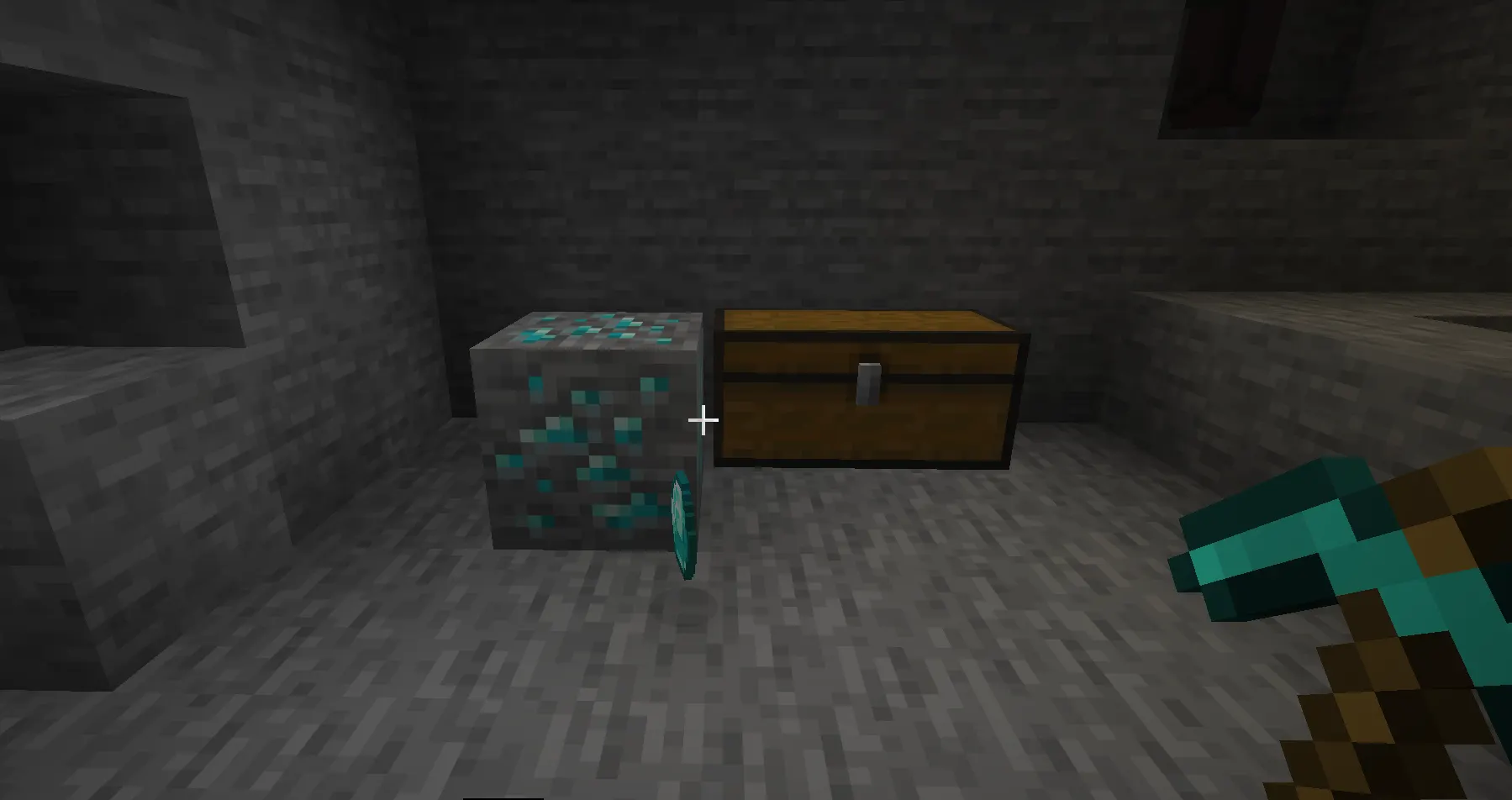
Mending is an enchantment that repairs your tools with XP orbs instead of consuming the item's durability. It is the best tool maintenance system in the game, but it needs a constant XP supply to work efficiently.
The furnace XP bank is the best Mending source for early game. When you collect the stored XP, hold the item you want to repair in your main hand — every XP orb you collect repairs it. A full furnace bank session can fully repair a nearly broken tool in seconds.
For continuous Mending while playing, a mob tower is better — you collect XP orbs passively with each kill, and the orbs go straight into your held item.
The worst approach for Mending is any fully AFK farm where you are not holding the item during XP collection. If XP orbs drop to the ground without hitting you, they do not repair anything.
Common Mistakes
Putting a hopper on the furnace output. This auto-collects items and destroys the stored XP. Always pull output manually.
Building the mob tower too low. If your platform is only 10–15 blocks up, it competes with ground-level spawning. Build at Y=150–200 for best results.
Forgetting spawn-proofing. Torches on the floor of your mob tower's spawn room, or nearby caves not lit up, waste spawn capacity. Every mob that spawns somewhere else is one that did not spawn in your farm.
Standing too close to the furnace. When collecting furnace XP, you need to be close enough to pick up the orbs. Stand directly in front of the output slot.
Mining Nether Quartz without fire resistance. One wrong step near lava with no protection ends a good XP session fast.
Relying only on passive sources. Cactus and kelp farms are slow. You need a mob tower or quartz session if you actually want to hit level 30 quickly.
Fishing on Java expecting treasure. The AFK treasure farm does not work the same way post-1.16. Open water setups still work but require proper configuration.
Pro Tips
Combine methods. Run a furnace bank in the background while you actively farm a mob tower. You get passive XP from the furnaces and active XP from kills at the same time.
Use Fortune on Nether Quartz. While Fortune does not multiply XP directly, it multiplies quartz shard drops — useful for trading with mason villagers for emeralds, which you then trade with librarians for enchanted books.
Smelt raw food in smokers, not furnaces. Smokers process food twice as fast as regular furnaces, meaning you charge and collect XP from the same amount of food in half the time.
Build multiple furnaces in a cluster. Walking through a row of five or six furnaces pulling output is faster than one furnace at a time. Keeps your XP bank collection efficient.
Keep farms chunk-loaded. A mob tower or kelp farm that stops working because you wandered too far is useless. Build close to your base, or use a chunk loader if you know how.
Time your enchants. Do not enchant at level 5 or 10. Save XP for level 30 every time for maximum enchanting efficiency.
For Mending, hold the tool while collecting. This sounds obvious, but it is easy to forget when you are in a rush to pick up drops.
Conclusion
If you are in the first few days of a new world, start here: run a furnace XP bank in the background and build a simple mob tower as your first real XP source. These two together can sustain you through enchanting, Mending, and gear progression until you reach the Nether.
Once you get into the Nether, add quartz mining runs. The XP is faster than anything else at that stage, and you get quartz as a side product for builds or trades.
Over time, you will naturally outgrow these early farms. A mob tower eventually becomes too slow when you need 60+ levels for anvil work. That is the right moment to move to an Enderman farm (post-End), a Blaze farm (once you find a Nether Fortress), or a Guardian farm if you are ambitious about building one over an ocean monument. All of those are late-game upgrades — but everything described in this guide will get you to that point comfortably.
The main thing is not to wait. Even a furnace with three stacks of kelp running in the background is better than nothing. Start small, and the XP takes care of itself.