Plains Biome Minecraft:
There's a moment every new Minecraft player has when they spawn in the plains, look around at the flat, open grass, and think: This is the boring one. Then they run toward the nearest forest and start over in their head.
That instinct is wrong. And it's costing players hours of wasted time every single world.
The plains biome in Minecraft isn't the fallback. It's the foundation. After playing through dozens of survival worlds across multiple versions, one pattern keeps showing up: the players who thrive fastest in the early game almost always start in plains, whether they intended to or not. The flat terrain, the village proximity, the mob visibility, the farming potential — none of it is accidental. It's the closest thing Minecraft has to a designed starting advantage.
This guide breaks all of it down. From terrain mechanics to advanced building strategy, beginner survival mistakes to the reasons experienced players actively seek out the plains biome for long-term worlds.
What Is the Plains Biome? (Quick Answer)
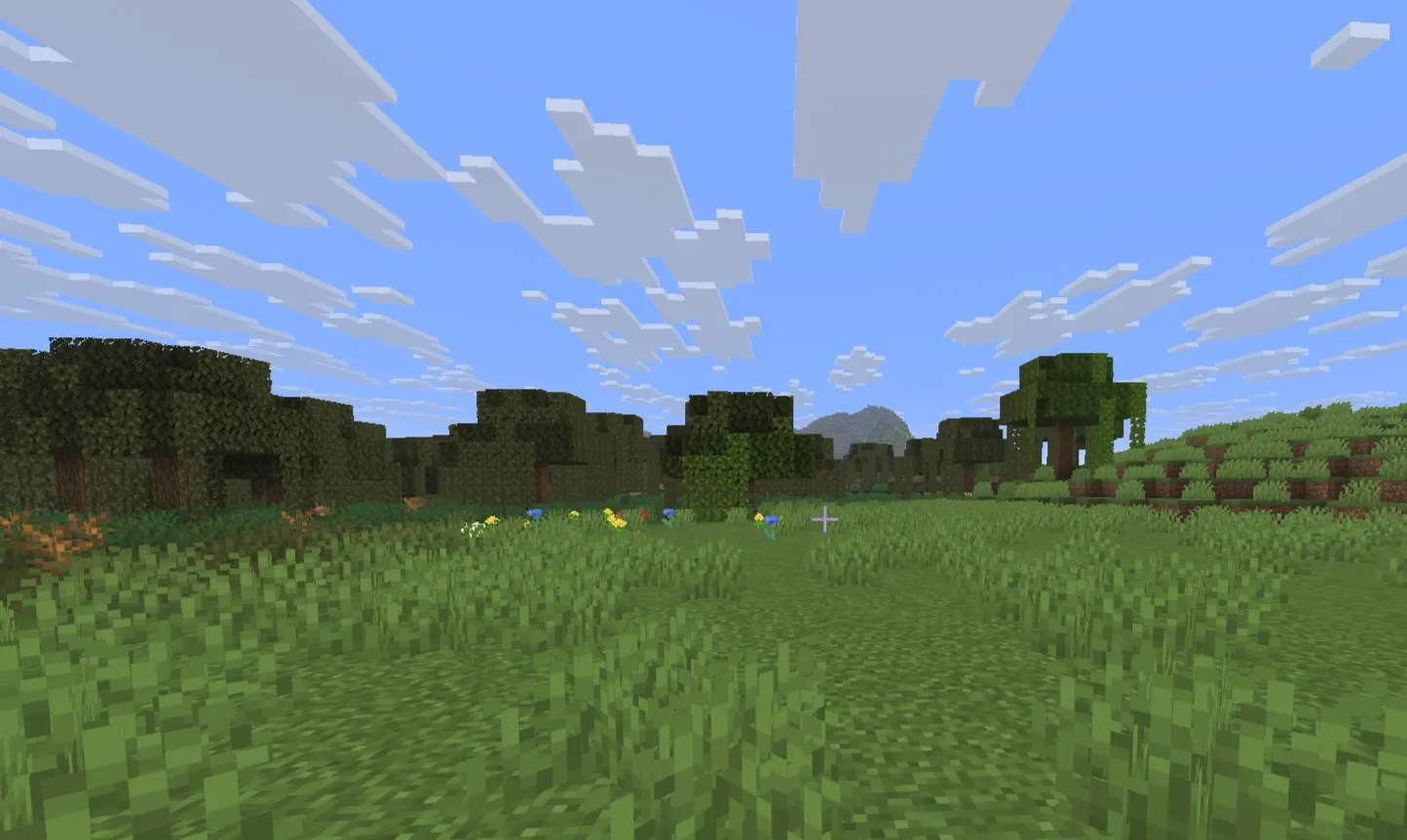
The plains biome is a flat, open grassland in Minecraft's Overworld featuring low elevation, short grass, scattered oak trees, and frequent village spawns. It's one of the most common biomes in the game and widely considered the best biome for beginners due to its clear sightlines, reliable food sources, and immediate access to villager trading.
Plains Biome Overview and Variants
The plains biome is a wide, temperate grassland that spans much of the Overworld. It sits at a moderate temperature, warm enough to avoid snow, stable enough for consistent crop growth, and borders a wide range of neighboring biomes, including forests, savannas, and taigas.
What separates it from other flat biome types like desert or badlands isn't just the terrain. It's the combination of what spawns here: passive food mobs, horses, villages, and bee nests all in the same open space. No single other biome stacks early-game advantages this cleanly.
Sunflower Plains Variant
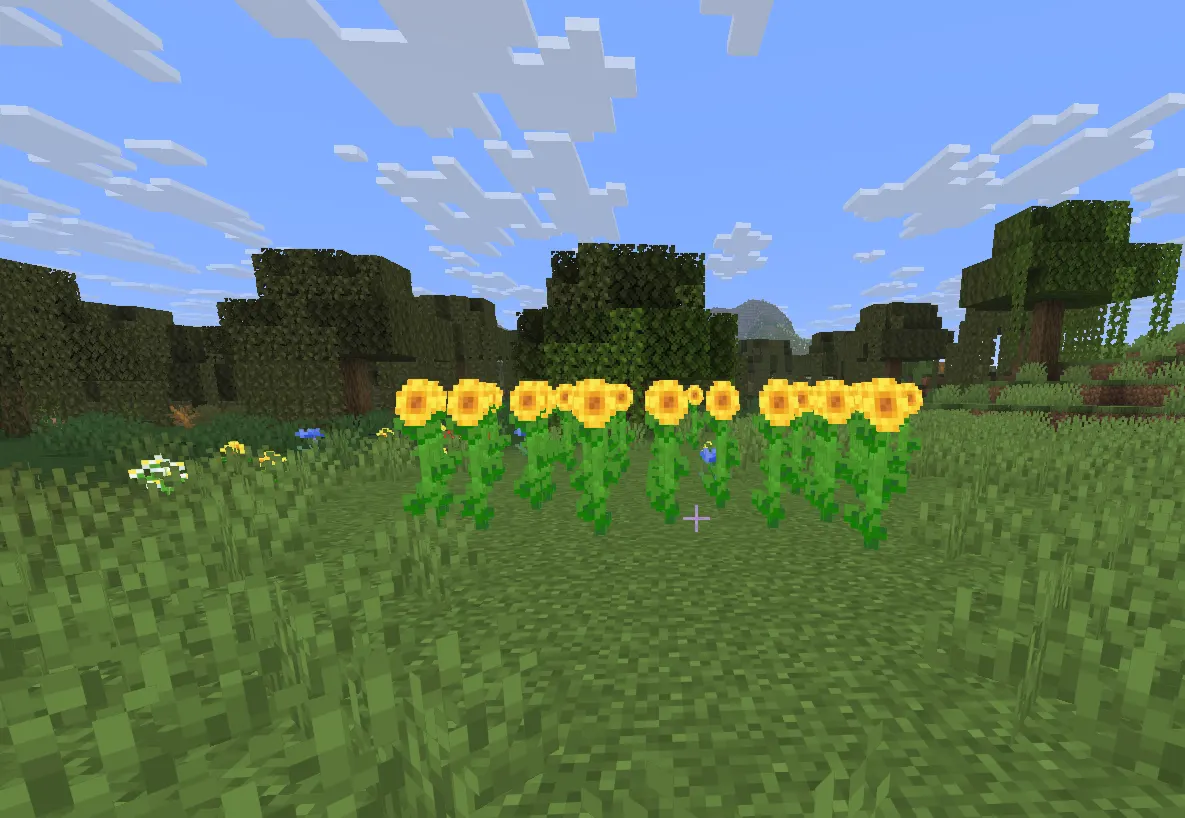
The only official variant is the sunflower plains. It generates identically to regular plains but is blanketed in sunflowers, the only natural source of yellow dye in the entire game. Sunflower plains are noticeably rarer than standard plains and serve as a practical dye farm from day one. If you find one near spawn, don't overlook it.
Plains Biome Features
Terrain
Plains terrain is almost entirely flat with minor elevation variance at biome edges. The ground is primarily grass blocks and dirt, with gravel and sand appearing near rivers and lakes. The low, consistent elevation is the foundation of everything that makes plains powerful buildings go up faster, farms extend further, and Redstone runs cleaner.
One detail most players miss: plains biomes tend to have longer, uninterrupted stretches of buildable flat ground than any other biome in the game. A desert is also flat but has no usable surface mobs and poor wood access. The plains' flat terrain with functional ecology around it is genuinely unique.
Weather and Climate
Plains run in a temperate climate. Rain falls normally, snow never generates here, and there are no crop-freeze mechanics to manage. For farming, this is the most low-maintenance climate in the game. You plant, you wait, it grows, no workarounds needed.
Natural Resources
-
Grass blocks and dirt (abundant everywhere)
-
Oak logs and leaves from scattered trees
-
Gravel near water
-
Flowers: dandelions, poppies, cornflowers, azure bluets, oxeye daisies, all four tulip colors
-
Sunflowers in the sunflower plains variant
-
Wheat seeds from tall grass are notably more abundant than in most other biomes.
-
Hay bales inside villages (break down to 9 wheat each)
The wheat seed density in the plains tall grass is genuinely higher than most players realize. You can have a functional wheat farm going before the First night if you prioritize it.
Structures
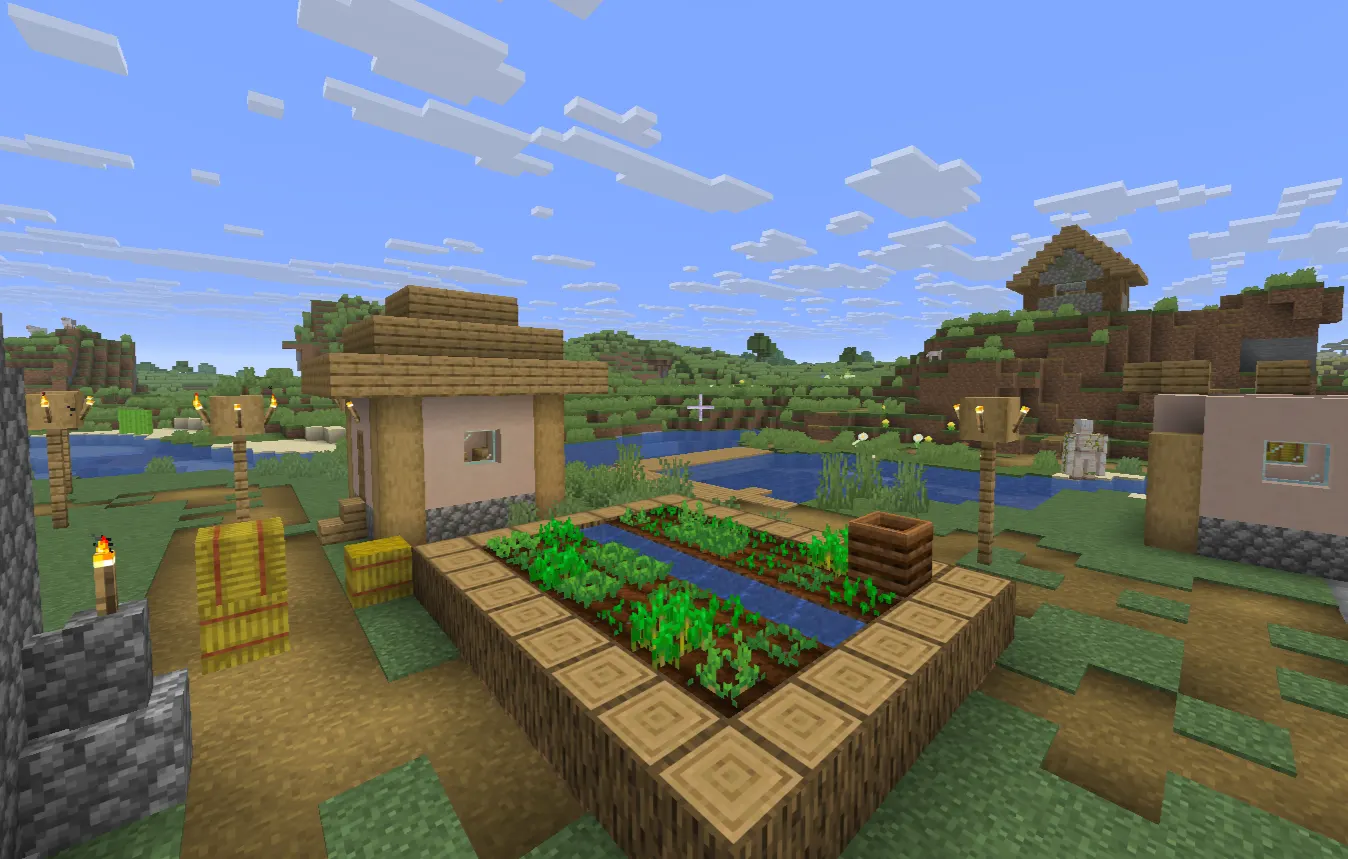
Villages are the flagship structure of the plains biome, and they generate here more reliably than anywhere else. Plains villages use oak and cobblestone, tend to be larger than their desert or taiga counterparts, and always include a mix of farms, workstations, and beds. Finding a village within the first 500 blocks of spawn in the plains is common.
Pillager Outposts also generate in plains biomes and sit about 300 blocks from villages on average. They're dangerous on day one but become a major resource point once you're equipped. Clearing an outpost unlocks the raid mechanic, which, if you win the raid, gives you Hero of the Village. This permanent trading discount makes the late-game economy significantly more efficient.
Ruined Portals can appear in plains as well, giving you early access to Nether materials and sometimes a partial gold reward before you've even built a proper base.
Mobs in the Plains Biome
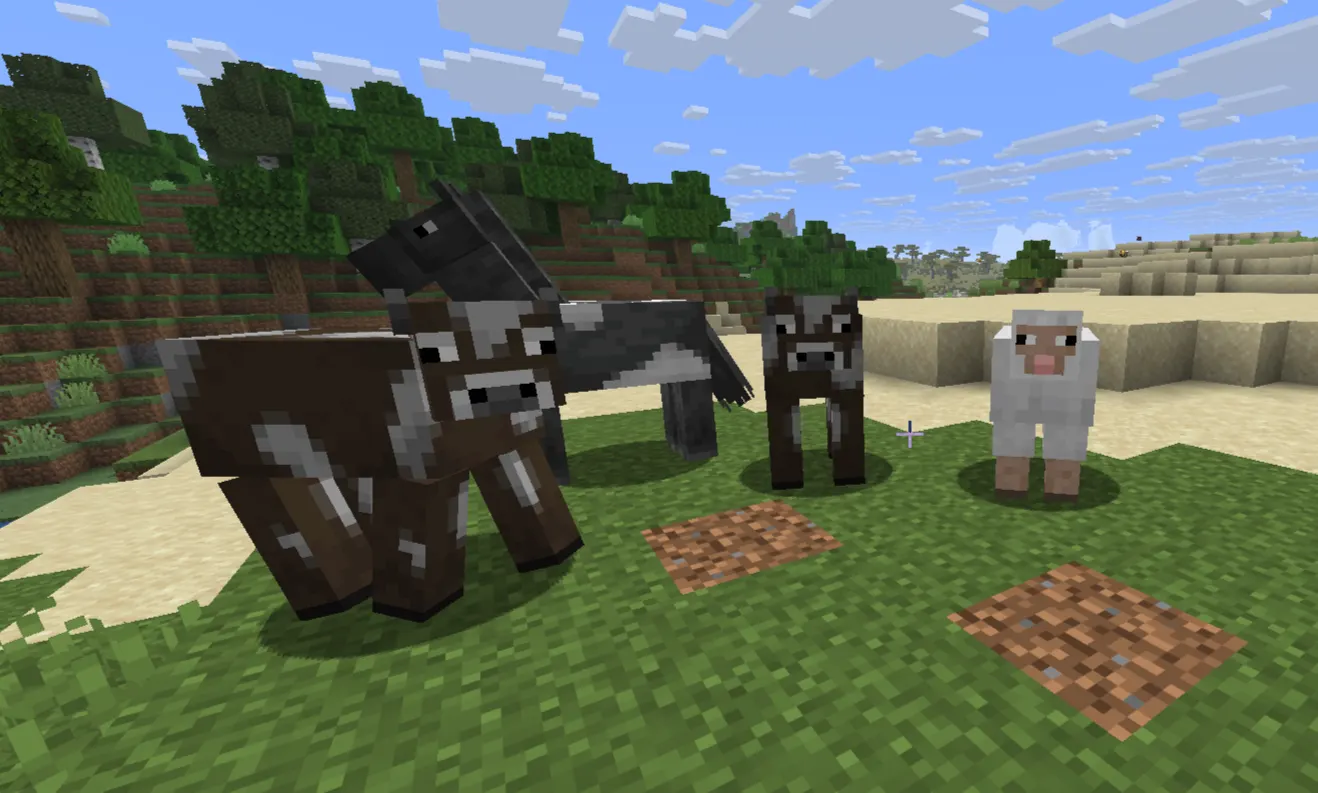
Passive Mobs
-
Cow's: leather, beef, and milk
-
Sheep: wool and mutton
-
Pigs: porkchops
-
Chickens' eggs, feathers, and poultry
-
Horses are exclusive to the plains and Savanna biomes
-
Donkeys: exclusive to plains biomes
-
Rabbits: near flower clusters
Horses and donkeys only spawn in plains and savannas. If you want mounted travel without hunting for a savanna, the plains are your only option from most starting spawns.
Neutral Mobs
-
Bees near oak trees with attached bee nests
-
Wolves near tree clusters (rare but present)
The bee situation in the plains is underrated. Oak trees that generate near flower patches have a chance to spawn with bee nests already attached. This gives you access to honey and honeycomb without ever crafting a beehive, useful for poison curing, wax production, and candle crafting from early on.
Hostile Mobs
Standard Overworld hostiles Zombies, Skeletons, Creepers, Spiders, Endermen, and witches all spawn here at night. No biome-specific hostiles like Drowned or husks unless you're near a water or desert border.
Spawn Mechanics: What Actually Matters
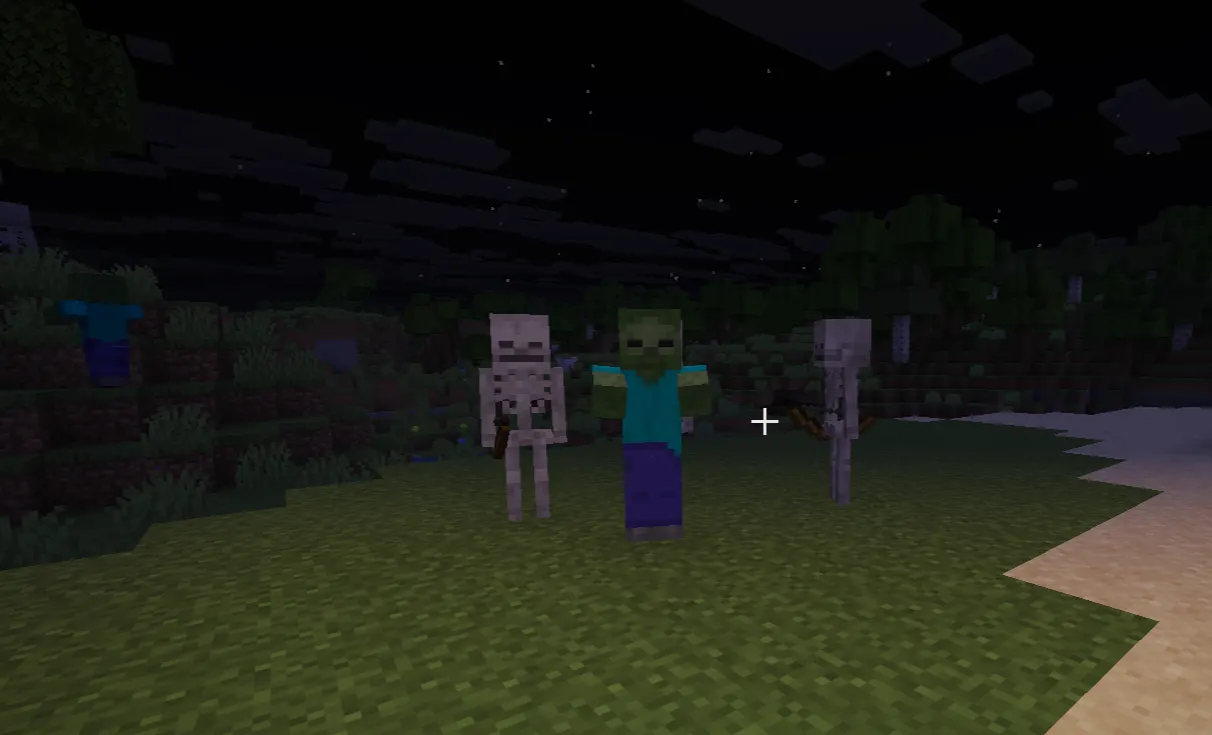
The open terrain in plains gives hostile mobs an enormous unobstructed surface to spawn on after dark. In a forest, trees and the canopy limit the number of spawnable blocks. In plains, nothing does. This means night in an unlit plains base is noticeably more dangerous than night in a forest or cave-rich biome.
Light your perimeter before nightfall. Every torch you place is a spawn block removed. Players who get ambushed repeatedly in the plains almost always skip this step.
Why the Plains Biome Is the Best Starting Location
Advantages
Sightlines protect you. Flat terrain means threats are visible from 50+ blocks away. No forest cutting off your view, no ravine dropping you unexpectedly. Awareness is your first line of defense, and Plains gives you the most of it.
Villages accelerate your game. No other biome makes villages this accessible. A Plains village on day one means beds (skipping nights safely), food from farm plots, workstations you can link to villagers, and an iron golem you can trade with for early iron. This is a 2–3 day shortcut over starting in any other biome.
Horses change your exploration radius. A tamed horse with a saddle from a village chest moves roughly 3x faster than sprinting. In Plains, you can find and tame one on day one. Players who do this explore more, find more, and progress faster. It's that simple.
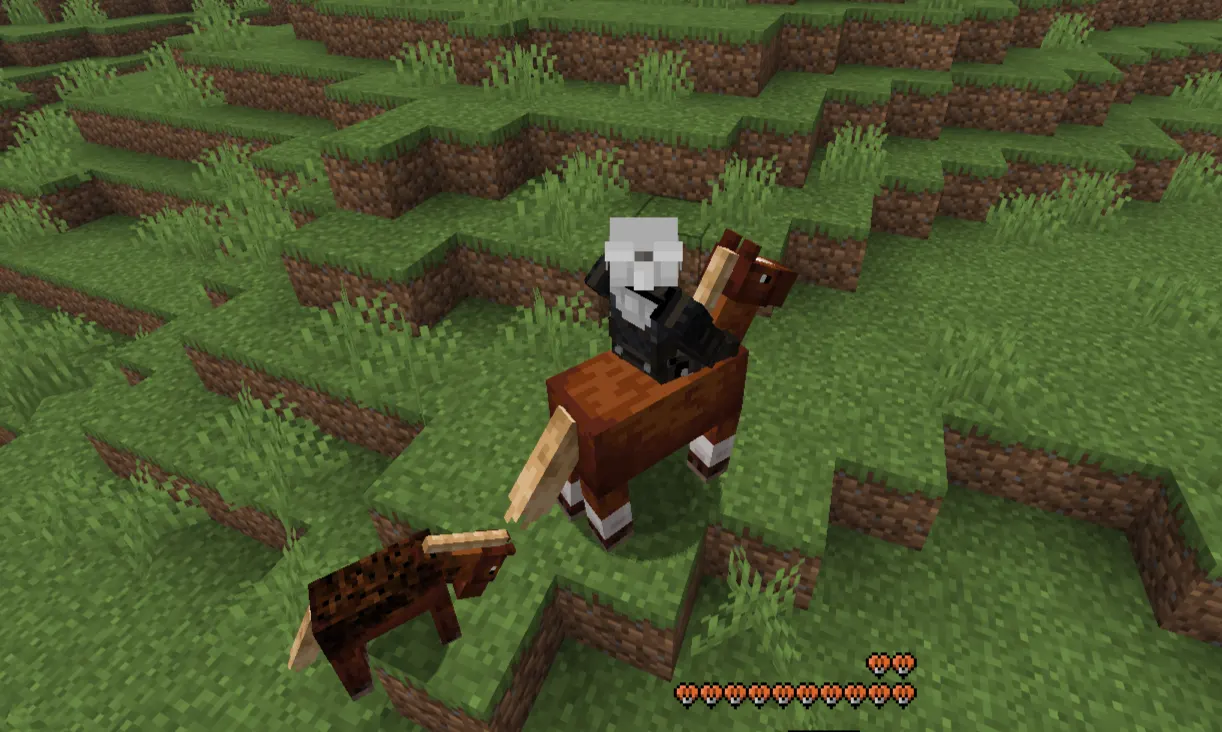
Flat land is a long-term asset. Most advanced Minecraft builders eventually terraform. In Plains, you skip that entire phase. Your mega base, your farm complex, your Redstone sprawl, it all goes on the flat ground that's already there.
Disadvantages
Wood is scarce. The sparse oak trees in the plains are not enough for any serious construction push. You'll need to find a neighboring forest or aggressively plant saplings from day one. This is the most consistent early-game friction in Plains Survival.
No natural shelter. In a forest, you can sleep between trees. In a mountain,n you can duck into a cave. In plains, you're exposed. If you haven't built something by first nightfall, there's nowhere to go.
Nothing unique underground. The plains biome doesn't affect cave or ore generation. What's below the surface is identical to any other biome. The biome's entire value is on and above the surface.
Best Uses of the Plains Biome
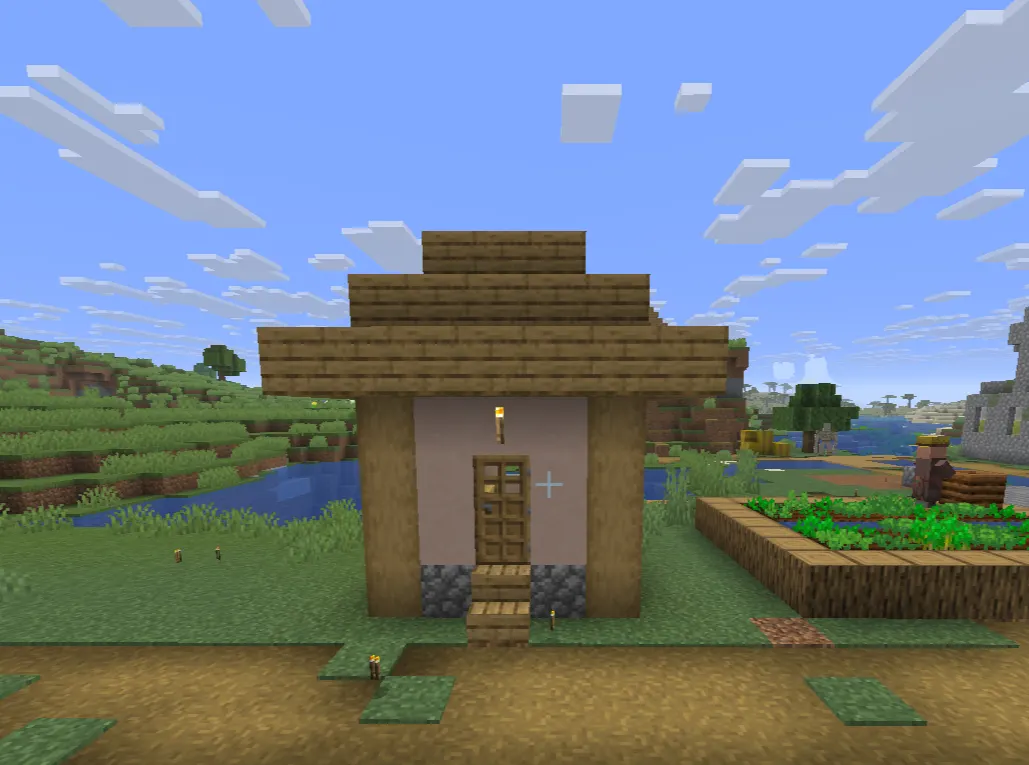
Mega bases. Wide, flat land with no terraforming required is the single biggest draw for large-scale builders. Castle walls, sprawling bases, and multi-structure compounds are all easier here.
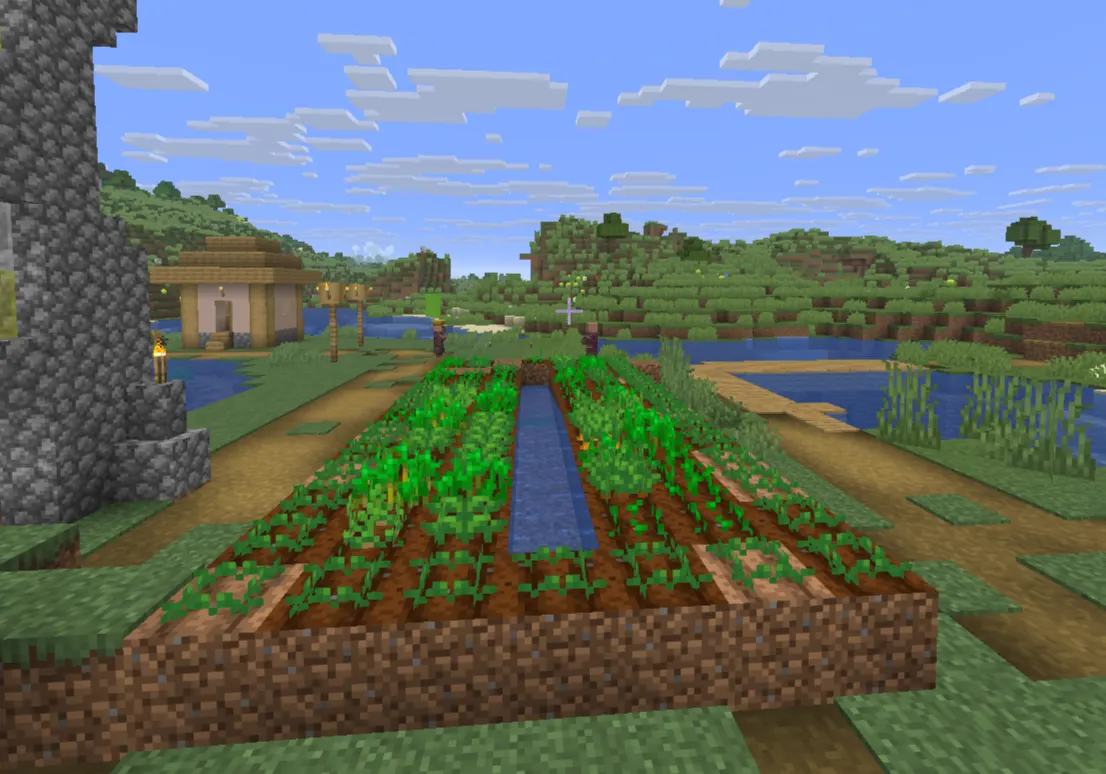
Industrial farming. Flat terrain,s stable weather, plus seed density, plus nearby villages for crop trading, creates the most efficient farming setup in the game. Scale up to 200x200 wheat farms without grading a single hill.
Redstone engineering. Complex Redstone builds require flat, predictable surfaces. Plains are the natural home for sorting systems, flying machines, and automated farms that would be frustratingly awkward on uneven terrain.
Villager trading halls. Villages already spawn here. Expanding the existing population into a full trading hall is a fraction of the effort it takes in other biomes, where you'd need to import villagers manually.
Horse breeding programs. If you want multiple high-speed horses or a stable of donkeys for mule breeding, Plains is the only biome where the source material is reliably available from spawn.
Plains Biome Survival Guide Step by Step
Day 1
Collect wood immediately, even 20–30 logs from the scattered plains oaks are enough to start. Craft a Crafting table, a wooden pickaxe, and then stone tools before dusk. Scout for a village while mining; if one is visible, head toward it.
If no village is in range, dig a 3-block deep hole with a 1-block roof and a torch. Ugly, but it works. Do not try to fight hostile mobs in open plains on day one without armor. The flat terrain that helps you see enemies also means they see you with no cover to duck behind.
Day 2–3
If you found a village: claim a bed, raid the chests for food and materials, and identify the blacksmith building for early iron tools. Break hay bales for wheat. Start a small enclosed farm plot inside or near the village.
If no village: prioritize a stone axe and start planting seeds from tall grass. Get coal from surface outcrops or shallow caves and Craft torches. Light your immediate area before the second night.
Food Strategy
Kill two or three cows and cook the beef on your first night. This gives you 8–12 food points to work with while you get farming set up. Bread from wheat is your reliable mid-term food source, and you can have a functional wheat operation going by day three if you prioritize it.
Base Setup
Build your Base near a village close enough to trade easily, far enough that you're not inside the village boundary (which causes golem interference and makes expansion messy). 200–300 blocks away is the sweet spot.
Build a fence or a 2-block wall around your perimeter on day two. Plains offer zero natural barriers. Even a simple enclosure dramatically cuts the mob pressure at night.
Mistakes to Avoid
Sprinting toward a forest immediately. You lose the village, the horses, and the flat building ground in exchange for easier wood access. The wood problem is solvable. The other advantages aren't available in a forest.
Why Advanced Players Prefer Plains Biomes
This isn't about beginners playing it safe. Experienced Minecraft players, the ones who plan long-term worlds, build elaborate farms, or run survival challenges, actively choose plains as their base biome. Here's why.
Efficiency over aesthetics. Every hour spent terraforming a mountain base or importing villagers from another biome is an hour not spent progressing. Plains eliminates both problems from the start.
Scalability. A plain base can expand in any direction indefinitely. You don't hit a cliff, a ravine, or a water body that requires massive bridging work. Your initial base design can scale to 10x its starting size without redesigning the foundation.
Trading hall ROI. The most powerful mid-to-late game mechanic in Minecraft survival is villager trading, getting enchanted books, mending, silk touch, and efficiency V at controlled prices. Plains is the only biome where you can set up a full trading hall from a naturally spawned village within the first week of a world.
Visual clarity during raids. When a pillager raid happens, and if you play in the plains, it eventually will, the flat terrain lets you see every wave coming. No elevated ground for pillagers to shoot from, no terrain blocking your arrows. Raids in plains are the easiest version of raids in the game.
Mob farm placement. Dark, enclosed mob farms need to compete with the world's natural spawning. Building a mob farm in plains and lighting the entire surface area around it is more feasible than in a biome with complex terrain, where lighting every spawnable surface is a multi-day project.
Common Mistakes Players Make in the Plains Biome
Ignoring the village bell. Ringing the bell at night sends all villagers indoors and aggros nearby zombies toward the bell's location. You can stand on a roof and clear the mob cluster safely. Most players walk past the bell every night and never use it.
Not planting saplings immediately. The four or five oak trees in the plains are gone within the first hour. Players who don't replant within the first two days spend day three walking to a forest for wood. One stack of saplings planted in rows solves this for the entire world.
Skipping horses. Horses are one of the highest-value early resources in plains survival, and most players walk past them until mid-game. A saddle comes from village chests or dungeon loot. Taming a horse takes minutes. The travel speed advantage from day two onward is significant.
Building inside the village. It feels convenient, but living inside your village means going around your base on a golem path, villager trading routes conflict with your corridors, and zombie sieges happen right in your living room. Build close, not inside.
Leaving large dark areas near the base. The flat terrain that makes plains great for building also creates an enormous unlit surface area. Players who skip systematic lighting end up with mob clusters spawning 20 blocks from their front door every single night.
Treating plains as a temporary base location. Some players set up in plains for convenience and plan to move to a "better" biome later. There is no better biome for most of what Minecraft asks you to do. The players who commit to plains from day one and build up a proper trading hall and farm system there almost always outpace the players who go looking for something more interesting.
Best Plains Biome Seeds (Java Edition 1.21)
Plains Biome Seeds are:
Seed: 8624896 Spawn adjacent to a plains village with a blacksmith chest. An iron pickaxe is available within the first five minutes. Best possible start for a new survival world.
Seed: -1813745601 Large plains biome bordering a sunflower plains to the east. Three villages within 500 blocks of spawn. Good for players building a trading network.
Seed: 3257840388504953787 Extended plains stretching over 2,000 blocks with a pillager outpost at roughly 200, 64, 350. Near-ideal for building a plains empire with an early raid challenge.
Seed: 107038380838084 Plains village sitting directly next to a ravine. Underground access from day one means you're in iron armor before day three if you push it.
Seed: -543615018 Sunflower plains spawn with a woodland mansion visible on the horizon. Not for beginners but for players who want the highest risk, highest reward plains start available.
Verify seeds match your specific version before committing to a world. Biome placement shifts across major updates.
Plains Biome vs Other Biomes\

The comparison question comes up constantly: Is the plains biome actually better, or just more accessible?
Plains vs Forest
Forest wins on wood, that's the only category. But forests are hilly, have limited mob visibility, rare village spawns, and no horses. For anything beyond early wood gathering, the plains are more functional. Most experienced players treat forests as a resource trip from a plains base, not a home biome.
Plains vs Desert
Desert is also flat and does generate villages, but it has no passive food mobs, no wood whatsoever, and hostile husks that don't burn in daylight. You need to solve the wood and food problems before you can do anything else. Plains gives you both for free.
Plains vs Taiga
Taiga is rich in spruce wood, foxes, wolves, and berry bushes for easy food. But the terrain is rough, and villages are less common. Taiga is a strong mid-game biome but requires more early legwork than plains.
Plains vs Swamp
Swamp has slimes, which matter for Redstone and lead crafting. But the terrain is broken and marshy, hostile mobs are constant, and there's no functional farming or building advantage. Swamp is a resource biome, not a base biome.
The honest summary: Plains wins on early game efficiency, building potential, and long-term scalability. Every other biome has one category that beats the plains in. Plains wins more categories overall.
Pro Tips: What Most Players Never Figure Out
Biome borders are the real prize. The flat ground at the center of the plains is good. The edge where plains meet forest is better, you get flat building land with dense wood a short walk away. Build your base at a plains-forest border, and both biomes work for you.
Bee nests attach to oak trees near flowers. Plains has both. Before you craft a beehive, check nearby oak trees for naturally attached nests. Moving a nest with silk touch and a campfire underneath is faster than farming 3 honeycombs to build one.
Pillager outpost farms. Once you're set up, outposts respawn pillagers indefinitely. Building a farm around a pillager outpost in plains using the flat terrain to your advantage gives you crossbows, experience, and ominous banners for on-demand raids.
The village bell aggro trick. Ringing the village bell highlights all nearby mobs with a glowing effect and aggroes them toward the bell. Combined with a roof position, this is the safest way to clear zombie sieges on nights when a raid hasn't been triggered.
Don't waste the hay bales. Village farm plots and buildings contain hay bales. Each one breaks into 9 wheat. Before you've set up your own farm, these are your most immediate food sources, often overlooked because players don't think to break them.
Conclusion
Most players never give the plains biome a fair evaluation. They see flat grass, assume it means boring, and miss everything it's actually offering: the fastest village access, the only early-game horses, the best natural farming setup, and more buildable land than any other biome in Minecraft.
The players who do figure it out, who set up a trading hall in week one, tame a horse on day two, and plant a 100-block wheat farm before the first creeper blows up their door, those players look back at their previous worlds and wonder why they ever started anywhere else.
Plains isn't the boring biome. It's the one that rewards players who know what they're looking at.
Start there. Build there. Stay there. Your next survival world will be your best one.