Eyes of Ender are the textbook way to track down a Stronghold. Throw one, watch where it flies, repeat until you're staring at cracked stone bricks underground. Fine method. But it costs Blaze Powder and Ender Pearls, which means killing Blazes, hunting Endermen, or trading with Piglins, and doing all of that before you even reach the End.
There are faster ways. Some cost nothing. This guide covers every method that works: the village trick, world seed tools, cave exploration, generation math, and what speedrunners do when they need a Stronghold in under ten minutes.
Quick Answer
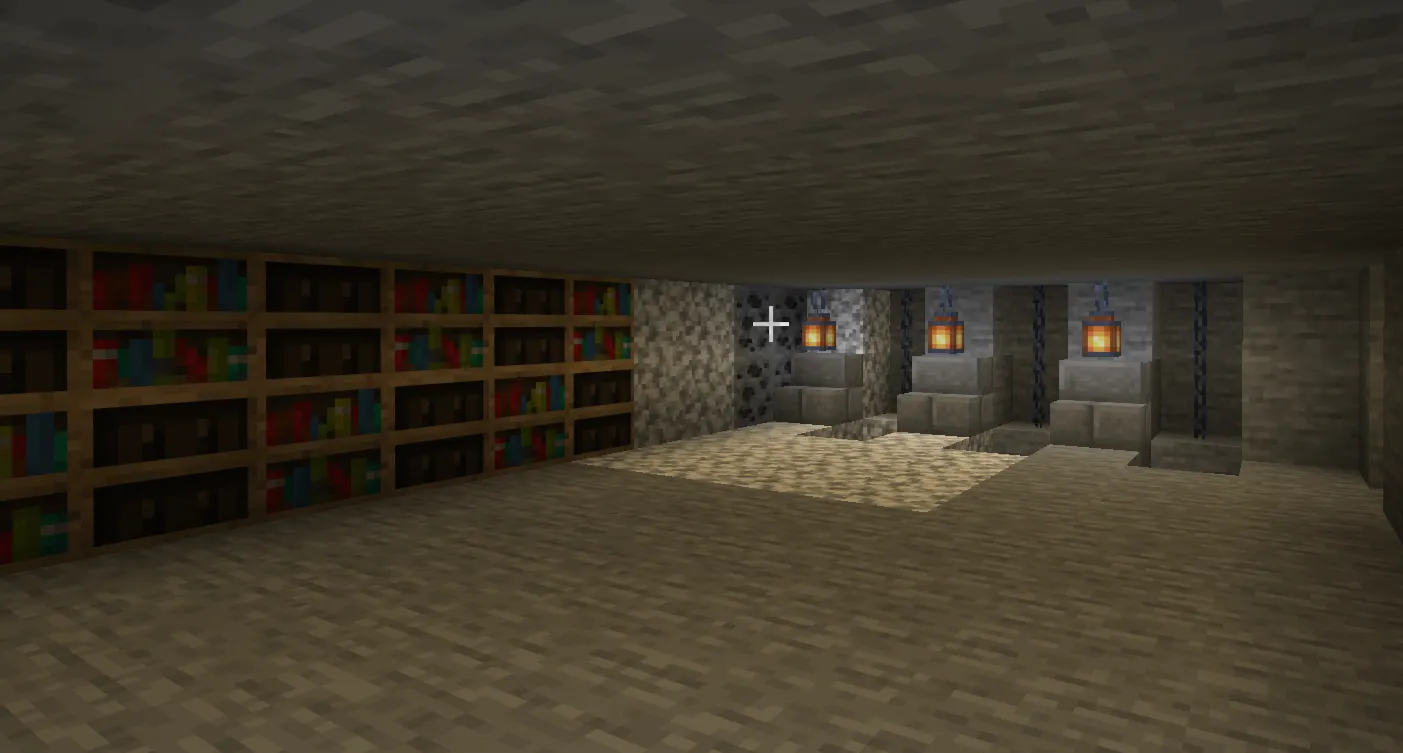
Yes, you can find a Stronghold without Eyes of Ender. The most reliable low-resource method is to find two villages close together and dig straight down near either well. Strongholds generate disproportionately beneath village wells in Java Edition. If you have your world seed, plug it into Chunkbase for exact coordinates. No throws needed.
Can You Find a Stronghold Without Eyes of Ender?
Yes, and players do it, especially speedrunners.
Eyes of Ender are navigation, not a prerequisite. The Stronghold exists in your world, whether you've crafted a single Eye or not. All the Eye does is point at something that already has fixed coordinates, which you can figure out in other ways.
There are five main approaches:
-
Checking for nearby villages (especially clustered ones)
-
Using your world seed with Chunkbase
-
Exploring caves and strip mining at the right depth
-
Applying generation ring math with your coordinates
-
Speedrunner triangulation techniques
The right one depends on where you are in the game and what you have available.
How Strongholds Generate in Minecraft
This part matters. Understanding the generation system is what makes every method below actually work, not just as a tip to follow blindly, but as a pattern you can reason about.
Strongholds generate in concentric rings around the world origin (0, 0). Each ring contains a fixed number of Strongholds at a set distance range from the center. In Java Edition:
|
Ring |
Strongholds |
Distance from Origin |
|
1 |
3 |
1,280–2,816 blocks |
|
2 |
6 |
4,352–5,888 blocks |
|
3 |
10 |
7,424–8,960 blocks |
|
4 |
15 |
10,496–12,032 blocks |
|
5 |
21 |
13,568–15,104 blocks |
|
6 |
28 |
16,640–18,176 blocks |
|
7 |
36 |
19,712–21,248 blocks |
|
8 |
9 |
22,784–24,320 blocks |
Java has 128 Strongholds total. Bedrock has no ring system and no hard cap; they scatter more randomly throughout the world.
In Java, Strongholds generate at Y=10–40. Always underground, usually deep, and often intersecting cave systems.
Stronghold Rings and Distance From Spawn
Ring 1 is the target for most players. Three Strongholds, 1,280–2,816 blocks from origin, roughly 120 degrees apart from each other. That geometry matters; once you have a rough direction toward one, you've also narrowed down the position of the other two.
The "nearest Stronghold" isn't measured from your spawn point; it's measured from X=0, Z=0. If you spawned at 0,0, those Ring 1 Strongholds are 1,300–2,800 blocks from you. If you spawned at 3,000 blocks from the origin, you may have already walked past Ring 1 without knowing it.
Check your spawn coordinates first (F3 on Java, coordinates display in Bedrock settings). If you spawned far from the origin, you need to factor that in when estimating where to look.
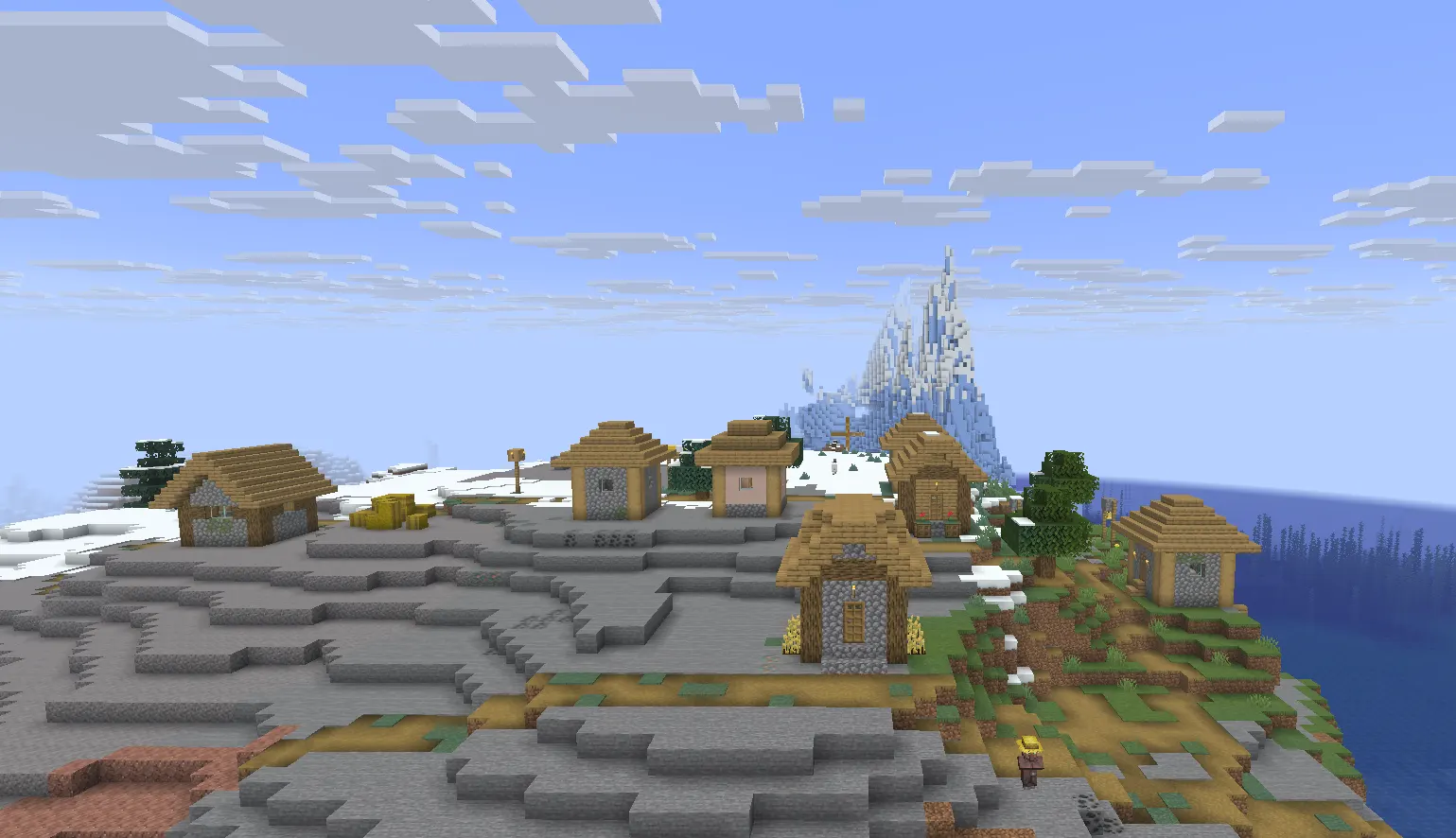
Method 1 — Strongholds Under Villages
This is the most consistent method for players who haven't gone to the Nether yet and don't want to.
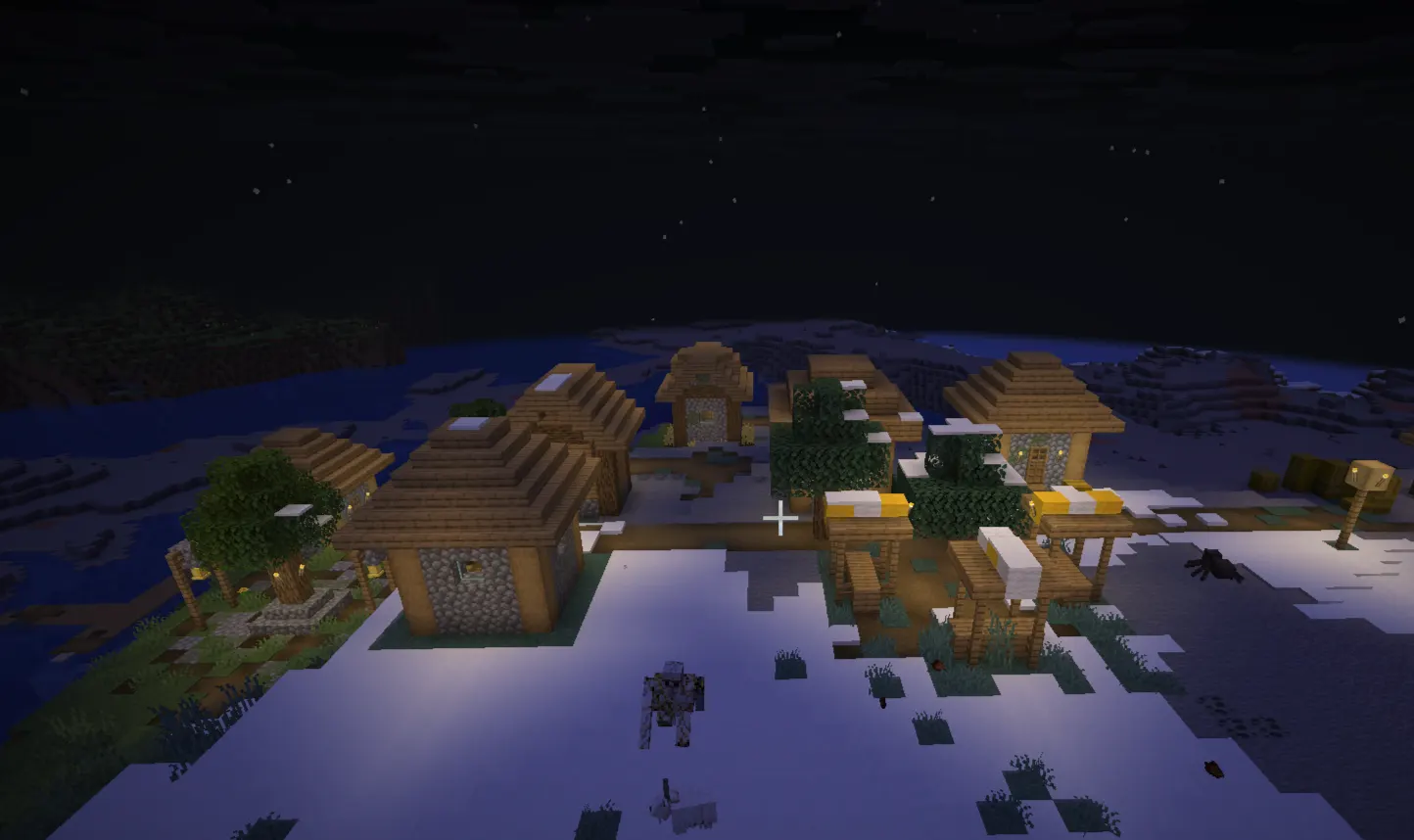
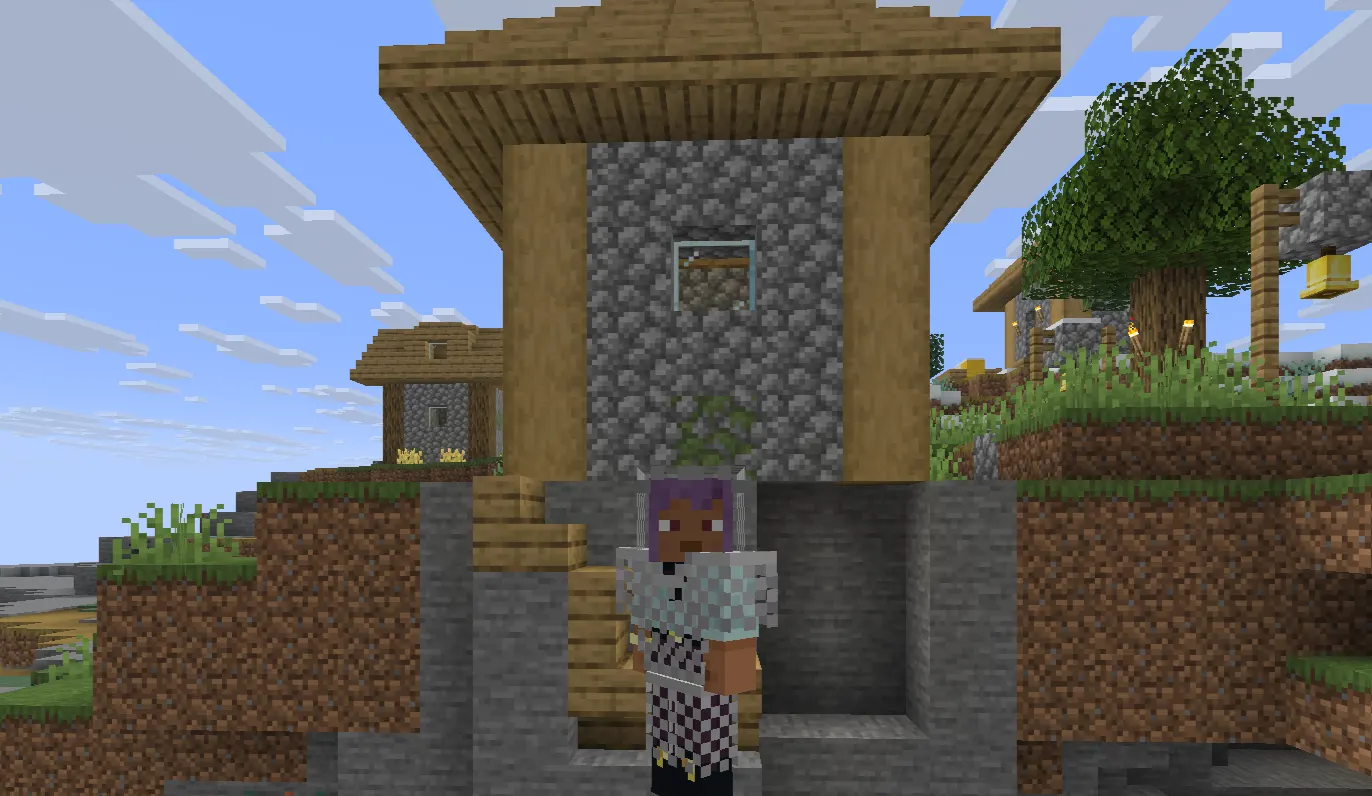
The connection between villages and Strongholds comes down to how world generation works. Both structures use the same seed-based calculations. Strongholds generate at fixed ring positions, and villages can generate on top of them. When that happens, the Stronghold sits directly under the village — often under the well, which is the structural center.
It's not guaranteed every run, but experienced players check for it every time. In Java speedrunning, two villages close together are a legitimate signal worth acting on.
Steps:
-
Explore early and look for villages within 500–1,500 blocks of spawn
-
If you find two villages within a few hundred blocks of each other, this is worth testing
-
Go to the village well (the stone structure at the center)
-
Dig straight down from the well
-
Below Y=40, start strip mining outward from your shaft
-
Look for cracked stone bricks, mossy stone bricks, or stone brick slabs
The shaft won't land you in a room necessarily, but it'll get you into the right chunk. From there it's a short explore.
This works most reliably in Java Edition. Bedrock's generation doesn't have the same village-to-Stronghold correlation.
Method 2 — World Seed Tools (Chunkbase)
If you know your world seed, every Stronghold in your world has a calculable location. This is the most precise Eye-free method available, and it works in both editions.
What's a world seed?
A seed is the number Minecraft uses to generate your entire world — terrain, Biomes, structures, everything. It's deterministic: the same seed, the same version, always produces the same world. Same Strongholds. Same coordinates.
Finding your seed:
-
Java Edition: /seed in chat (works in Survival on most servers, not all)
-
Bedrock Edition: World settings menu
-
Seed hidden or disabled: External seed-finding tools exist, but they're complicated — easier to ask the server admin
Using Chunkbase:
-
Go to chunkbase.com/apps/stronghold-finder
-
Paste your seed in the seed field
-
Select your edition and version number (version matters — see below)
-
Strongholds appear as icons on the map
-
Click an icon for coordinates — Chunkbase shows both chunk and block coordinates
Chunkbase uses the same algorithm Minecraft does. The coordinates will be within a few blocks of the actual structure entrance.
Version accuracy is the most common mistake people make. If your world is 1.20 but you select 1.18 in Chunkbase, the coordinates will be wrong. Match the version exactly.
Method 3 — Cave Exploration and Strip Mining
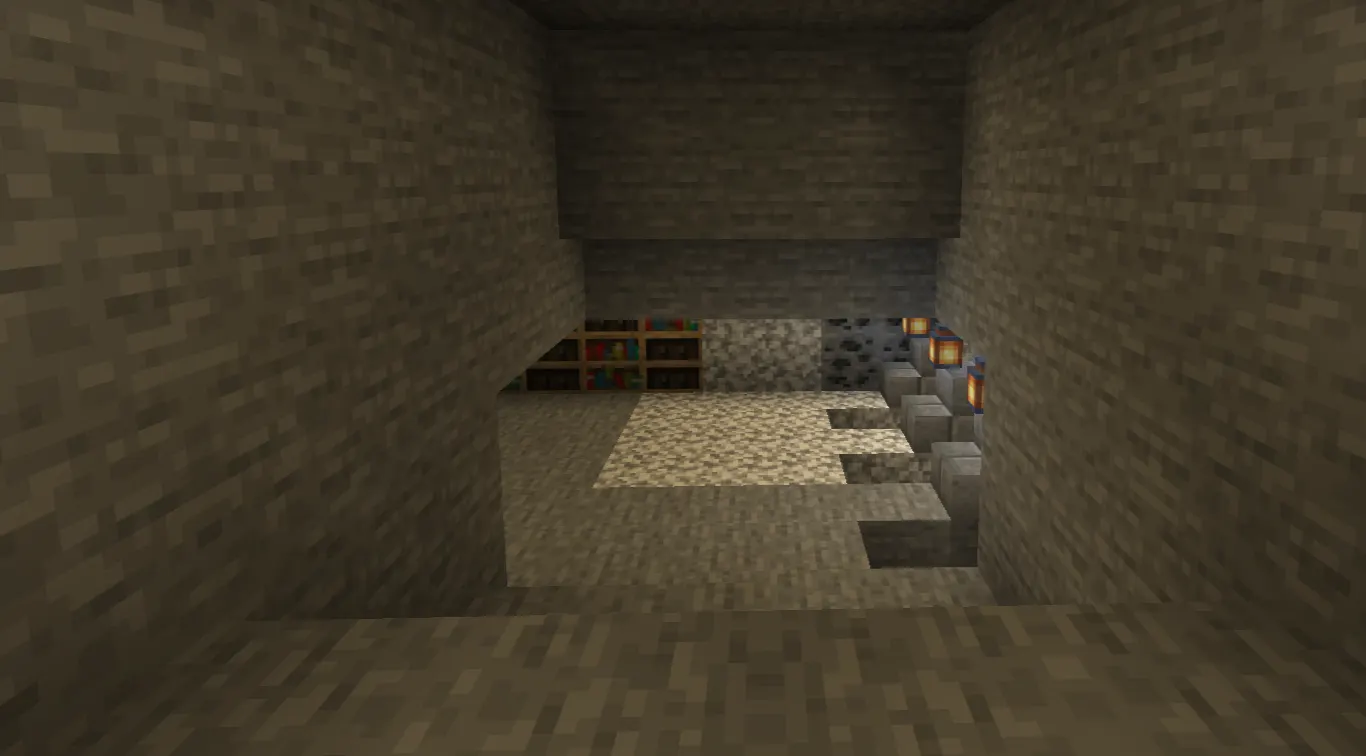
The least targeted method, but it's how most survival players first stumble onto a Stronghold.
Strongholds generate at Y=10–40. If you're doing deep strip mining or exploring cave systems at diamond level, you're already in the right depth range. You just need to know what to look for.
What a Stronghold looks like when you find it:
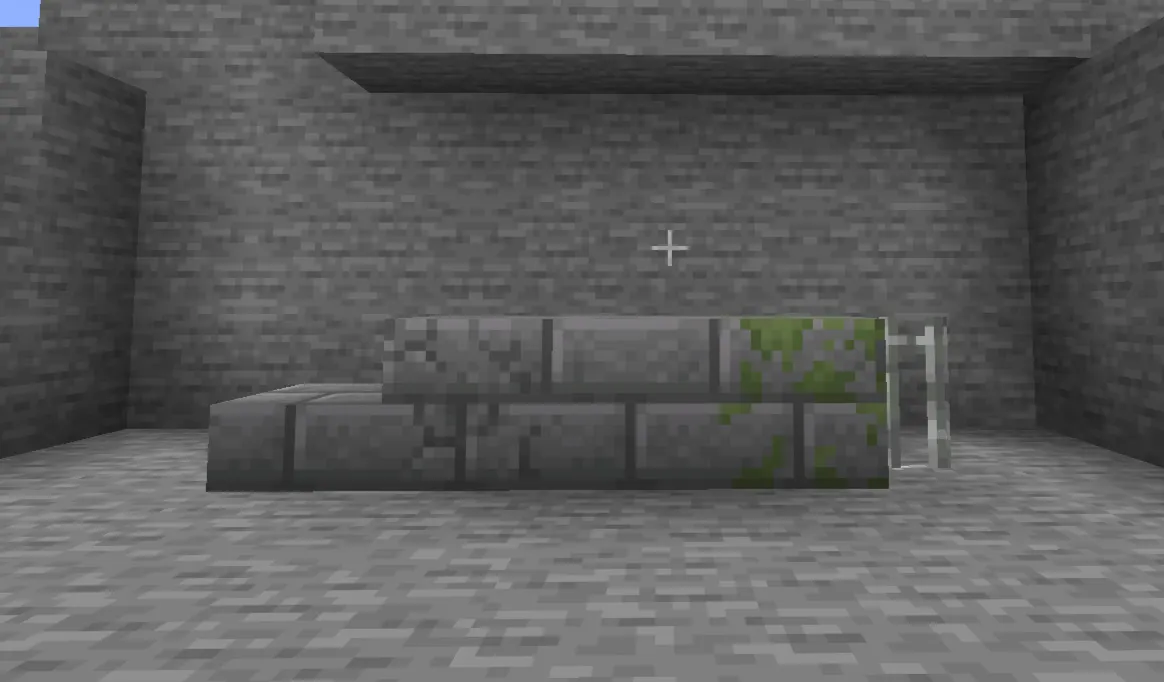
-
Stone bricks — more uniform than natural stone, darker than cobblestone
-
Mossy stone bricks (greenish tint)
-
Cracked stone bricks (darker, damaged-looking)
-
Iron bars across openings
-
Wooden doors in stone frames
-
Stone brick slabs (not cobblestone slabs)
Strongholds and cave systems intersect constantly. A full Stronghold spans dozens of rooms — if you're caving deep enough, running into one is more a matter of when than if.
Strip mining systematically:
Strip mine at Y=20 heading in the direction your ring math suggests. Corridors at 2-block spacing will clip a Stronghold if you're in the right area. It's slower than the village or seed method, but it works.
Method 4 — Coordinates and Ring Math
No seed. No Chunkbase. Just your coordinates and the ring system.
Ring 1 has three Strongholds, 1,280–2,816 blocks from the origin, 120 degrees apart. You can use that geometry to search without any tools.
How to do it:
-
Enable coordinates (F3 on Java, or toggle in Bedrock settings)
-
Find your distance from origin — Pythagorean math or just estimate: sqrt(X² + Z²)
-
Head out in a cardinal direction until you're 1,500 blocks from the origin
-
At that distance, do periodic 30-block digs down to Y=25, then mine outward briefly
-
Move 300 blocks along the ring and repeat
-
Cover three quadrants at 1,500–2,000 blocks from the origin, and you'll usually hit something
Ravine shortcut:
Deep ravines (Y=15 or lower) sometimes cut through Stronghold walls. If you find a ravine, scan its walls for stone bricks before moving on. Plenty of players found their first Stronghold this way — they were looking at ravine walls for ore and spotted something that didn't fit.
This method is slow. But it's pure — no external tools, no resources spent.
Method 5 — How Speedrunners Do It
Speedrunners have the most refined Stronghold-finding process in the community, and most of it doesn't rely on Eyes of Ender as the primary tool. Eyes get used for precise final triangulation, after the area is already narrowed down.
The village scouting meta:
-
Find the first village (food, beds, supplies)
-
Look for a second village within ~200 blocks of the first
-
Note both well locations
-
Average the coordinates — dig at the midpoint
-
Go down with stone picks, move fast
Two nearby villages mean the Stronghold is likely underneath. Community seed databases have confirmed this pattern across thousands of seeds.
The blind-travel method:
Some runners go fully blind — no Eyes, no villages. They run to roughly 1,500 blocks from the origin in the most promising direction, dig to Y=20, and run corridors. With practice, you can find a Stronghold in under 10 minutes of in-game time this way.
Nether-free challenge runs:
Some categories ban the Nether entirely — no Blaze Powder, no Eyes of Ender. These runners use village scouting and seed tools exclusively. Several have sub-30-minute Nether-free completions. It's not a gimmick; it's a real strategy.
Full Chunkbase Walkthrough
-
Type /seed in Minecraft (Java) or check world settings (Bedrock) — write down the number
-
Open chunkbase.com in a browser
-
Click "Apps" in the top navigation
-
Select "Stronghold Finder"
-
Paste your seed into the seed field
-
Select your edition (Java or Bedrock)
-
Set the version to match your world — this is important
-
Strongholds appear as icons on the map
-
Hover or click an icon to see coordinates
-
If coordinates are in chunks, multiply by 16 to get block coordinates
The coordinates point to the starting room of the Stronghold. The structure extends in multiple directions from there. Once you dig down to that chunk at Y=20–30, run corridors in all four directions until you hit stone bricks.
Java Edition vs Bedrock Edition
|
Feature |
Java Edition |
Bedrock Edition |
|
Total Strongholds |
128 |
Unlimited |
|
Ring system |
Yes (8 rings) |
No |
|
Village correlation |
Strong |
Weaker |
|
Chunkbase support |
Yes |
Yes |
|
Y-level generation |
10–40 |
20–40 (typically) |
|
Distance from spawn (closest) |
1,280+ blocks from origin |
Variable can be closer |
|
End Portal present |
Yes |
Yes, rarely incomplete |
|
Layout predictability |
Higher |
More varied |
Bedrock Strongholds can occasionally generate within 800 blocks of spawn in certain seeds — something that doesn't happen in Java's Ring 1, a minimum of 1,280 blocks. On Bedrock, skip the village method and go straight to Chunkbase.
Signs You're Near a Stronghold
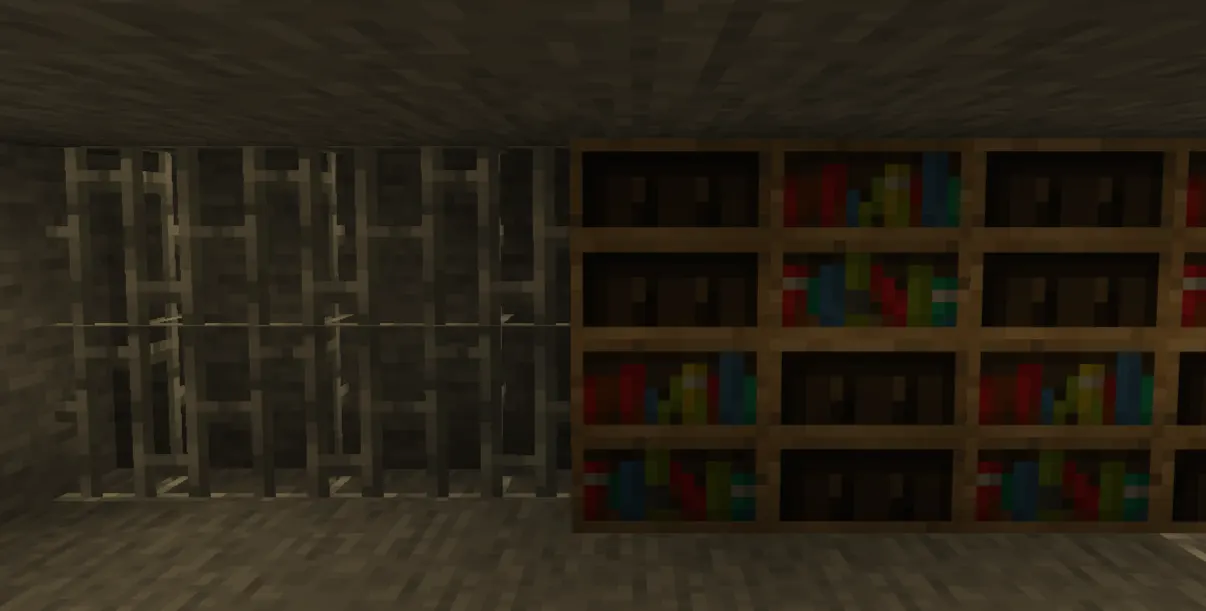
You might be in the right area and not know it. Look for:
In cave or ravine walls:
-
Stone brick texture appearing where natural stone should be
-
Iron bars visible through openings
-
Wooden doors in stone frames (not plank doors)
-
Stone brick stairs or slabs mixed into the wall
In cave structure:
-
Corridors that are too straight or square to be natural
-
Rooms with perfectly flat ceilings
-
Sand or gravel falls that reveal stone bricks underneath
Audio:
-
Silverfish sounds in deep caves — these spawn from infested stone blocks in Strongholds
-
Silverfish appear when you mine what looks like regular stone
That last one is worth emphasizing. If you mine a stone block and a Silverfish pops out, you're in a Stronghold or right next to one. Infested stone looks completely identical to normal stone — you'd never know without mining it. Don't panic when it happens. It means you're in the right place.
Finding the End Portal Room Faster
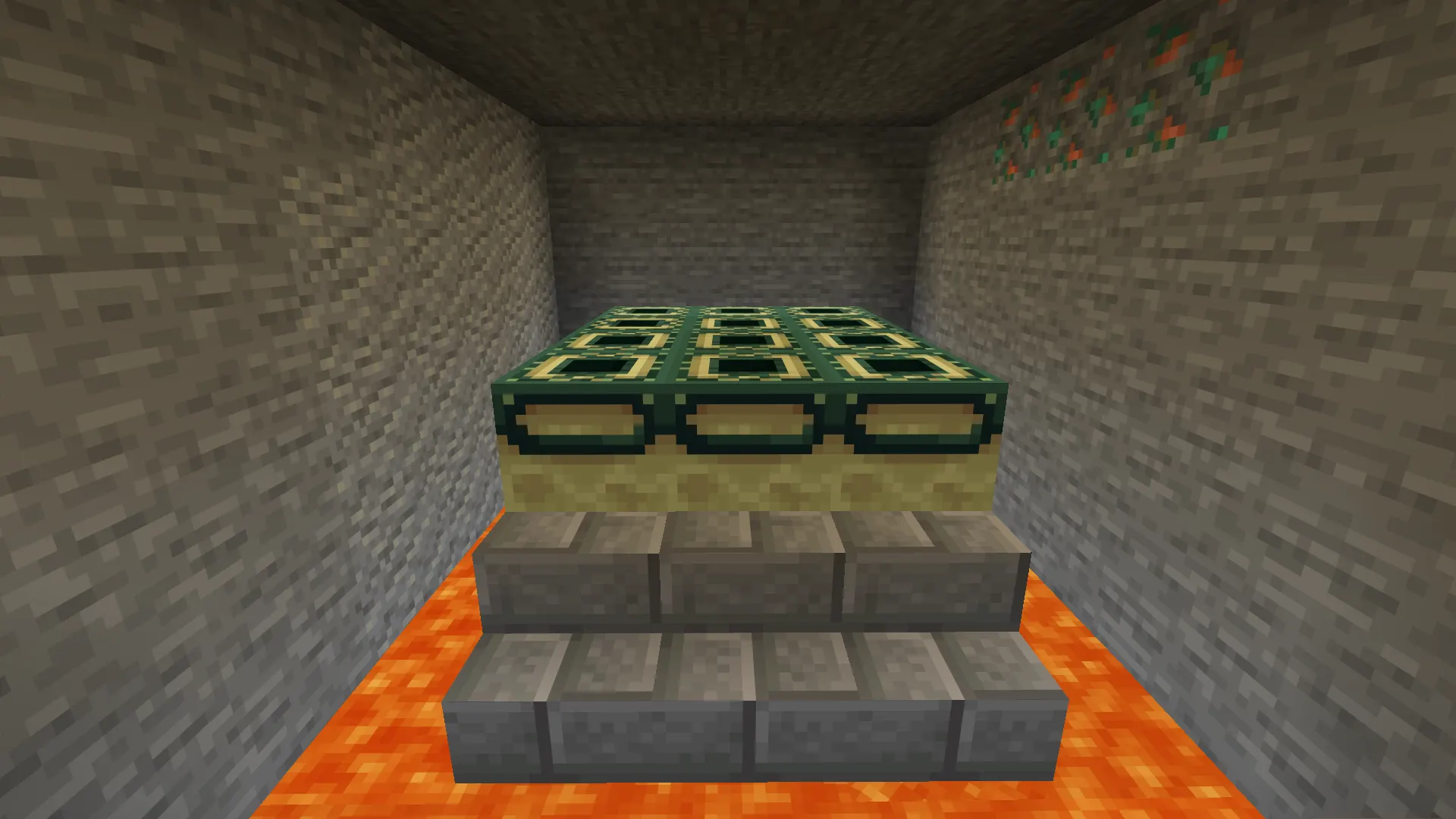
The Stronghold is a maze. The Portal Room — where you activate the End — is buried deep in it, and the layout doesn't make it obvious.
Navigation:
-
The Portal Room is located toward the lower-center of the Stronghold structure
-
Always take the stairs down when you see them
-
The Portal Room is recognizable: a 3-block-high space with lava below the portal frame and a staircase leading up to it
-
It also has a faint ambient sound — a low rumble that gets louder as you get closer
-
Place torches only on the left side of corridors as you explore; on the way back, torches on your right = you're heading out
Room-based navigation:
-
Library rooms (bookshelves, usually two floors) appear in the lower section — if you find the library, head away from it and down
-
Prison cell corridors (iron bars, small rooms in a row) appear throughout — keep moving through them
-
The Portal Room doesn't connect directly to the library
Lava shortcut:
Lava in a Stronghold almost always comes from the Portal Room or an adjacent room. If you see an orange light through a wall or hear dripping lava, mine toward it.
Common Mistakes
Digging down without targeting anything. Strongholds are large but not infinite. Digging randomly in the right area can still miss. Use the village well or Chunkbase to get within 100 blocks before digging.
Running away from Silverfish, the Silverfish stone looks like regular stone, cobblestone, or stone bricks. Mine it, Silverfish comes out, and it alerts others nearby. Don't fight them — just walk away for a few seconds. They'll de-aggro. Then keep going.
Confusing Mineshafts for Strongholds. Mineshafts have wooden planks, fences, and rails. Strongholds have stone bricks. Wooden supports mean you're in a Mineshaft. Different structure.
The wrong version in Chunkbase Generation has changed significantly between versions. 1.18+ worlds have different Stronghold positions than 1.17 and older. Always match the Chunkbase version setting to your actual world version.
Giving up inside the Stronghold. Strongholds have 40–150 rooms, depending on generation. The Portal Room is always in there (with extremely rare exceptions). If you've been wandering for 10 minutes and haven't found it, keep going, don't leave, and start over.
Stronghold Facts Most Players Don't Know
-
Silverfish-infested blocks are a built-in marker. Any area with infested stone bricks is inside or adjacent to a Stronghold — you just can't tell without mining them.
-
Some seeds generate End Portal frames with all 12 Eyes already inserted. If you find a fully pre-filled portal, you can enter the End without Crafting a single Eye of Ender.
-
The Portal Room always has a Silverfish spawner directly beneath the portal frame. Don't stand on it while filling the remaining frames.
-
A small number of Strongholds in Java Edition generate without a Portal Room — a documented generation edge case, not a myth.
-
Strongholds can intersect Mineshafts, Dungeons, and ravines. The overlap is confusing, but it also makes them easier to stumble upon from multiple angles.
-
Bedrock Edition behaves slightly differently across platforms (mobile, console, PC), though all are technically "Bedrock."
Stronghold Loot
Three chest types in the Stronghold:
|
Location |
Notable Loot |
|
Storage rooms |
Iron ingots, bread, coal, redstone |
|
Library (ground floor) |
Books, paper, compass, bread |
|
Library (upper floor) |
Same as the ground floor, enchanted books sometimes |
|
Portal Room |
The library is the best early-game loot room. Enchanted books from library chests can include useful enchantments, and the bookshelves themselves are worth collecting for an enchanting table setup. If there's a two-floor library, clean it out before activating the portal.
The pre-filled Eyes in the portal frames also matter — every frame that's already filled is one fewer Eye you need to source.
Playing Through Without Eyes of Ender
The standard Minecraft progression goes Overworld → Nether → End. But none of that is mandatory in that order. Finding the Stronghold first rearranges things.
Nether-free path:
-
Find the Stronghold using any method above
-
Check how many portal frames are already filled with Eyes
-
Fill remaining frames using Eyes from Cleric villager trades (Clerics sell Eyes of Ender at higher trade levels, for emeralds)
-
Gear up from Stronghold loot and normal exploration before entering
If you get lucky with pre-filled frames and have a good village trading setup, you can skip the Nether entirely. It's a real completion route.
Recommended order for Eye-free runs:
-
Get iron tools and food from early exploration
-
Find a village — beds, food, and trading access
-
Scout for a second village nearby
-
Dig at or near the village well to Y=20
-
Navigate with torches and a full food stack
-
Source remaining Eyes from Cleric trades before activating
Conclusion
Eyes of Ender are useful — but they're a pointer, not a key. The Stronghold has fixed coordinates in your world, baked in by the seed. Whether you find it through a village well, a Chunkbase lookup, a strip mine, or ring math, you're finding the same structure the Eye would have led you to.
The village method is the most practical for survival players with no Nether access. Chunkbase is faster if you have your seed. Cave exploration gets you there with patience. And if you want to do it the hard way — just coordinates and walking — that works too.
The Stronghold was always there. You just needed a different way to get to it.