Introduction
The Nether Fortress is one of the most important structures in Minecraft. Without it, you can't get Blaze Rods, you can't brew potions, and you can't kill the Ender Dragon. Everything past mid-game runs through this one structure.
The problem? A lot of players waste 30–60 minutes wandering the Nether, running in random directions, and still come back empty-handed. That's not bad luck, it's a navigation problem. Nether Fortresses follow specific generation rules, and once you understand them, finding one goes from a frustrating slog to a 5–15 minute task.
This guide covers everything: spawn rules, the fastest route method, biome selection, Java vs Bedrock differences, what to bring, and what's actually going wrong when you can't find one. Whether you're playing survival for the first time or trying to cut down your speedrun time, this guide has you covered.
Quick Answer
To find a Nether Fortress fast, travel in the positive X or positive Z direction (east or south) from your portal. Fortresses generate in bands running north-to-south, spaced roughly 200–400 blocks apart. Stay above the lava ocean and listen for Blazes. In Bedrock Edition, you may need to travel farther up to 500+ blocks before hitting the first fortress zone.
What Is a Nether Fortress?
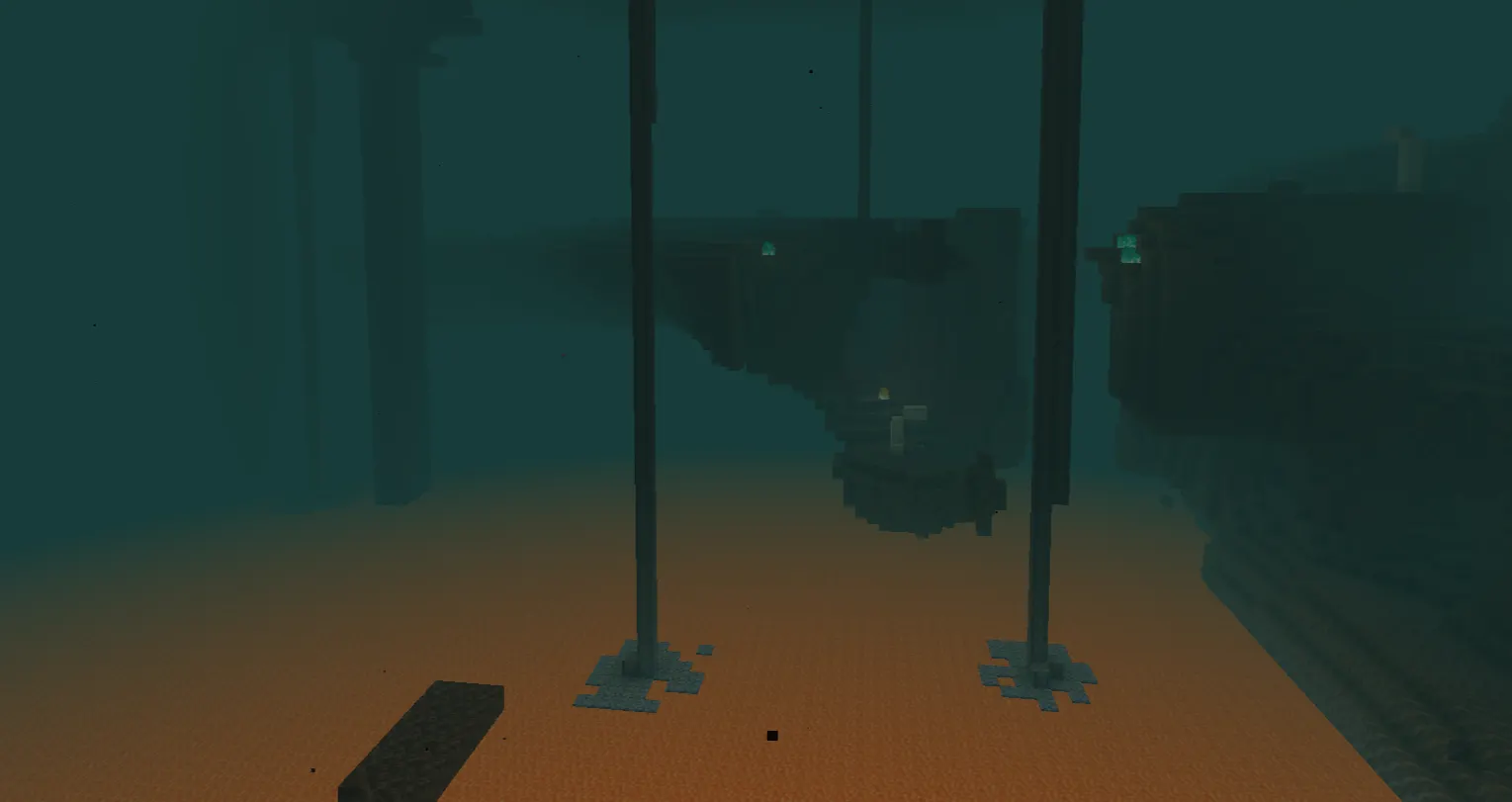
A Nether Fortress is a large, bridge-like structure made primarily of Nether Bricks. It's one of the oldest generated structures in the game, added back in Beta 1.9. Visually, it looks like a massive ruined castle — long corridors, open bridges, and a series of rooms built over the lava below.
Inside, you'll find:
-
Blaze Spawners – the only source of Blaze Rods in the game
-
Nether Wart Rooms – staircased rooms with Soul Sand and Nether Wart growing on it
-
Wither Skeleton Spawns – used for farming Wither Skulls
-
Chest Loot – horse armor, saddles, gold ingots, and occasionally Diamonds
The fortress itself has two main loop types: interior hallways and open-air bridges. Blaze Spawners almost always appear on the open-air corridor sections.
Why Players Need Nether Fortresses
The short version: you cannot complete the main Minecraft progression without finding one.
Blaze Rods are used to craft Blaze Powder. Blaze Powder fuels Brewing Stands and also combines with an Ender Pearl to make Eyes of Ender, which are required to locate and open the End Portal.
Nether Wart starts nearly every brewing recipe. Awkward Potions require it, and without Awkward Potions, you can't brew Fire Resistance, Strength, Healing, or any other useful potion.
Wither Skulls drop from Wither Skeletons that spawn inside fortresses. You need three to summon the Wither boss.
So the Nether Fortress isn't optional. It's a mandatory checkpoint on the way to the End.
Nether Fortress Spawn Rules Explained
This is where most guides get vague, but understanding the rules makes everything else click.
Generation Bands
Nether Fortresses generate in "bands" or "regions" that run north to south (along the Z-axis). Each band is approximately 200 blocks wide on the X-axis. Within each band, there's a chance for a fortress to generate — but it's not guaranteed in every chunk. Multiple fortresses can appear within the same band.
In practical terms: if you travel east or west (along the X-axis), you're crossing through new bands and giving yourself the best chance to encounter one. Traveling north or south runs parallel to the bands and is a much slower way to find one.
Chunk-Based Generation
Fortresses generate on a per-region basis (a region = 16x16 chunk grid, which is 256x256 blocks in the Nether). Within each region, a fortress has roughly a 1 in 3 chance of spawning. When one does spawn, it appears somewhere in the "valid" portion of that region, which is biased toward specific coordinates.
Distance from Spawn
Fortresses don't have a hard minimum spawn distance from the world origin in Java Edition — one can technically generate very close to your initial portal. In Bedrock, fortresses tend to generate a bit farther out. Either way, you should be prepared to travel at least 200–300 blocks from your portal before expecting to find one.
The Y-Level
Fortresses can generate at almost any Y-level in the Nether, from roughly Y=33 to Y=107. They're most commonly encountered near mid-height, but some spawn low enough that only the bottom portion is accessible above the lava ocean. If you're stuck at lava level, build up before searching.
Fastest Route Method (Main Strategy)
This is the single most effective approach for survival players who want to find a Nether Fortress without wasting time.
Travel east (positive X direction) in a straight line.
Here's the reasoning: Fortress bands run north-to-south, so moving east cuts across them perpendicularly. Every 200–400 blocks you travel east, you're entering a new potential fortress zone. Compare this to moving north — you could walk 1,000 blocks and stay in the same band the entire time.
The Route:
-
Step through your Nether portal
-
Note your X coordinate
-
Travel east (positive X) in a straight line, staying above the lava ocean
-
Every ~200 blocks, scan 100 blocks north and south of your path
-
Look for dark Nether Brick structures visible in the distance
-
Listen for Blaze sounds — a hissing, rattling noise that carries through walls
-
If you hit 400+ blocks with nothing, try moving slightly north or south before continuing east
You don't need to zigzag constantly. Keep your main direction east and do short perpendicular scans. This covers the most bands in the least time.
Pro Tip: The moment you enter the Nether, press F3 (Java) or enable coordinates (Bedrock) and write down your starting X coordinate. It's easy to lose track of how far you've traveled without it.
Step-by-Step Guide to Finding a Fortress Fast
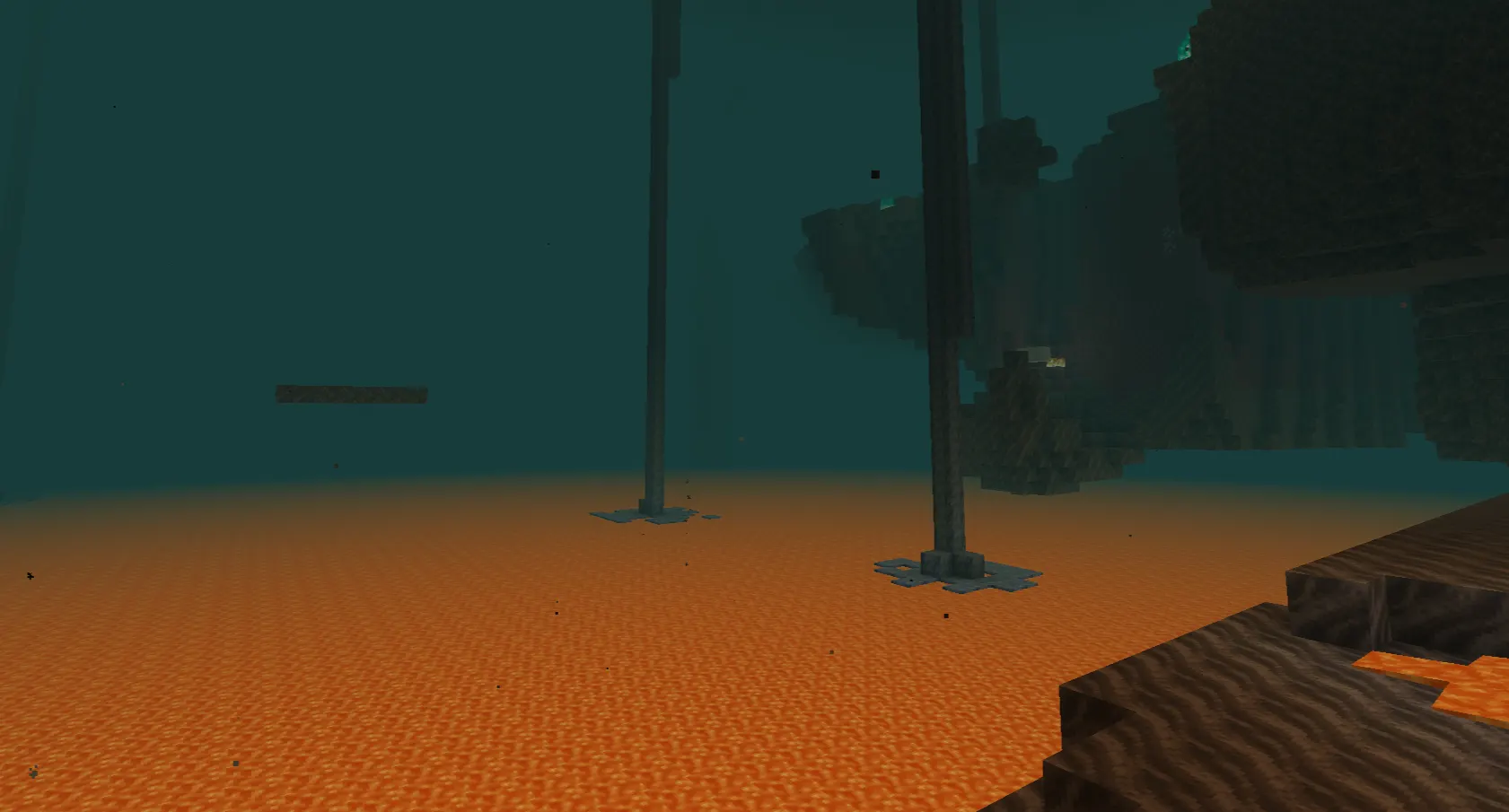
Here's the full process laid out in order:
Step 1: Gear up before entering. Bring fire resistance potions, Food, Armor (at minimum Iron), a bow, and a flint-and-steel. Don't enter unprepared — the Nether kills players who enter without armor. See the preparation checklist below.
Step 2: Build a platform near your portal. The Nether can be dark and disorienting. Place Torches or glowstone around your portal so you can find your way back. If you get lost, it's much harder to reopen a portal with limited resources.
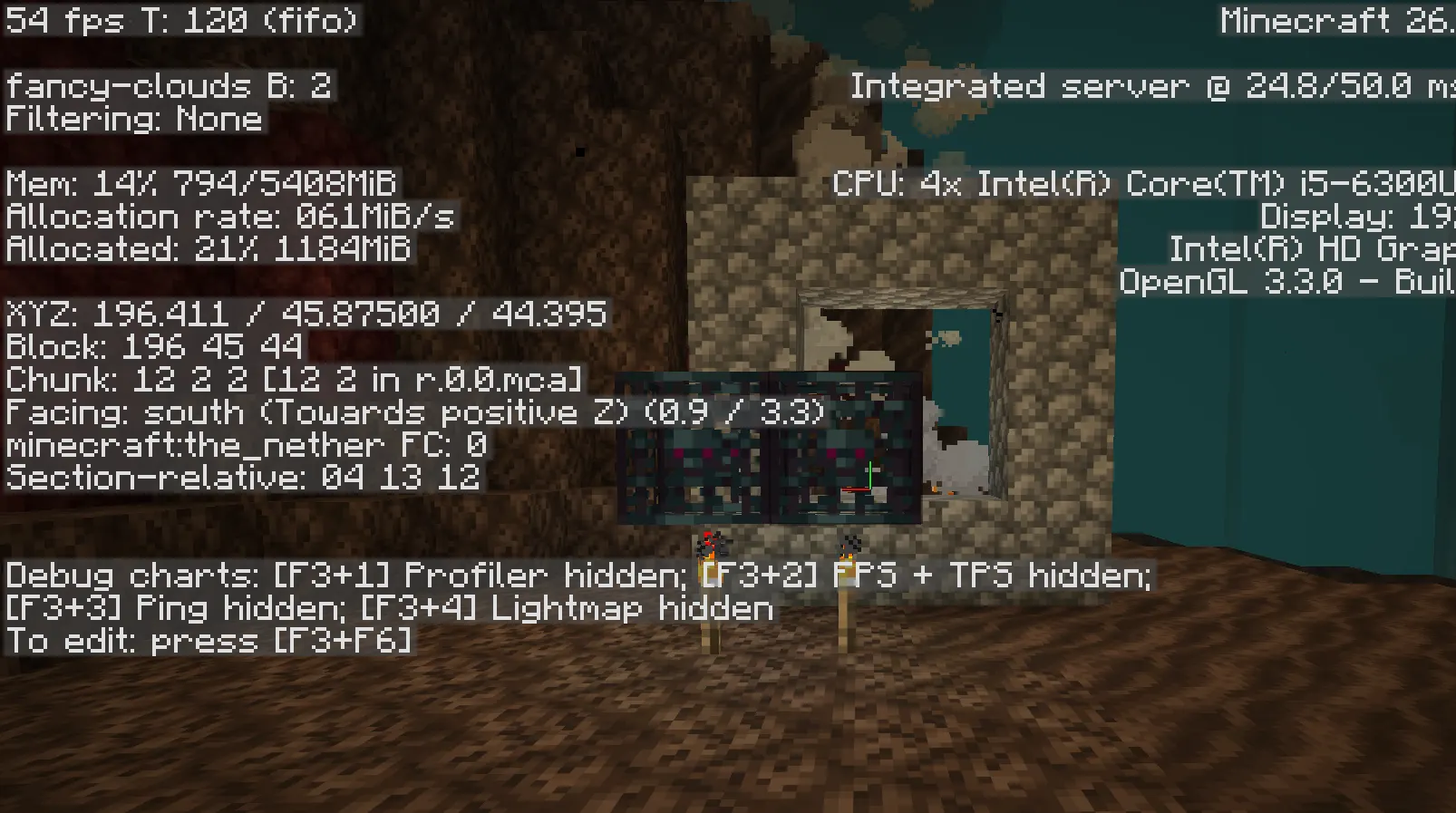
Step 3: Establish your starting coordinates. In Java, F3 shows exact coordinates. On Bedrock, go to Settings > Game > Show Coordinates. Write down or screenshot your starting position.
Step 4: Travel east at mid-height (Y: 60–80). Mid-height gives you the best line of sight. Too low and you're navigating around lava seas. Too high and you'll miss fortresses that generate at lower elevations. Bridge across lava when needed — don't swim through it.
Step 5: Scan every 200 blocks. At roughly every 200 blocks traveled east, pause and look around. Look for:
-
Dark reddish-brown brick structures in the distance
-
Open-air bridges or corridors above lava
-
Blaze particles (orange sparks floating upward)
-
The sound of Blazes (a hissing or whirring noise)
Step 6: Avoid Crimson Forests and stick to open terrain. The new 1.16 biomes can block your line of sight with dense foliage. Prioritize traveling through open Nether Wastes or Basalt Deltas where visibility is high.
Step 7: When you find one, mark it. Drop a unique block (Jack o' Lantern, Hay Bale, etc.) and note the coordinates. Fortresses are large, and it's easy to get turned around inside.
Best Biomes for Fortress Hunting
Nether Fortresses generate in all Nether Biomes, with no biome blocks preventing them. But some biomes make finding one much harder.
Best Biomes to travel through:
-
Nether Wastes – Open terrain, good visibility, easy to navigate
-
Soul Sand Valley – Good visibility, though the ghast density is higher
-
Basalt Deltas – Rough terrain, but still passable visibility in open sections
Avoid when possible:
-
Crimson Forest – The dense red trees severely reduce visibility. A fortress could be 40 blocks away, and you'd miss it
-
Warped Forest – Same problem. Beautiful biome, terrible for fortress hunting
If you spawn into a Crimson or Warped Forest, travel perpendicular until you exit into a more open biome, then resume your east-bound route.
Beginner Tip: Nether Fortresses don't always look obviously castle-like from a distance. Sometimes you'll spot a single column of Nether Bricks poking out of the terrain, or a dark bridge crossing above lava. Learn what Nether Brick looks like and scan actively rather than passively.
Common Mistakes That Waste Time
Traveling north or south only. This is the biggest one. North-south travel runs parallel to fortress bands. You could run 2,000 blocks in one direction and never cross a new band. Always prioritize east-west movement.
Staying at lava level, Fortresses generate above the lava sea floor. Traveling at Y: 30 means you're spending more time bridging and less time scanning. Get to Y: 60–80 and stay there.
Entering without fire resistance, one Ghast fireball into lava, and you lose everything. Craft fire resistance potions before you do any serious fortress hunting.
Giving up after 300 blocks, players often quit too early. The Nether can feel huge when you're lost, but 300 blocks is actually not that far in fortress terms. A bad streak of generation can push the nearest fortress to 600–800 blocks out. Keep going.
Not marking your portal, getting lost in the Nether is extremely common. If you can't find your portal, you might die trying to respawn and navigate back. Always light up your portal entrance immediately.
Ignoring sounds, Blazes make a distinctive sound. If you hear it but can't see anything, you're close. Start digging or building up — the fortress might be just above or behind nearby terrain.
How to Find Blaze Spawners Quickly
Once you're inside a fortress, Blaze Spawners are on the open-air bridge sections, not in the enclosed hallways. When you enter the fortress, immediately look for sections that open up above lava. Those open corridors are where Blaze Spawners cluster.
A typical fortress has 2–3 Blaze Spawners. They look like a cage with flames spinning inside. You'll hear Blazes before you see the spawner.
To farm Blaze Rods efficiently:
-
Locate the spawner
-
Don't destroy it — you need it for XP and Rods
-
Build a small enclosure around it with two blocks of space to hit Blazes safely
-
Snowballs do two damage each to Blazes and work without fire resistance, though you'll want fire resistance anyway
Pro Tip: A single Blaze Spawner can supply Rods for all your brewing needs. You only need about 7–10 Rods for a full early-game potion setup (2 for a Brewing Stand, 5 for Eyes of Ender). Don't spend more time here than you need to.
Java vs Bedrock Differences
The core mechanic is the same on both editions, but a few things differ:
Java Edition:
-
Fortresses generate closer to spawn — one can appear within 100–200 blocks in rare cases
-
The generation algorithm places fortresses using a specific random distribution per region
-
Using a 1.16+ seed map tool (Chunkbase) gives you exact fortress coordinates before you even enter the Nether
Bedrock Edition:
-
Fortresses tend to generate slightly farther from spawn on average
-
Biome distribution differs, meaning Crimson/Warped Forests may cover larger areas in some seeds
-
Coordinates are enabled differently: Settings > Game > Show Coordinates (it doesn't require a key press)
-
The Chunkbase seed app has a Bedrock mode — use it if you know your seed
Both editions:
-
Fortresses still follow the band generation pattern
-
East-west travel is still the best strategy
-
Blaze Spawners appear in the same open-air corridor sections
Using Coordinates and Chunk Strategies
If you know your seed, the fastest possible approach is to use a seed analysis tool.
Chunkbase (chunkbase.com): Enter your seed and edition, then navigate to the "Nether Fortress" finder. It shows all fortress locations as dots on an overhead map. This removes all guesswork.
In-game coordinate tracking:
-
Track your X coordinate as your primary travel metric
-
Note that Nether coordinates are 1:8 relative to Overworld — 100 blocks in the Nether = 800 blocks in the Overworld
-
When you find a fortress, note the coordinates so you can return or create a Nether highway to it later
Chunk grid awareness:
-
Fortresses generate in 480x480 block super-regions
-
Within each region, the game picks a random point and checks whether to spawn a fortress there
-
The fortress's actual footprint usually extends well beyond its spawn point — sometimes 200+ blocks in each direction
Using Commands (Cheat Worlds or Servers): On Java, /locate structure minecraft: fortress gives the coordinates of the nearest fortress. On Bedrock, the command is the same. This is only available in worlds with cheats enabled or on servers with operator permissions.
What to Bring Before Searching
Don't enter the Nether underprepared. This checklist covers everything you need for a safe, efficient fortress run.
Essential:
-
Iron armor minimum (full set, ideally enchanted)
-
Sword (iron or better)
-
Bow + 64+ arrows
-
64 Cobblestone or other building blocks for bridging
-
Food (cooked meat, at least 20 pieces)
-
Flint and Steel (for reactivating portals)
Strongly Recommended:
-
Fire Resistance Potion (makes lava survival, Ghast fireballs non-lethal)
-
Shield (for Ghast and Blaze protection)
-
Enchanted Boots with Feather Falling (lava fall protection)
-
Torches or Glowstone (for marking your path)
Optional but Useful:
-
Golden Apples (emergency healing)
-
Ender Pearls (fast traversal through open sections)
-
Water Bucket (Java only — water cannot be placed in the Nether in Bedrock)
Common Mistake: Many players enter the Nether in mid-level gear, thinking they'll "just have a quick look." The Nether is not forgiving. A single Ghast shot at lava level before you've found the fortress can end your run immediately.
Troubleshooting: Can't Find a Fortress?
If you've been searching for 20+ minutes and still nothing, run through this list:
Are you traveling east or west? If you've been going north or south, you may have stayed within a single fortress band the entire time. Pivot to the east or west immediately.
How far have you actually traveled? Check your X coordinate from your starting point. Under 400 blocks? Keep going — that's genuinely not far enough in a bad-luck scenario.
What biome are you in? If you're deep in a Crimson or Warped Forest, your visibility is near zero. Exit to a more open area first.
Is your world very old? Worlds created before the 1.16 Nether Update (pre-2020) have the old Nether generation with no biomes. Fortresses in these worlds still exist, but follow older generation rules. The east-travel method still works.
Could the fortress be above you? Some fortresses generate at higher Y-levels, and their lower sections may be buried in Netherrack. If you see any exposed Nether Brick at ground level, dig upward.
Have you checked your seed on Chunkbase? If you're really struggling, pull your seed (F3 > "Seed" in Java, or check world settings in Bedrock) and look up the fortress locations. There's no shame in using a map tool — it confirms whether you're searching in the right area.
Advanced Speedrunner Techniques
Speedrunners treat fortress hunting as a routing problem, not an exploration problem. These techniques are overkill for casual play, but can cut your fortress time significantly.
Pre-run seed analysis: Before any serious attempt, speedrunners check their seed against known "good" seeds or use in-run seed identification tools. This is legal in many categories and eliminates fortress hunting.
The Hypermodern Route: The most commonly used route in current Minecraft Any% runs skips the Nether Fortress entirely in favor of barter-based Blaze Powder trading. However, this is only relevant in very specific run categories and requires a Gold Farm set up at the portal to generate enough gold nuggets.
Efficient fortress entry: When you find the fortress, don't wander. Blaze Spawners are on open corridors, Nether Warts are in rooms with staircases leading down. Enter from the open-air sections, ignore the enclosed hallways until you've found a spawner.
1-cycle Blaze kills: Hit a Blaze twice with a sword (dealing roughly 8–9 damage), and it drops. Blazes have 20 HP. Two hits from a Netherite sword kill them instantly. Snowballs are slower but safer. In speedruns, melee is preferred since every second counts.
Mark and return routing: If you find the fortress but haven't collected everything, note the coordinates and portal out rather than grinding at low health. The portal preserves your progress, and a second run — with better gear — is faster than dying.
Fast Route Checklist
Before entering the Nether:
-
Full iron armor or better equipped
-
Bow and 64+ arrows packed
-
64 building blocks (Cobblestone works fine)
-
At least 20 food items
-
Flint and Steel in the hotbar
-
Coordinates enabled (F3 on Java / Settings on Bedrock)
-
Fire Resistance Potion brewed (or at minimum crafted if you have materials)
While searching:
-
Traveling east (positive X)
-
Staying between Y: 60–80
-
Scanning north and south every ~200 blocks
-
Listening for Blaze sounds
-
Portal marked with torches or a unique block
When you find the fortress:
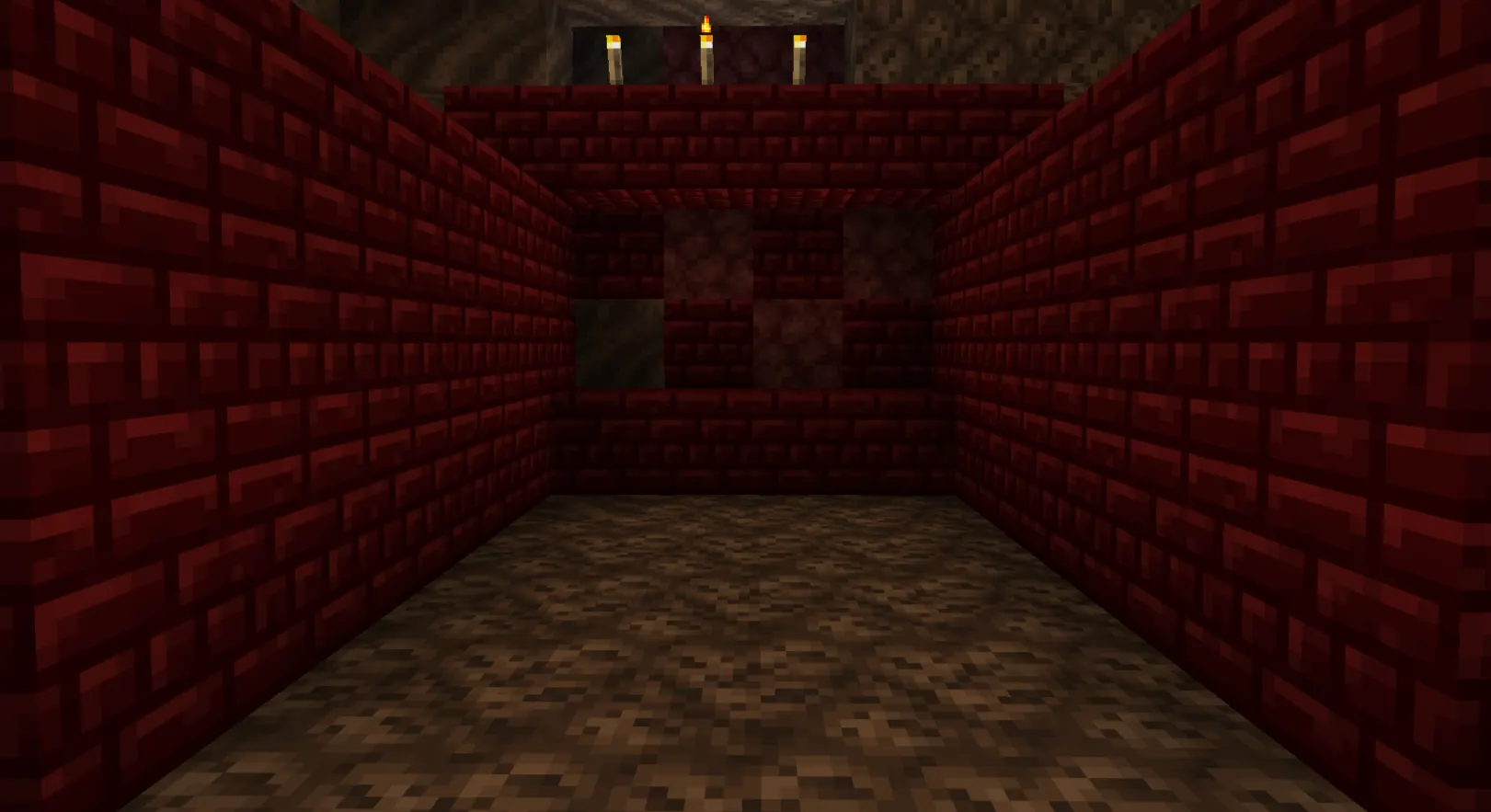
-
Drop a marker block at the entry point
-
Note exact coordinates
-
Head to open-air corridors first (Blaze Spawners)
-
Find Nether Wart room (staircase-style room with Soul Sand)
-
Don't destroy Blaze Spawner unless you're sure you don't need it
Key Takeaways
Nether Fortress generation follows a predictable band pattern running north-to-south. Traveling east crosses these bands perpendicularly, which is why it's the fastest method. Fortresses can generate in any biome, but open biomes like Nether Wastes give you the best visibility. Blaze Spawners are on open-air bridge sections, not in enclosed hallways. If you've been searching for more than 20 minutes, the most likely cause is traveling in the wrong direction — not bad luck.
For casual survival players, the east-travel method combined with a Chunkbase seed check when you're stuck will handle 99% of fortress hunts. For speedrunners, pre-checking the seed before runs is standard practice and eliminates the search.
Conclusion
Finding a Nether Fortress doesn't require luck — it requires direction. The east-travel method works because it matches how fortress bands generate. It's not a workaround or a trick; it's how the game is built.
Get your coordinates visible, travel east, scan every 200 blocks, and listen for Blazes. Most players who follow this method find a fortress in under 15 minutes from the portal entry. The ones who don't usually find out they were heading north the whole time.
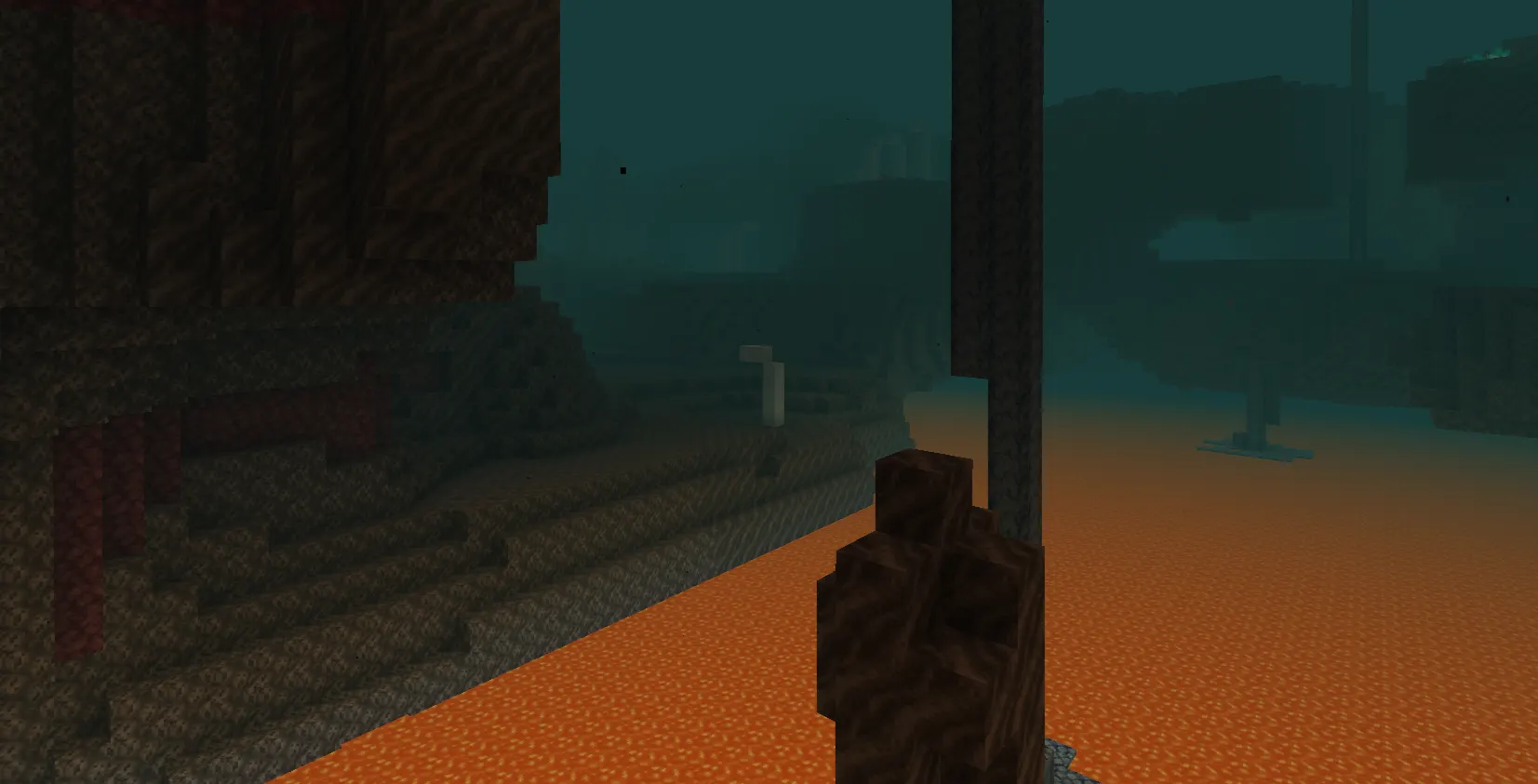
Once you've found your fortress and grabbed Blaze Rods and Nether Wart, the rest of Minecraft's progression opens up. The End Portal, the Ender Dragon, the Wither — all of it becomes accessible. The Nether Fortress is the gate. Now you know how to find it.