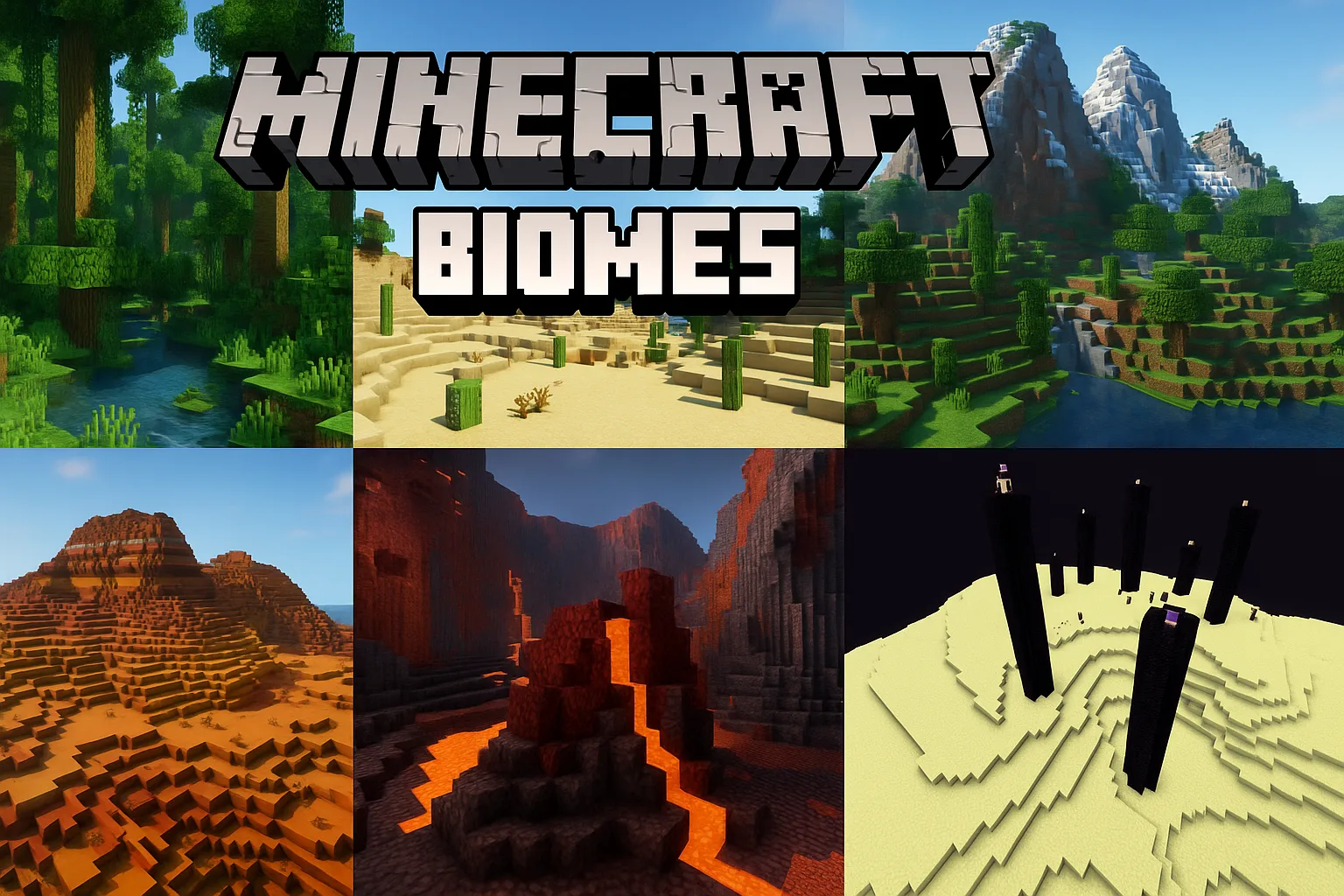
Spawning into a frozen wasteland one moment and walking straight into a blazing desert the next isn’t just random luck — it’s the power of Minecraft biomes at work. These unique regions shape everything around you, from the terrain you explore and the weather you face to the mobs you encounter and the resources you depend on to survive.
For beginners, understanding biomes isn’t optional — it’s a game-changing skill. The right biome can make survival easy with abundant food, villages, and materials, while the wrong one can leave you struggling for basic resources.
In this complete guide, you’ll learn exactly how Minecraft biomes work, why they matter, and which biomes give you the biggest advantage. By the end, you’ll know where to explore, where to build, and how to use biomes strategically to level up your gameplay faster.
What Is a Biome in Minecraft?
A biome is a region in a Minecraft world with a specific set of environmental characteristics. Think of it like the real world: a rainforest feels completely different from a desert or a tundra. Minecraft works the same way. Each biome has its own:
-
Terrain shape (flat plains, towering mountains, deep valleys)
-
Climate (temperature and rainfall affect snow, rain, and vegetation)
-
Vegetation (trees, grass, flowers, and crops that grow there)
-
Mobs (hostile mobs and passive creatures that spawn in that region)
-
Structures (villages, temples, strongholds, and more)
-
Blocks (unique materials that only generate in certain biomes)
When Minecraft generates a new world, it uses a complex algorithm to stitch dozens of biomes together into a seamless landscape. No two worlds are the same, which is part of what makes exploration so addictive.
As of the latest versions of Minecraft Java and Bedrock editions, there are over 60 unique biomes spread across the Overworld, the Nether, and the End. For beginners, we'll focus mainly on the Overworld — the main dimension where you start every game.
Why Do Biomes Matter?
Before we dive into the list, let's talk about why biomes are important beyond just aesthetics. Understanding biomes is practically useful because:
1. Resources are biome-specific. Some materials, like dark oak wood, only spawn in certain biomes (the Dark Forest). Others, like sand and cacti, are exclusive to deserts. If you need a specific resource, you need to find the right biome.
2. Mob spawns vary by biome. Wolves spawn in forests and taigas, not in deserts. Polar bears live only in snowy biomes. If you're hunting a specific mob for drops or taming, biome knowledge saves you hours.
3. Structures generate in specific biomes. Desert temples, jungle temples, ocean monuments, witch huts — all of these only appear in their associated biomes. Knowing where to look speeds up your progression dramatically.
4. Your base location matters. Building your home in the right biome affects your quality of life in-game. A plains biome gives you flat land and easy farming. A taiga gives you wolves and spruce trees for a cozy cabin. Choose wisely.
5. Survival difficulty changes. Deserts have no wood. Oceans have no land. Frozen biomes make navigation tricky. Some biomes are genuinely harder to survive in than others.
How Biomes Are Categorized
Minecraft groups biomes into several broad climate categories. Understanding these categories helps you predict what biomes are nearby. Similar biomes tend to cluster together — you won't usually find a jungle right next to a snowy tundra.
The main climate groups are:
-
Snowy – Cold, icy, and covered in snow
-
Cold – Cool temperatures, common forests and mountains
-
Temperate/Lush – Mild and green, the most common category
-
Dry/Warm – Hot and arid, sparse vegetation
-
Neutral – Biomes like mushroom fields that don't fit neatly elsewhere
-
Aquatic – Ocean and deep ocean variants
Now, let's go through the major biomes you'll encounter as a beginner.
The Major Overworld Biomes Explained
1. Plains
Difficulty: ★☆☆☆☆ | Best for: Beginners, farming, building
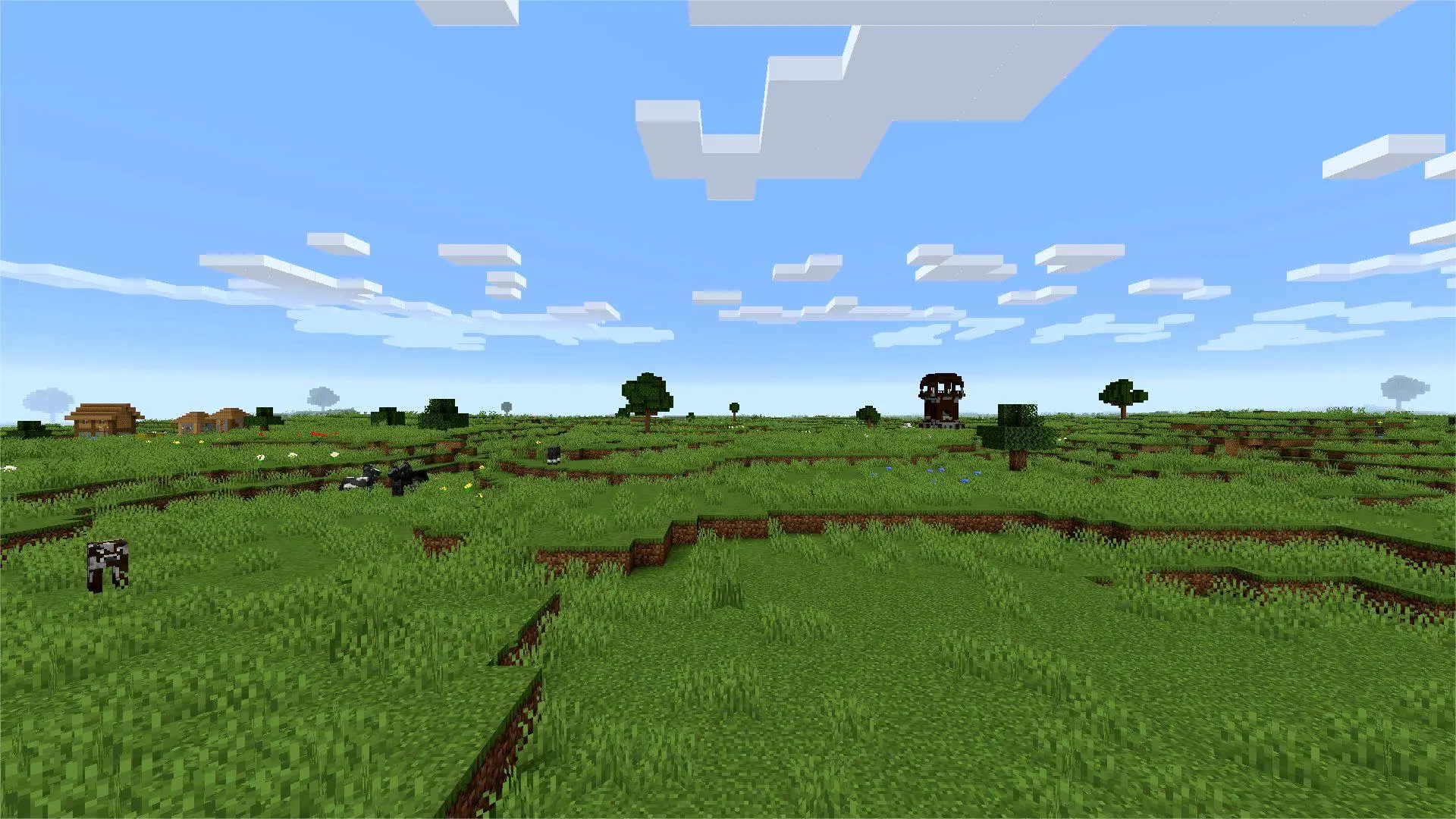
The Plains biome is the most beginner-friendly biome in Minecraft. It's wide, flat, and covered in short green grass, wildflowers, and the occasional oak tree. Animals like cows, pigs, sheep, and horses spawn here in abundance.
Why beginners love it: Villages spawn frequently in plains, giving you early access to trades, beds, and food. The flat terrain makes building a house incredibly easy. Farming is efficient because plains have large stretches of workable land.
What to watch out for: Very little natural wood. You'll need to either find a nearby forest or plant your own trees.
Key resources: Hay bales (from villages), flowers, horses
2. Forest
Difficulty: ★★☆☆☆ | Best for: Wood, wolves, early game
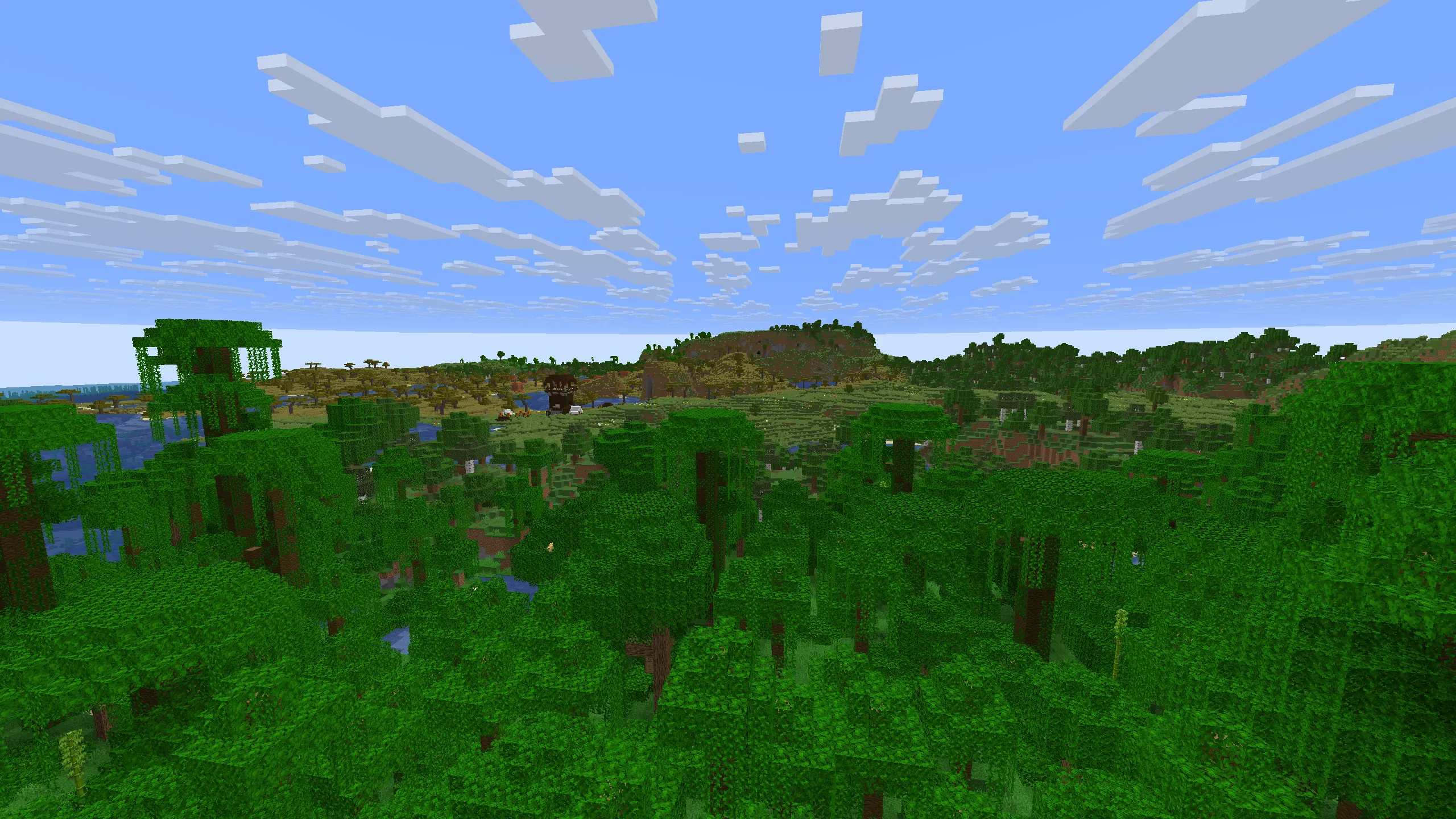
Dense with oak and birch trees, the Forest biome is a wood-lover's paradise. It's one of the most common biomes and usually spawns close to plains. The canopy is thick enough to provide shade during the day and dangerous enough to trap mobs at night.
Wolves naturally spawn here, which means you can tame them with bones to create loyal dog companions. The forest is also where you'll find most of your early-game wood supply.
Variants include the Birch Forest (lighter, taller trees with white trunks) and the Old Growth Birch Forest (extremely tall birch trees, great for large wood harvests).
Key resources: Oak logs, birch logs, apples, wolves
3. Dark Forest
Difficulty: ★★★☆☆ | Best for: Dark oak wood, woodland mansions
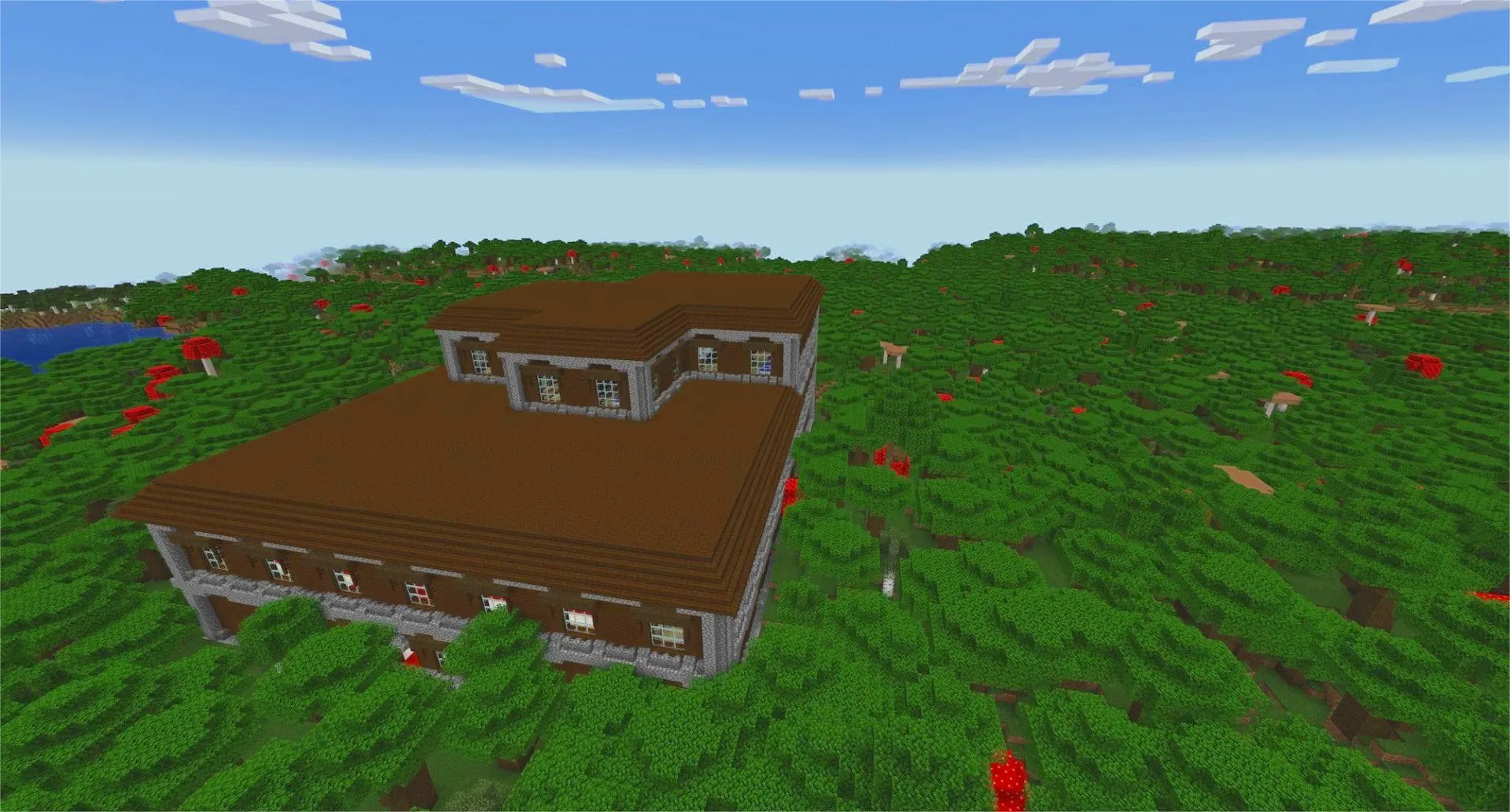
The Dark Forest (formerly called Roofed Forest) is an eerie, dense biome where the tree canopy blocks so much light that it's almost permanently dark underneath — even during the day. This means hostile mobs like zombies, skeletons, and creepers can spawn at any time, even in broad daylight.
The main draw here is dark oak wood, a beautiful, deep-brown wood type that can only be found in this biome. It's highly sought after for building medieval-style structures.
Perhaps more importantly, the Dark Forest is the only place where Woodland Mansions generate — massive, rare structures filled with dangerous Vindicators and Evokers, but also valuable loot, including totems of undying.
Key resources: Dark oak logs, mushrooms, woodland mansions
4. Taiga
Difficulty: ★★☆☆☆ | Best for: Spruce wood, foxes, villages
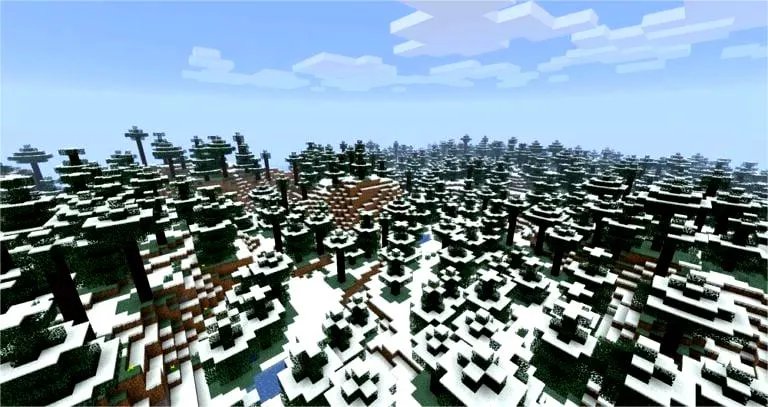
The Taiga biome looks like a real-world boreal forest — tall spruce trees, ferns on the ground, and a slightly cold atmosphere. It's one of the most aesthetically pleasing biomes for building a cozy cabin or forest home.
Foxes, one of Minecraft's most adorable mobs, spawn exclusively in taiga biomes. Villages also appear here, making early survival easier.
Variants include the Old Growth Spruce Taiga (with massive spruce trees that take multiple logs to harvest) and the Old Growth Pine Taiga (similar but with more variation in tree size and shape).
Key resources: Spruce logs, ferns, foxes, sweet berries, villages
5. Snowy Plains (Tundra)
Difficulty: ★★★☆☆ | Best for: Rabbits, igloos, unique aesthetics
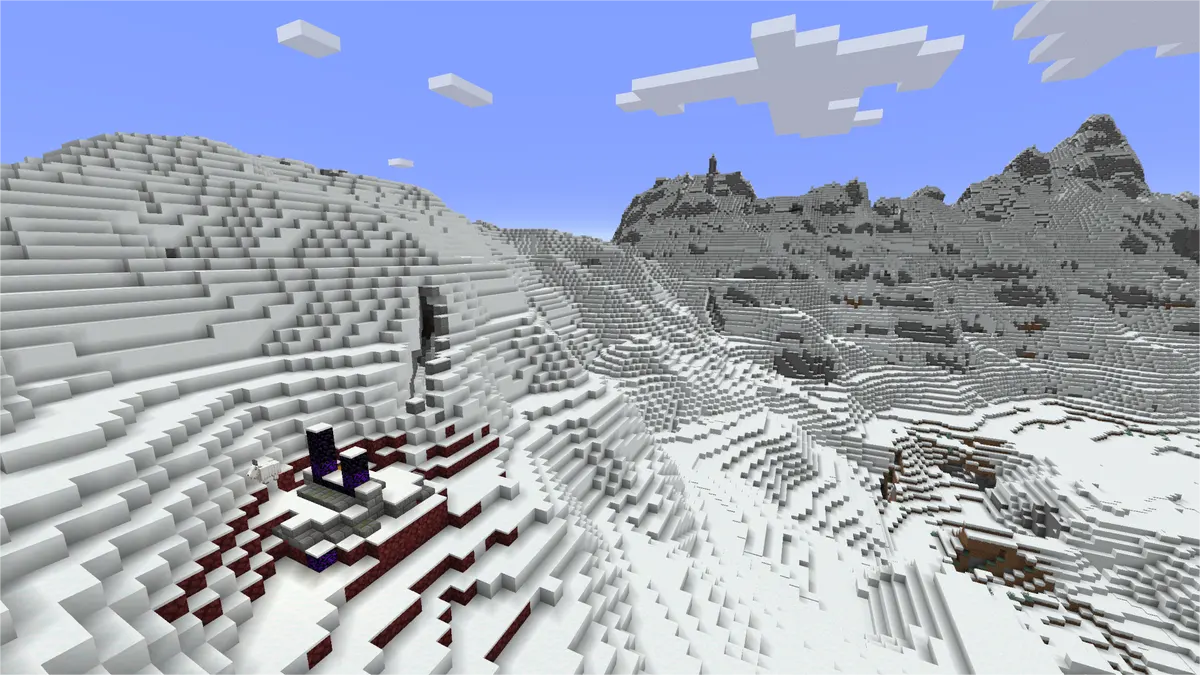
The Snowy Plains biome is a flat, frozen expanse covered in white. Snow falls constantly, the ground is covered in ice and snow layers, and there's almost no vegetation except the occasional spruce tree.
Survival here is tougher. Food is scarce, wood is limited, and it's visually difficult to spot certain threats against the white background. However, this biome is home to Igloos, which contain a basement with a brewing stand, a golden apple, and even a zombie villager you can cure for a discounted trader.
Polar bears and rabbits also roam the snowy plains. If you're looking for a unique challenge or want to build a winter wonderland base, this is your biome.
Key resources: Snow blocks, ice, rabbits, igloos
6. Desert
Difficulty: ★★★☆☆ | Best for: Sand, cacti, desert temples, villages
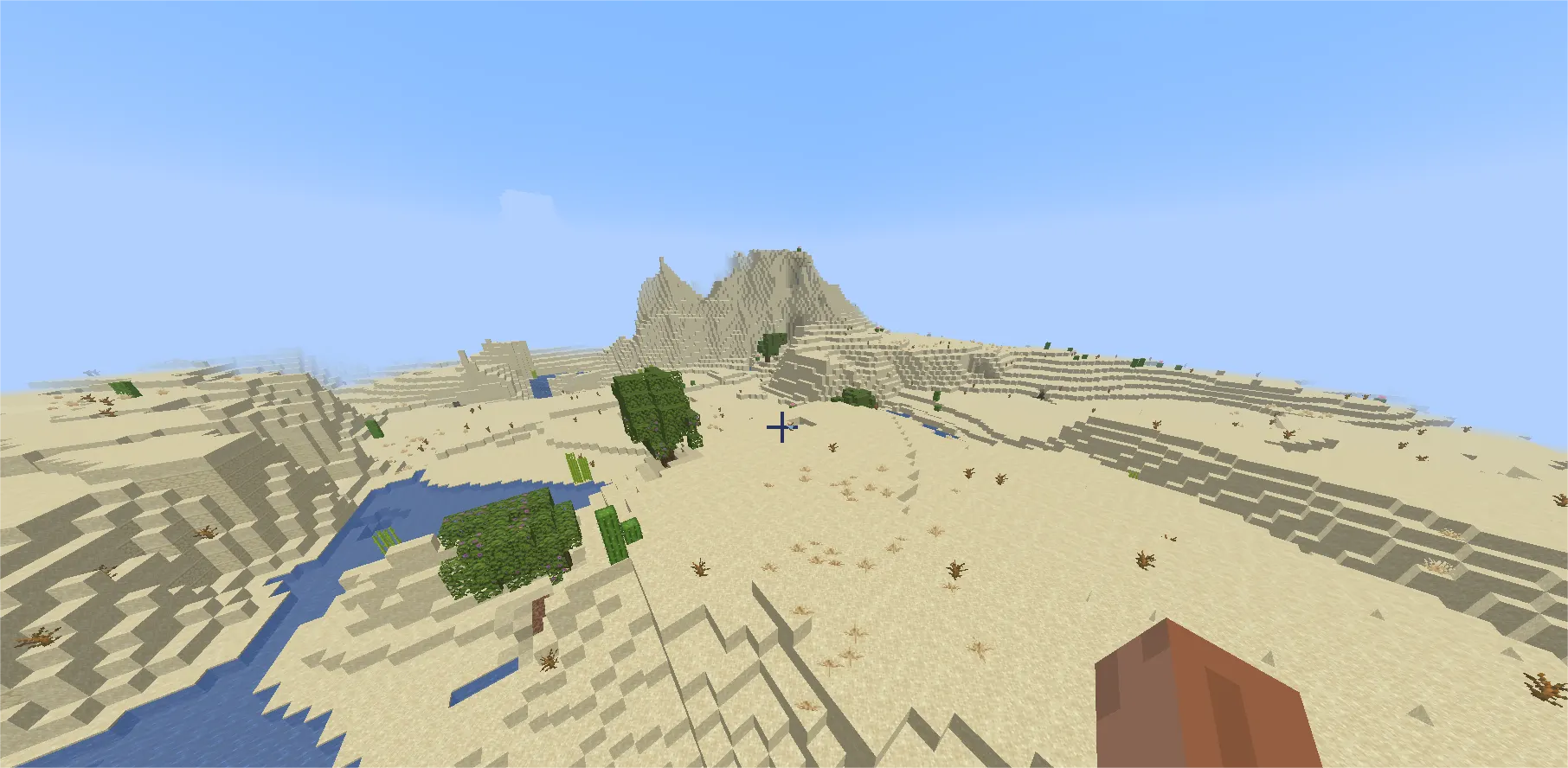
The Desert biome is a hot, flat expanse of sand and sandstone. It contains no grass, almost no trees, and no water on the surface. It never rains in a desert — instead of rain, there's just endless blue sky.
Despite harsh survival conditions, the desert offers amazing loot. Desert Temples are pyramid-like structures made of sandstone, hiding a secret chamber with four chests and TNT traps. Desert Villages are common and give you early-game shelter and trades.
Cacti grow naturally and are useful for traps. Dead bushes give sticks. The flat terrain makes it easy to spot structures from a distance.
Key resources: Sand, sandstone, cactus, desert temples, desert wells, villages
7. Jungle
Difficulty: ★★★★☆ | Best for: Parrots, ocelots, jungle temples, cocoa
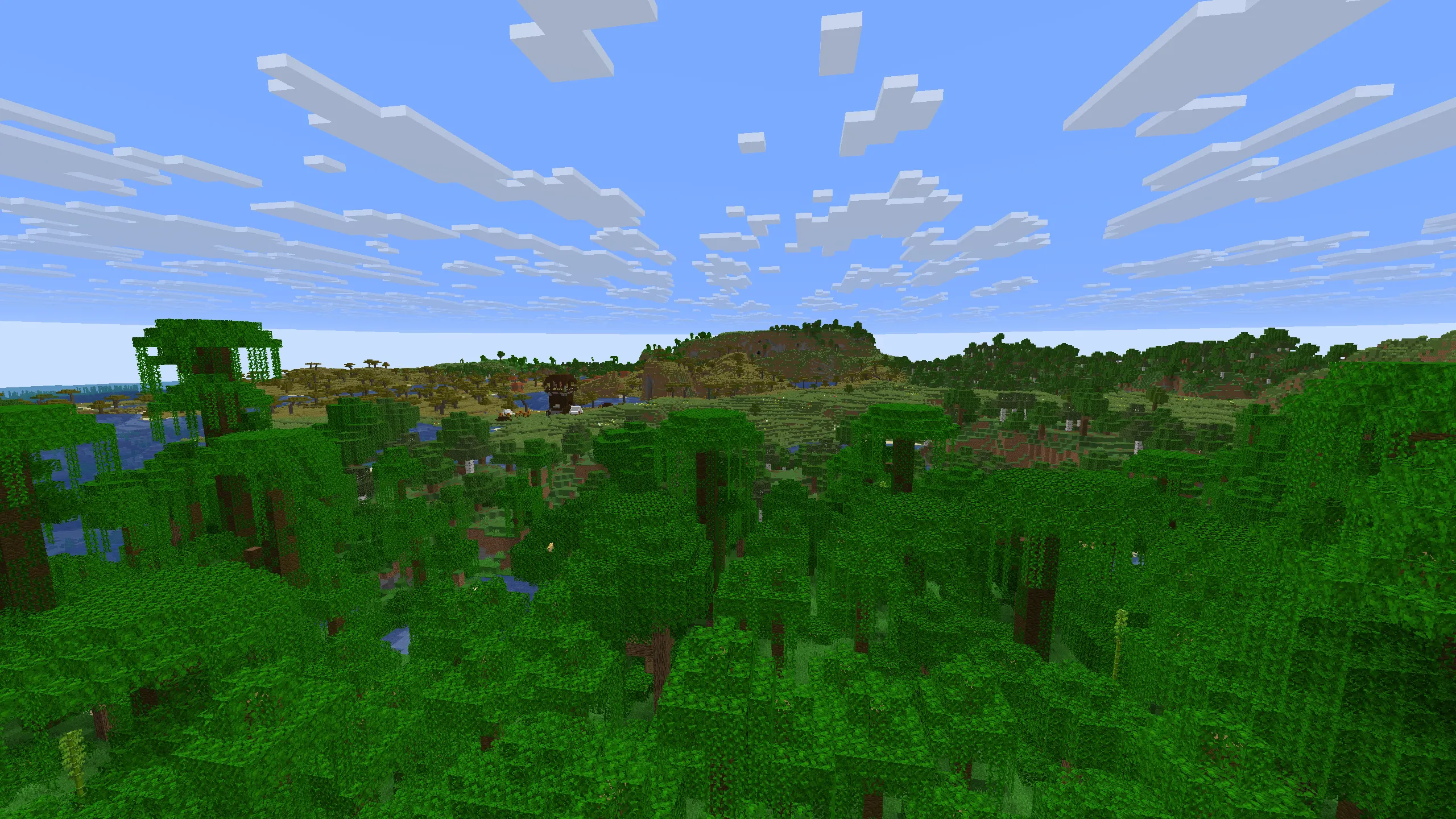
The Jungle biome is one of the most unique and chaotic biomes in the game. Massive jungle trees tower overhead with vines hanging down, creating a dense, layered environment that can be genuinely disorienting to navigate.
This is where you'll find ocelots (which can be tamed into cats) and parrots (colorful birds that imitate mob sounds and sit on your shoulder). Jungle Temples generate here, filled with traps and hidden treasure chests.
Bamboo grows naturally in jungle biomes, making it the go-to source for this versatile material used in crafting and pandas (yes, pandas spawn in bamboo jungles specifically). Cocoa pods grow on jungle logs, giving you cocoa beans for cookies.
The jungle is stunning but hard to navigate and easy to get lost in. Always bring a compass or a map.
Key resources: Jungle wood, bamboo, cocoa beans, parrots, ocelots, jungle temples, melon patches
8. Savanna
Difficulty: ★★☆☆☆ | Best for: Acacia wood, horses, llamas
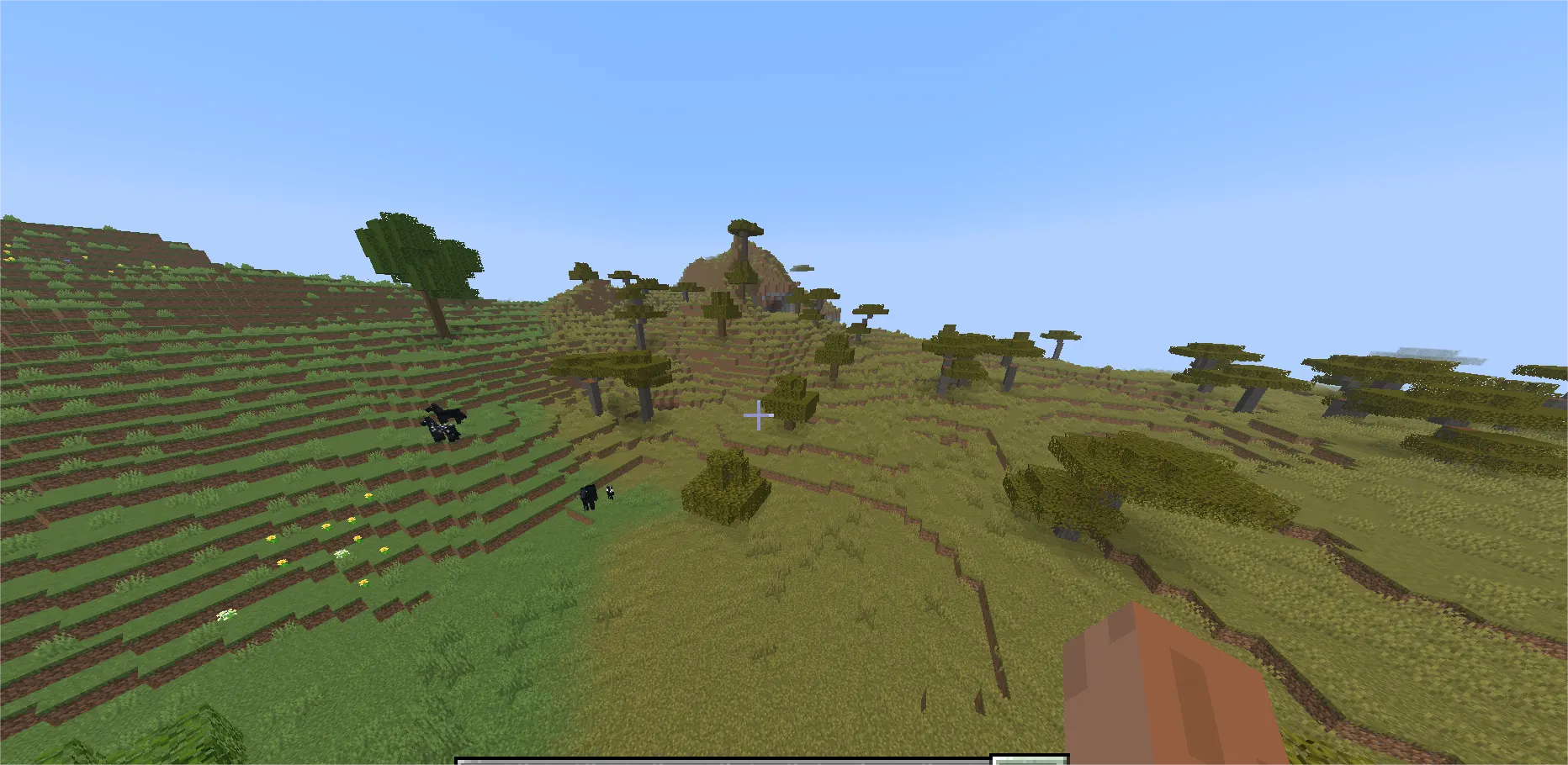
The Savanna biome is a warm, semi-arid region with flat terrain, tall dry grass, and unique acacia trees — known for their orange-tinted wood and unusual branching shape. It's one of the best biomes for horses and llamas, both of which spawn naturally here.
Villages are common in savannas. The flat terrain and mild conditions make it a solid early-game biome, and the acacia wood gives you a distinctive building material.
Key resources: Acacia wood, horses, llamas, villages
9. Swamp
Difficulty: ★★★☆☆ | Best for: Slimes, witch huts, clay
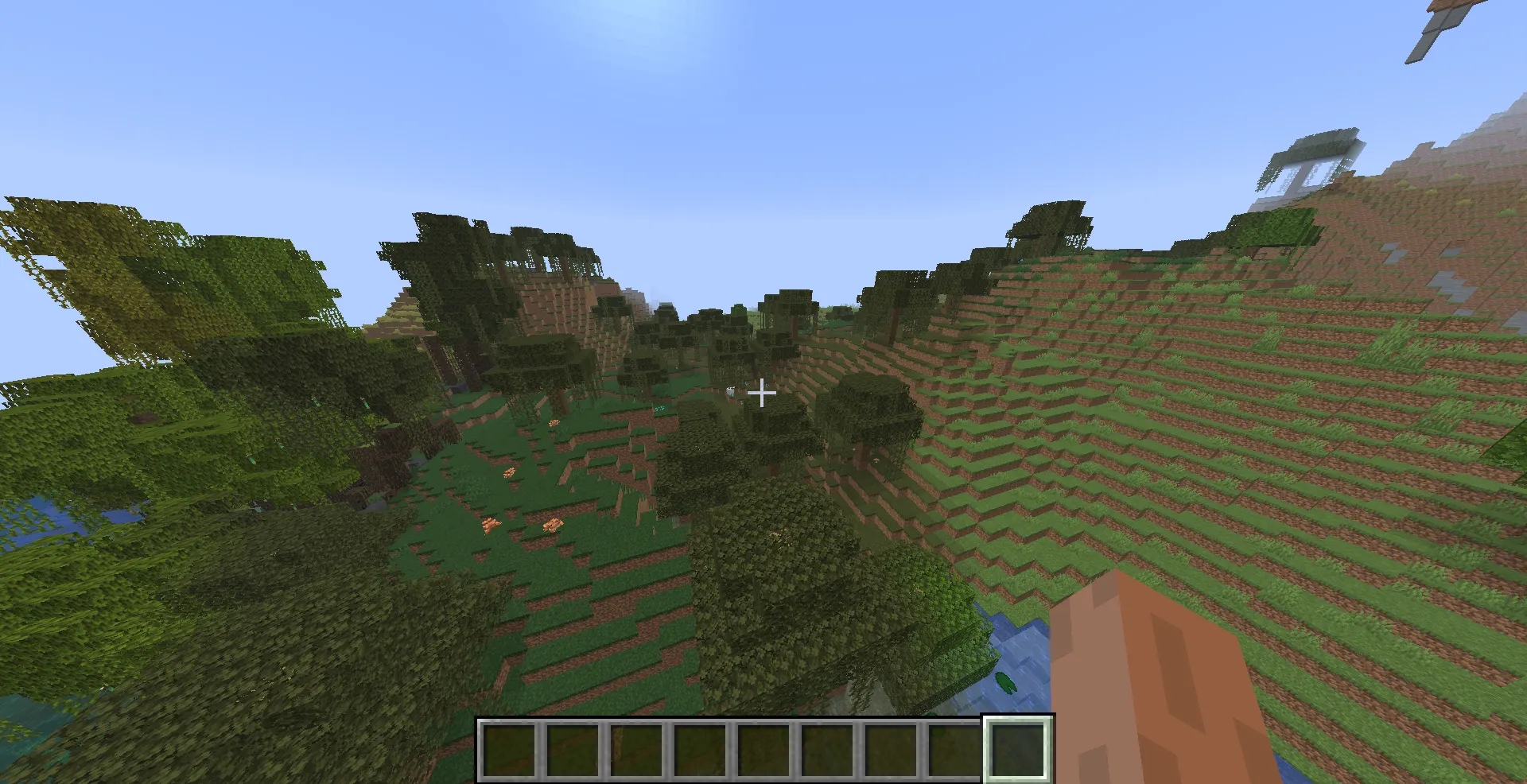
The Swamp biome is murky, wet, and atmospheric. Shallow water pools dot the landscape, oak trees draped with vines create a haunted look, and the ground is covered in lily pads and dead bushes.
Slimes spawn here on the surface at night during full moons, making it an important biome for slimeball farming. Witch Huts generate in swamps — wooden structures on stilts where witches spawn and respawn, dropping useful potions and items.
Clay is also abundant in swamp biomes beneath the shallow water, making it great for brick production.
Key resources: Slimeballs, clay, vines, witch huts, lily pads
10. Mushroom Fields
Difficulty: ★☆☆☆☆ | Best for: Safe farming, mooshrooms
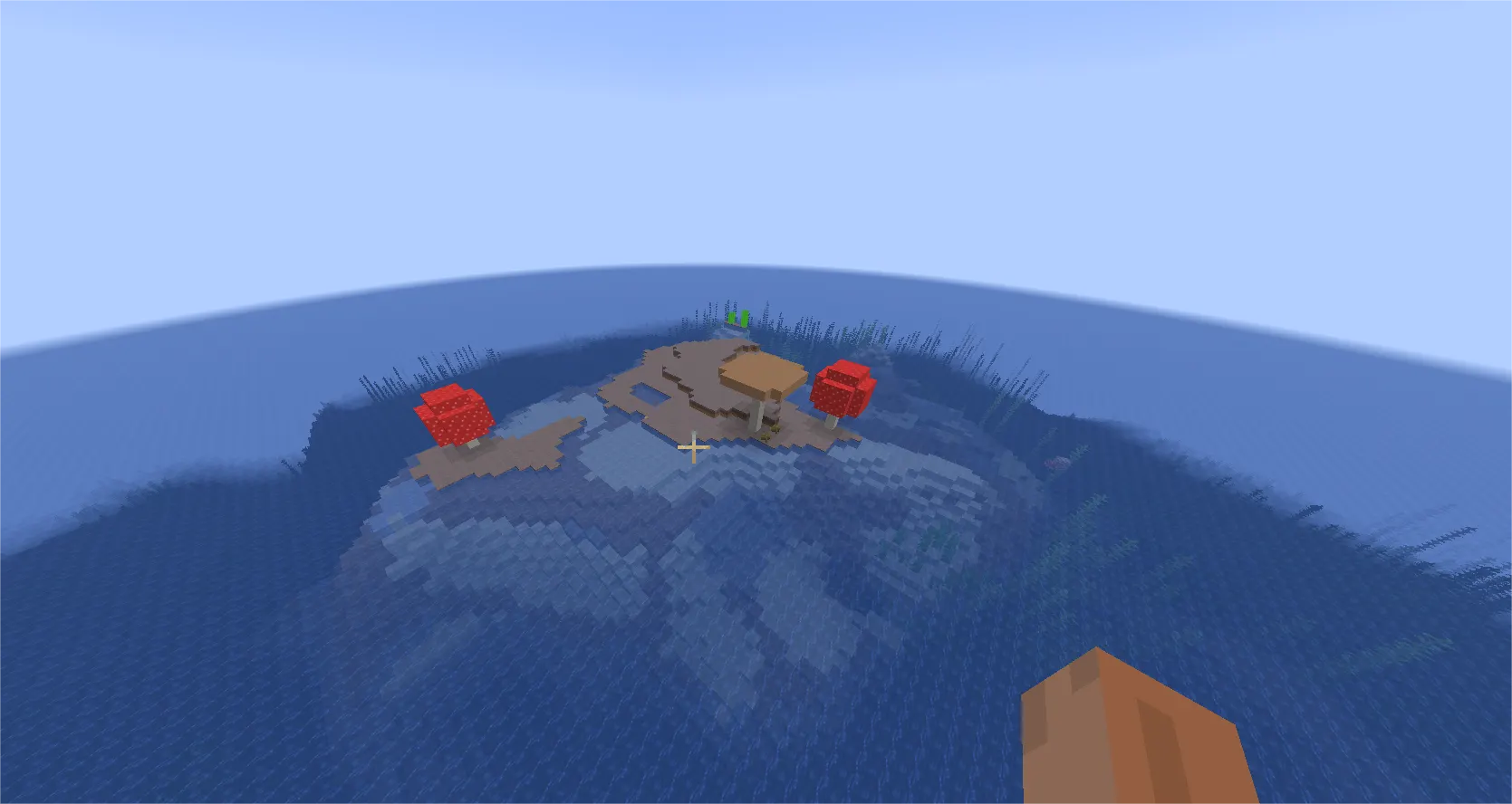
The Mushroom Fields biome is perhaps the strangest in the game — and also the safest. No hostile mobs spawn here (except for those from mob spawners). The ground is covered in mycelium, a purple-tinged block. Giant mushrooms tower overhead. And cows here are replaced by Mooshrooms — red mushroom-covered cows you can milk for mushroom stew.
This biome is rare and usually found as an island in the ocean. Once you establish a base here, survival becomes dramatically easier. The only downside? Getting there in the first place.
Key resources: Giant mushrooms, mycelium, mooshrooms, mushroom stew
11. Ocean Biomes
Difficulty: ★★★★☆ | Best for: Shipwrecks, ruins, ocean monuments
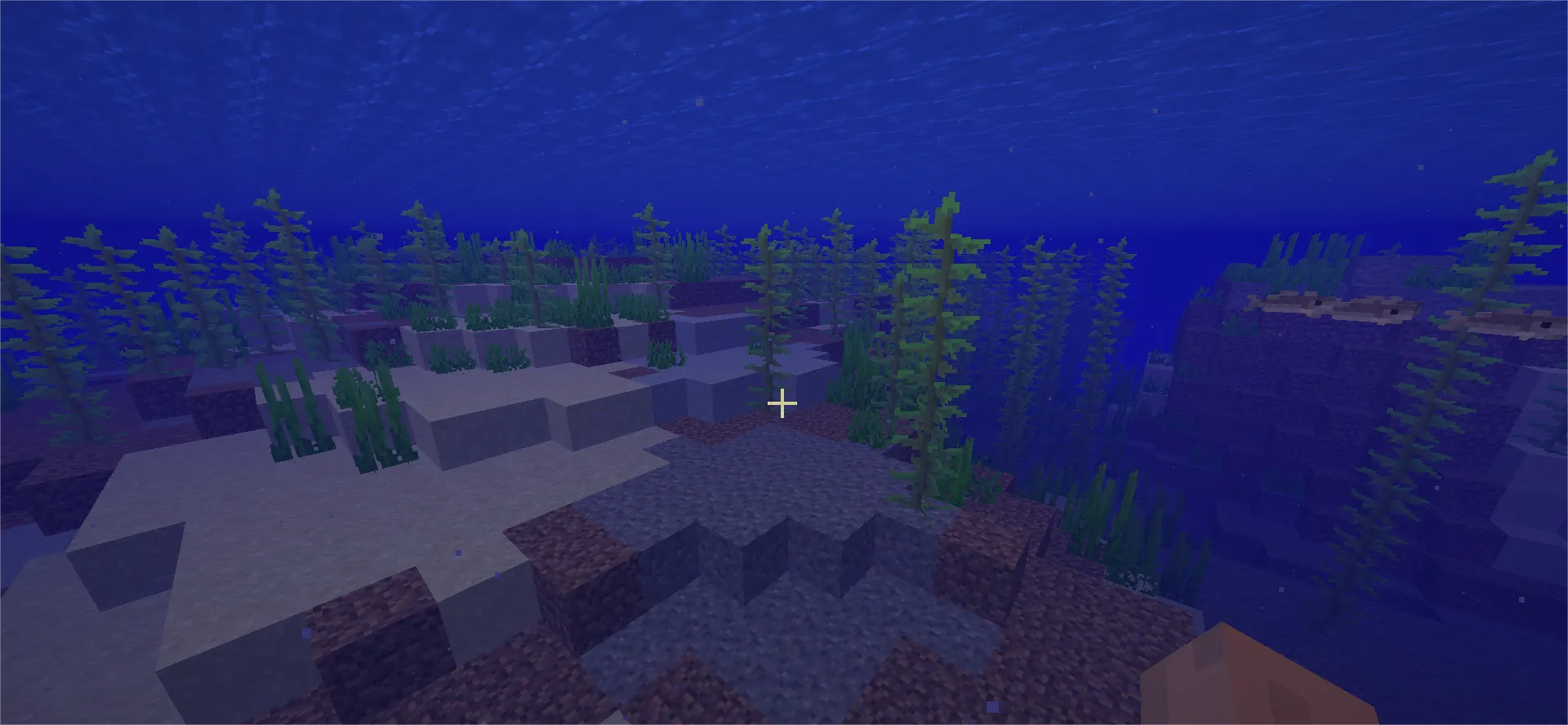
The Ocean biome covers a massive portion of any Minecraft world. They come in several variants: Warm Ocean (with coral reefs and tropical fish), Cold Ocean, Frozen Ocean (with icebergs), and Deep Ocean (extremely dark and deep).
Ocean Monuments generate in deep ocean biomes — enormous prismarine structures guarded by Elder Guardians. Inside, you'll find sponge rooms, gold blocks, and powerful loot.
Shipwrecks and Underwater Ruins scatter the ocean floor with chests containing maps, treasures, and sometimes buried treasure maps that lead to more loot.
Drowned — undead creatures that breathe underwater — spawn in all ocean types and can drop tridents.
Key resources: Coral, prismarine, sponges, shipwrecks, buried treasure, ocean monuments, tridents
12. Badlands (Mesa)
Difficulty: ★★★☆☆ | Best for: Terracotta, gold, unique builds
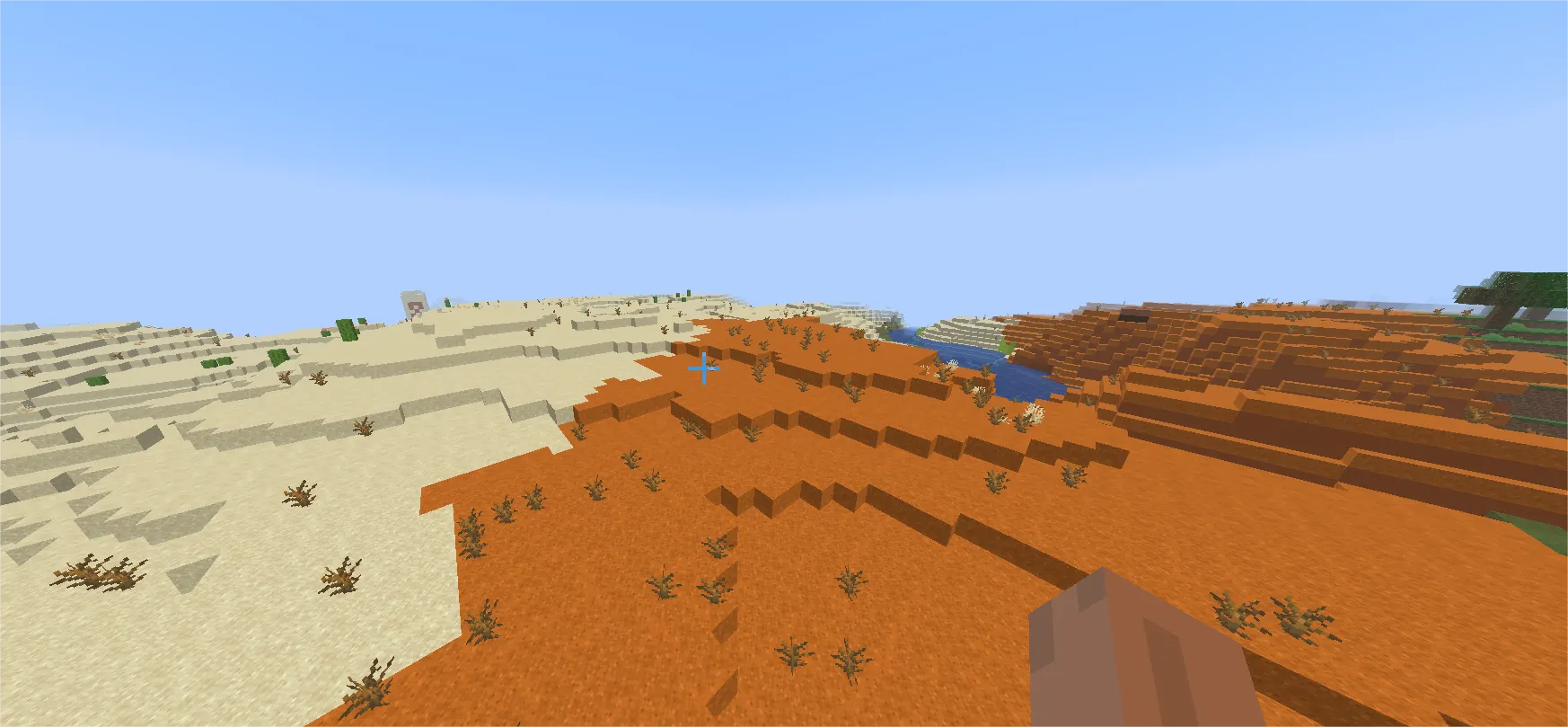
The Badlands (previously called the Mesa) is a stunning biome that looks like the American Southwest — towering plateaus of red, orange, and yellow terracotta striped across the landscape. Minecart chests generate in exposed mine shafts on the surface, giving you easy loot early on.
Gold ore generates here at much higher rates than normal — even near the surface — making it a goldmine (literally) for players who need gold for tools, food, or trading.
The multi-colored terracotta is one of Minecraft's most beautiful building materials, available here in massive quantities for free.
Key resources: Terracotta (all colors), gold ore, exposed mine shafts, dead bushes
Nether Biomes: A Quick Overview

When you build a Nether Portal and enter the Nether dimension, you'll find entirely different biomes. Here's a quick rundown of the five Nether biomes:
-
Nether Wastes – The classic lava-and-netherrack hellscape. Home to Zombie Pigmen (Piglins) and Ghasts.
-
Crimson Forest – A red mushroom forest filled with Hoglins and Piglins. Warped and crimson wood is found here.
-
Warped Forest – A teal-toned forest. Endermen spawn here. Relatively safe.
-
Soul Sand Valley – Covered in soul sand and soul soil with blue fire. Skeletons and Ghasts everywhere.
-
Basalt Deltas – Rocky, volcanic terrain with magma blocks. Home to Magma Cubes.
Each Nether biome has unique blocks and mob spawns. The Crimson and Warped Forest biomes are especially important because they're the only sources of Crimson and Warped wood — Minecraft's only non-flammable wood types.
Tips for Exploring Biomes as a Beginner
Now that you know the major biomes, here are some practical tips to help you make the most of your exploration:
Use a map. Craft a map early and keep it updated. It shows you the colors of each biome, making navigation much easier.
Look for biome color clues from a distance. Deserts appear sandy yellow. Jungles are deep, bright green. Snowy biomes are white. You can often identify a biome from far away before you get there.
Use the F3 debug screen (Java Edition). Press F3 while in-game and look for "biome" in the text on the left side of your screen. It tells you exactly which biome you're standing in.
Build a trail of torches when exploring. In dense biomes like jungles or dark forests, it's incredibly easy to get lost. Torches on the right side going out means the left side is the way home.
Use Minecraft's Biome Finder tools. Websites like Chunkbase.com let you enter your world seed and find the exact location of any biome, structure, or resource. Hugely helpful when you're looking for something specific.
Prioritize finding a forest near your spawn. Wood is your first and most critical resource. Spawn in a plain? Good. But make sure there's a forest nearby.
Don't build your permanent base in harsh biomes early on. Deserts, frozen biomes, and jungles look amazing but come with real survival challenges. Start in plains or savanna, and branch out once you're more established.
Conclusion
Minecraft biomes are the heart of what makes exploration so endlessly exciting. Every world is a unique patchwork of environments, each with its own challenges, rewards, and character. As a beginner, understanding biomes means you'll spend less time struggling and more time thriving — knowing where to find the resources you need, which structures hold the best loot, and which environments suit your playstyle.
Start simple: explore your local biomes, gather resources, and gradually venture further as you grow stronger. The world is enormous, and every biome has something valuable to offer.
The best part? There's always one more biome just over the horizon waiting to be discovered.