Piglin Trading in Minecraft: Best Barters & Gold Tips
Every Gold ingot you're not using for Armor is basically a lottery ticket. Hand it to a piglin and you might walk away with an ender pearl, a soul speed book, or a stack of gravel that makes you wonder why you bothered. That unpredictability is exactly why bartering is worth understanding before you dump your whole gold stash into it.
What Is Piglin Bartering?
Piglins are the gold-obsessed residents of the Nether. Give one an ordinary gold ingot and, after it spends a few seconds admiring the thing, it tosses back a random item from a fixed loot pool. That's the entire trade. You're not picking what you get, and you're not haggling over price. One ingot in, one roll of the dice out.
A few limitations matter here:
-
Only adult piglins barter. Baby piglins snatch the ingot and just... keep it. No trade happens.
-
Piglin brutes ignore gold ingots entirely. They're permanently hostile and can't be bartered with under any circumstances.
-
Gold nuggets, blocks, and gear don't trigger bartering. It has to be a gold ingot specifically.
-
You cannot choose the reward. The loot table decides.
How to Barter With Piglins
The process is simple enough that most players figure it out by accident:
-
Find an adult piglin. Nether Wastes and Crimson Forest are the most reliable biomes. Bastion Remnants also have piglins, but watch for piglin brutes mixed in there, since those won't trade.
-
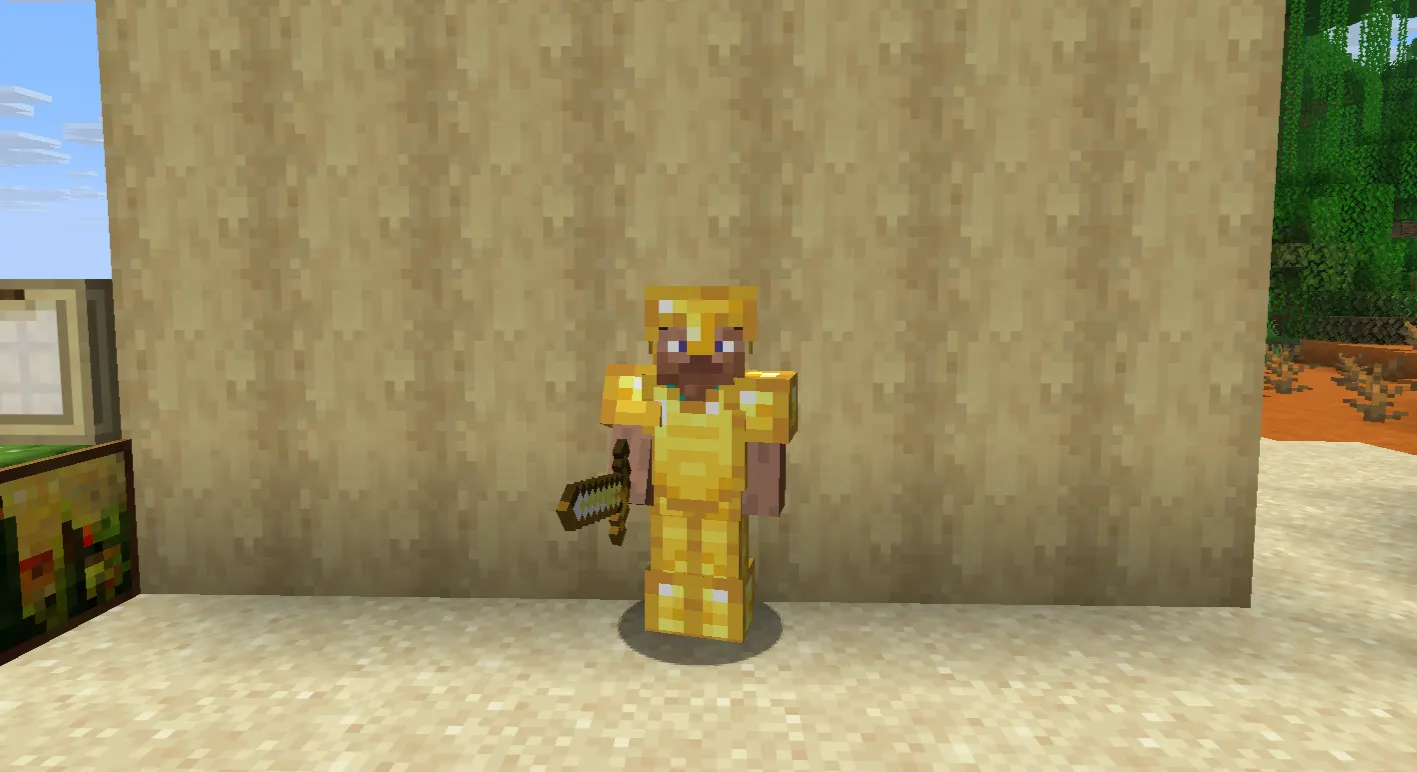
Wear at least one piece of gold armor. This keeps regular piglins neutral toward you instead of hostile.
-
Give the piglin a gold ingot. Either drop it on the ground near the piglin or use the ingot directly on it while looking at it.
-
Wait. The piglin picks up the ingot and examines it for about six seconds in Java Edition, eight in Bedrock. Then it throws an item at you.
-
Collect the reward and repeat. Each full cycle (accept ingot, drop reward, ready for the next one) takes a bit over six seconds in Java and about eight in Bedrock.
If you're bartering with multiple piglins, spread your ingots across them so you're not stuck waiting on one piglin's cooldown. That alone speeds up a bartering session more than people expect.
What Do Piglins Give You?
The reward comes from the loot table minecraft: gameplay/piglin_bartering, and as of the current version, it includes 19 possible outcomes split across a handful of rarity tiers. Mojang added dried ghast to the pool in a recent update (1.21.6 on Java, the equivalent Bedrock preview), so the odds shifted slightly from older guides you might have seen.
Here's the breakdown, grouped by roughly how often each tier shows up. Treat the percentages as approximate; Mojang has tweaked these weights before and could again.
|
Reward |
Approx. odds per ingot |
Quantity |
|
Enchanted Book with Soul Speed |
~1% |
1 |
|
Iron Boots with Soul Speed |
~1.7% |
1 |
|
Fire Resistance Potion / Splash Potion, Water Bottle, Dried Ghast |
~2% each |
1 |
|
Ender Pearl |
~2% |
2–4 |
|
Iron Nugget |
~2% |
10–36 |
|
String |
~4% |
3–9 |
|
Nether Quartz |
~4% |
5–12 |
|
Obsidian |
~8–9% |
1 |
|
Crying Obsidian |
~8–9% |
1–3 |
|
Fire Charge, Leather |
~8–9% each |
leather 2–4 |
|
Soul Sand, Nether Brick |
~8–9% each |
soul sand 2–8 |
|
Spectral Arrow (Java) / Arrow (Bedrock) |
~8–9% |
6–12 |
|
Gravel, Blackstone |
~8–9% each |
gravel 8–16 |
The pattern to notice: the items people actually want (soul speed gear, ender pearls) sit in the rare-to-uncommon tiers. The building blocks and junk stacks make up most of the pool. That's the trade-off you're signing up for.
Best Piglin Barters Ranked
Essential / very valuable
-
Soul Speed Enchanted Book. Bartering and structure loot are the only two sources for this enchantment. If you want to move fast through the Soul Sand Valley, this is the one to chase.
-
Ender Pearls. Renewable, needed constantly for building, exploring, and combat. Bartering is one of the few good renewable sources outside an Enderman farm.
Useful
-
Soul Speed Iron Boots. Convenient if you don't want to deal with an enchanting table, though the enchantment level is random.
-
Fire Resistance Potions. Handy for lava-adjacent building or a quick Nether Fortress run without brewing your own.
-
Nether Quartz. Useful for Redstone comparators and decorative blocks, and tedious to mine in bulk otherwise.
Situational
-
Crying Obsidian. Needed for respawn anchors. Worth having a stash, not worth farming endlessly.
-
String. Fine if you need it for bows or leads and don't have a Spider farm running yet.
-
Iron Nuggets. Convert into ingots eventually, but it takes a lot of nuggets to matter.
Low-value
-
Gravel, blackstone, nether brick, soul sand, obsidian, arrows/spectral arrows, leather, fire charges. All easy to get other ways. Fine as a side effect of bartering, not worth farming for on purpose.
How Much Gold Should You Bring?
There's no single right number, but here's how I'd size it up:
-
Quick Nether trip: a stack of 16–32 ingots covers a handful of barters without slowing you down.
-
Early-game bartering: if you're mining gold ore as you go, barter opportunistically. Don't detour your whole trip for it yet.
-
Serious bartering session: budget 3–5 stacks (192–320 ingots) if you specifically want a soul speed book or a decent haul of ender pearls, since both sit in the low single-digit percentage range.
-
Large-scale farms: once you have an automated gold source, there's no real ceiling. Feed the piglin as fast as the cooldown allows and let the odds do their thing over time.
Don't treat these as hard rules. They're just a sense of scale so you're not showing up with five ingots expecting a soul speed book.
How to Get Gold for Piglin Bartering
-
Mine gold ore in the Nether. Nether gold ore is common in Nether Wastes and drops 2–6 gold nuggets per block (more with Fortune), which you can smelt or craft into ingots nine-at-a-time.
-
Mine regular gold ore in the Overworld. Slower, but works if you haven't set up a Nether base yet.
-
Loot bastion remnants and Nether fortresses. Chests there often contain gold ingots and gold blocks outright.
-
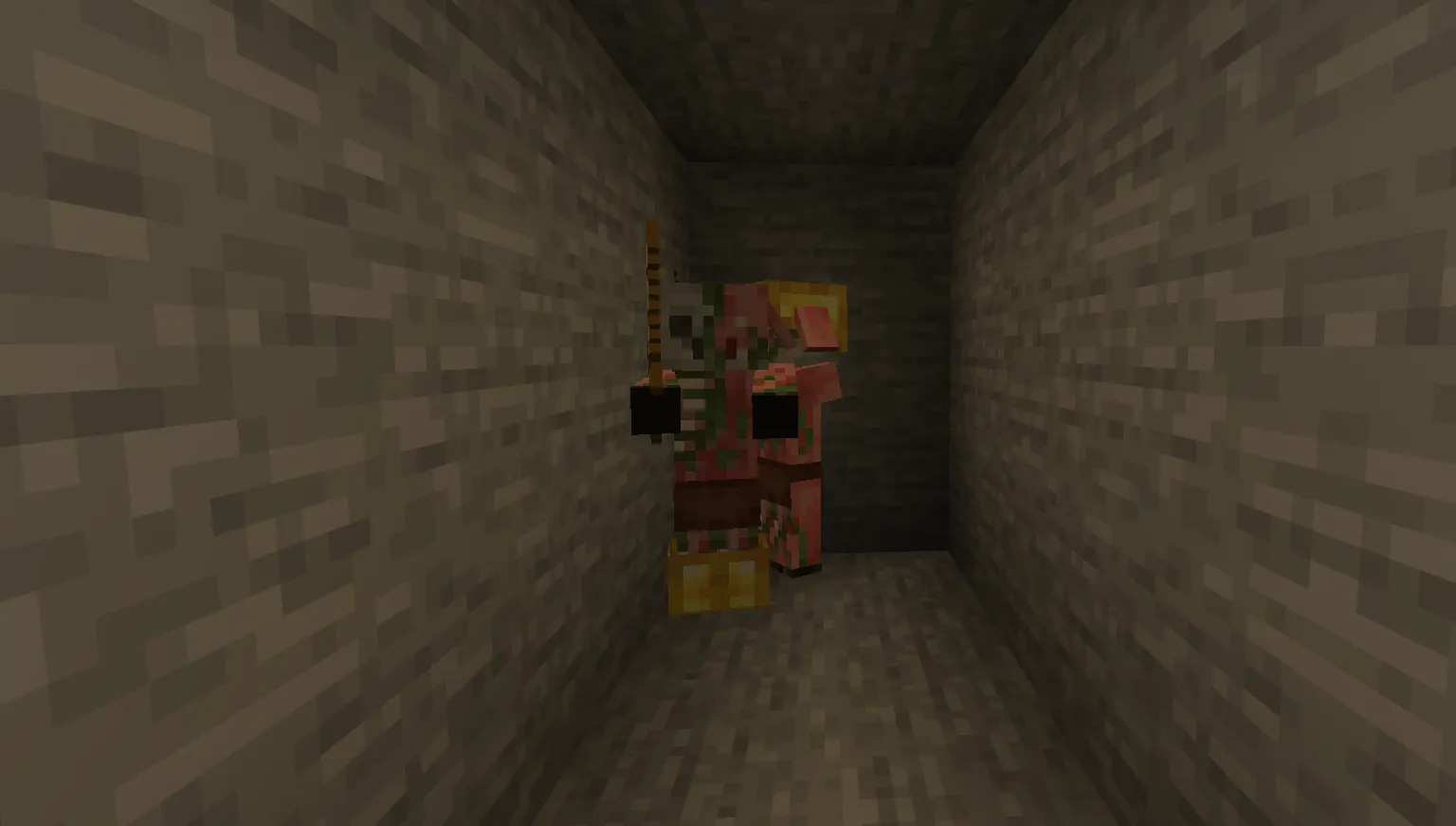
Build a zombified piglin farm. This is the real answer for anyone bartering seriously. Zombified piglins spawn constantly in the Nether and drop gold nuggets (and occasionally full ingots or golden gear) when killed. A basic Nether-roof farm with a spawning platform and a kill zone can keep you swimming in gold nuggets, which smelt or craft straight into ingots.
-
Late-game efficiency: once a gold farm is running, pair it with an automated bartering setup, dispensers feeding ingots to trapped piglins, hoppers collecting the drops, and you've got a passive supply line for soul sand, quartz, and the occasional soul speed book without touching a thing.
How to Barter Safely
-
Wear gold armor. Even a single gold helmet or boots keeps regular piglins from attacking you outright.
-
Don't hit a piglin mid-barter. If you attack one while it's examining your ingot, it confiscates the gold, gets angry, and won't trade until it's picked up something else.
-
Don't break containers or gold blocks near piglins. This can anger them even while they're mid-barter, and Bedrock Edition reacts to this faster than Java does.
-
Watch your surroundings. Piglins hang around lava, ledges, and other Nether mobs. Getting tunnel vision on your gold ingot while a hoglin or magma cube sneaks up on you is a common way to lose gear.
-
Keep valuables secured. If a fight does break out, you don't want your whole inventory on you. Drop off anything irreplaceable before a dedicated bartering session.
Piglin Trading Area Setup
You don't need redstone wizardry for this. A simple setup:
-
Fence or wall off a small area so piglins can't wander off or get pushed into lava.
-
Leave one open side so you can approach and retreat.
-
If you're trapping a piglin for repeated bartering (common in farm designs), a single-block enclosure with a gap for items to pass through works, since the piglin doesn't need to move to barter.
-
Add a hopper-and-chest collection system underneath if you're automating with dispensers.
Keep it close to your Nether hub so hauling ingots back and forth isn't its own chore.
Common Piglin Bartering Mistakes
-
Bringing gold nuggets instead of ingots. Piglins won't barter for nuggets. Craft them into ingots first.
-
Attacking a piglin by accident, usually by spam-clicking while trying to give it the ingot.
-
Ignoring nearby hoglins, magma cubes, or ghasts while focused on the trade.
-
Standing on unstable Nether terrain, particularly near lava lakes or crumbling netherrack near cliffs.
-
Expecting every reward to be worth something. Gravel and blackstone show up a lot. That's normal, not a bad roll of luck.
-
Mixing up piglins and piglin brutes. Brutes are bigger, carry axes, and never barter. Trying to trade with one just gets you attacked.
Piglin vs Other Nether Mobs
Quick clarifications that trip people up:
-
Piglins are neutral, barter for gold, and stay passive if you're wearing gold armor.
-
Piglin brutes spawn only in bastion remnants, are always hostile regardless of your armor, and never barter.
-
Zombified piglins are the undead form, hostile only if provoked, and don't barter at all, but they're your gold source through farming.
Final Verdict
Piglin bartering earns its place because two of its rewards, Ender Pearls and the Soul Speed enchantment, are genuinely hard to get any other way. Everything else is a bonus that ranges from mildly useful to filler. If you're just passing through the Nether, barter opportunistically with whatever gold you're carrying. If you actually want soul speed boots or a pearl stockpile, build a gold farm first and let the numbers work in your favor over time instead of gambling a handful of ingots and hoping.