Best Food in Minecraft Early Game (2026 Survival Guide)
Day one of a new Minecraft world always goes the same way. You punch a tree, panic about the sun going down, throw together a dirt hut, and completely forget to eat anything until your hunger bar starts flashing at you. Then you're stuck deciding between raw chicken you're scared to eat and three rotten flesh you picked up off a Zombie, wondering if either one is going to work.
Food in Minecraft isn't just a bar you top off when it gets low. It controls whether you can sprint away from a Creeper, whether you regenerate health after a bad fall, and whether you can keep mining past midnight instead of retreating to bed. Get it wrong early on, and you'll spend your first week babysitting your hunger bar instead of actually playing the game. Get it right, and you barely think about food again until you're gearing up for the Nether.
I've restarted enough survival worlds to know exactly which foods are worth chasing on day one and which ones are a waste of your time, even though they look tempting in your inventory. This guide breaks down what to eat, what to farm, and what to skip, based on how hunger and saturation actually work under the hood, not just "eat meat, it's good."
Quick Answer
For the first few days, cooked pork chops and cooked beef are the best food in Minecraft. Both restore 8 hunger points and 12.8 saturation, meaning you eat less often and can sprint or take fall damage without your hunger bar tanking. If you can't find pigs or cows yet, bread and baked potatoes are close seconds and easier to farm early on. Avoid living on raw meat or berries alone.
Best Early Game Foods at a Glance
|
Food |
Hunger Restored |
Saturation |
Difficulty |
Renewable |
Best For |
|
Cooked Beef |
8 |
12.8 |
Medium |
Yes |
Exploring, mining, boss fights |
|
Cooked Porkchop |
8 |
12.8 |
Medium |
Yes |
Same as beef, usually easier to find |
|
Bread |
5 |
6.0 |
Easy |
Yes |
Day 1-2 food, no cooking needed |
|
Baked Potato |
5 |
6.0 |
Easy |
Yes |
Long-term farm staple |
|
Cooked Chicken |
6 |
7.2 |
Easy |
Yes |
Early meat before you have cows |
|
Cooked Mutton |
6 |
9.6 |
Medium |
Yes |
Underrated mid-tier meat |
|
Salmon |
6 |
9.6 |
Medium |
Yes |
Coastal or river starts |
|
Cod |
5 |
6.0 |
Medium |
Yes |
Backup fishing food |
|
Carrots |
3 |
3.6 |
Easy |
Yes |
Snack food, not a main course |
|
Sweet Berries |
2 |
0.4 |
Very Easy |
Yes |
Emergency food only |
Understanding Hunger and Saturation
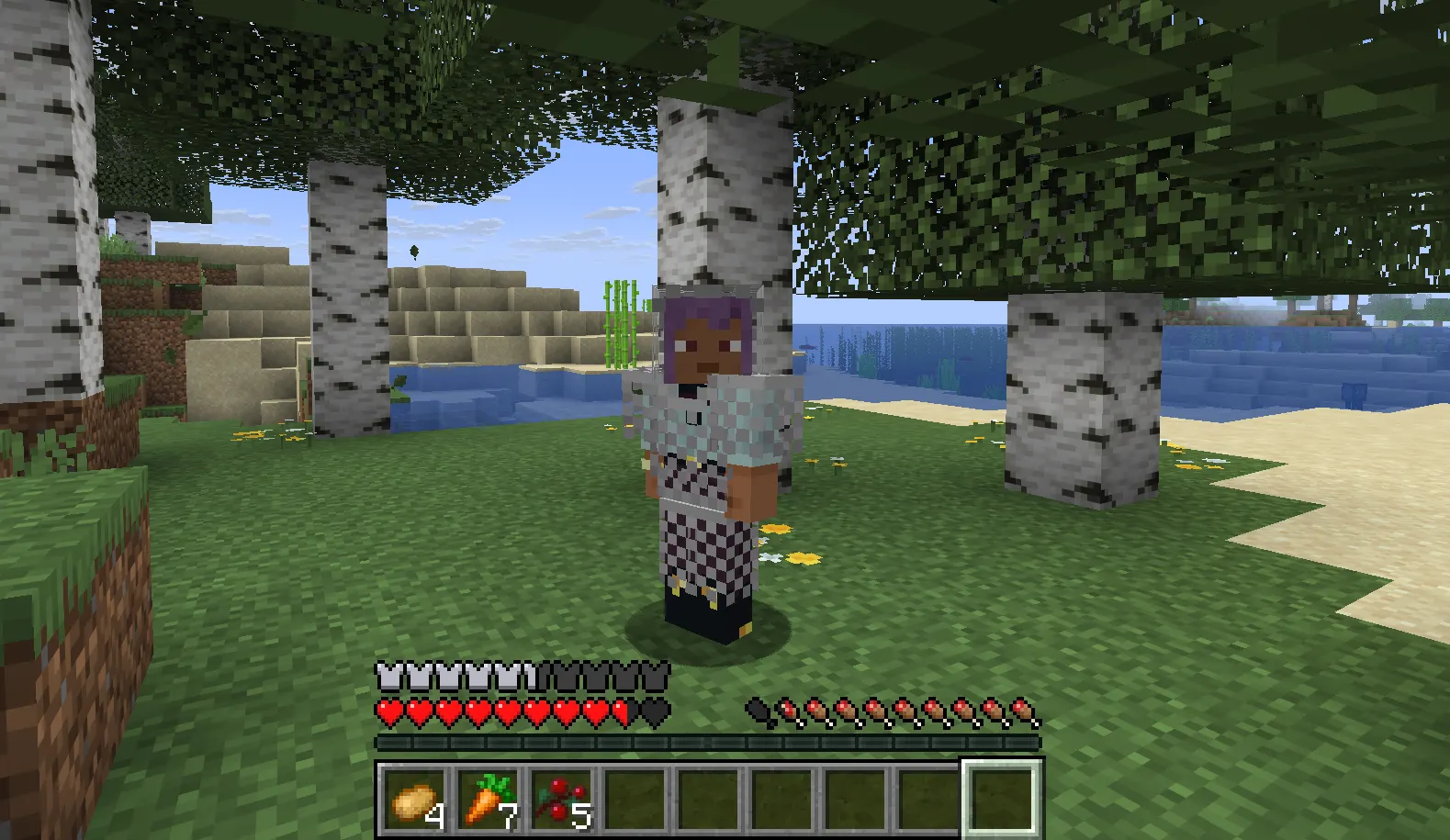
Most new players think the hunger bar is the whole system. It's not. There are actually two numbers running behind the scenes, and only one of them shows up on your screen.
Hunger is the drumstick icon at the bottom of your HUD. It drops from sprinting, jumping, mining, taking damage, and just existing over time. Once it drops below 6 shanks (3 icons), you stop regenerating health. Below 0, you start taking damage on Normal and Hard difficulty.
Saturation is a hidden value that sits on top of your hunger bar like a buffer. It doesn't show up anywhere in the UI, but it's the reason you can sprint across a beach for two straight minutes after eating a steak without your hunger dropping at all. Saturation drains first. Your visible hunger bar only starts ticking down once saturation hits zero.
This is why saturation matters more than raw hunger points. Two foods can restore the same hunger and feel completely different in practice. Bread and cooked chicken both refill 5-6 hunger, but chicken's higher saturation means you'll go noticeably longer before you're hungry again.
Sprinting drains hunger faster than walking, and healing (natural regeneration) burns through both hunger and saturation quickly. If you're exploring a lot or fighting through a cave system, high-saturation food isn't a nice-to-have. It's the difference between eating every ten minutes and eating twice an hour.
What Makes a Good Early Game Food?
Not every food that shows up in your inventory in the first few days is worth prioritizing. When I'm deciding what to farm first, I'm weighing six things:
-
How easy it is to obtain with starter tools and no enchantments
-
Whether it's renewable, so I'm not relying on a finite resource
-
How efficient it is, meaning hunger and saturation per unit of effort
-
Saturation value, since that determines how long the food actually lasts
-
How safe it is to collect, because dying to a cow is embarrassing but it happens
-
Whether it needs cooking, since raw meat risks food poisoning and wastes potential
Sweet berries score high on obtainability and safety but terribly on saturation. Cooked beef is harder to get on day one but wins on almost everything else once you have a farm running. Knowing this trade-off up front saves you from over-investing in food that looks convenient but keeps you eating constantly.
Best Early Game Foods, Ranked
1. Cooked Beef (Steak)
Cooked beef is the benchmark every other food gets compared to. 8 hunger points, 12.8 saturation, and it stacks to 64 in your inventory.
Pros: Highest saturation-to-hunger ratio among common meats, easy to mass-produce once you have a cow farm, cooks fast on a furnace or smoker.
Cons: You need cows, a furnace, and fuel before you can produce it at scale. Not available in your first hour unless you get lucky finding a cave with cows nearby.
Best time to use: Long mining sessions, Nether prep, boss fights, or any stretch where you don't want to stop and eat every few minutes.
How to get it quickly: Kill 2-3 wild cows on day one for raw beef, cook it on a Crafted Furnace, and start breeding the survivors immediately with wheat so you're not hunting them into extinction.
Pro tip: A smoker cooks meat twice as fast as a regular furnace and only takes one extra Iron ingot to craft. If you're processing a lot of beef, it pays for itself almost immediately.
2. Cooked Porkchop
Functionally identical to cooked beef, 8 hunger and 12.8 saturation, and often more common early on since pigs spawn in most grassy biomes.
Pros: Same top-tier saturation as beef, pigs are usually easier to spot near spawn, Breeding is simple with carrots or potatoes.
Cons: Requires cooking, and you'll need a small pig pen if you don't want to hunt every time.
Best time to use: Anywhere you'd use cooked beef. There's genuinely no gameplay difference between the two besides the source animal.
How to get it quickly: Pigs travel in small groups. Kill what you need for the first meal, then fence off a couple of survivors and breed with carrots.
Pro tip: If you find pigs before cows, don't wait around hunting for cattle. Porkchop covers you just as well.
3. Baked Potato
The most underrated food in the early game. 5 hunger, 6.0 saturation, and once you have a working farm, it's completely hands-off.
Pros: No breeding required, potatoes are common in villages and can be found while exploring, one potato plant produces multiple potatoes per harvest, so your farm grows itself.
Cons: Lower saturation than meat, so you'll eat more often if this is your only food source.
Best time to use: As your baseline food while your meat farm is still getting established. Also great because you never run out if you replant properly.
How to get it quickly: Raid a village farm for a starter stack, or check zombie drops (zombies occasionally drop raw potatoes). Plant immediately and expand the farm as you harvest.
Pro tip: Bake potatoes in bulk in a furnace while you're doing something else, like smelting ore. Batch cooking saves you trips back to base.
4. Bread
5 hunger, 6.0 saturation, and the only food on this list that needs zero cooking. Just wheat, a Crafting table, and you're eating within minutes of starting a farm.
Pros: No furnace or fuel needed, wheat is one of the easiest crops to establish, doubles as breeding material for cows and sheep.
Cons: Same saturation as baked potato, so it's not a long-term primary food once you have better options.
Best time to use: Day one and two, before you've built a furnace or found animals. It's the fastest path from "no food" to "sustainable food."
How to get it quickly: Break tall grass for seeds, till dirt near water with a hoe, plant, and wait. Three wheat crafts one bread.
Pro tip: Plant a wheat farm even after you've got meat covered. You'll need wheat constantly for breeding cows and sheep, so it's never wasted effort.
5. Cooked Chicken
6 hunger, 7.2 saturation. Middle of the pack, but chickens are often the first animal you'll actually catch because they're everywhere and slow.
Pros: Chickens are common, easy to corner, and breed fast with seeds. You'll usually have a small chicken pen before you have cows or pigs sorted.
Cons: Lower saturation than beef, pork, or mutton. There's a small risk of food poisoning if you eat it raw, so always cook it.
Best time to use: Bridge food during your first two or three days, before your beef or pork supply is stable.
How to get it quickly: Chase down 2-3 chickens, pen them with a fence, and breed with any seeds you're not using for crops.
Pro tip: Chickens also drop feathers, which you'll want for arrows anyway. Keeping a small coop pays off twice.
6. Cooked Mutton
6 hunger, 9.6 saturation. This one gets skipped constantly because sheep are usually valued for wool, not food, but the saturation here is genuinely better than chicken and close to fish.
Pros: Higher saturation than chicken, cod, or bread. Sheep are common in most Plains and hill biomes.
Cons: People forget sheep are edible, so it's an underused resource. Needs a furnace like other meats.
Best time to use: Any time you're already keeping sheep for wool. No reason to let the meat go to waste.
How to get it quickly: Shear sheep for wool first if you want it, then use spares for meat. Breed with wheat.
Pro tip: If your world spawn is short on cows and pigs but has sheep everywhere, don't overlook mutton. It's a legitimate primary meat source.
7. Salmon
6 hunger, 9.6 saturation once cooked. A strong option if you spawned near an ocean or river, since it doesn't require breeding at all.
Pros: No animal husbandry needed, decent saturation, fishing gives you a passive food source while you're doing something else nearby.
Cons: Needs a crafted fishing rod and a body of water, plus a furnace to cook it. Slower to obtain in bulk than farming.
Best time to use: Coastal or river spawns where cows and pigs are scarce, or as a supplement while your other farms mature.
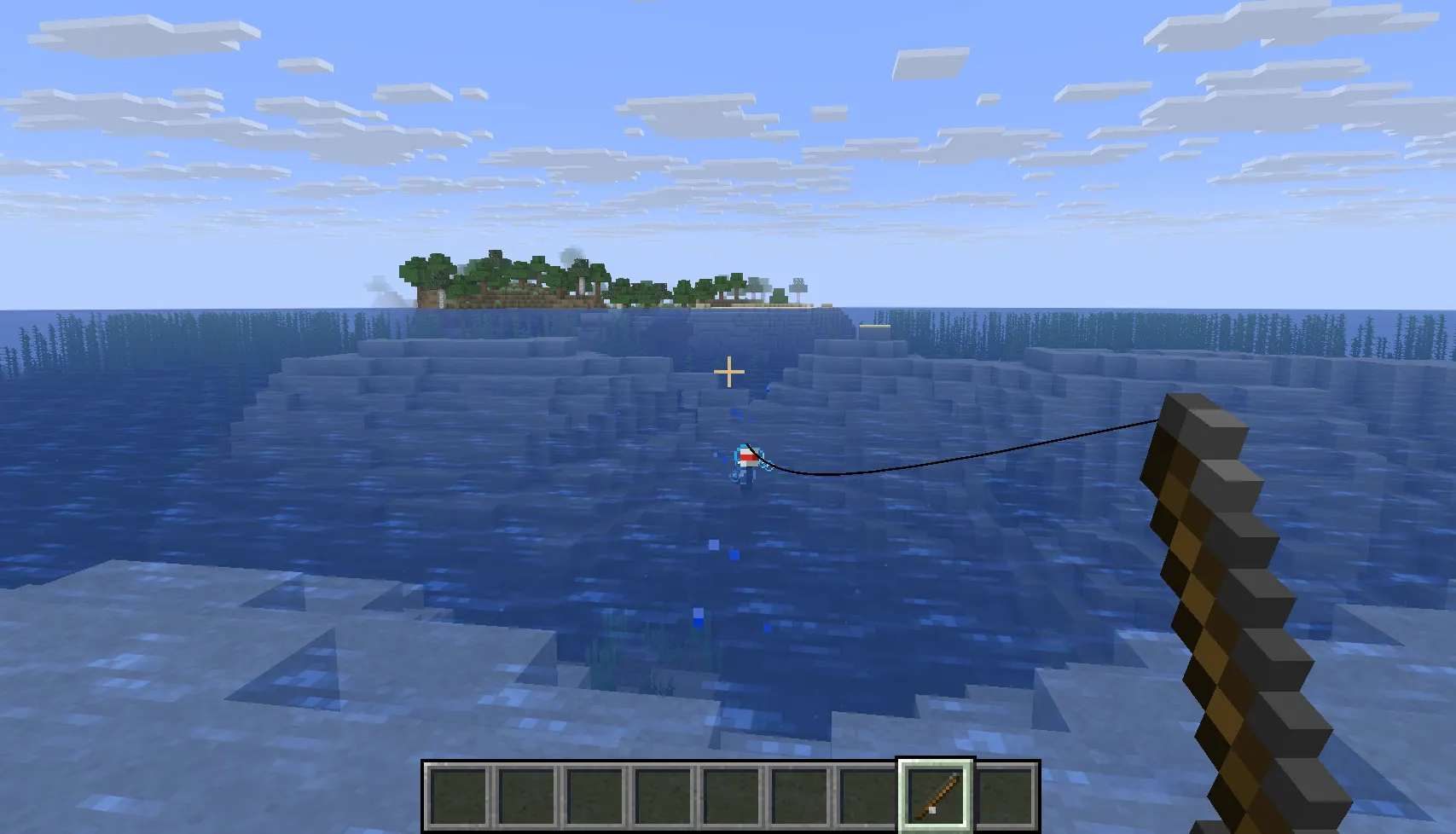
How to get it quickly: Craft a fishing rod (three sticks, two string) and fish near open water. Cook the catch as you go.
Pro tip: AFK fishing next to your base while you're Crafting or organizing chests is basically free food. Set it up early and let it run.
8. Cod
5 hunger, 6.0 saturation. The most common catch when fishing, but the weakest fish option on this list.
Pros: Extremely common in oceans and rivers, easy backup food, no breeding required.
Cons: Lower saturation than salmon, tied with bread and baked potato at the bottom of the useful tier.
Best time to use: As filler food alongside salmon while fishing, not as your main strategy.
How to get it quickly: Fish in any ocean biome. Cod will usually outnumber salmon in your catches.
Pro tip: Don't go out of your way to fish specifically for cod. Take what the rod gives you and cook it all.
9. Carrots
3 hunger, 3.6 saturation. A solid secondary crop, but too low-value to be your main food source.
Pros: Grows fast, doesn't need cooking, doubles as breeding food for pigs and can be turned into golden carrots later for a huge saturation upgrade.
Cons: Low hunger and saturation per item means you're eating a lot of them to stay full.
Best time to use: Snack food between meals, or as a breeding resource once your pig farm is running.
How to get it quickly: Villages almost always have carrot farms. Grab a stack, plant them near your base, and let them multiply.
Pro tip: Hold onto extra carrots for crafting golden carrots later. 6 hunger and 14.4 saturation make them one of the best foods in the entire game once you have gold to spare.
10. Sweet Berries
2 hunger, 0.4 saturation. Genuinely the weakest food on this list, but worth knowing about because it's often the first food you'll actually see.
Pros: No tools, cooking, or crafting required. Found naturally in Taiga biomes, and the bushes regrow berries over time.
Cons: Terrible saturation means you'll be hungry again almost immediately. Walking into a fully grown bush also deals damage, which catches new players off guard.
Best time to use: Emergency food only, when you have nothing else and need to survive until you can cook something better.
How to get it quickly: Right-click a sweet berry bush repeatedly without breaking it, so it keeps producing.
Pro tip: Don't build a base around berries as your food plan. They're a stopgap, not a strategy.
Full Comparison Table
|
Food |
Hunger |
Saturation |
Farming Difficulty |
Cooking Needed |
Renewable |
Overall Rating |
|
Cooked Beef |
8 |
12.8 |
Medium |
Yes |
Yes |
9.5/10 |
|
Cooked Porkchop |
8 |
12.8 |
Medium |
Yes |
Yes |
9.5/10 |
|
Cooked Mutton |
6 |
9.6 |
Medium |
Yes |
Yes |
8/10 |
|
Salmon |
6 |
9.6 |
Medium |
Yes |
Yes |
7.5/10 |
|
Cooked Chicken |
6 |
7.2 |
Easy |
Yes |
Yes |
7/10 |
|
Bread |
5 |
6.0 |
Easy |
No |
Yes |
7/10 |
|
Baked Potato |
5 |
6.0 |
Easy |
Yes |
Yes |
6.5/10 |
|
Cod |
5 |
6.0 |
Medium |
Yes |
Yes |
6/10 |
|
Carrots |
3 |
3.6 |
Easy |
No |
Yes |
5/10 |
|
Sweet Berries |
2 |
0.4 |
Very Easy |
No |
Yes |
3/10 |
Best Food Progression
Day 1: You have no farms, no furnace maybe, and hunger is dropping fast. Eat whatever's safe: sweet berries if you're near a taiga, apples from oak trees, or raw meat as an absolute last resort (accept the food poisoning risk if it's truly the only option). Priority one is getting wheat seeds and a crafting table sorted.
Day 2: Furnace should be built by now. Get your first wheat harvest into bread, and start hunting nearby cows, pigs, or chickens for cooked meat. This is the day your food situation stops being an emergency.
First Week: Set up a proper animal pen and breed whichever meat animal is most common near your base. Expand your wheat farm. If you're near water, craft a fishing rod as a backup source that doesn't compete with your crop space.
Mid Game Transition: Once your farms are self-sustaining, start stockpiling gold nuggets for golden carrots. They're cheap to make once you have a gold source and massively outperform regular food.
Late Game Upgrade: Suspicious stew, rabbit stew, and eventually golden apples become your go-to foods for boss fights and end-game exploration, but none of that matters if your early farms aren't solid first.
Best First Food Farms
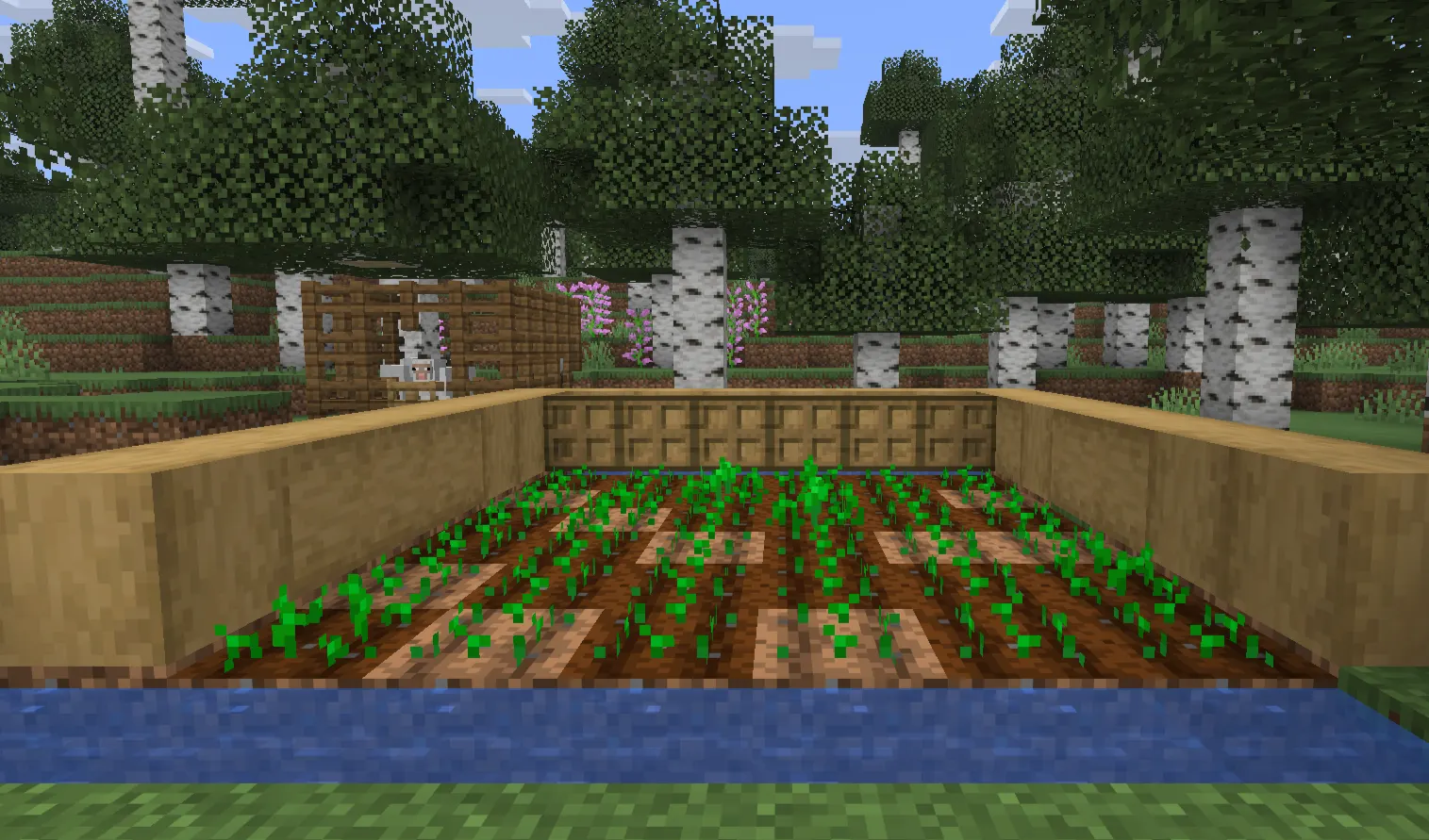
Not all farms are equally urgent. Here's the order I actually build them in.
Wheat Farm: Build this first, always. It's the base ingredient for bread and the breeding material for cows and sheep. Everything else depends on having wheat available.
Cow Farm: Second priority. Cooked beef is the best all-around food, and once you've got 4-6 cows breeding, you'll rarely run low on meat again.
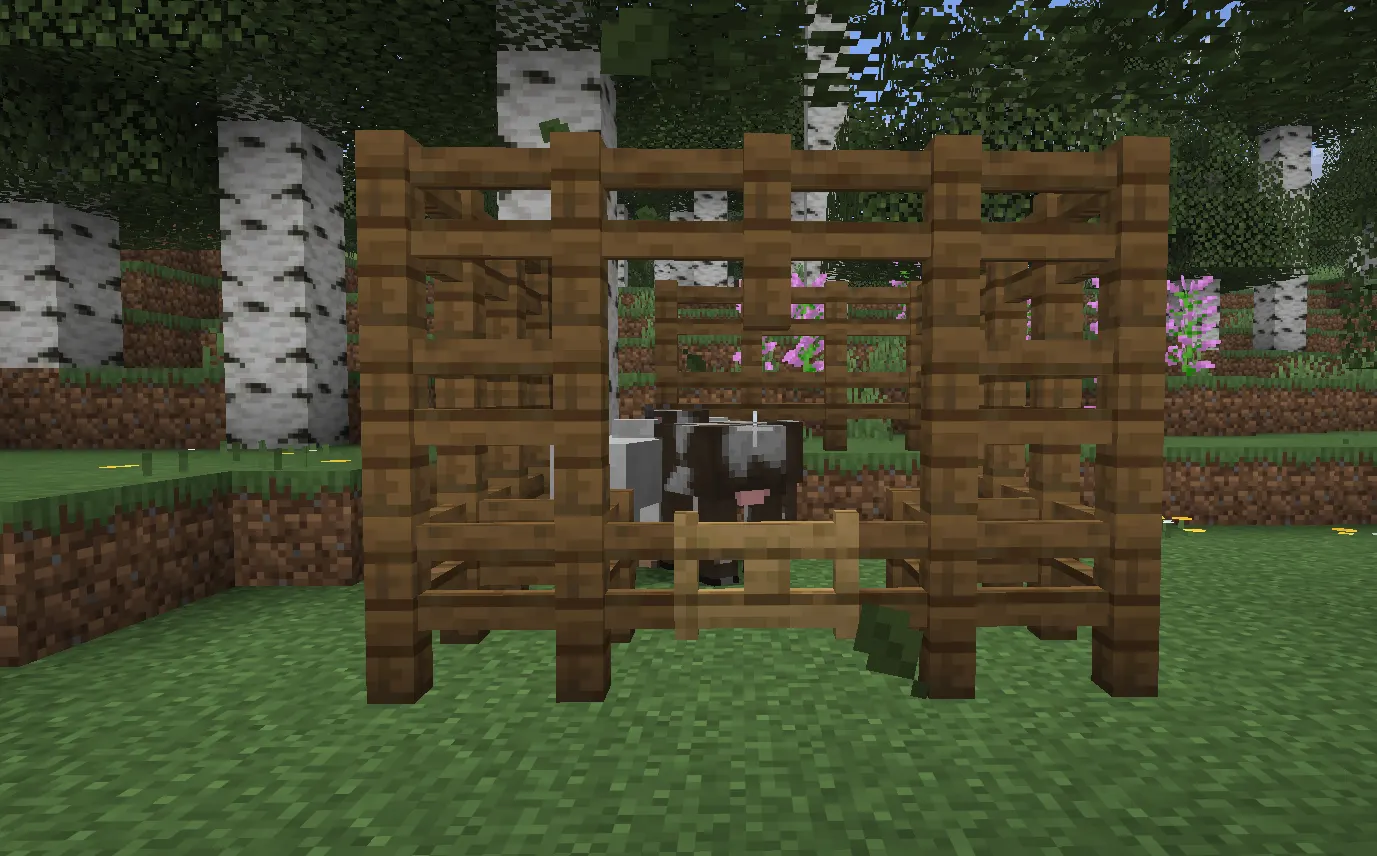
Chicken Farm: Easiest to set up alongside the cow farm since chickens are usually already wandering near your base. Good stopgap while the cow farm scales up.
Potato Farm: Set this up whenever you find potatoes in a village. It requires zero ongoing maintenance beyond replanting, which makes it the most passive food source you'll have.
Carrot Farm: Similar effort to potatoes, and doubles as pig breeding food, so it's worth planting alongside your pig pen if you have one.
Fishing Setup: Lowest priority unless you spawned right next to water, in which case bump it up. It's a great passive source but shouldn't be your only plan.
Build the wheat farm and one meat source (cow or pig, whichever is closer) in your first two days. Everything else can follow once your base is stable.
Common Beginner Mistakes
Living on berries forever. They're available immediately, which tricks new players into treating them as a real food plan. The saturation is too low to sustain long play sessions.
Ignoring saturation entirely. Chasing hunger points without checking saturation means you end up eating constantly even though your inventory looks full of "good" food.
Not cooking meat. Raw meat works in a pinch, but it carries food poisoning risk and restores less hunger than the cooked version. Always cook when you have the option.
Killing all the animals you find. It's tempting to slaughter every cow you see for a quick meat stockpile, but you'll regret it the moment you need to breed more. Leave a breeding pair alive.
Forgetting to breed livestock. Related to the above. A farm that isn't actively breeding is just a slowly shrinking meat supply.
Depending only on fish. Fishing is a great supplement but a slow primary source compared to a proper animal farm.
Sprinting unnecessarily. Sprinting everywhere burns through your hunger bar fast. Walk when you're not in a hurry, especially before you have a stable food surplus.
Pro Survival Tips
-
Carry at least two different food types in your hotbar, so a single bad drop or missed harvest doesn't leave you stranded.
-
Use campfires near your farm for quick, fuel-free cooking without tying up a furnace slot.
-
Breed cows before you start slaughtering them for meat. A herd of 6+ will outproduce your consumption easily.
-
Build your farms close to your base, not off in the distance. You'll actually maintain them if they're convenient.
-
Cook a stack of meat before heading into caves. Running out of food mid-cave with no light source nearby is how a lot of hardcore worlds end.
-
Save golden carrots for later game. They're too resource-intensive to justify early on, but they're worth building toward.
Conclusion
If you only remember one thing from this guide, make it this: cooked beef and cooked porkchop are the best overall early game foods, bread is the best beginner choice because it needs zero cooking, and baked potatoes are the best renewable option for a farm you can basically ignore once it's planted. Build your wheat farm first, get a meat source going right behind it, and you'll spend the rest of your playthrough thinking about food a lot less than most new players do.
Hunger management in Minecraft isn't complicated once you understand saturation. Get your farms running early, breed instead of hunting to extinction, and you'll never find yourself stuck eating rotten flesh at 2 AM in-game again.