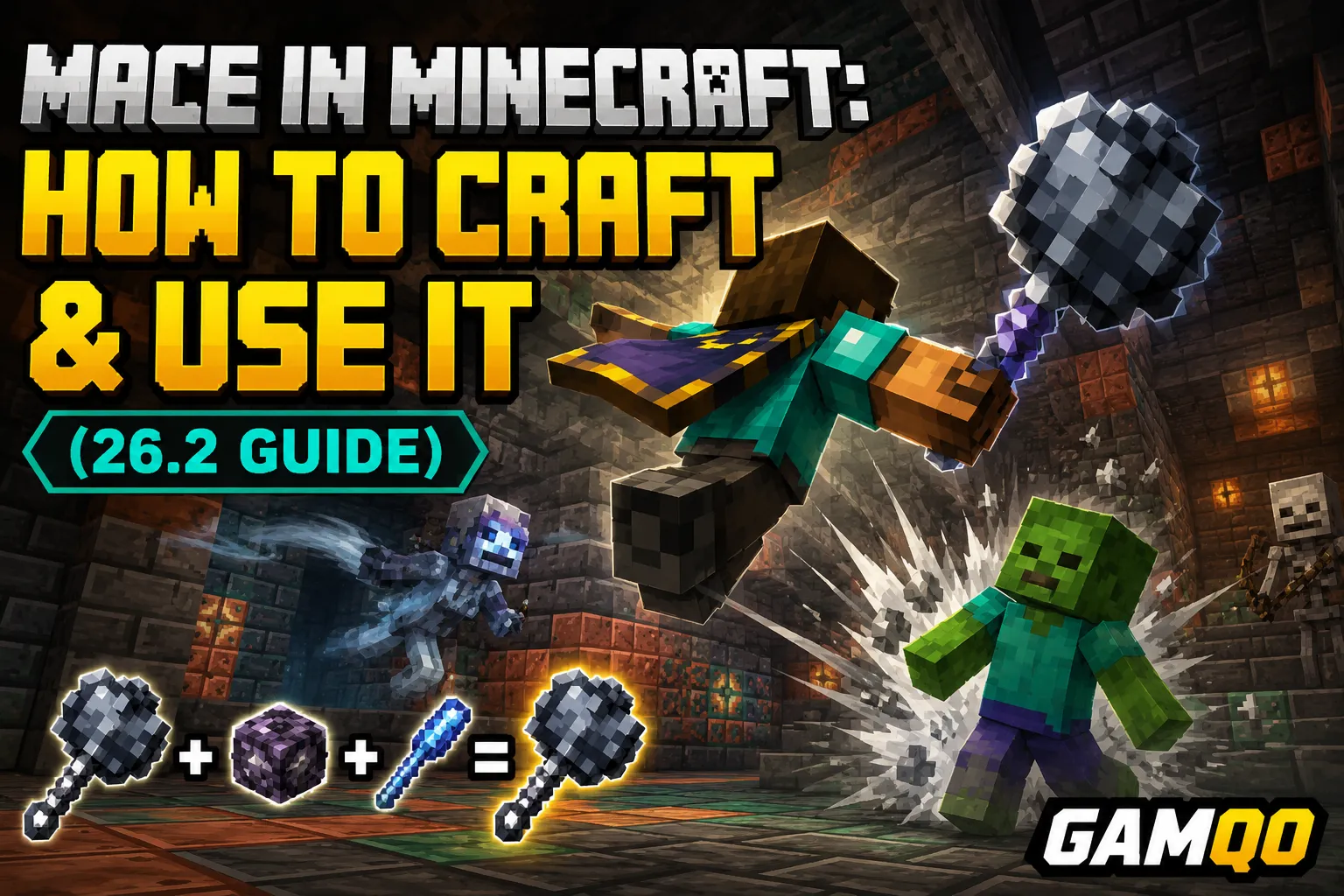
Mace in Minecraft: How to Craft & Use It (26.2 Guide)
Most weapons in Minecraft reward you for standing your ground. The Mace rewards you for falling on someone's head from as high up as you can manage. It's the only weapon in the game where jumping off a cliff is a combat strategy instead of a mistake, and once you've felt what a good Smash Attack does to a fully Armored player, everything else in your hotbar starts to feel a little slow.
It's also one of the more annoying items to get your hands on. There's no shortcut, no villager trade, no chance find in a dungeon chest. You have to earn every piece of it in a Trial Chamber, and the rarest part drops less than one time in ten. This guide walks through the whole process: finding the pieces, Crafting the thing, understanding what the numbers actually mean in a fight, and using it in a way that doesn't get you killed. Everything here reflects the current 26.2 "Chaos Cubed" game drop, and I'll flag anywhere Java and Bedrock genuinely play differently.
What the Mace Actually Is
The Mace showed up in the Tricky Trials update alongside Trial Chambers, Breezes, and the Bogged. Structurally, it's a melee weapon like a sword or axe, but its whole identity is built around one mechanic: the Smash Attack. Hit an enemy while you're falling from more than 1.5 blocks up, and instead of a normal swing you get a slam that scales with how far you dropped, with no cap on the damage. Fall far enough and you can one-shot almost anything in the game, up to and including a fully armored player or a Warden.
On its own, without falling, the Mace is mediocre. It has the slowest attack speed of any weapon in Java Edition, 0.6, meaning close to 1.7 seconds between swings, and deals 6 damage on a normal hit at full charge. A stone sword swung twice in that window does more work. Swords are faster and more forgiving. Axes hit harder per swing and can knock a Shield out of someone's hands. Tridents give you range and a way to travel. The Mace gives you neither speed nor range. What it gives you is a ceiling on damage that no other weapon comes close to, provided you can set up the fall.
That trade-off is why it fits some playstyles and not others. If you're the kind of player who likes finding height and control before a fight (towering up, using an Elytra, timing an ambush), the Mace turns that habit into real damage. If you fight mostly on flat ground reacting to whatever mob walks up to you, it's going to feel clunky, and you're better off with a sword or axe until you build the setup for it.
Getting the Pieces: Heavy Core and Breeze Rod
Crafting a Mace needs exactly two items, and both only exist inside Trial Chambers.
Breeze Rod
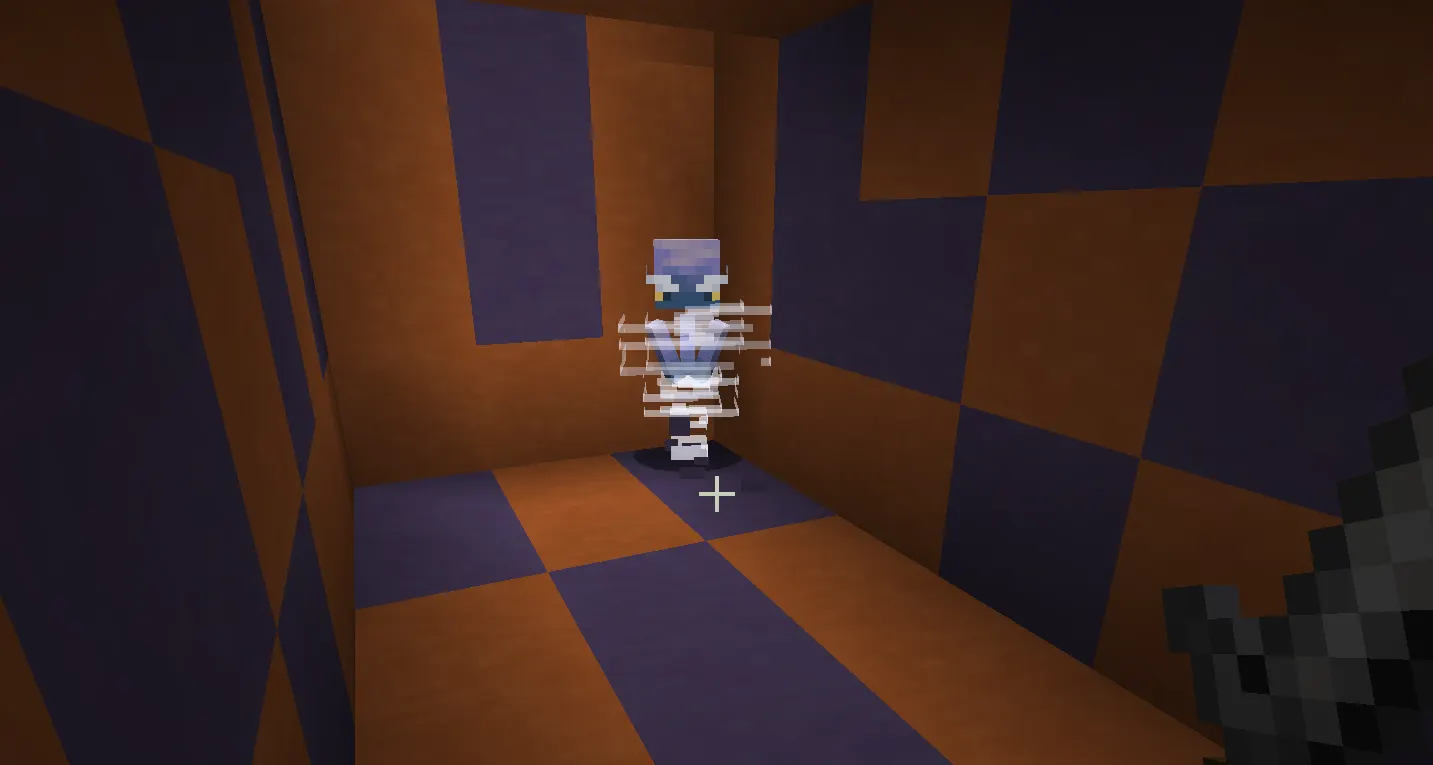
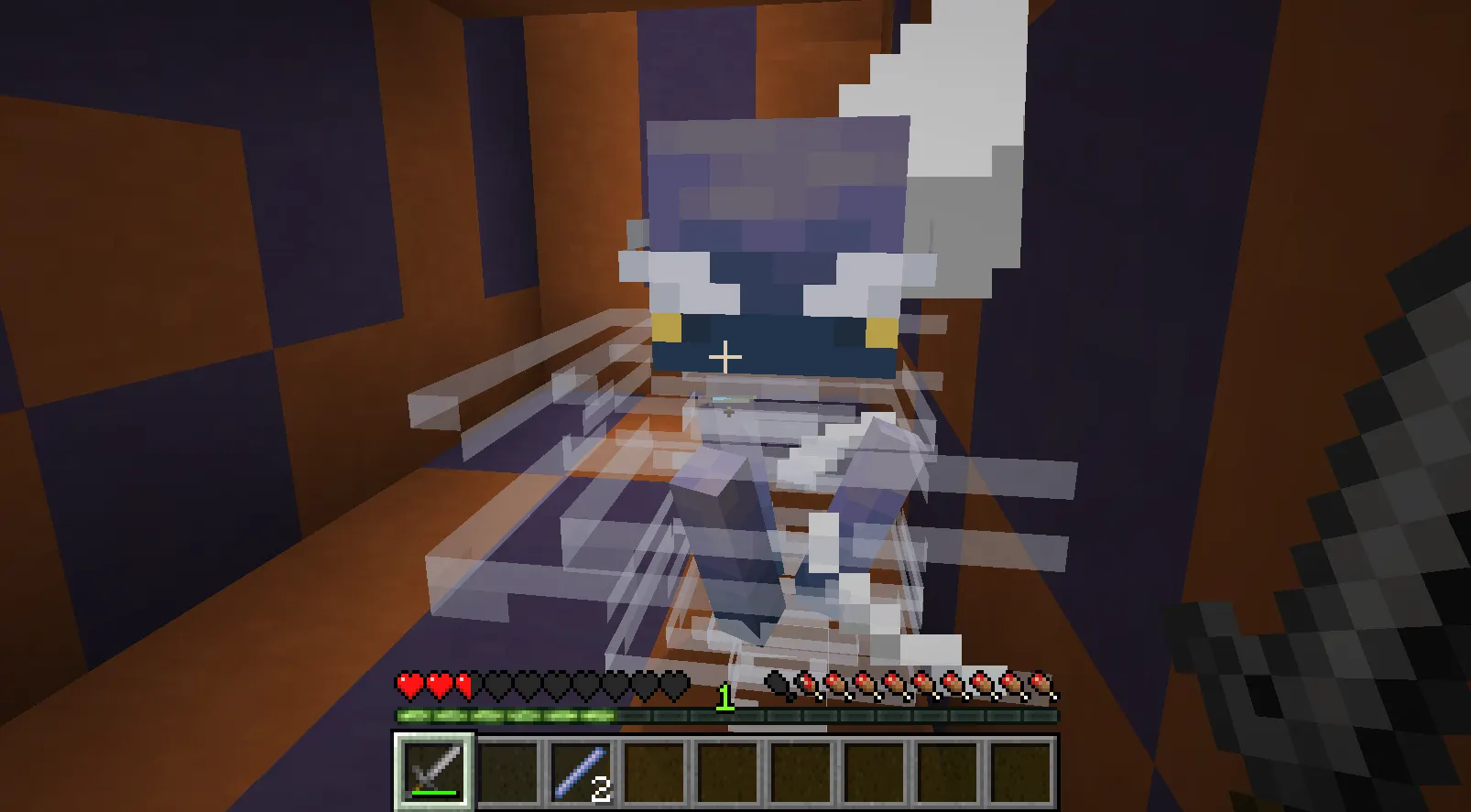
Breezes are the wind-throwing mobs that spawn from ominous trial spawners inside Trial Chambers. You won't run into one anywhere else in the world. Kill one, and it drops 1–2 Breeze Rods, guaranteed. Looting III bumps that up to a range of 4–8 rods per kill, which matters more than it sounds like, because you'll want spare rods for repairs later anyway. Breeze Rods also craft Wind Charges, so even before you have a Mace, killing Breezes is worth doing.
Heavy Core
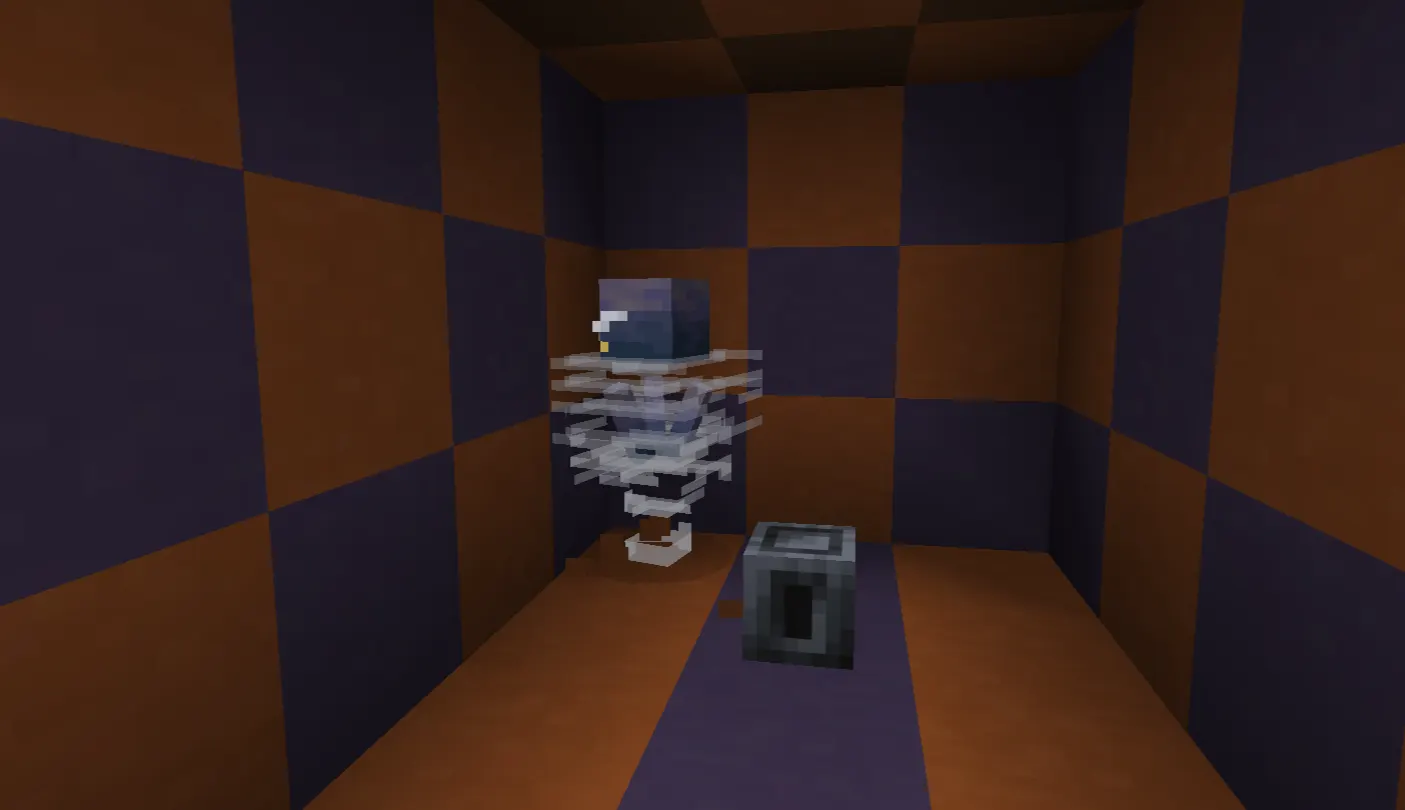
This is the part that actually gates the whole process. Heavy Cores only come from Ominous Vaults, and they drop at a 7.5% chance each time you open one. That's the number as it stands on the official wiki right now, not a rumor, not a snapshot figure that got walked back. At 7.5%, expect to open somewhere around 13 Ominous Vaults on average before one gives you a Heavy Core, and don't be surprised if you go through twice that with bad luck.
To open an Ominous Vault at all, you need an Ominous Trial Key, and to get one of those, you need the Trial Omen effect active when you approach a trial spawner. Trial Omen only comes from Bad Omen, which you get by killing a raid captain on the surface, the one with the banner on its head. No captain kill means no Ominous Trials, no Ominous Vaults, and no Heavy Core, so plan that before you ever go underground.
A few things that cut down the grind:
-
Bring multiple Ominous Bottles or stack up Bad Omen kills before a dive, so you can chain several Ominous Trials in one trip instead of surfacing between every one.
-
Full-clear a chamber rather than cherry-picking vaults. Every additional Ominous Vault you open is another roll at 7.5%, and chambers usually have more than one.
-
Bring a group. Vaults reward every player individually, so a duo or trio triples your rolls per trip without tripling your risk.
-
Don't burn a Heavy Core testing crafting patterns. You only need one, and losing your only copy to a mistake means diving again.
Mace Crafting Recipe
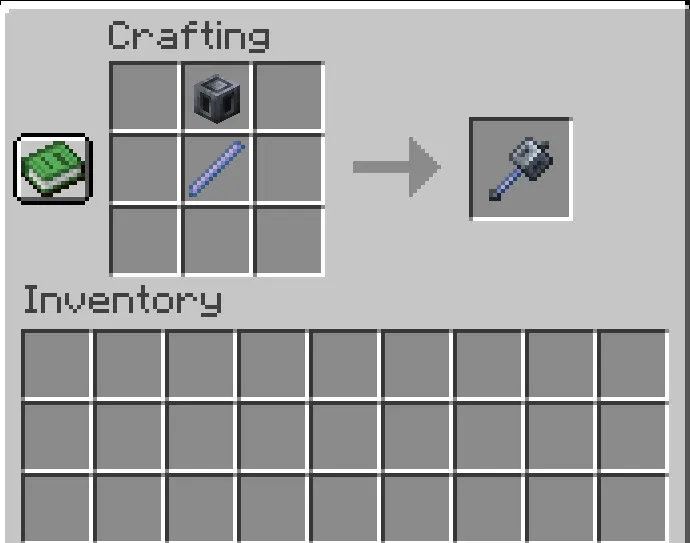
Once you have both items, crafting is simple: place the Heavy Core and the Breeze Rod together in a crafting grid, in any arrangement, using either a Crafting table or your 2x2 inventory grid. The recipe is shapeless, so position doesn't matter. That gives you one Mace.
The most common mistake here isn't the recipe itself, it's timing. Players farm one Heavy Core, craft immediately, and then realize they used their only Breeze Rod too and have nothing left to repair with the first time the Mace takes damage. Grab a handful of extra rods before you craft. Looting on your weapon while farming Breezes pays for itself here.
Mace Stats: What the Numbers Mean in a Fight
-
Attack damage: 6 on a fully charged normal hit, before any Smash Attack bonus.
-
Attack speed: 0.6, the slowest of any Java Edition weapon, with roughly 1.67 seconds between full-strength swings.
-
Durability: Standard tool durability, decreasing by 1 per hit regardless of whether it's a normal swing or a Smash Attack.
-
Repair: An anvil with Breeze Rods, where each rod restores about 25% of durability, or by combining two damaged Maces on an anvil or crafting grid. Both methods keep your enchantments intact.
The slow attack speed is the whole reason people underrate the weapon before they've used it. In a straight toe-to-toe fight, a sword outpaces it easily. But that comparison misses the point. You're not supposed to be swinging a Mace like a sword. You're supposed to be falling on someone with it, and the Smash Attack doesn't care about your attack cooldown at all.
How the Smash Attack Actually Works
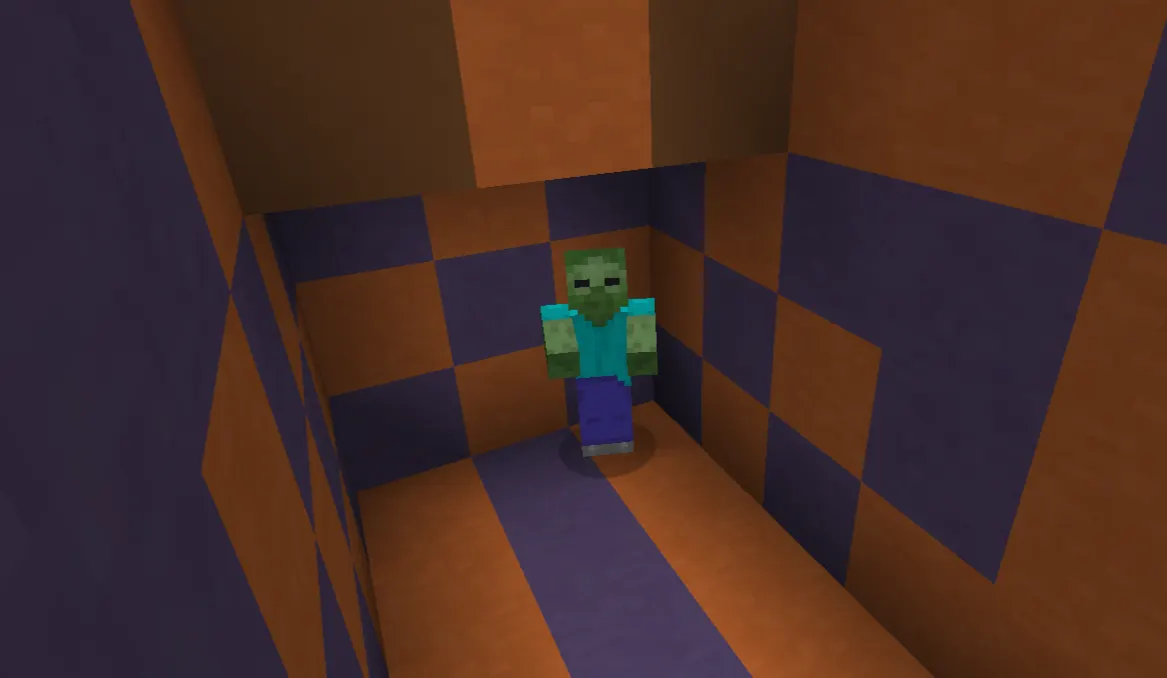
This is the part worth understanding in detail, because most of the Mace's reputation, good and bad, comes down to whether players get this timing right.
A Smash Attack triggers automatically any time you land a hit while you've fallen more than 1.5 blocks. You don't need a special button or a charge-up. Jump off a ledge, hit an enemy on the way down, and the game handles the rest. The damage scales with exactly how far you fell before the hit connected:
-
The first 3 blocks of fall distance add 4 extra damage per block.
-
Blocks 4 through 8 add 2 extra damage per block.
-
Every block beyond that adds 1 extra damage per block, with no ceiling.
Run the math and it escalates fast. A 3-block fall alone adds 12 bonus damage on top of the base 6. Fall 14 blocks and you're dealing enough to kill a player in full Protection IV Netherite. The wiki's own damage testing found a Warden going down to a single hit after a 97-block drop, which is exactly the kind of number that sounds made up until you've done it yourself off an Elytra dive.
Landing a Smash Attack also cancels your accumulated fall damage entirely, so a well-timed hit is how you survive drops that would otherwise kill you on landing. That's the other half of why this weapon rewards height instead of punishing it. The fall isn't a liability if you connect.
A few mechanical details that trip people up:
-
The 1.5-block minimum is measured from where you started falling, not your current height off the ground. Jumping in place and swinging doesn't count.
-
Your attack cooldown does not gate the Smash Attack. Even a Mace still recovering from its last swing will register a Smash Attack the instant you connect while falling.
-
The knockback radius is roughly 2.5–3.5 blocks around the point of impact, and it doubles if you fell more than 5 blocks, which is genuinely useful for scattering a group before they can surround you.
-
Landing on a fall of exactly 1 or fewer blocks just gives you a normal critical hit, no Smash bonus. The threshold matters.
Failed Smash Attacks happen most often because players swing too early, while they're still near the top of the jump, instead of waiting until they're actually falling toward the target. Watch your own fall. You want to be descending onto the enemy, not swinging on the way up or at the peak.
Best Ways to Use the Mace
Survival: Great for anything with a ledge nearby, cave exploration, mountain mobs, anywhere you can get above an enemy before they notice you. Less useful for flat overworld combat where there's nothing to fall from.
Trial Chambers: Ironic, but true: once you have a Mace, farming more Ominous Vaults gets faster, because you can drop from the chamber's upper walkways onto spawner mobs below.
Boss fights: Against the Warden specifically, height is your friend since it can't reach you up top, and a heavy Smash Attack from a tower or ledge is one of the few ways to meaningfully hurt it without melee-trading in its detection range.
PvP: Extremely strong when you can force height: towering, Elytra dives, or baiting someone under a ledge. Weak in a straight duel on flat ground where your slow swing just loses to a sword.
Multiplayer and raids: Good for thinning out grouped enemies fast thanks to the knockback radius, especially against raiders bunched near a village bell.
Exploration: Honestly not its strength. Bring a sword or axe as your main weapon and treat the Mace as a situational tool you switch to when you've got height, not your default.
Where it falls short: don't rely on it as your only weapon in a fast, flat fight. The 1.67-second cooldown means one missed Smash Attack can leave you badly exposed against something fast like a Spider or a player who closes distance while you're recovering.
The Wind Charge and Mace Combo
Wind Charges give you a way to manufacture height on demand instead of waiting to find a ledge. Hold a Wind Charge in your off-hand and the Mace in your main hand, then right-click to throw the charge at the ground beneath you while jumping. The explosion launches you upward, and you fall right back down into range for a Smash Attack.
The timing takes practice. Throw too early and you'll drift out of range before you fall back onto the target; throw too late and you won't get enough height to matter. Most players find a rhythm of launch, aim your descent slightly toward the enemy, and swing right as you're about to land. It's not a huge height boost compared to a real cliff, but it works anywhere, which is the whole appeal. The tradeoff is Wind Charges aren't free. You're burning inventory space and crafting time for something an actual ledge gives you at no cost.
Elytra and Mace Strategies
This is where the Mace stops being situational and becomes genuinely one of the strongest weapons in the game. Wearing an Elytra, you can dive from significant height, use a firework to control your angle, cancel your flight right before impact, and land a Smash Attack that scales with your entire dive distance, not just the last few blocks.
The catch is real risk. Misjudge the dive and you either overshoot your target entirely or hit the ground yourself without landing the attack, which means eating fall damage with no cancellation. Practice this somewhere with soft terrain or Creative mode before you try it in a real fight, and always keep a spare firework rocket in case you need to correct your angle mid-dive. There's no meaningful Java-versus-Bedrock difference here. Elytra physics and Smash Attack damage scaling behave the same on both.
Best Enchantments for the Mace
|
Enchantment |
What It Does |
Max Level |
Best For |
|
Density |
+0.5 damage per block fallen, per level, on top of base Smash Attack scaling |
V |
PvE, unarmored targets, general Smash Attack damage |
|
Breach |
Ignores 15% of a target's armor and toughness per level |
IV |
PvP against armored players, Ominous Trial mobs in enchanted gear |
|
Wind Burst |
Launches you upward roughly 7 blocks per level after a Smash Attack |
III |
Chaining repeat Smash Attacks without needing a ledge or Wind Charge |
|
Mending |
Repairs durability using collected XP |
I |
Any build, keeps the Mace usable long-term |
|
Unbreaking |
Reduces durability loss per use |
III |
Any build, pairs naturally with Mending |
|
Smite |
Bonus damage against undead |
V |
Mutually exclusive with Density/Breach, situational only |
|
Bane of Arthropods |
Bonus damage against arthropods, with a slowness effect |
V |
Mutually exclusive with Density/Breach, situational only |
|
Fire Aspect |
Sets target on fire on hit |
II |
Optional extra damage over time, compatible with the rest |
The important rule most guides get wrong: Density, Breach, Smite, and Bane of Arthropods are mutually exclusive with each other. You can only carry one of the four at a time. But Density and Breach are perfectly compatible with each other and with Wind Burst. There's no conflict between those three, which is where the real "best build" comes from.
Best PvE build: Density V + Wind Burst III + Unbreaking III + Mending. Most mobs don't wear Armor, so Breach adds little here. Density gives you the bigger raw number, and Wind Burst keeps you airborne for repeat hits.
Best PvP build: Density V + Breach IV + Wind Burst III + Unbreaking III + Mending. Against armored players, Breach earns its slot back since it cuts through their gear before your damage even gets calculated.
Best Hardcore build: Same as PvP, but weight Mending and Unbreaking heavier in your priorities. Losing your only Mace to a durability failure mid-fight in Hardcore is a worse outcome than losing a little theoretical damage.
Getting these enchantments means Ominous Vault loot for Wind Burst specifically, since it can't be rolled from an enchanting table, only from vault loot or trading with a librarian who happens to offer it. Density and Breach can come from a level-30 enchanting table setup, trial chamber loot, or librarian trades, which makes them noticeably easier to gather.
Mace vs Sword vs Axe vs Trident
|
Weapon |
Damage |
Speed |
Range |
Utility |
Difficulty |
Best Use Case |
|
Sword |
Moderate, consistent |
Fast |
Melee |
Sweep attacks, Looting |
Low |
General combat, fast reactive fights |
|
Axe |
High per hit |
Slow |
Melee |
Shield-breaking |
Low-Medium |
Duels, breaking through blockers |
|
Trident |
Moderate |
Fast |
Thrown or melee |
Riptide travel, ranged option |
Medium |
Water combat, mobility, ranged poke |
|
Mace |
Uncapped with height |
Slowest in the game |
Melee |
Smash Attack scaling, fall damage negation |
High |
Ambushes, boss fights, height-based PvP |
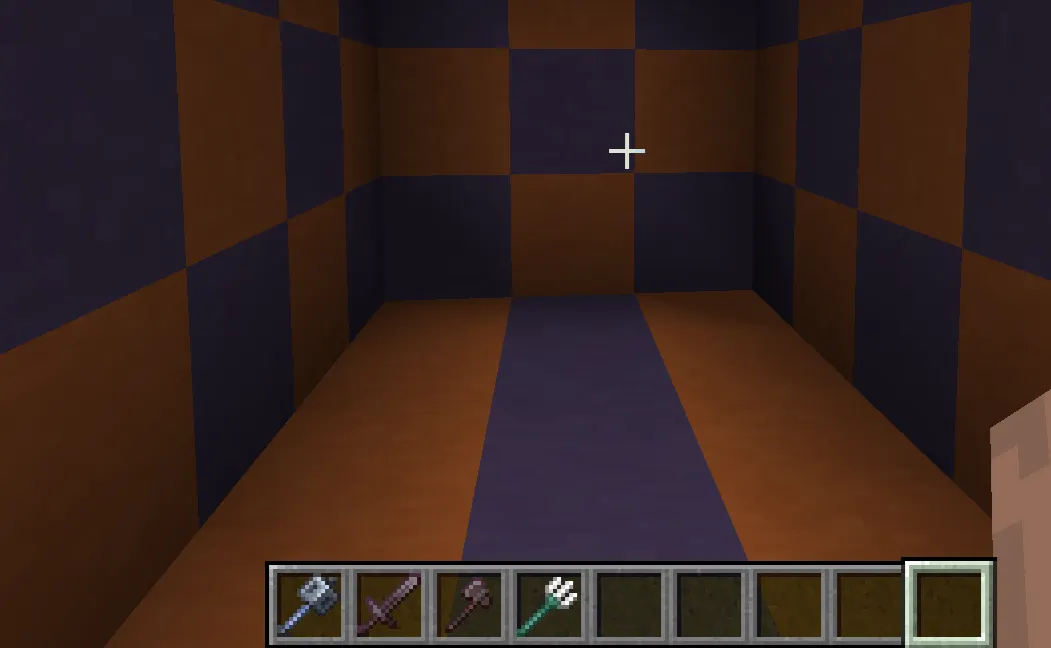
If you want a weapon that just works without setup, the sword is still the right default. If you're breaking through shields in a duel, the axe. If you're near water or want a mobility option, the trident. The Mace only earns its spot when you're willing to set up height beforehand. It's the highest ceiling of the four, but also the only one that punishes you for using it wrong.
Java vs Bedrock Differences
The core Mace mechanics (crafting, damage scaling, Smash Attack thresholds, enchantments) are identical across both editions. The one real difference that matters in practice is the attack cooldown system itself. Java Edition has a charge-based cooldown affecting every weapon, the Mace included, meaning you need to wait out that 1.67-second window for a fully charged normal hit. Bedrock Edition doesn't use the same cooldown mechanic, so players there can attack more rapidly in general. That advantage applies to every weapon in Bedrock, not the Mace specifically, but it does mean Bedrock players feel the Mace's slow swing less severely outside of a Smash Attack setup. Beyond that, there's no meaningful gap. A Heavy Core is a Heavy Core, and a 97-block Warden kill works the same on either edition.
Common Mistakes Players Make
Attacking from too low. Anything under 1.5 blocks of fall doesn't trigger a Smash Attack at all. You'll just land a normal critical hit and wonder why nothing special happened.
Missing Smash Attack timing. Swinging too early, before you're actually falling toward the target, wastes the attempt entirely. Wait until you're descending onto them.
Ignoring the attack cooldown outside of Smash Attacks. Trying to fight normally with a Mace against something fast is a losing habit. Its cooldown is real and unforgiving when you're not falling.
Wrong enchantment picks. Stacking Smite or Bane of Arthropods instead of Density or Breach throws away the weapon's whole identity for a niche bonus that rarely matters.
Poor positioning. Diving in without an escape plan or a way back up leaves you stranded on the ground with a slow weapon if the fight goes wrong.
Overusing Wind Charges. They're a tool, not a requirement. Burning your whole stack chasing marginal extra height when a nearby ledge would do the same job for free is wasted inventory space.
Relying on it in every fight. The Mace is a specialist's weapon. Bring a sword or axe as your everyday option and switch to the Mace when the situation actually calls for it.
Pro Tips
-
Farm Breeze Rods with Looting III gear equipped. The extra rods pay for repairs down the line.
-
Full-clear Trial Chambers instead of grabbing the first vault and leaving; more vaults means more 7.5% rolls.
-
Bring a group into Ominous Trials. Vault rewards are per-player, not shared.
-
Keep at least 4 spare Breeze Rods on hand at all times for anvil repairs.
-
Practice Smash Attack timing in Creative before trying it in a real fight or against a player.
-
Combine two damaged Maces on an anvil to merge durability and keep both sets of enchantments when possible.
-
Use natural terrain (cliffs, cave ceilings, mountain ledges) before reaching for Wind Charges.
-
Against the Warden, prioritize height over proximity; you don't need to be close to hit hard.
-
Remember the knockback radius doubles past a 5-block fall, useful for scattering grouped raiders.
-
Don't enchant Sharpness onto a Mace. It boosts only the base hit, not the Smash Attack scaling that actually matters.
-
Pair Wind Burst with a Mace you've already got Density and Breach on, since none of the three conflict.
-
In Hardcore, prioritize Mending and Unbreaking over squeezing out the last enchantment slot for damage.
-
Time Elytra dives with a firework rocket ready in case you need to adjust your angle mid-fall.
-
Watch for the unique Smash Attack particle and sound cue to confirm a hit actually registered as a Smash Attack.
-
Keep a backup weapon on your hotbar for fast, flat fights where falling isn't an option.
Final Verdict
The Mace isn't a weapon you use because it's convenient. It's a weapon you use because you've decided the extra setup is worth an uncapped damage ceiling. Getting one takes a real grind through Ominous Vaults, and using it well takes practice timing falls that other weapons don't ask for at all. But once the Smash Attack clicks, it turns towers, cliffs, and Elytra dives into your biggest advantage instead of just scenery.
If you fight mostly on flat ground reacting to whatever comes at you, keep a sword or axe as your main and treat the Mace as a specialist's tool for the moments height is on your side. If you already play with an eye for positioning (PvP players who bait height, boss hunters who tower up, Elytra users who dive), this is the weapon that finally rewards that habit with real numbers. Either way, it's worth the grind at least once. Few weapons in Minecraft change how a fight feels the way a well-timed Smash Attack does.